
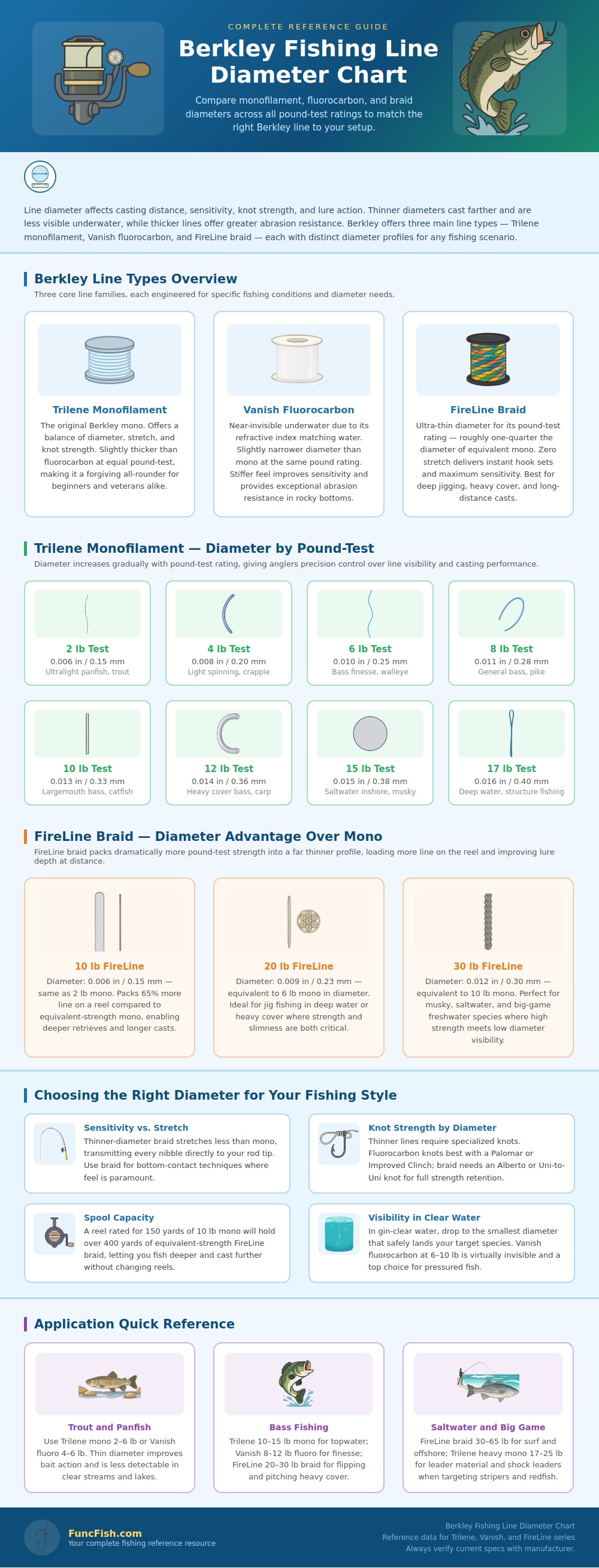
Fishing line diameters is a critical factor in fishing line selection because the diameter of the fishing line impacts the way in which the fishing line move through the air and moves through the water. Many anglers selects fishing lines based solely upon there pound test rating. However, the pound test rating of the fishing line dont necessarily indicate the thickness of the fishing line.
Fishing lines that has a thinner diameter allow anglers to cast their fishing lures a greater distance due to the reduced amount of friction that the thinner line encounters in moving through the air. Additionally, fishing lines that have a thinner diameter is less visible to fish in clear water and allow anglers to feel the sensitivity of the fishing rod. Fishing lines that have a thicker diameter are more durable when encounter rocks and the teeth of fish but allow anglers to cast their lines a shorter distance and to feel less sensitivity in the fishing rod.
How to Choose the Right Fishing Line Thickness
There is different types of fishing lines available on the market, each with a different diameter. Monofilament fishing lines is common but are forgiving due to the stretch in the fishing line. However, monofilament lines are usually thicker than other types of fishing lines.
Fluorocarbon fishing lines is difficult for fish to see due to the way in which the line refracts the light in the same way than water. Fluorocarbon lines are thinner than monofilament lines of the same pound test rating. Braid lines are made up of woven fibers and are thinner than monofilament and fluorocarbon lines of the same pound test rating.
Additionally, braided lines has almost no stretch in the line. The difference in diameter between these different types of fishing lines are significant. For example, the braid line will have the same strength as the monofilament line but will be much more thinner than the monofilament line.
Since the braid is thinner than the monofilament line, a person can fit much more braid on the fishing reel than the amount of monofilament that a person can fit on the same fishing reel. This mean that a person can fish in deeper waters or cast their line much further without running out of fishing line. Additionally, since thinner fishing lines like braids and fluorocarbons will create less drag on the lure of the fish, the lure will be able to sink faster and move more accurate through the water.
A person must choose the right diameter of the fishing line for the fishing conditions. For instance, if a person is fishing in very clear water, a person should use a thin diameter of the fishing line so that the fish do not see the fishing line. In murky water or areas with many weeds, a person should choose a thicker fishing line for the durability of the line.
Additionally, if a person is fishing for fish with sharp teeth, they will have to use a thicker fishing line that can withstand the teeth of the fish. The thinner the fishing line, the less durable it will be and might break against rocks or oyster bar. Another consideration for fishing line is the type of knot that will be used with the fishing line.
Monofilament and fluorocarbon lines will readily form knots due to there relatively low slipperiness. Braided lines will require different knots due to the slippiness of the line to ensure the line does not slip out of the knot. A person should check the diameter of the fishing line before put the line on the fishing reel.
By choosing the correct diameter of fishing line according to the fishing rod, reel, and the type of fish that a person will target, a person will be able to fish more effective.