
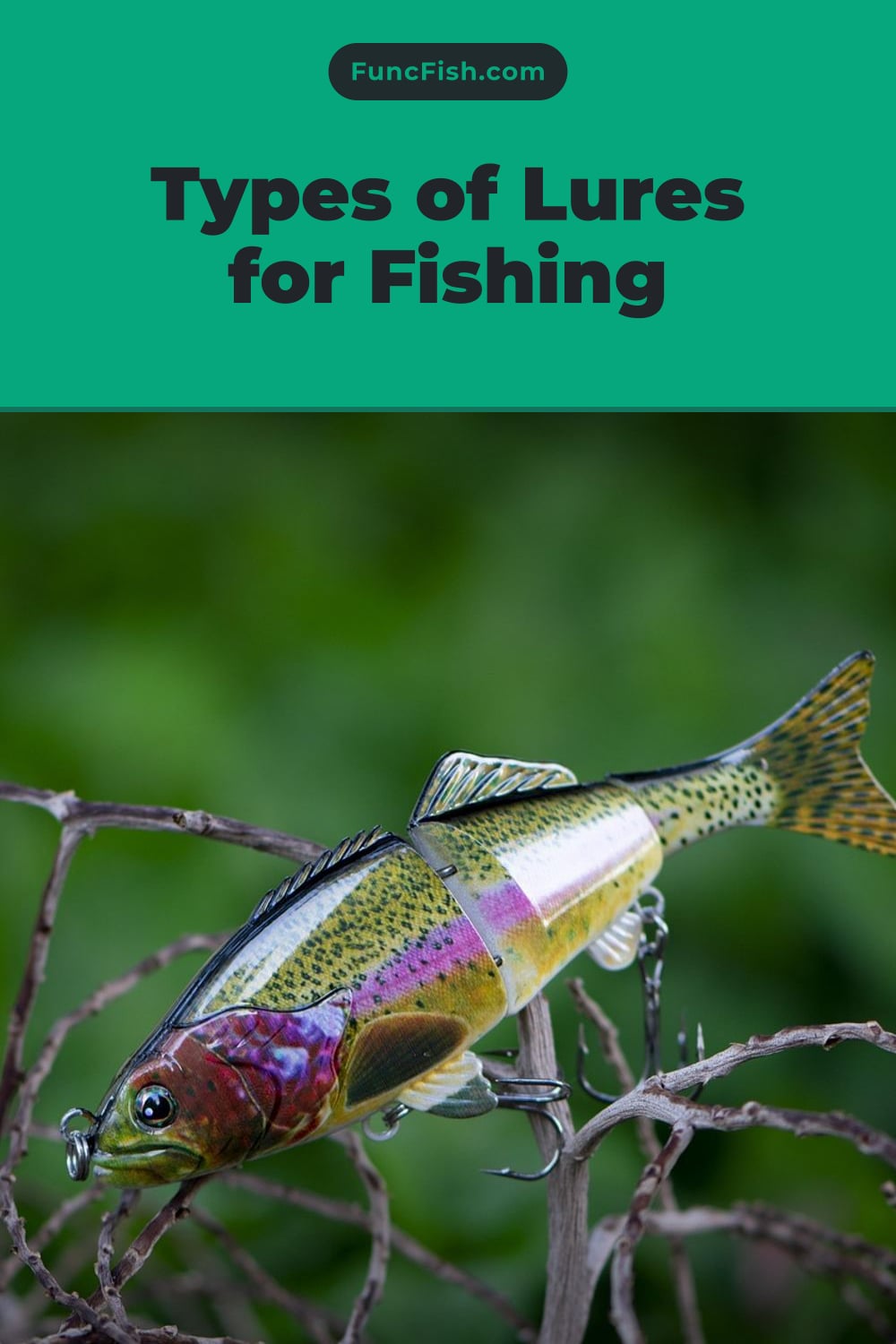
Fishing lures is used to attract fishes. Fish will react differently to different types of lure. Therefore, a person must choose the proper lure depending on the type of water and the type of fish that are to be target.
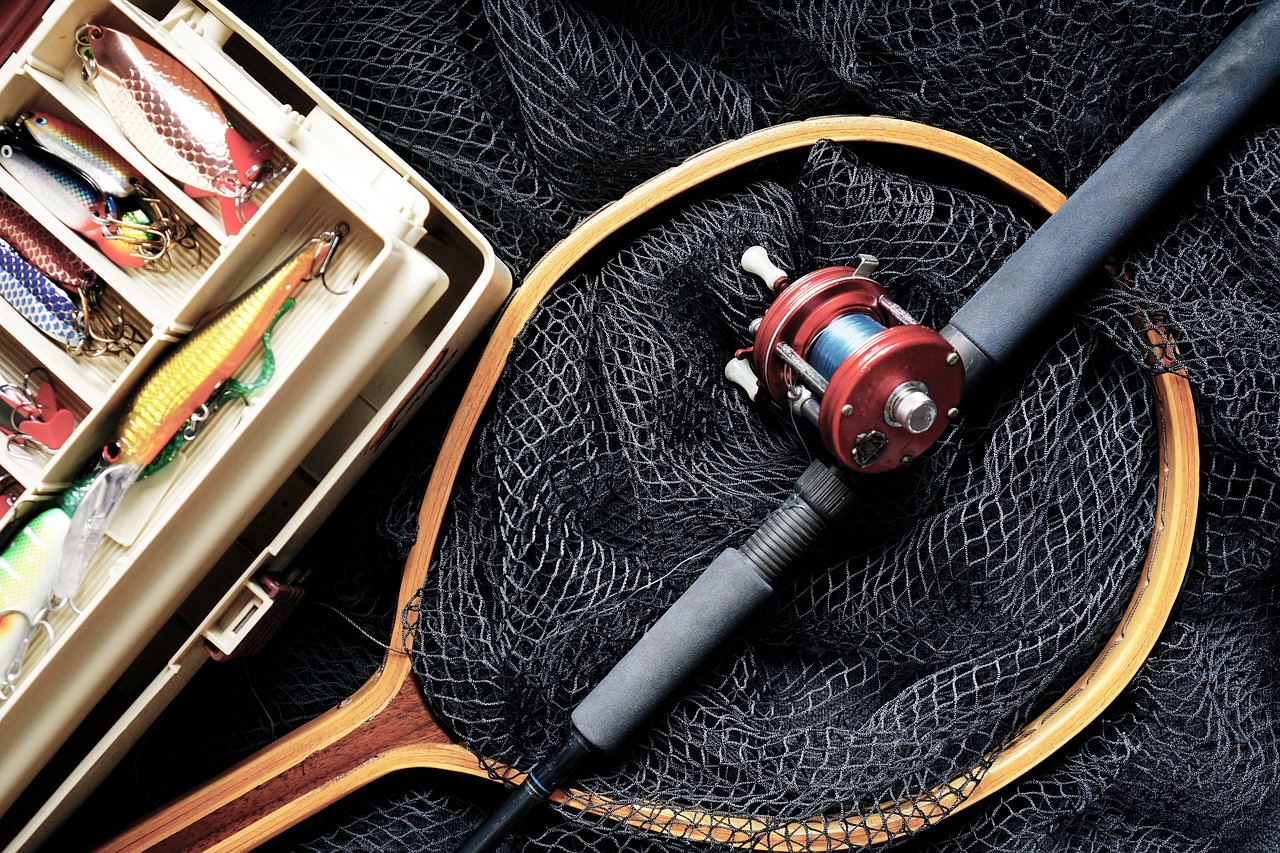
Understanding the different type of fishing lures allow for a person to understand how to use the tackle box.
Common Types of Fishing Lures to Use
1. Jerkbaits
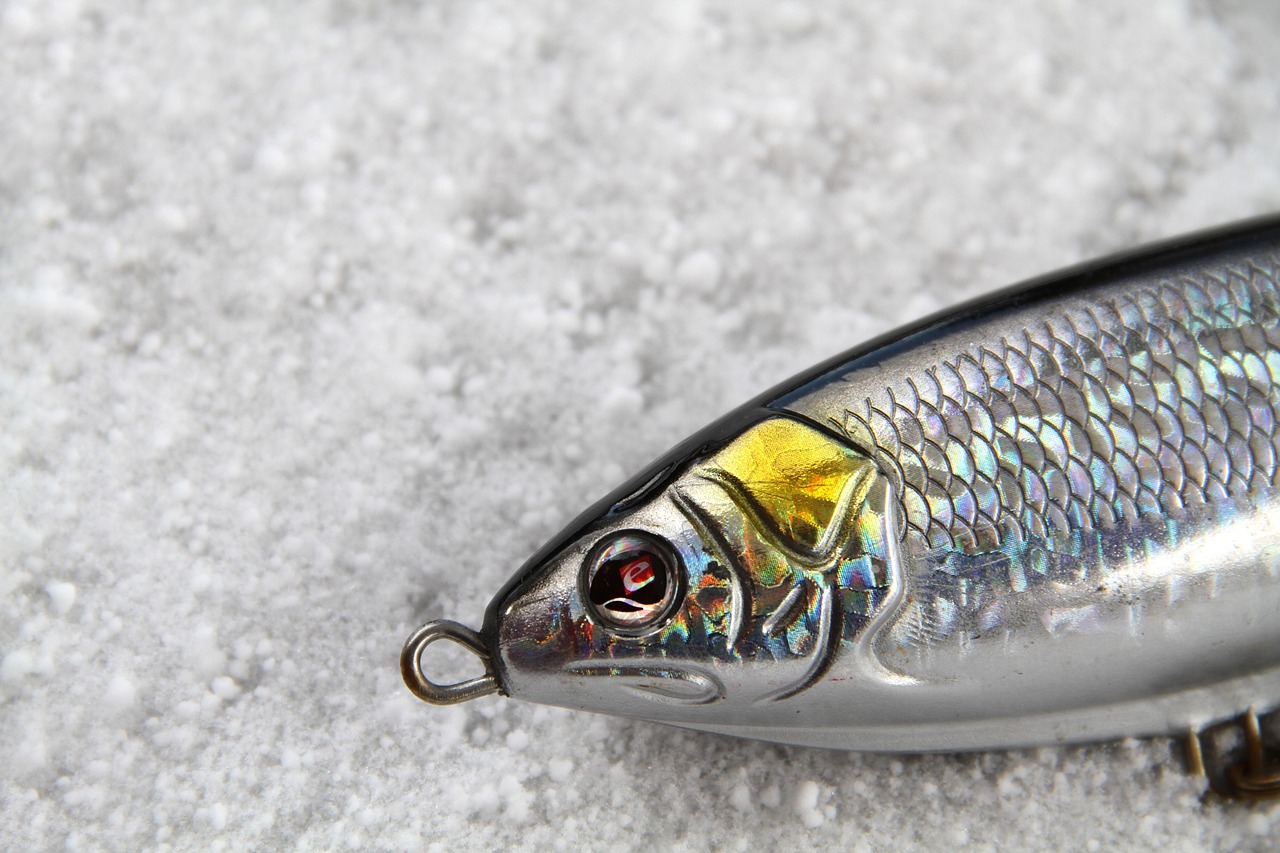
A jerkbait is a lure that is slim and in the shape of a minnow and ranges between three and six inch in length. Jerkbait lures have a lip that help them to dive into the water to specific depth.
To use a jerkbait, a person must make snapping movement with the rod tip. These jerky movements makes the jerkbait appear as if there is an injured baitfish in the water. Jerkbait lures is best used in clear water during the spring and fall.
2. Spinnerbaits
Spinnerbaits are lures that has a wire arm with a skirt and metal blades that allow them to revolve in the water. The vibration that a person can create with the revolving blades of a spinnerbait lure will attract fish. Depending on the type of metal blade on a spinnerbait, a person can create vibration or flashes in the water.
New fishermen often use spinnerbaits due to the weedless design of these lures. However, spinnerbaits can be too large for the most delicate of fish.
3. Crankbaits
A crankbait is a lure that is made of plastic or wood and features a lip that allow the lure to dive into the water to specific depth.
Depending upon the shape of the crankbait, the crankbaits will exhibit certain movement in the water. Round crankbaits will exhibit a wide wobble, while flat-sided crankbaits will exhibit a tight wobble. These lures is used to cover more water than a person can fish in a day.
If a crankbait strike an object in the water, it will deflect and fish will strike on the crankbait due to the deflection.
4. Topwater Lures
Topwater lures remain on the surface of the water and include lures such as frogs, walking baits, and popping plug. These types of lures will create some commotion on the surface of the water that will attract fish.
These lures are often used during the early morning and late evening hour when the fish feel most comfortable near the surface of the water. When a person spot a fish on the water with a topwater lure, a person must wait until the fish has bitten into the lure before setting the hook. If a person sets the hook too soon, the fish may be swimming away from the fishing spot.
5. Soft Plastic Baits
Soft plastic baits include lures such as worms, creature baits, and swimbaits. These types of baits is made of flexible materials that feel good to a fish. Because these baits are soft, the fish will hold onto the bait for longer period of time.
A person can rig these baits with weights to make them sink, or these baits can be used without the weights to allow the bait to slowly fall into the water. These types of baits are very popular due to their versatility. However, due to the softness of the bait, a person may find themselves replacing the bait often.
6. Spoons
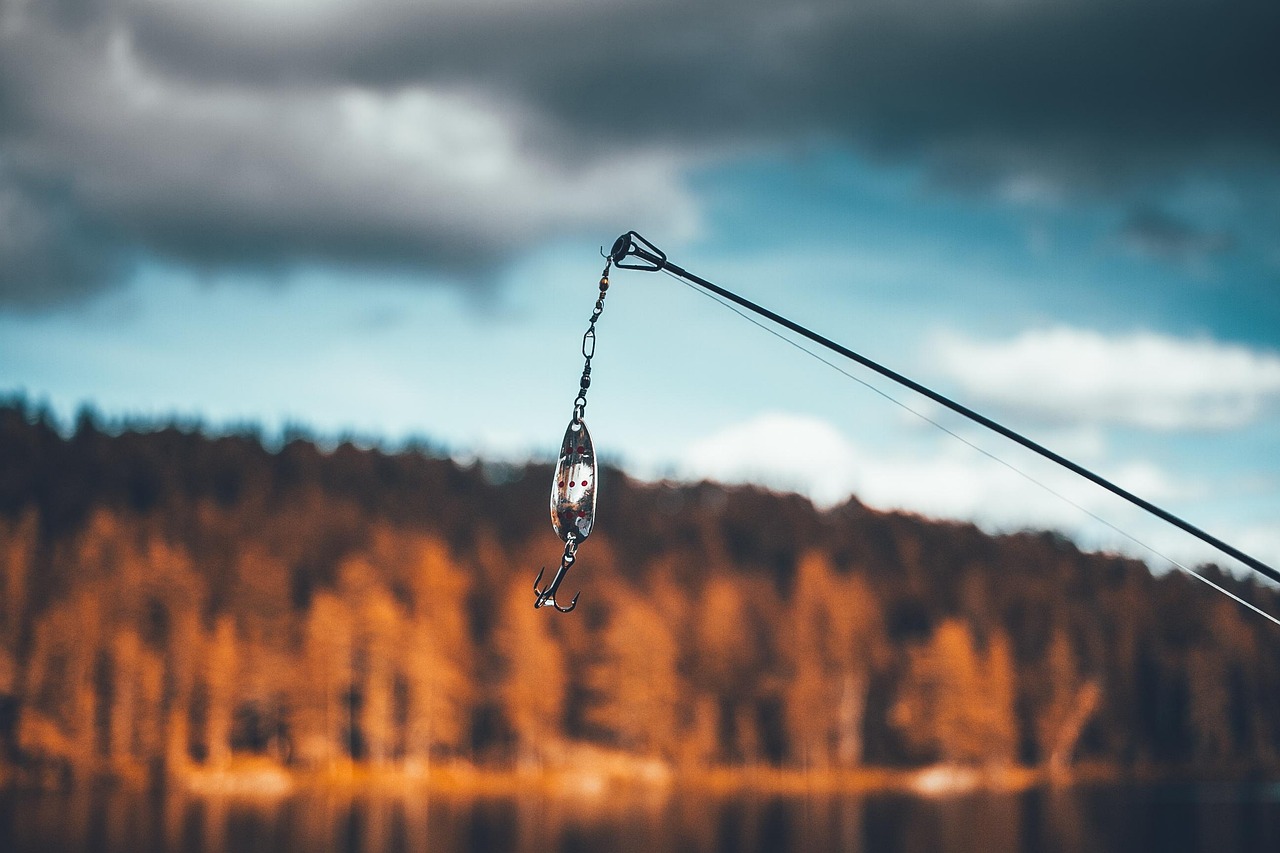
Spoons are lures that are shaped like a concave bowl and allow the bait to create flash in the water when a person retrieve the spoon. Because spoons are in the shape of a bowl, they create alot of movement in the water with the retrieval of the spoon. These types of lures are often used in deep water because spoons will sink quick.
However, spoons may get snagged on weeds or wood in the water. Thus spoons are best used in open water.
7. Jigs
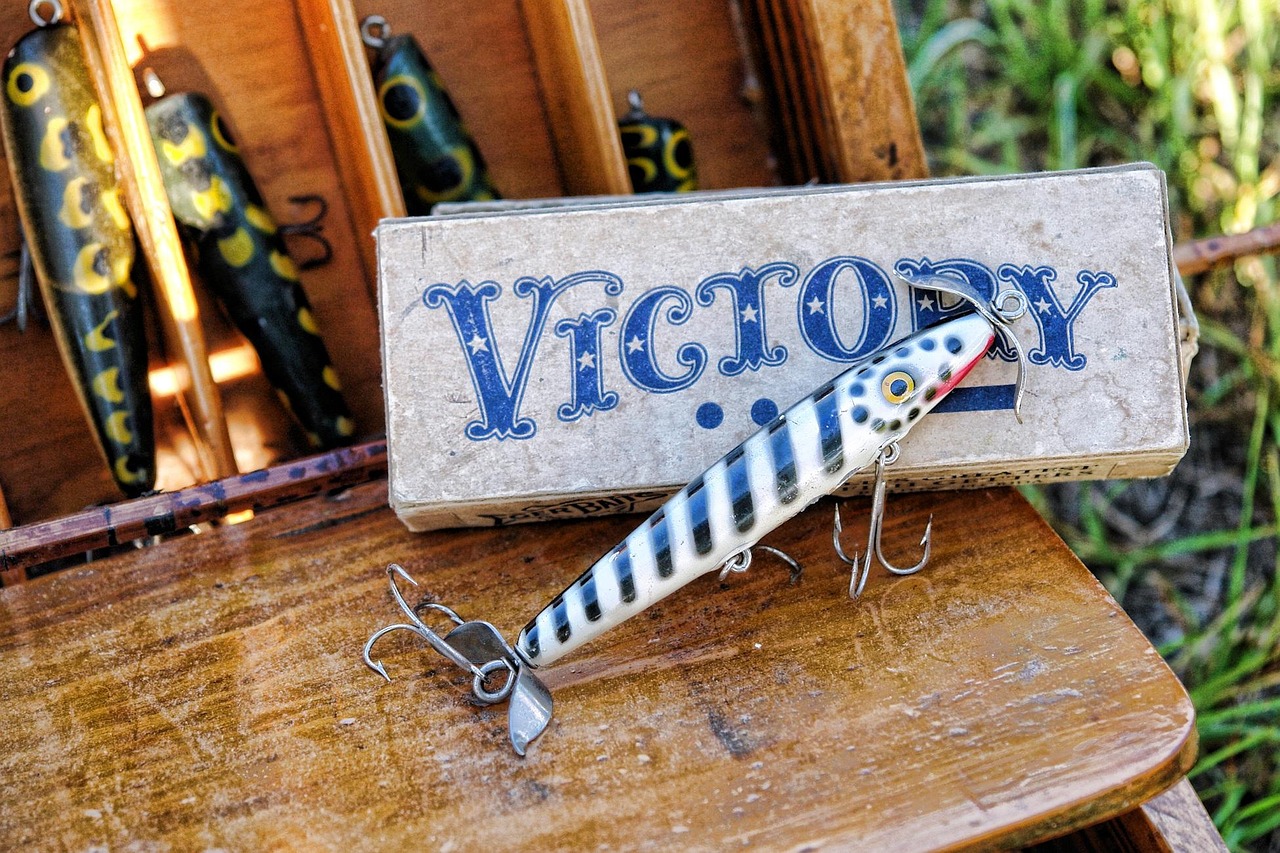
Jigs are a lure that has a heavy head and a trailer with a hook.
Depending upon the jig head, there are jigs that mimic baitfish, crawfish, and other prey. To use a jig, a person will slowly move the jig along the bottom of the water. By feeling the bottom of the water with the jig, a person can find areas in which the fish are located.
Thus, jigs are used in locations where the water is cold as the fish will feed cautiously in such water.
8. Swimbaits
Swimbaits are large bait lures that is used to catch large fish in the water. Swimbait lures can be made in multiple joint or as a single body piece.
Swimbait lures use a tail or a jointed body that creates movement in the water that mimic a swimming motion. These lures are large in size and appear realistic to prey on which they is fishing. Because of the size of these lures, heavy gear and lines is needed.
Thus, using swimbaits requires some significant investment of both time and money. However, swimbaits will allow a person to effectively target trophy-sized fish.
9. Fly Fishing
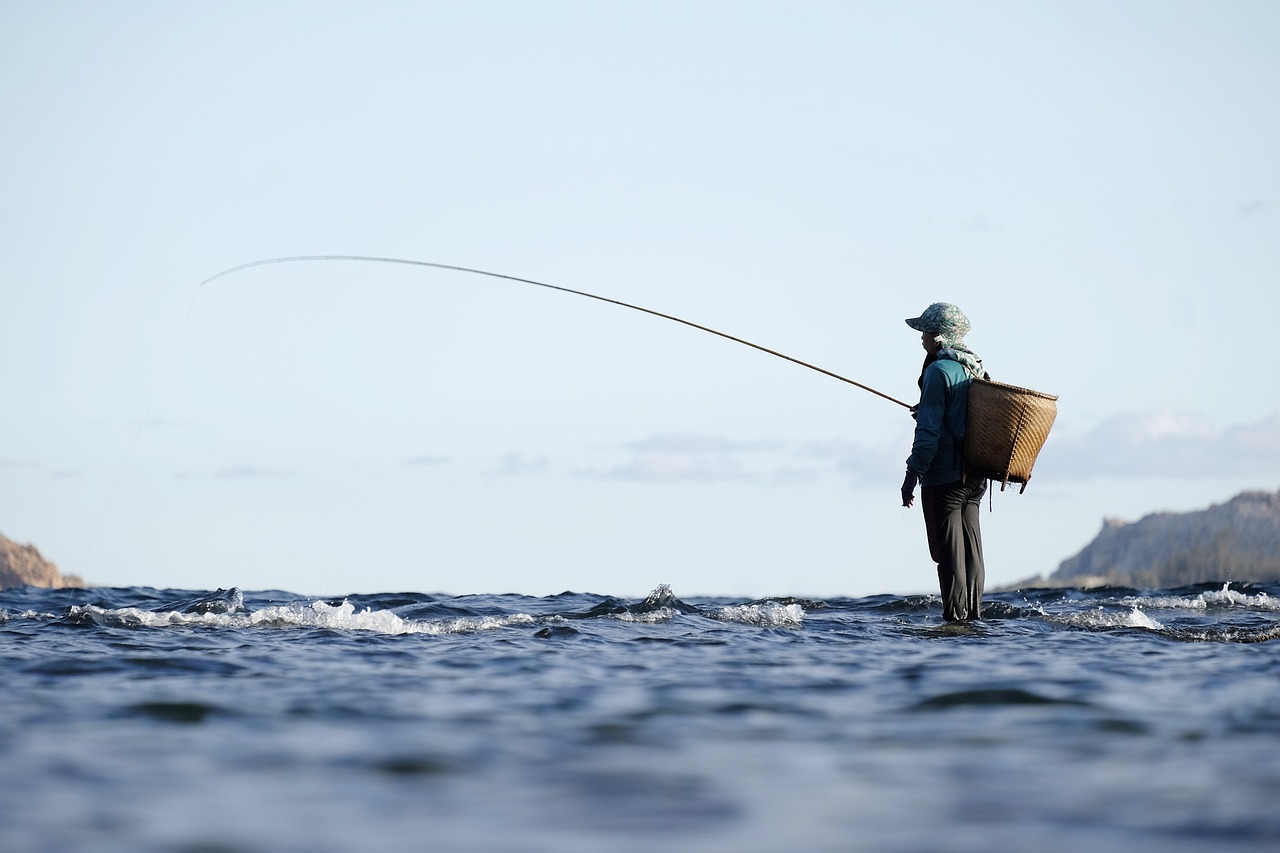
Fly fishing includes using flies that is small lures made with thread, feathers, and synthetic material.
Flies are used to mimic the bugs and baitfish that live in the water. Because the weight of the fly is so light, the person must use the weight of the fishing line to cast the fly. Success in fly fishing require an understanding of the bugs that is in the water and the ability of the angler to present the fly correctly to the fish.
Depending upon the condition of the water and the types of prey in that water, a person can choose the type of fishing lure that will best attract the fish. By observing the water and its inhabitants before setting out for the day to fish, a person can greatly increase the likelihood of catching some fish.