
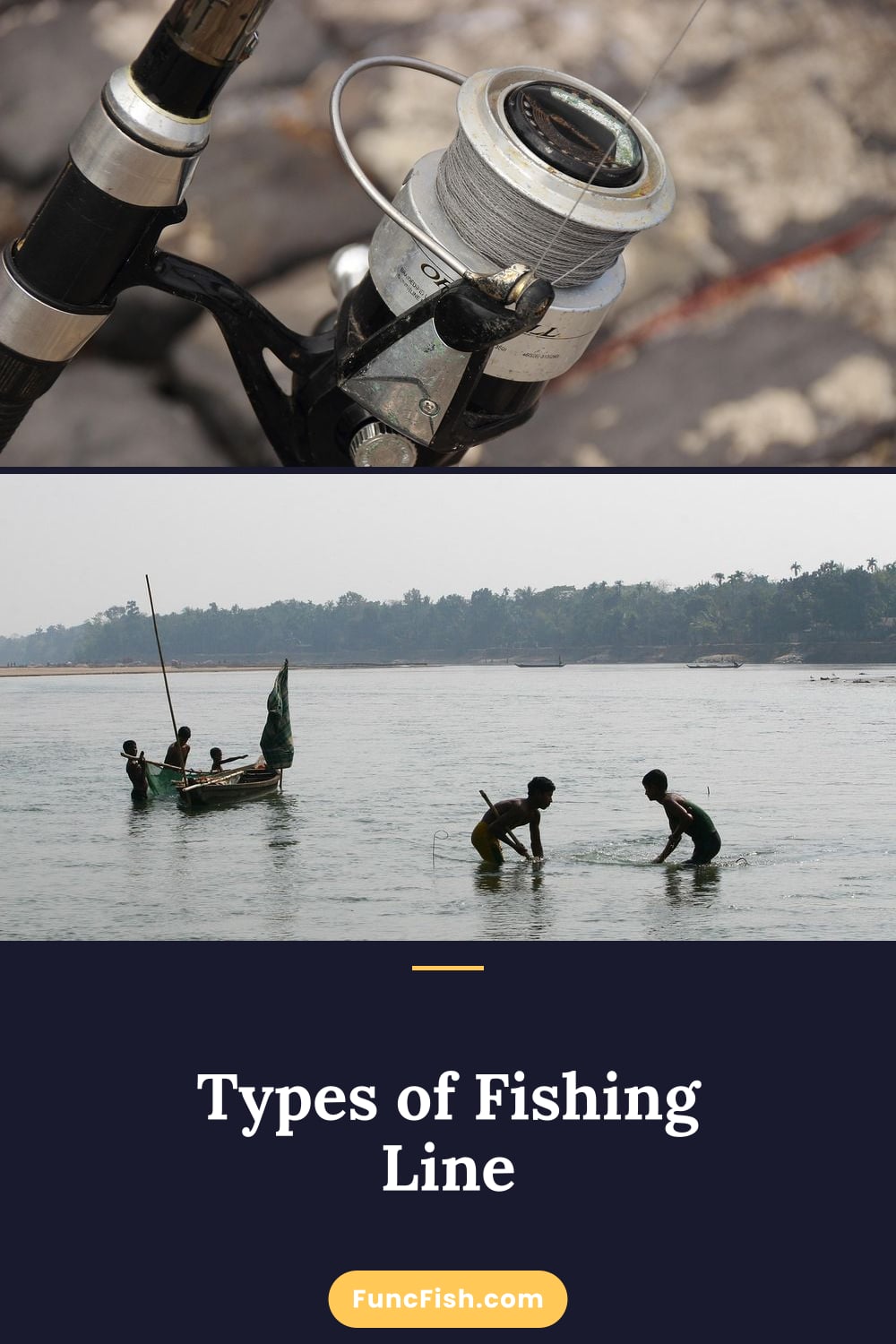
Fishing line is one of the more important components of fishing. It is a vital part of every cast, every fight between the fish and an angler, and every photo of the trophy fish that the angler takes. Picking the wrong fishing line can mean watching your best fishing lure get lost in the trees or watching your personal best fishing line snap at the worst possible moment.
However, if you find the right fishing line for the job, the fishing line will be nearly invisible as you reel in your catch. There are more varieties of fishing line on the market today than ever before. When you walk into any tackle shop, the selection for fishing line for the best angler is overwhelming.
Each variety of fishing line promise special features. Some lines are stronger, some are thinner, and others are more invisible than others. To make sense of the market for fishing line, it is helpful to understand the different varieties of fishing line so that you can find the best one suited to your fishing environment.
The major differences between varieties of fishing line have to do with the material the line is made of. Different materials stretches differently. Some lines will sink in the water while others will float.
Additionally, some varieties will cost significantly less money per yard than others. Below are the different varieties of fishing line, the features that define them, and the situations in which they are best used.
Different Varieties of Fishing Line to Use
1. Monofilament Fishing Line
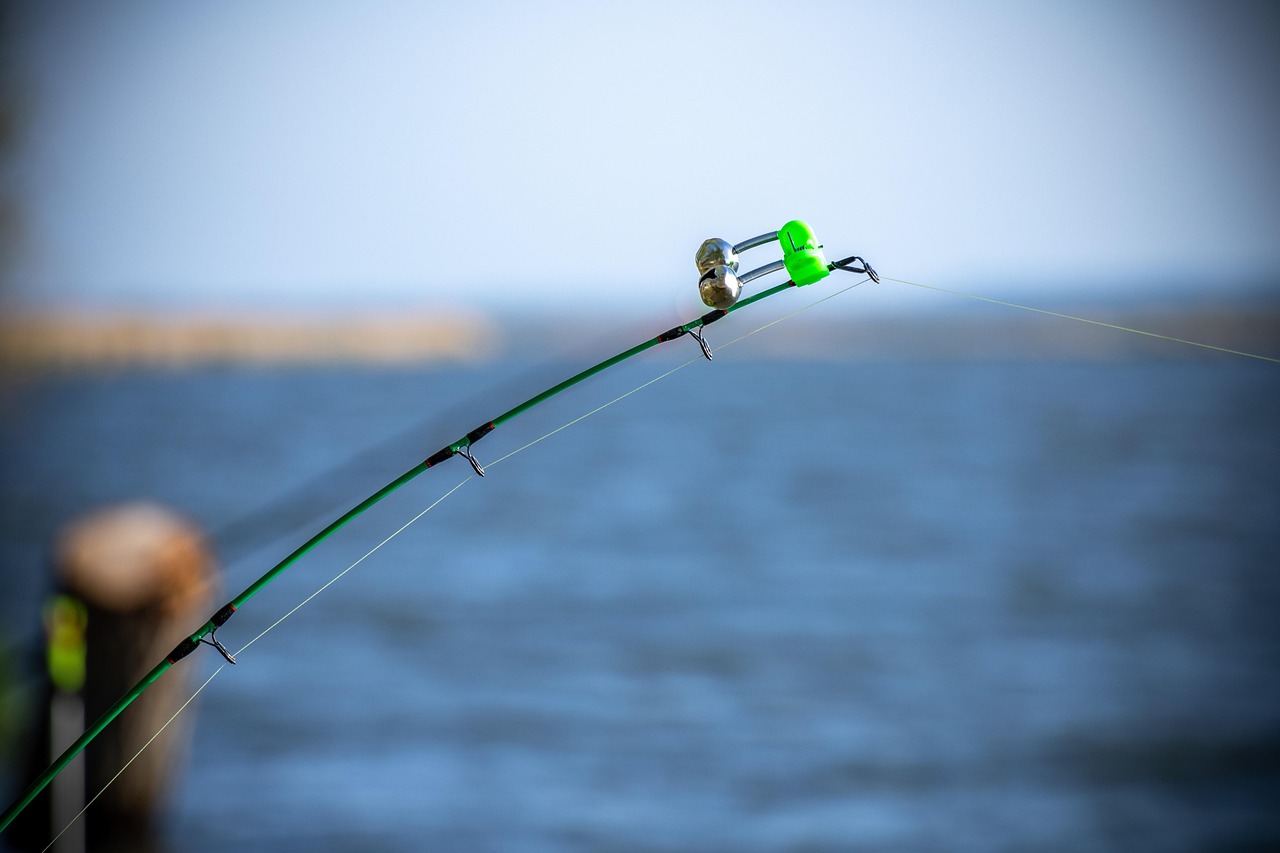
Monofilament fishing line feature a single strand of nylon.
It is manufactured in such a way that allows the fishing line to have different amount of stretch. This stretch can help absorb the shock of a fish taking the line and can offer some forgiveness for mistakes made by newer anglers who may not yet understand how to land there catch without too much tension on the line. Monofilament fishing line comes in every color imaginable and every price range.
The clear varieties of fishing line will dissapear in the water column. However, the high-visibility colors of fishing line allow anglers to track there fishing lure, even on long casts. The line also features easy-knotting properties.
However, the monofilament line can fray if dragged across too many rocks on the river’s edge. Monofilament line gets weaker over time due to the absorption of water. This weakens the line and causes the fishing line to coil on the fishing spool.
However, it remains one of the best varieties for freshwater fish, fishing from banks with children, or as a backup fishing line in the truck.
2. Fluorocarbon Line
Fluorocarbon line changed the game for anglers once it became available at affordable prices. Fluorocarbon line is made from polyvinylidene fluoride.
This material has a refractive index close to water. This allows the line to remain invisible to fish because the light does not reflect off the fluorocarbon line. Fluorocarbon line is also denser than nylon line so it will sink faster.
Fluorocarbon line will also allow anglers to feel any tick on the line from a fish. Additionally, fluorocarbon line resists the sun’s UV rays better and does not absorb water in the water column. However, fluorocarbon line is stiffer and more unforgiving for fish taking the line so many angler use fluorocarbon line as a short leader that attaches to the braided fishing line.
3. Braided Fishing Line
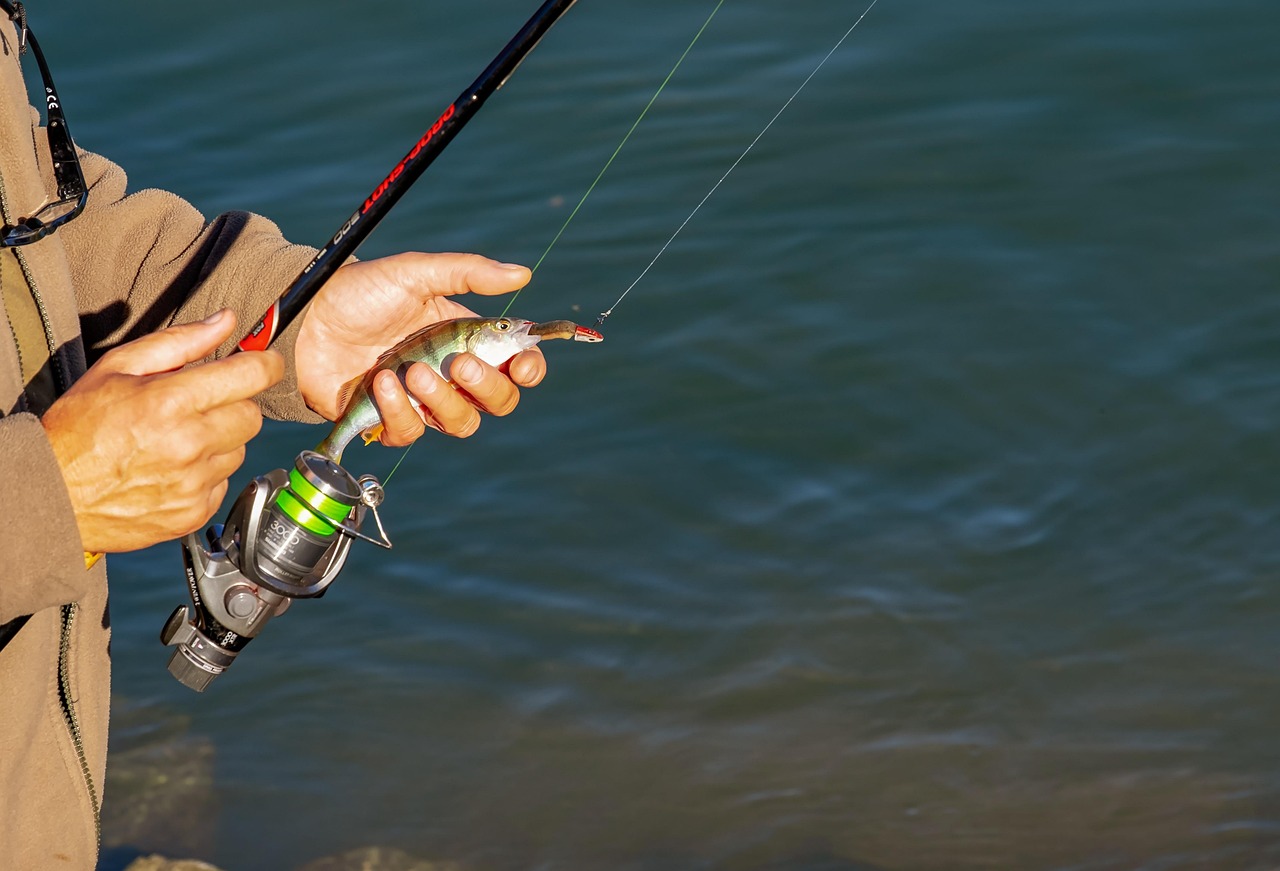
Braided fishing line is like a muscle car for fishing line. It is made up of eight strands of ultra-high-molecular-weight polyethylene fibers. This material is the same used for bulletproof vests.
Braided fishing lines are thin for their strength. They are also able to slice through the wind and weeds that monofilament lines will get caught in. Braided fishing line features zero stretch.
Every movement of the line take you to the angler’s hands. This allows the angler to drive the hook home with a flick of the wrist. Braided line also lasts years without losing memory of the line or getting damaged by sun exposure.
The biggest issue with braided fishing line is visibility. Bright colors glow in the water so anglers often use a fluorocarbon or monofilament leader to hide this. Once anglers learn the Palomar or uni-to-uni knots, the added step is made automatic.
Braided fishing line is used for heavy cover, flipping mats, or other task that need maximum strength from the line.
4. Fused Line Variety
Fused line variety falls somewhere in the middle between braided line and monofilament line. The manufacturer melts the fiber strands together to create a fishing line that is thinner and smoother than braided line and creates less friction on the angler’s rod.
Fused line variety is more affordable than braided line. Anglers will find it in walleye and salmon fisheries. It resists wind knots better and cast better on spinning gear.
It is not as abrasion resistant as braided line and will fray on mussel shells on the pond’s edge.
5. Wire Line
Wire line is a completely different variety of fishing line and used in specialized situations. Wire line features stainless steel or titanium strands that may be coated in plastic.
It offers nearly unbreakable strength when used to target toothy fish. King mackerel, pike, or muskie will slice through other fishing line types. Wire line also excels at deep trolling for lake trout or stripers.
Single strand wire will tangle, so anglers use seven-strand braided wire line varieties that better behave like fishing line. Coated varieties hide metallic flash in the water. It doesnt cast well on light fishing gear and is hard on the guides of fishing rods.
Therefore, it is only used when the teeth of the target fish demand it. Using wire line for other species is an unnecessary hassle for the angler.
6. Fly Line
Fly line is another variety of fishing line that looks nothing like the others.
Used to fish for weightless flies, the line is weighted to hold the rod’s load. A plastic coating surround the braided fishing line. The density of the fishing line will determine if the fly line will float or sink.
Using the appropriate line weight for your fishing rod is non-negotiable. Using the wrong line weight for the rod can break your fishing rod. Many trout anglers use the floating varieties of fishing line to present their dry flies without disturbing the water movement.
Sink-tip and full-sink lines let anglers target streamers and nymphs in deep pools or fast rivers. The learning curve for fly fishing is steeper than fishing with spinning gear. However, once anglers get the rhythm of their favorite fishing spot, they will understand why no other angler fishes in any other way.
7. Ice Fishing Line Variety
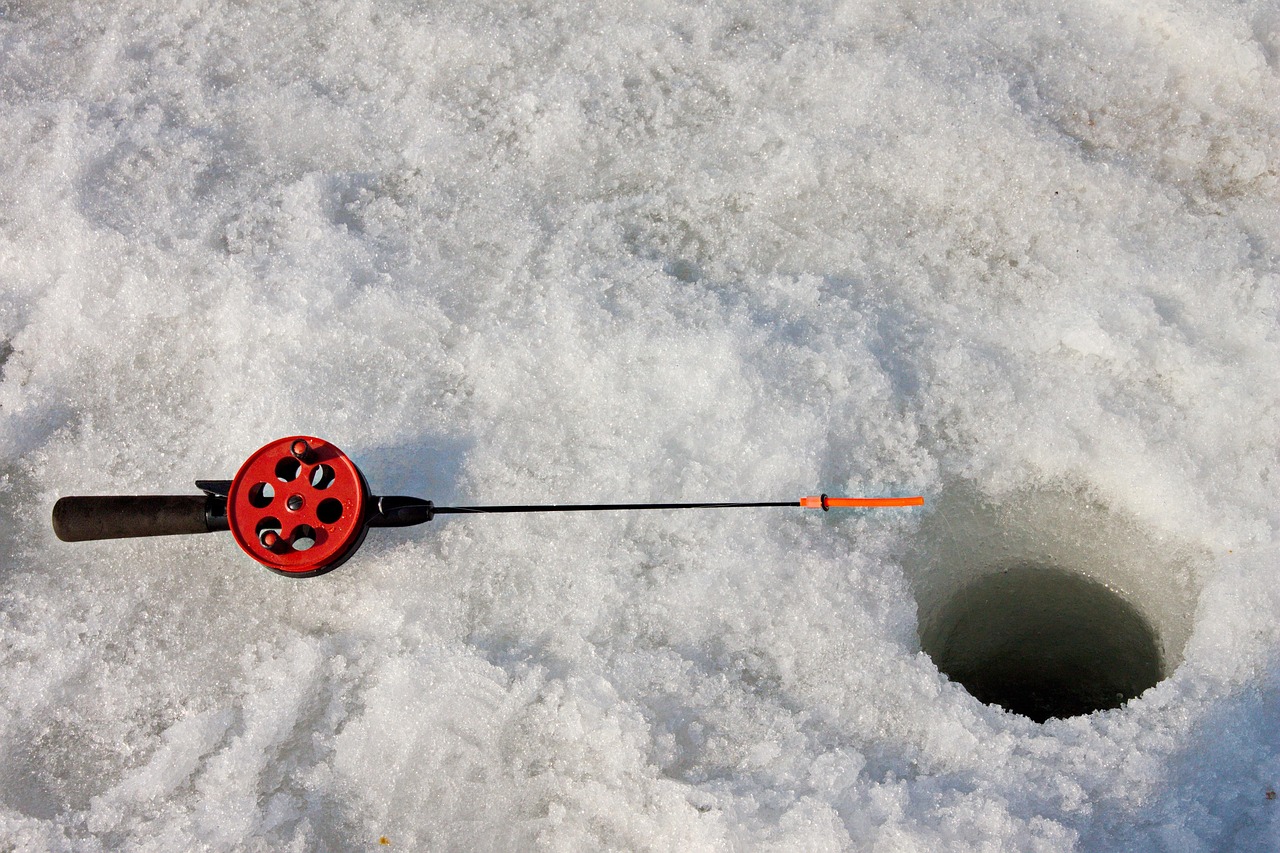
Ice fishing line variety is a subset of fishing line most angler who live in warm climates will not think of until they drill their first hole in the ice. The extreme cold requires the fishing line to be supple so it does not become brittle and stiff in the cold winter climate. These fishing lines use copolymers and other special coatings to remain flexible at twenty below zero on the thermometer.
These lines are thin and use two- or four-pound test lines for ice fishing. Anglers often find that winter fish are lethargic and do not want to chase the bait. Fluorocarbon lines are popular because they are nearly invisible in the ice water and do not easily get iced up by the cold water.
Tip-up braided lines work well for deep waters because the fishing line adds to the weight of the lure to get it down quickly without using sinkers. The key to success in the ice fishery is using the proper fishing line for your type of bait. For example, a tiny jigging lure will require a line that is delicate and will feel every movement in the water.
However, a deadbaits lure presented under a tip-up rig will use a heavier test fishing line. Ignoring these differences will result in anglers spending time picking ice from their fishing guides. There are dozens of varieties of fishing line because there are dozens of varieties of fishing sports.
From flipping mats with a heavy braided line to using fluorocarbon line for smallmouth in clear water to using wire line to target northern pike, fishing line varieties is essential to any angler’s toolbox. Knowing the features and benefits of each variety of fishing line will put anglers at ease when they are in the field. Next time you see a wall of fishing line varieties in the tackle shop, you will know exactly which line to put on your reel to catch the fish of your dreams.
When the fish you are after finally takes the line, the fishing line will be quiet, invisible, and doing exactly what it was meant to do.