
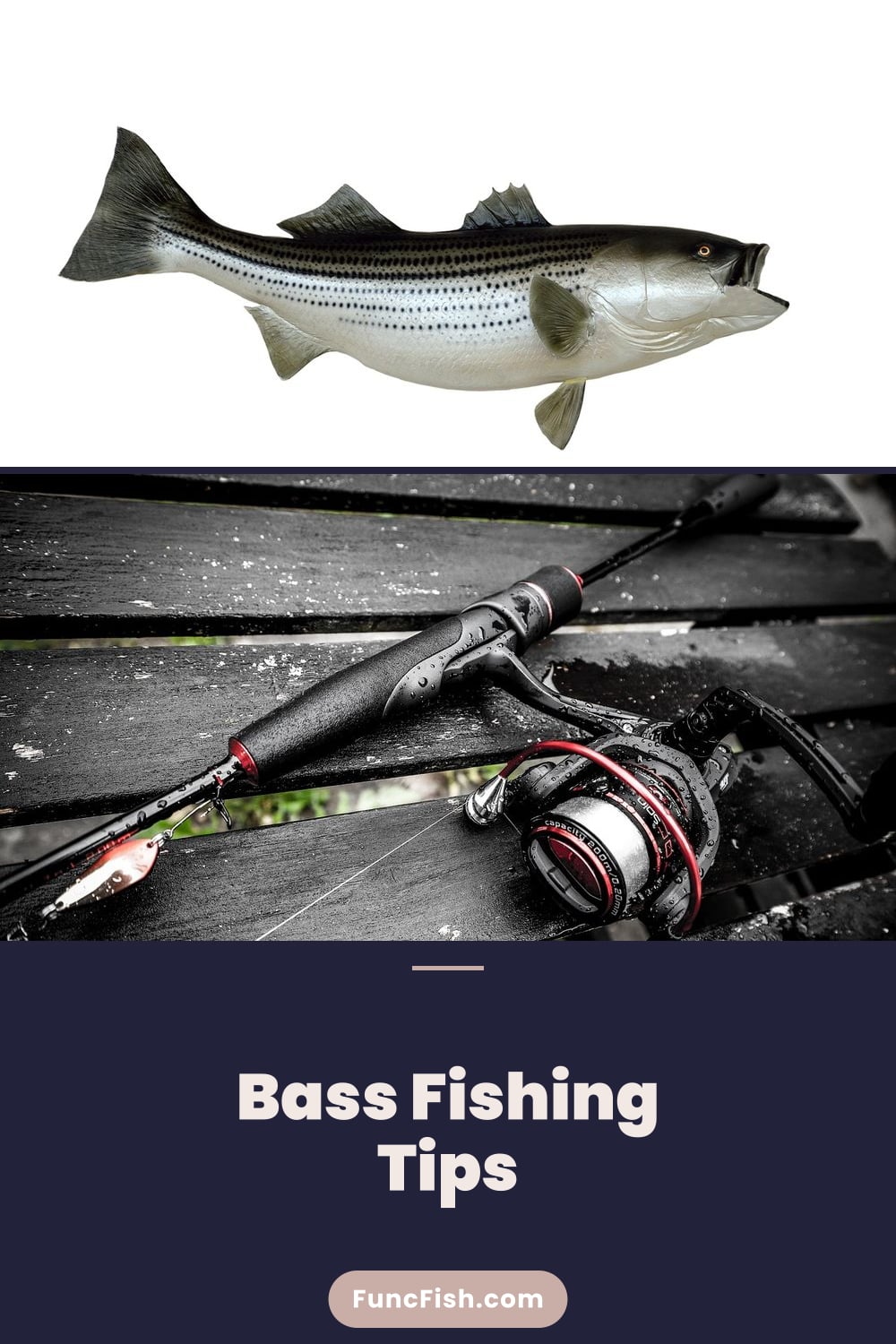
Bass fishing can become an addictive activity for a person. A person stands in the early light of the lake and watches as a boat drifts in a specific way into the water. Suddenly, the lake explodes with activity from the fish that a lure is baiting.
For that particular fisherman, at that moment, the world beyond the water disappears. For the fish on the end of the fishing line is a green gold fighter, the fish on the fishing line represent every single decision that the fisherman has made since the dawn of the day. Yet the difference between a fisherman with stories to tell and one with limits for bait is limited to a handful of habit.
If a person masters each of these habits, the water will begin to give up the secrets of its depths to that angler. What follows is not a list of gimmicks or secret lures to catch bass in the water. The information that follows a few simple principles and is informed by the thousands of hour that each of these techniques has been perfected on the water in a variety of locations.
Some of the information will be familiar to a person who fishes for bass, yet other information might make a person question the contents of there tackle box. Pay close attention to the information that follows because the fish will pay close attention to the small details. One of the first habits to master is to learn to read the calendar and the water temperature.
Essential Habits For Successful Bass Fishing
1. Learn to Read the Calendar and Water Temperature
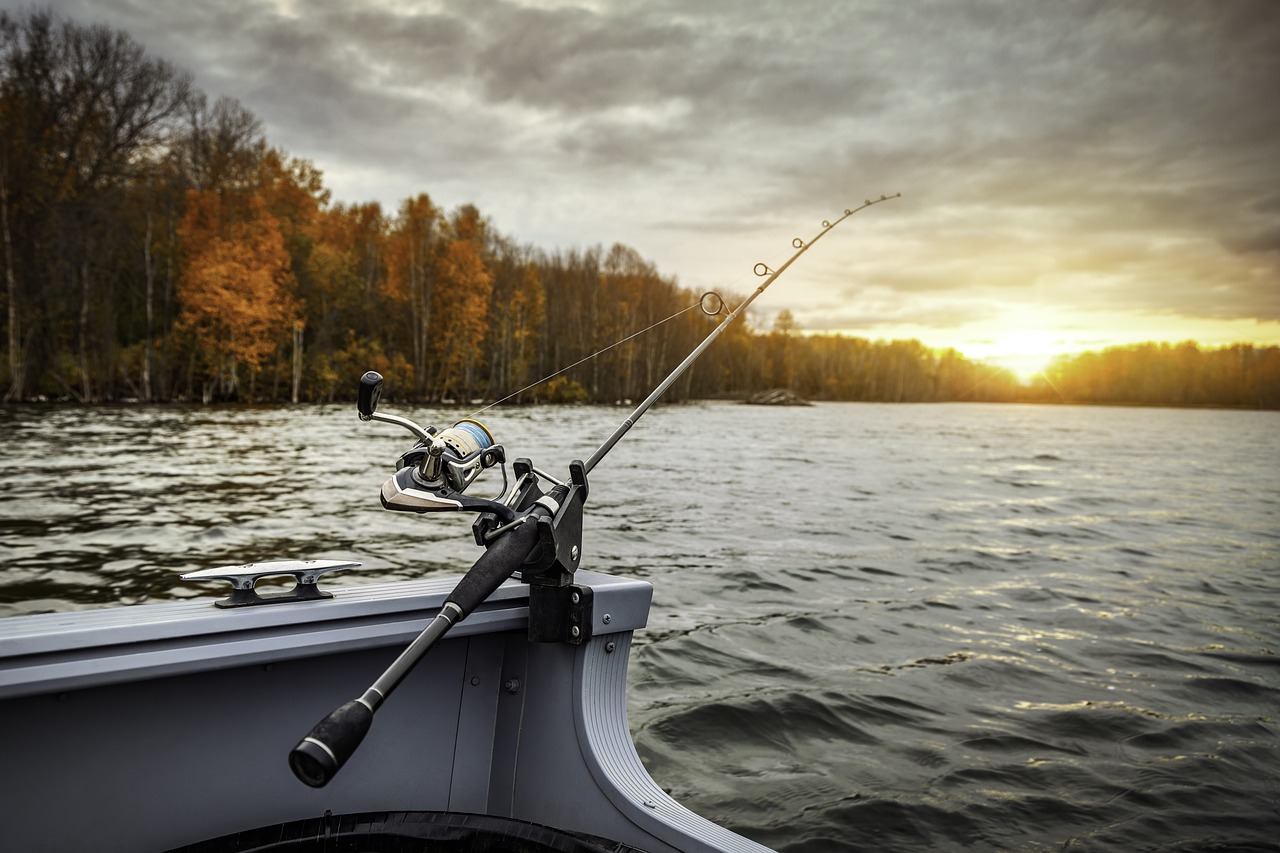
Bass are a species that are essentially cold-blooded animals. When the water temperature begins to climb into the forties in the spring, the bass move to the shallows of the lake to stand near the areas in which the female bass will spawn. During this time, lures that move slowly through the water or those that bang against the bottom of the lake will elicit strikes from the bass.
After the spawn of the bass is over in late spring, the bass begin to congregate on the grass lines in the lake. These grass lines can be fished with topwater plugs during periods of low light in the water. During the summer, the bass begin to seek shade from the sun, so the bass will seek deeper areas of the lake.
During these deeper areas, flipping a punch rig will pay the bills for the angler. In the fall, the bass begin to return to the shallows where they will form pack and chase the baitfish that live in those areas. By understanding this seasonal routine, a person will not waste time fishing the wrong areas with the wrong kinds of lures on any given day of the year.
This understanding represents the first filter that a serious bass fisherman applies to determine where they will fish before they ever enter the water. The second habit to master is learning how to choose the proper kind of lure to use at any given time. Many weekend anglers try to use every different kind of lure that is available to them.
2. Choose the Proper Lure for the Conditions
Yet these anglers dont consider the type of baitfish that live in the lake. For instance, if the lake is home to a population of shad, white or chrome spinnerbaits will attract the bass. If the lake is home to a population of bluegill, green pumpkin creature baits will attract the bass.
If the visibility in the water is good, the bass will be keyed into natural colors of the baitfish. If the water in which the bass are fishing is stained, bright colors of chartreuse or black and blue lures will be most successful in enticing the bass to bite. The point is not to own every type of bait that is manufactured for anglers to use when they go fishing for bass.
The point is for an angler to own the baits in each of these categories and to have baits that the angler feels comfortable fishing in certain conditions. Such an approach will allow an angler to catch more bass than if they had a full tackle box of baits that they did not understand how to fish. The third habit to master is understanding how to set the hook for the bass.
3. Master the Art of Setting the Hook
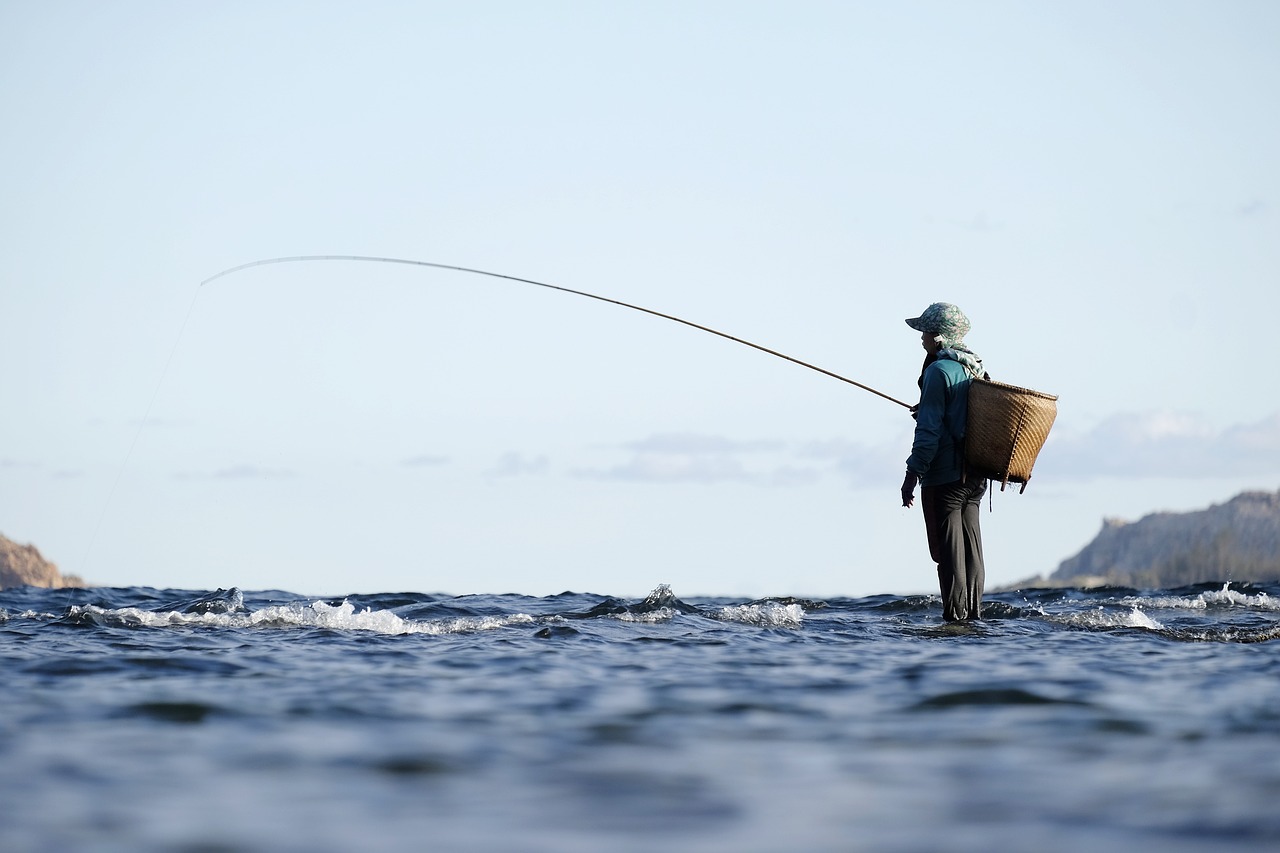
The bass have a tendency to inhale the bait from the fishing line and then spit the bait back out. The old saying about allowing time for the bass to take the bait for three seconds is a myth. When a person feels the initial thump as the bass takes the bait, they should perform a sweeping motion of the fishing rod rather than reeling in quickly and violently.
This will help to ensure that the hook fully embeds itself into the flesh of the bass. For lures that have treble hooks, such as crankbaits, a gentle sweeping motion will be more successful than a sharp, fast movement of the fishing rod. Any line with fluorocarbon or braid leader will enhance the ability of the fisherman to feel the initial bite of the bass.
Anglers who lose the most fish do so because they get overly excited at the initial feeling of the bass taking the bait and start reeling in too fast. By mastering the skill of taking a deep breath and remembering that the fish have been expecting the angler since the dawn of the day, a person will catch more fish. Boat positioning is perhaps the least glamorous of the fishing habits to master.
4. Optimize Boat Positioning

Yet it is one that can separate the professional fishermen from the amateurs who are learning the craft. Anglers should position their boat in a way that the cast of the fishing line will place the bait into the strike zone prior to the boat reaching that strike zone. For instance, if the strike zone is a dock, the angler should cast the line past the dock so that the bait can be brought back under the dock where the bass live.
The sun should be positioned at the angler’s back so that the shadow of the person does not glide across the strike zone prior to the fishing lure. Electric trolling motors with spot lock features allow the angler to hold the boat in place in the strike zone. Good boat control is not seen when it is mastered, yet it is painfully obvious when the angler does not master it.
Another habit to master is the line that is used when fishing for bass. Lines made from monofilament have the disadvantage of stretching and having more memory than other lines. Yet they are less visible in areas of the water with good visibility.
5. Select the Right Fishing Line
Fluorocarbon lines sink in the water and are nearly invisible to the bass, making it ideal for drop shot rigs and ned baits. Yet fluorocarbon lines are stiff and may develop knots in the wind. Braid lines offer incredible strength and sensitivity when flipping over deeper cover in the lake.
Yet it has no stretch so the angler has to use a leader or a soft-tipped fishing rod to avoid pulling the hooks out of the bass. Most skilled bass fishermen use a braid line with a fluorocarbon leader to gain the benefits of both lines. The choice of line should be matched to the fishing technique that will be used and the type of cover in which the angler intends to fish for bass.
The art of the pause is one of the biggest changes in fishing techniques that will improve the number of bass that a person catches. Bass will strike at the fall of the lure, or they will strike after the fishing lure stops moving. A jittery fishing rod movement will draw the interest of the bass, but a pause after a subtle hop of the lure can draw the interest of the curious fish.
6. Understand the Art of the Pause
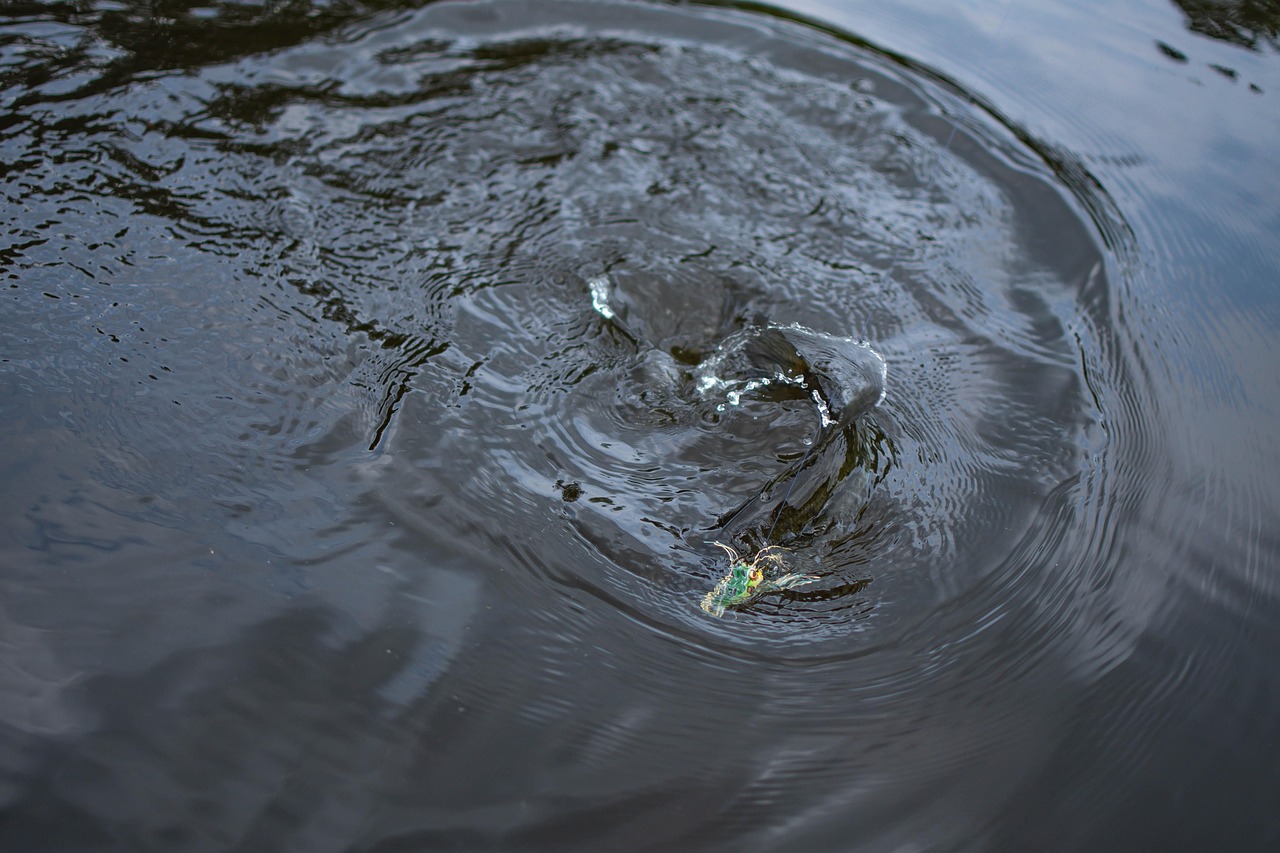
For baits like the Texas rigged worm or the football jig, the angler should allow the bait to hit the bottom before lifting the fishing rod and dropping it back into the lake. That pause is when the majority of the bass decide to take the bait. At first, it can be excruciatingly slow to allow the bait to fall and wait for the bass to take the bait.
Yet one will eventually notice that while others are successfully boat three bass in a row using fast retrieves of the fishing rod, the angler who understands the importance of the art of the pause is still struggling with retrieving the bait quickly. Another habit to master is the skill of being able to flip and pitch the fishing line into the water. This skill is used to target the bass that live in some of the most difficult areas to reach within a body of water.
7. Learn to Flip and Pitch
These areas can include thick mats of vegetation, flooded timber, or even the tight gaps between the docks where the bass live but do not see many lures from other anglers. A well-placed underhand pitch of a lure will land the bait in those spots without frightening the bass away. If a person practices this skill in their yard with a practice lure (plug), they will eventually be able to land the lure in a five-gallon bucket from twenty feet away.
This skill takes some of the most stout fishing rods and the strongest line, sacrificing some of the finesse in fishing for the brute force required to successfully deliver the bait into these locations. Finally, the habit to master is the importance of keeping a fishing log of the days fishing trips. Such a fishing log can be as simple as a few notes on a persons mobile phone.
8. Keep a Fishing Log

The log should include the date, the temperature of the water, the fishing weather, the kind of lures that were used, and the locations in which the bass were caught. Over time, a person will be able to recognize patterns in the water that will allow the angler to predict the movements of the bass. For instance, the person may recognize that every time the barometric pressure in the area drops, the bass will move to a specific creek arm in the lake where they will hammer at a certain type of crankbait.
The information in such a log will compound over time. A fisherman with three seasons of good fishing notes will outperform an angler with the newest gear but no history of success with fishing for bass. The fishing log transforms random fishing trips into data points that can be used to improve each future fishing trip.
Bass fishing requires the angler to think like a predator instead of the tourist. By mastering each of the habits described in this article, a person will have transformed their fishing trip from random efforts into a fishing trip with purpose and understanding of the behavior of the bass. Each time the angler feels the thump of the bass taking the bait, they should remember these habits.
One of the habits might be the reason that the fish decided to eat the lure instead of simply watching it. Get out on the water, stay curious about where the bass live, and allow the bass to do the rest of the teaching.