
Fishing jigs will catch more bass, more walleye, and more panfish than just about any other lure that is available on the market. Fishing jigs sink quick, fishing jigs hug the bottom structure where the fish live, and fishing jigs trigger strikes when other types of lures does not work for those anglers. However, even the most experienced anglers will find that they lose some of their fish, miss some strikes, and come home without any fish caught due to a jig setup that fight against them instead of working for them.
There are five common problems with jig setups that most anglers encounter, and this article will detail these five problem. None of the solutions to these problems require the purchase of expensive fishing gear. Furthermore, none of these solutions require the acquisition of some secret fishing techniques.
Instead, each solution requires a bit of attention to the way that the jig moves once it leave the tip of the angler’s fishing rod. This article will detail each of the five problems that anglors encounter when fishing with jigs, along with a solution to each problem that will allow anglers to improve their jig fishing successes. One of the most common problems with jigs is that the jig heads are often too light for the type of fishing conditions in which the anglor intends to fish.
Common Problems With Your Jig Setup
1. Improper Jig Head Weight
If the jig heads are too light for the fishing conditions, it is possible for the angler to cast the jig out, the line to go slack, and for the head of the jig to not make contact with the bottom where the fish live. Any fish that are holding to rocks or to areas with brush will not be able to see the jig as it drift by the angler’s boat. The solution to this problem is simple, but even the most experienced anglor often ignores it.
The angler should match the jig head to the depth of the water, the wind speed, and the current. For instance, a quarter ounce jig head might work for ten feet of water in calm conditions. Under the same conditions, a three-eighths or a half ounce jig head would be needed for twenty feet of water.
The extra weight is not for the angler to more effectively jerk the jig back and forth to catch the fish, but to allow the angler to feel when the fish take the bait. However, too much weight for the jig head can cause other problems. For instance, heavy jig heads will generally fall faster through the water, and they may spook the fish in clear water where visibility is high.
To avoid this problem, start with a light jig head for each fishing spot. The angler can always add more weight to the jig head if contact with the bottom is lost. With some experience fishing with jigs, the angler will have a feel for the correct weight of jig heads to use in different conditions.
2. Wrong Fishing Line Type
Another of the five common problems with jig setups is that the line is either too stretchy or of the wrong type altogether. Monofilament lines are known to stretch, and the more water that is deeper the more that the line will stretch. As a result, if a fish pick up the jig and swims away with it, the angler will not feel it until the line stretches and becomes tight.
By this time, though, the fish will have spit the hook. Braided lines do not have the same stretch as monofilament lines. However, many anglers avoid braided lines due to the belief that they will spook the fish or due to the belief that they will cut the angler’s hands.
Instead, the best solution is to use braided line and a two-foot or three-foot fluorocarbon line attached to it. This will allow the angler to feel the composition of the bottom that they are fishing in, as well as allow the angler to feel the lightest mouthing of the fish before they know that they have a fish on the line. Another problem with jigging is with the quality and sharpness of the hooks.
3. Dull or Poor Quality Hooks
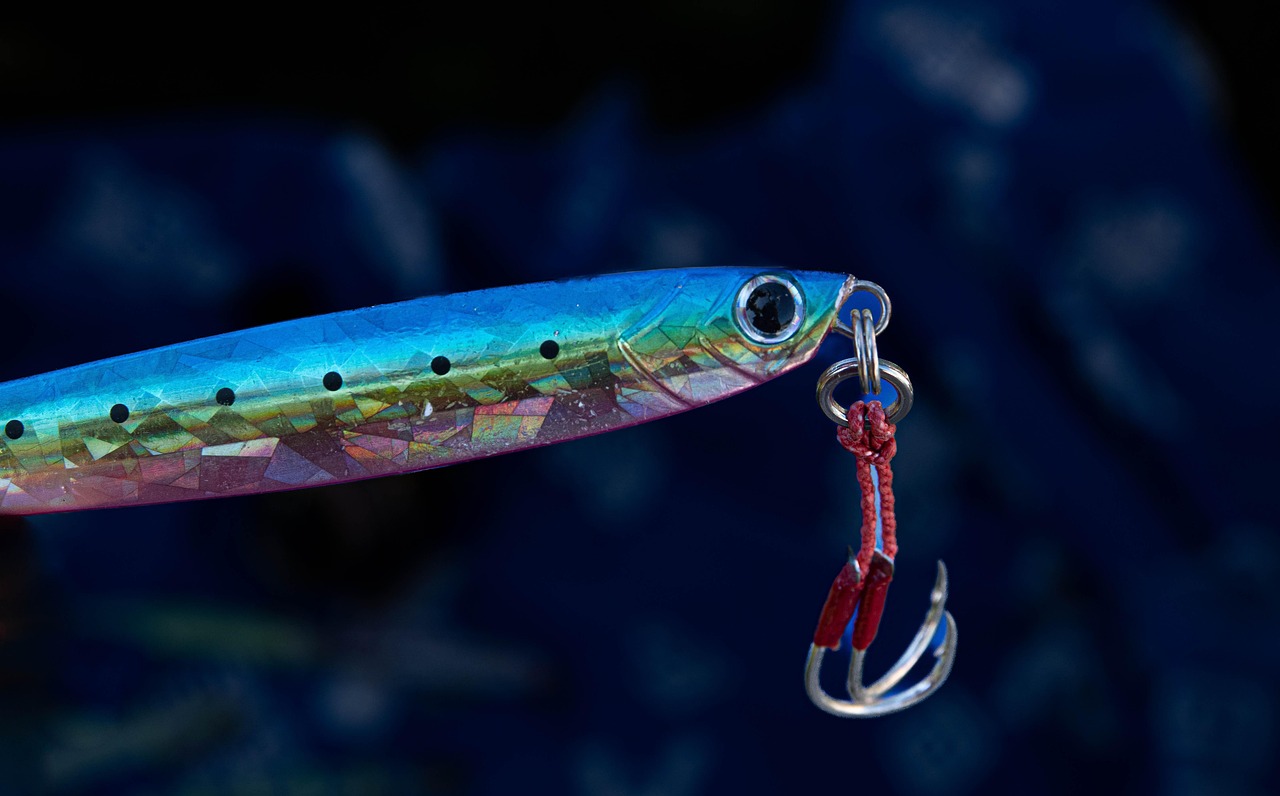
While jig heads might have very sharp points when they are first purchased, the repeated contact with rocks or logs can cause the point of the hook to roll over or to pick up small burrs that prevent the hook from properly penetrating the flesh of a fish. If the angler feels the effort of the hook against the fish, the angler may feel resistance when the hook does not penetrate the flesh. This is one reason that the angler must check the point of the hook before each fishing trip.
If the angler runs the point of the hook across the thumbnail and it moves easily across the thumbnail without digging in, then the hook needs to be touched up. Some fishermen use a file to touch up the hook point between fish, while others will simply purchase a new jig with a fresh hook. Both approaches will work for the angler, but the angler must refuse to fish with a jig whose hook point is dull.
This small problem will pay off in terms of success when fishing for any species of fish. One other problem with jigging is the trailer that is attached to the jig head. The trailer will provide movement, profile, and scent that can attract the attention of the fish.
4. Incorrect Trailer Size and Style
If the trailer is too bulky, though, the jig will not sink as quickly as the angler desires. Additionally, if the trailer is too small in comparison to the size of the jig head, the jig will appear unnatural to the fish. If the trailer is a craw trailer, for instance, it will make sounds as the jig heads move along the bottom like a fleeing crayfish.
If the trailer has paddle tails, it will vibrate with the movement of the jig head. The angler can choose the type of trailer that is used according to the type of forage that is present in the fishing spot, as well as according to the mood of the fish. For instance, if the water is especially cold and the fish are slow, a trailer that is subtle in its movement will get the most bites.
If the water is warmer, though, or if the fish are known to be aggressive in their eating habits, a trailer with more movement will be of more benefit to the angler. Each angler should have a few types of trailers on their fishing rod, and should experiment with each type during each fishing trip to determine which type of trailer will be the most effective for the specific conditions that the angler will encounter. Another problem that can occur when using jigs is the failure of the knots on the fishing line.
5. Knot Failures
Knot failures are invisible to the angler until they cost that angler a fish. The most common knot used by anglers is the clinch knot. However, the clinch knot may be problematic due to the possibility that the knot may slide down the jig under repeated motion.
Using a Palomar knot or a loop knot will allow the jig to move in relation to the line, but will still maintain the strength of the attachment of the line to the jig. Furthermore, both of these types of knots will allow the jig to naturally fall into the water without falling cocked to one side. Each angler should take the extra ten seconds to tie the correct type of knot to the line.
Additionally, the angler should inspect the knot after catching a few fish, and retie it at the first sign of fraying in the line. While this might seem like busywork for the angler, tying knots is important to jig fishing until the day when the angler lands their personal best fish. Incorrect selection of fishing rods to use with the jigs is another of the five common problems that anglors experience when using jigs.
6. Incorrect Rod and Reel Selection
The jig will be heavy, so the rod should have some backbone to move that heavy weight. Additionally, the rod should have a fast tip so that the angler can feel every bite of the jig, as well as have extra power in the butt section of the rod for poping the jig off of the bottom without moving the jig too much, and for being able to load the rod when the fish takes the jig. The angler should pair the jig rod with a quality fishing reel that has a smooth drag system.
This is essential for jig fishing with light lines because it will avoid the frustration of the hook breaking or the line snapping when the angler lands a big fish. By using the proper rod and the proper reel, jig fishing will be a pleasure from the moment the bait hits the water to the moment the angler swings the next fish into the boat. These five problems will cover the majority of the difficulties that anglors might experience with fishing jigs.
By mastering these five problems, anglors will save themselves the time and frustration of fixing the problems. The next time that you go to fish for fish with jigs, take a moment to check your hook points, your line type, and the jig head weight to the conditions in which you will be fishing. These small changes will allow you to go from catching a few fish to catching a large number, and to transform from an angler that limits out of fishing spots to one that goes home smiling with a big catch.
The water is waiting for you, so get your jigs working for you!