
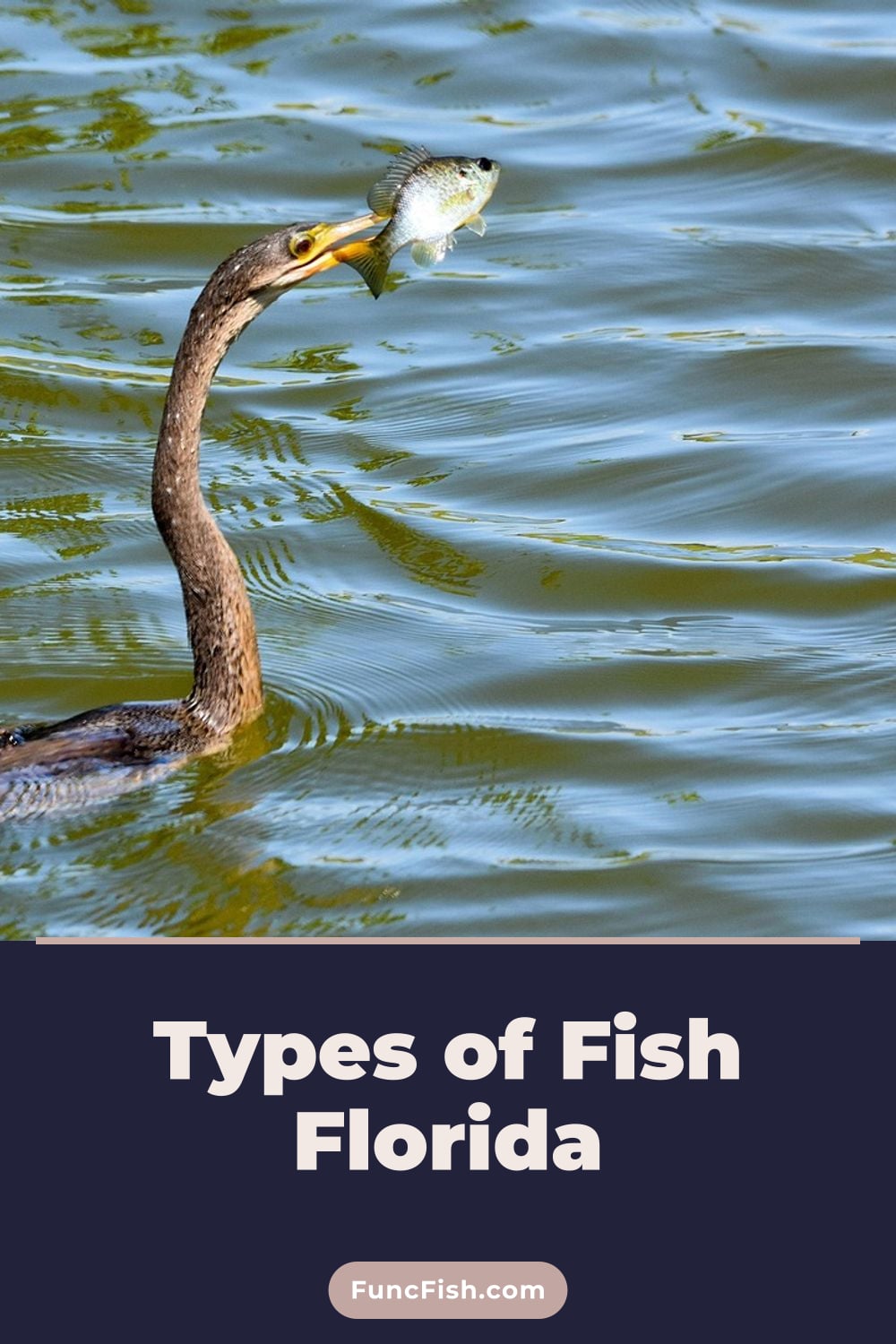
The waters of Florida are a paradise for a fisherman. The state features many different environments in its waters. These environments include areas that feature grass flats, like the Everglades, as well as deep waters like the Gulf Stream.
Due to the diversity of environments in the state of Florida, there are more than a few different fish species that call the state home. Some of these fish species are more exciting to catch than others. Some of these fish species has great flavor when cooked.
Other fish in Florida have unusual features that make them appear like they came from a science fiction movie. Knowing these different species is essential to knowing how to catch them and what type of fishing gear to bring along to the waters of Florida. There are a variety of factors that contribute to the diversity of fish that live in the state of Florida.
Some of these factors include the temperate and tropical climates that meet in the state, the presence of mangrove forests along the shoreline, the coral reefs that line some of the coastlines of Florida, and the number of river system that run through the heart of the state. Due to this diversity of ecosystems, anglers in Florida can fish in a variety of locations. For instance, one day they might fish in shallow waters for species like redfish.
The next day, they might venture beneath the surface to target fish with unusual feature. In any case, the list of the ten most important fish species in Florida includes information regarding each of these species for anglers who would like to know more about them.
The Most Important Fish Species in Florida
1. Redfish
Redfish are one of the most popular species of fish that live in the waters of Florida. These fish range from copper to red in color. They call a variety of different habitats home from Pensacola to the Florida Keys. These fish are known to take pleasure in eating in waters that have very little depth.
Some anglers find it to be an entertaining sight to see redfish dig in the grass while the redfish tail wave above the water. Anglers can catch these fish using shrimp or crab bait, as the redfish will create a slurp noise when they eat. Most redfish weigh between five and fifteen pounds though thirty-pound fish have been seen in places like Mosquito Lagoon.
When you catch a redfish, avoid letting the fish enter the oyster bars or the mangrove forests, as the redfish will wrap your line around itself and snap it. Due to its flavor, redfish is an excellent source of protein when the redfish isnt too oversized. The white fillets contain flavor that is best caught when blackened or grilled. For these reasons, many lists of the best fish species in Florida feature redfish.
2. Snook
Snook are another of the most popular species of fish to keep in Florida’s waters. These fish are silver in color and are the size of a linebacker. These fish have a massive lower jaw and a distinct black lateral line along their side. These species is known to seek out structures in the water. If an angler places a lure into the water near a dock or a mangrove root, snook will tend to attack the lure.
Snook will try to saw at the fishing leader if they are successful in hooking a snook. Snook are most abundant in the summer along the keys but can be found in deep canals during the winter months. Due to their fragile nature, snook should be handled carefully. If they are not handled carefully, especially in the winter months, these fish may die. Despite their fragile nature, many anglers enjoy snook because of the way that they jump out of the water.
3. Tarpon
Tarpon are the most popular heavyweight fish species in Florida. Also referred to as silver kings, tarpon are giant fish species that are known for eating almost anything and reaching weights of over 200 pounds. When hooked with the proper gear, an angler can fight a tarpon for over an hour before the fish begins to tire. The catch and release regulations for tarpon are some of the most popular fishing regulations in the state.
The fish will often jump over the water in arcs that are impressive to even the most seasoned anglers. The best times to spot tarpon are during the spring or the summer months along the Lower Keys and near the passes near Homosassa. Some of the best methods of catching these fish include sight fishing with a fly rod or live bait. Despite the flavor of the fish, many anglers will pursue the challenge of catching a tarpon. The fight between an angler and a tarpon can leave lesser tackle gear damaged due to the strength of the fish.
4. Bonefish
Bonefish, while difficult to spot on the flats in Florida, are an addicting fish to pursue once spotted. These fish are pale in color and have a bullet-shaped body. They live in the Florida Keys and cruise the marly bottoms of these areas in schools of fish. The eyes of the fish are positioned high on the head of the bonefish to spot threats from afar so that anglers must be stealthy when fishing for them.
If an angler ventures out of the proper spot, the whole school of bonefish may scatter. If a bonefish spots a shrimp fly lure, the fish will be extremely excited and the reel will scream. Most bonefish weigh between three and six pounds. If a fish weighs over ten pounds, it may be considered a trophy fish for fishing publications. Despite their flavor when cooked, anglers pursue the experience of fishing for bonefish.
5. Gag Grouper
Gag grouper species come in several varieties throughout Florida waters but the most popular is the gag grouper. These fish are football-shaped in size and have a variety of camouflage colors on their bodies. Gag grouper live in rocky areas, reefs, and hard bottoms throughout the state. If an angler targets live pinfish or live jigs near reefs, the gag grouper will often attack the bait.
The fight between an angler and a gag grouper usually occurs in a straight line as the fish fights to reach its home on a rocky ledge. This fight can be challenging as the gag grouper will saw at the fishing line with its sharp teeth. The flesh of the gag grouper is one of the best tasting fish in Florida with flaky white flesh that makes great sandwiches or chowders. The best time of year to spot gag grouper is during the spring and fall but specific rules must be followed. If not followed, catch and release only is allowed.
6. Mahi Mahi
Mahi-mahi, also referred to as dolphin fish or mahi, are some of the most colorful fish species in Florida. These species exhibit iridescent colors on their bodies and have blunt heads and long dorsal fins. When excited, mahi-mahi display colors like electric blue, green and yellow. These fish live in areas with debris, weeds and turtles. If an angler finds a group of mahi-mahi, they will exhibit nonstop activity and interest in the bait. Mahi-mahi species will jump out of the water and take several leaps in excitement. Most mahi-mahi species in the waters of Florida weigh between ten and thirty pounds but larger bull species reach over fifty pounds.
When cooked, the fish is mild and moist and can be prepared as fish tacos or grilled with lime and cilantro. The reproduction cycles and life spans of mahi-mahi are some of the shortest in the state so they can handle fishing better than other species.
7. King Mackerel
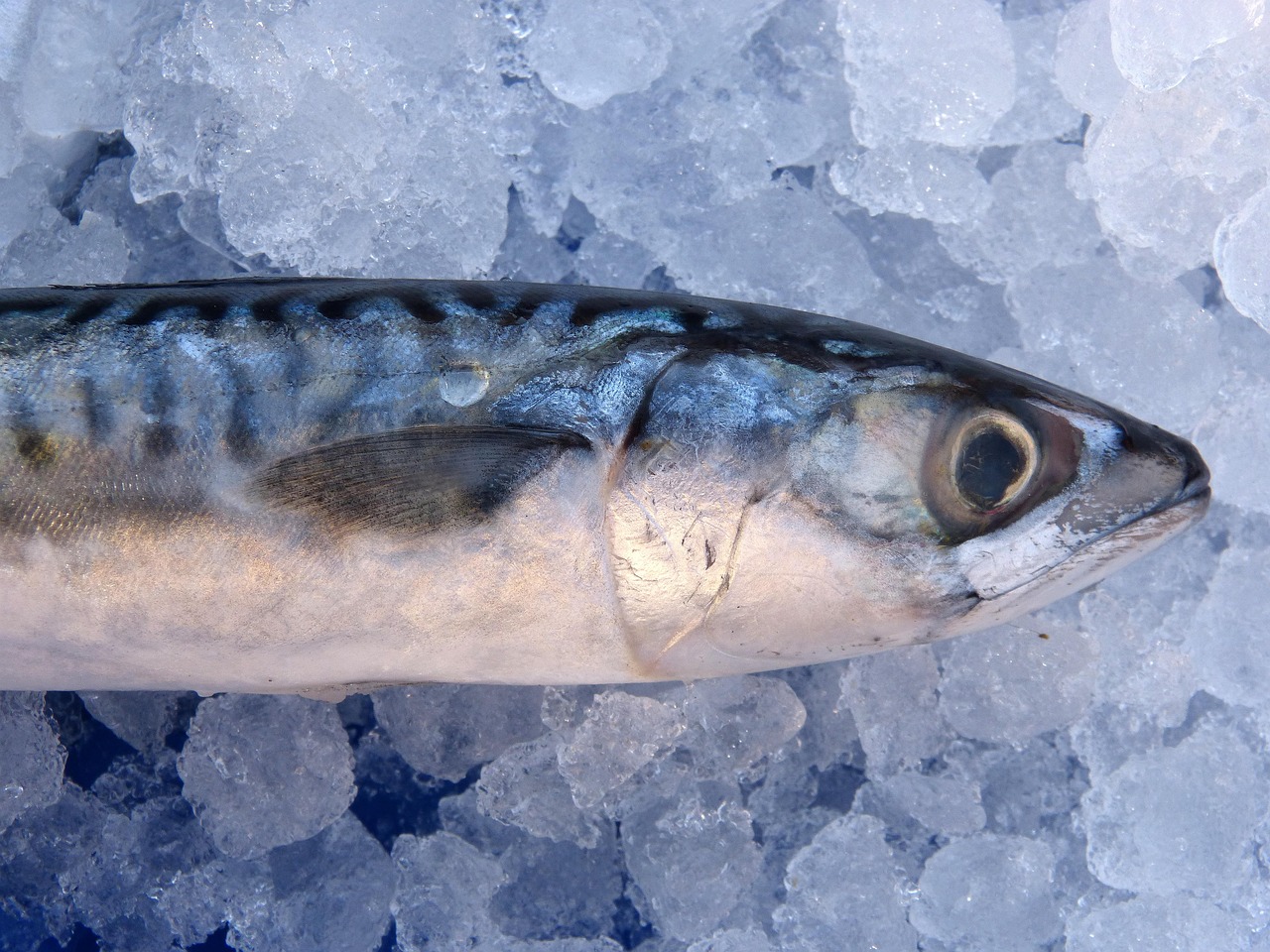
King mackerel, also referred to as kings, live in Florida’s nearshore waters. The king mackerel species have a torpedo-shaped body and razor teeth. These fish are the fastest species in Florida’s waters. These species live in schools and gather during the spring and fall in areas where baitfish live. Some of the best ways to catch them are using live bait or spoons on planers or metal jigs that target fish breaking the surface. The fight between an angler and a king mackerel is blistering and fast. Most anglers will empty their reel trying to keep up with their speed. These fish must be handled carefully because their razor teeth will damage an angler’s skin. The flavor of king mackerel when prepared as fillets is one of the best in the state but the largest king mackerel contain high amounts of mercury so they should be avoided.
8. Red Snapper
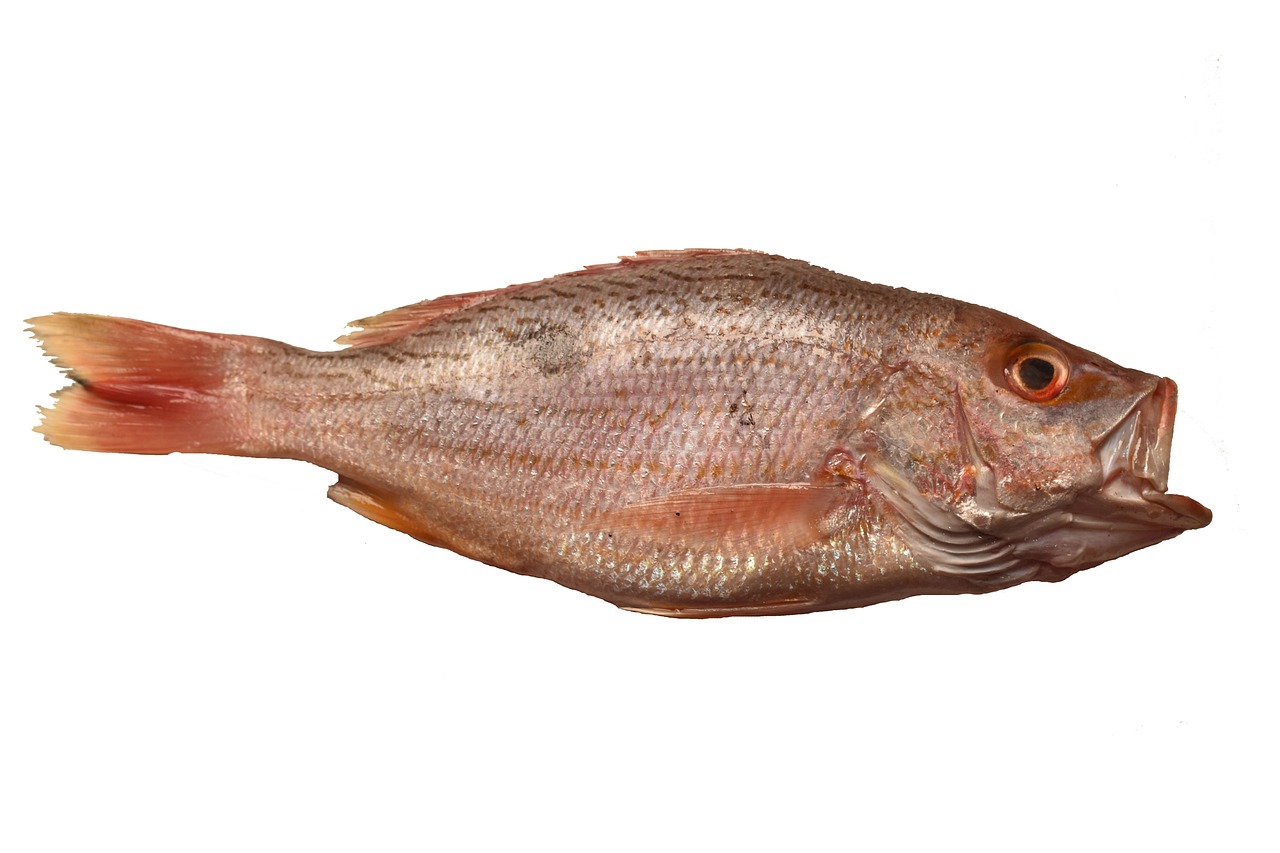
Red snapper, the most popular species of fish to pursue along the coast of Florida, grow to be deep bodied with bright red skin and big golden eyes. These fish live in schools at depths between sixty and two hundred feet. Despite the limited season in which they can be caught and the bag limit, anglers from all over the country pursue these species along the coast. They can be caught by dropping bait like squid or minnows into the water. These fish do not jump or leap out of the water but a twenty-pound red snapper can be a challenge for even seasoned anglers. The flavor of red snapper is one of the best in the state and they freeze well. Most recipes will use red snapper in the preparation of seafood dishes. Once depleted in decades past, the red snapper population has recovered. However, the seasons for red snapper are still regulated so that angling resources can be followed for the next generation of anglers.
9. Swordfish
Swordfish represent the ultimate challenge for deep-water fishing. These fish have broad bills and are known as gladiators who hunt in the dark depths of the ocean during the daytime. Swordfish can be caught at depths of over 1,500 feet. Florida has become one of the best spots in the world to engage in swordfishing during the daytime. Using electric reels, fishermen can send heavy weighted baits to the deep parts of the water where swordfish live. Once the bait is released, fishermen must wait for the subtle tick in the water that indicates that a swordfish has picked up on the bait. Swordfish battles can last for many hours and often involve multiple trips to the surface to showcase their swords and tails. To go swordfishing requires preparation, the proper crew, and paying attention to the weather and water currents. Swordfish can weigh over 300 pounds. The fish is known for producing dense steaks that are similar to tuna. Swordfishing is not a pursuit for beginners yet few experiences in fishing are as satisfying as reeling in a swordfish at sunrise after a battle with the fish all night long.
10. Sheepshead
Finally, one of the fish species that can be caught in Florida is the sheepshead. This fish is known to steal bait from the rocks and docks in shallow waters. Sheepshead fish are black and white strip fish that look similar to freshwater bream fish but much larger. The teeth on sheepshead fish are similar to humans and allow these fish to eat barnacles and crabs. Sheepshead can be caught throughout the year but are especially active in late winter when they are spawning. The tips for catching sheepshead fish is to use dainty rigs with tiny portions of shrimp or fiddler crabs since sheepshead tend to eat bait without getting hooked. The fight with sheepshead is strong for their size. Most sheepshead weigh between 1 and 5 pounds though 10-pound sheepshead can be caught. The meat of the sheepshead is sweet and flaky similar to snapper fish. Sheepshead may not be caught by every angler because they lack the glamour of other species like tarpon or snook yet they are among the most catchable species for families and those interested in fishing with light tackle gear.
The fish portfolio that Florida offers anglers is very rich. On some days, fishermen have the opportunity to catch four or five different types of species before lunchtime. The key is to fish for the fish in front of you instead of trying to use one fishing technique for all fish species. Paying attention to the tides, the water temperature, and the bottom of the water is essential when fishing. Anglers should also learn the different fishing seasons for each type of species that live in the state and show respect for the fish so that others including your children can also enjoy fishing in Florida. The fish will always be there waiting for you when you encounter them. All that is required is that you are ready to meet them when they show up.