
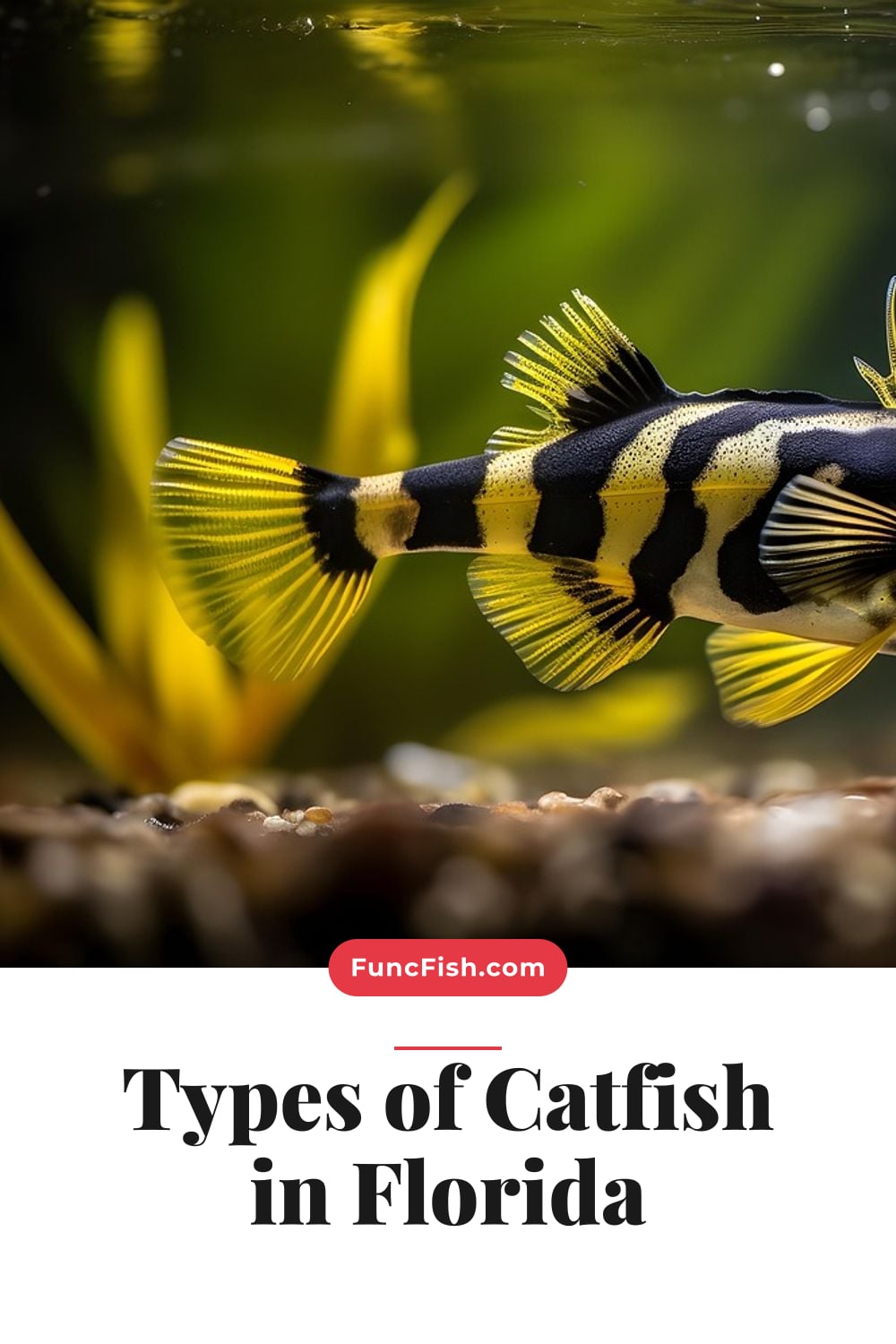
The freshwater fishery of Florida contains many species of whiskered fish that can add to the enjoyment of even the slowest of days on the water. Catfish species thrives in the warm waters throughout the state and in the various habitats that they contain. Whether you are an angler that heads out on the weekend in search of dinner or a hunter in search of a new personal best, knowing the different species of catfish will allow you to find the best locations to fish for these species.
Because catfish dont read the rulebook on what kinds of fish to target, the more you know about the different species of catfish in Florida, the less time you will waste while fishing. These different species of fish play an important role in the ecosystems in which they live. Not only do they help to keep the populations of other fish species in check, but they also provide sport and food for many Floridians.
Some of the species of catfish live near structures in there ecosystems, such as freight trains; others live in the open water in their ecosystems to hunt for food. There are several different species of catfish in Florida, each with its own habits and preferred habitats and fishing tactics to catch them. The species of catfish that live in the waters of Florida include blue catfish, channel catfish, flathead catfish, bullheads, white catfish, and the exotic walking catfish species.
Each species of catfish deserves its own examination.
Common Types of Catfish Found in Florida
1. Blue Catfish
The blue catfish is one of the most impressive fish species that swim in the waterways of Florida. Blue catfish are some of the preferred catfish species for anglers due to the large size of these fish, the fighting strength of the fish when being reeled in, and the different habitats in which they can be located.
Blue catfish prefer deep channels with moving water within their ecosystems, as well as the bends of rivers, the pilings of bridges, or the timber beneath the water’s surface. The size of a blue catfish can reach more than fifty pounds; however, blue catfish that weigh between twenty and thirty pounds are more common sightings. The weight of twenty to thirty pounds indicates that the fish will present a serious fight when using medium-heavy fishing gear.
The blue catfish species is unique in that it will chase cut bait or live shad fish when cruising the open water. Unlike other species of catfish that live near the bottom of the ecosystems in which they live, blue catfish live within the water column, and they like to be baited with drifted or trolling fishing gear with heavy weights to allow the bait to remain near the lake or river bottom. Blue catfish have slate blue on their backs and sides to there white bellies.
These physical features make it easy to identify the species when brought to the fishing boat. Due to the solitary nature of blue catfish, finding them requires some use of sonar or other electronic fishing gear. However, once found, the fishing can be nonstop.
Most individuals who fish for blue catfish will miss the fact that these fish require a preparation phase prior to fishing that will greatly increase the chances of success.
2. Channel Catfish
The channel catfish species is the next type of whiskered fish to consider when fishing in Florida. Channel catfish is the most common species of catfish found in the state’s waters.
Channel catfish have a slender body with a deeply forked tail. They will bite on almost any type of bait, including popular food items such as hot dogs or chicken liver. These species of catfish are able to live in nearly any type of waterbody in Florida, including small ponds and the St. Johns River.
Channel catfish tend to reach a weight of five to ten pounds. The channel catfish most common to be located in water areas that are shallow in depth and can be found during the night or on cloudy days. These fish move out of their deep holes to find food during these times of day.
Channel catfish species are smaller than blue, flathead, and other species of catfish. Due to the smaller size of channel catfish, they are considered the perfect species of fish to prepare for consumption. The texture of the fish when cut is mild and flaky if it is kept on ice.
These species of catfish tend to school together. If you find one, you will most likely find a group of channel catfish together in the same area. The schooling behavior of channel catfish is the reason that certain fishing spots provide dinner for numerous individuals in a neighborhood.
This fishing tactic is effective. Using a fishing rig with a slip sinker and a circle hook will make it easier to catch channel catfish and avoid fishing snarls.
3. Flathead Catfish
The third type of catfish species to discuss is the flathead catfish species.
Flathead catfish have a different attitude towards their environment than the other species of catfish. These species live in the slower rivers and oxbow lakes in Florida. The flathead fish species has a broad head that allows it to hide in covered areas in the ecosystem such as laydowns, root wads, or rock piles.
The color of the flathead catfish ranges from pale yellow to dark brown depending on the clarity of the water in which the flathead lives. The darker the brown, the more covered up the fish stays in its habitat. A flathead can grow to a weight of over sixty pounds; however, a weight of thirty to forty pounds is more common for trophy flathead catfish.
Unlike blue and channel catfish species, flathead catfish are picky eaters. They will only eat live bait species such as live bream, shiners, or crayfish. The techniques used to catch these fish include drift fishing or still fishing techniques using live bait placed on the bottom of the water near heavy structures in the riverbed.
The pickiness of flathead catfish might be a challenge to those fishing for them. However, it is a positive attitude towards the fish; when flathead catfish do eat, the fish are of high quality. Flathead catfish are also famous for the power with which they shake their heads and race towards the fishing boat when they are hooked.
This behavior when hooked creates a fishing experience that will last a lifetime in the memories of the anglers that catch them. The next common species to catch in Florida are bullheads.
4. Bullheads
Bullheads is a category of fish that is fun to catch despite their small size.
The three main varieties of bullheads live in the waters of Florida and include the brown bullhead, yellow bullhead, and black bullhead. Bullhead species are smaller in weight than the other three main types of catfish. Bullheads weigh around two pounds.
Bullheads exhibit a strong fighting energy when medium light fishing gear is used to catch them. Bullheads live in areas of the ecosystem that are shallow and feature muddy bottoms and plenty of vegetation in their habitats. Bullheads have a squared tail and thicker bodies than other species of catfish.
Bullheads are a good species to catch if you are looking for quick action with your fishing efforts. Bullheads are a good species of fish to catch if you are introducing a new individual to fishing. Bullheads will bite on bait such as worms, crickets, or pieces of bread.
The equipment required for catching bullheads is not sophisticated. Using a cane pole and a bobber will allow anglers to successfully catch bullheads. Bullheads are also more tolerant of poor water quality than most other fish in Florida.
Bullheads can be found in roadside ditches, retention ponds, and backwaters of the rivers. Bullheads are abundant and can be targeted by anglers who cannot find the other species of catfish in Florida. The small size of these fish and their ability to bring a smile to an individual’s face when caught indicates that bullheads are an effective target species for anglers.
Another fish species to consider when fishing for catfish in Florida is the white catfish.
5. White Catfish
White catfish are often overlooked and are often mistaken for smaller channel catfish species due to the rounded fins on their species. White catfish live in the brackish rivers along the coast of Florida.
These fish rarely grow to more than five pounds in weight. However, they are active in their feeding and live in areas that are much more salinated than the habitats of blue catfish or flathead catfish species. Anglers who target the areas along the lower portion of the St. Johns River or near the Intracoastal Waterway will find white catfish to be a favorite of their fishing attempts.
Fish species with white catfish have a white chin barbels and rounded anal fins that differ from the fins of the channel catfish species. The fish that are most successful when baiting for catfish in this category are shrimp, sandworms, or cut bait that is drifted in the estuaries where the brackish and saltwater species live. Because many of the same areas contain saltwater fish species like redfish or snook, catching a white catfish species is a positive surprise when fishing for other targets.
However, when the size of the white catfish is considered small and not the main target of anglers, the variety of species caught during a fishing trip is kept interesting when the tide is moving in the desired direction. Finally, the last type of catfish species to discuss is the exotic walking catfish species.
6. Walking Catfish
The walking catfish is a unique species that highlights the different habitats of Florida.
Originating from Southeast Asia, the walking catfish has the ability to wriggle onto land to travel from pond to pond in the event that the fish habitats dry up. Unlike other types of catfish, the walking catfish prefers stagnant water with low amounts of dissolved oxygen in the water. In addition, walking catfish only feed during the nighttime hours at the rates of insects that live in the water and small fish species that travel through the same areas.
The walking catfish rarely reaches a length of twelve inches in Florida in the wild. In contrast, aquarium-bred walking catfish can reach lengths of more than twelve inches. The walking catfish has a brownish-eel body coloration and can gulp at the air above the water’s surface.
These physical features distinguish these species from other native species of catfish in Florida. Because the walking catfish species prefers the same habitats to other native catfish species in Florida, they are considered a nuisance fish. The walking catfish competes with other fish for the same resources in the same small ponds of Florida.
For the curious angler, the walking catfish can provide a unique catch to add to a fishing trip. However, the pectoral spines of walking catfish can pose a threat to the angler when the fish is being landed. Regardless of the type of catfish that is caught in the freshwater habitats of Florida, there is a different species for every type of angler.
From the beginner fisherman who would love to try catching bullheads to the expert fisherman who can catch fifty-pound blue catfish in the big rivers of the state, there is much to do outside the doors of every individual’s home. For the angler, grabbing some bait and finding a location in the Florida waterways that matches the target species will ensure that the angler will have an enjoyable experience. The next time that an angler feels a whisker on their skin, they should remember the different species of catfish that live in Florida and the memories that they can be made when on the water.