
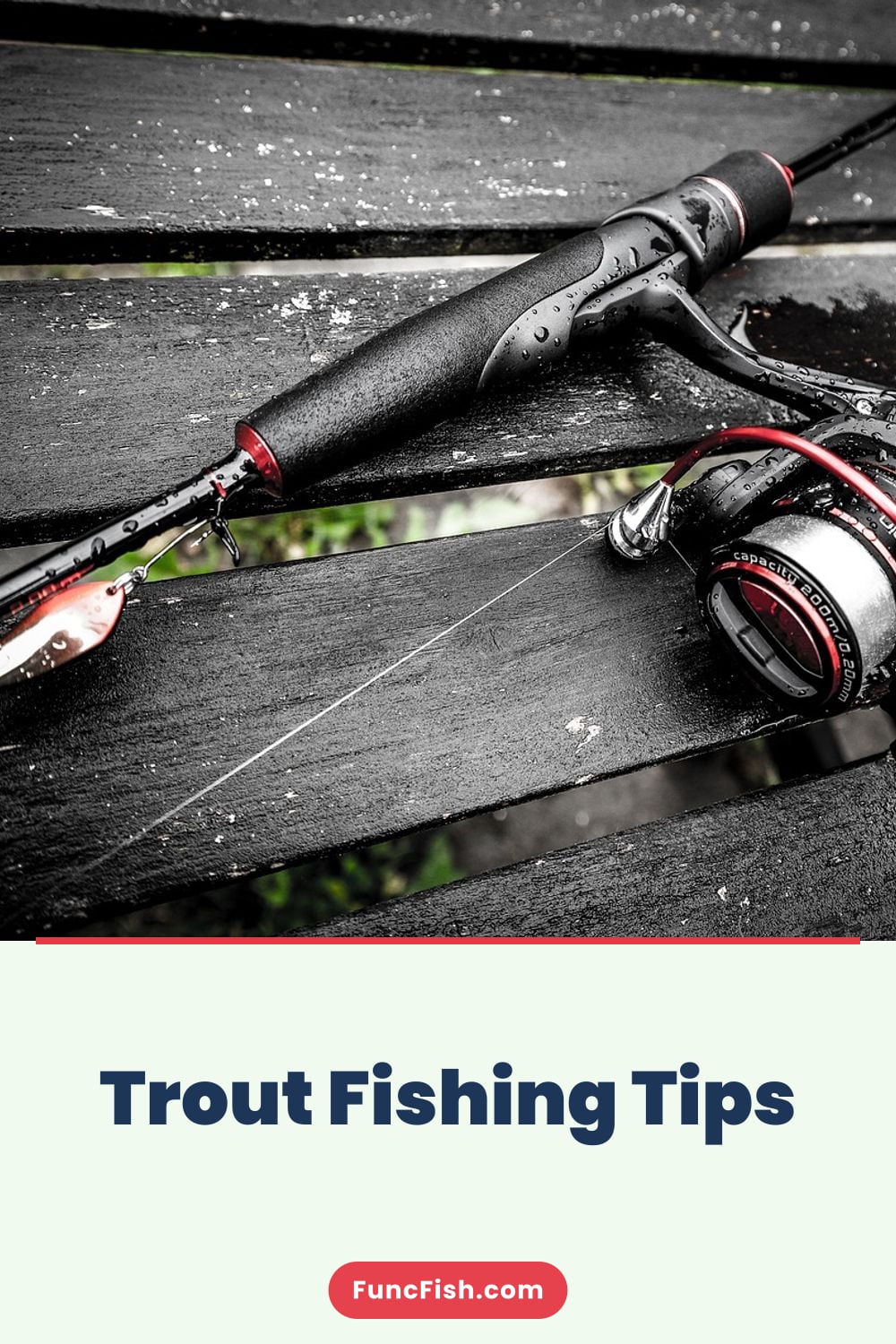
Trout fishing require a person to have patience. Additionally, trout fishing require a person to be willing to read the water. The experience of catching a limit of brook trout from a mountain stream is more different than fooling a wise brown trout on a chalkstream.
Brook trout and brown trout is known for being picky eaters and for the fact that the conditions within the water can change quick. Thus, a person has to make the proper adjustments if they expects to experience any success in there efforts to land trout. Many angler start with the same fishing gear and flies.
However, there comes a time when an angler begins to wonder why their efforts to catch trout is meeting with no success. The answer to this question usually comes down to a few different decision that a person has to make. If a person make the right decision, the river will begin to provide their fishing efforts with some success.
Essential Tips for Successful Trout Fishing
1. Approach the Water Quietly
One of the first decision that an angler should make is where to approach the water. Trout will face into the current and have their eyes high on their heads, allowing them to see movement above the water for some distance. Thus, a person should approach the river with soft foot, remain low to the ground, and ensure that their shadow dont fall into the river.
This one decision alone can double the number of trout that a person can see on bright day. Yet, this tactic can seem overly cautious to an angler until they see a big brown trout bolt away from the river due to slip on a river rock.
2. Match the Hatch
Matching the hatch sounds like something that only the most seasoned angler can master. Yet, the reality of the situation is that matching the hatch comes down to pay attention to the water for ten minutes prior to beginning to cast. A person should pay close attention to the types of flies that is active on the water. If a person sees tiny olive mayflies, for instance, they should use a size 18 olive comparadun fly.
If a person does not get the proper match between the trout food and the fly that is cast into the river, the trout will only eat the natural food six inches from the fly but will ignore the fly altogether. The next decision that an angler must make is what type of leader and tippet to use. If a person is fishing in areas with rocks or fast-moving water, a nine-foot leader with a fourX tippet will allow for the leader to bend at the rocks.
However, if a person is fishing in flat areas during a blue-winged olive hatch, they should use twelve foot of leader with a sixX or sevenX tippet to avoid scaring the fish. This is because the thinner fishing line will disappear more better into the water. Yet, an angler will lose more fish using a lighter tippet; this is the trade off for fishing these more technical difficult areas.
Reading the water will provide a person with more success than any other skill that they can learn. A person should learn to read for seam, areas of still water behind rocks, or the inside edge of a river bend. These areas allow the trout to feed into the water without fighting the current.
Once a person learns to recognize these areas, the river will seem to transform into a cafeteria with designated eating spot. Thus, a person should target these spots for their fishing effort. Some angler will scoff at the concept of using strike indicator when fishing for trout with dry flies.
3. Use a Strike Indicator
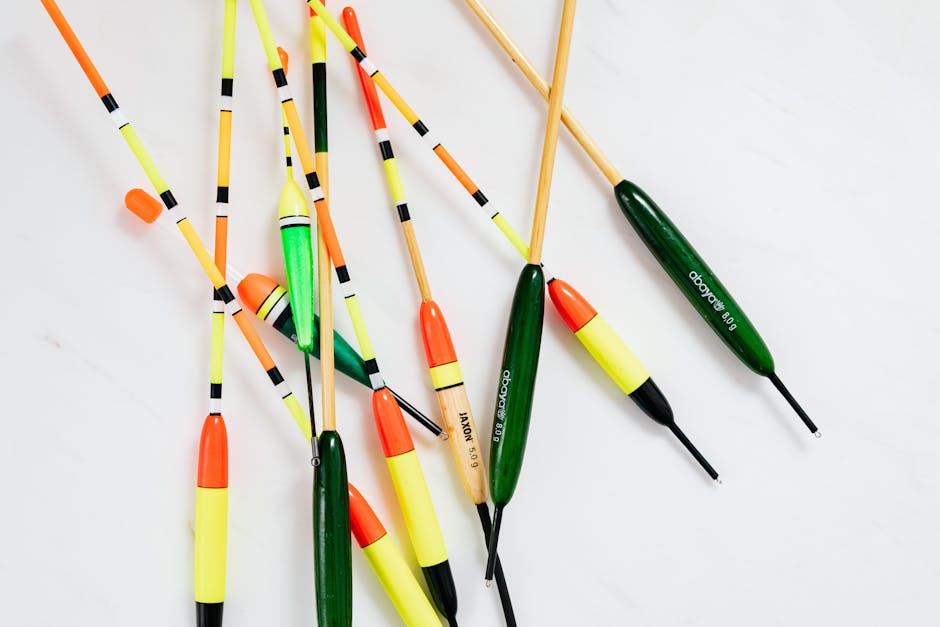
Yet, using a small yarn or New Zealand wool strike indicator will teach a person more about fishing for trout in a single afternoon than they will learn with dry flies over a period of year. When fishing for trout with nymphs or in deeper area of the water with off-color water, a strike indicator will allow for the angler to feel when a trout take the fly. Thus, they can set the hook.
They should keep the majority of the fly leader under the surface to avoid ruining the drift of the flies. One of the most important aspect of trout fishing is to time one’s fishing trip with the water temperature. Trout will be most active between temperatures of 50 and 65 degrees.
4. Monitor Water Temperature
If the water temperature drop below 45 degrees, the trout become inactive. If the temperature rise to 68 degrees or more, the trout begin to feel stress due to the rise in water temperature. Thus, a person can either use a small thermometer or simply use their knowledge of the water temperature at different time of the year.
5. Vary Your Streamer Retrieves
When using streamers to fish for trout, a person should vary the retrieve that is used for the flies. Some day it might be appropriate to use a dead drift for the flies. Yet, on other days it is beneficial to use a strip and pause retrieve to mimic a fleeing baitfish that is interested in the trout.
Additionally, if a person is using a sink-tip line or a weighted fly, it will allow for better movement of the flies to deeper area of the river. A person should maintain contact with the fly to detect when a trout take the fly. Trout will eat a fly that look like it is attempting to get away.
If a person plan to fish the same spot that they caught their trout, it is better to release the trout back into the river. Additionally, a person should wet their hand prior to releasing the trout. A person should also try to keep the trout in the water as much as possible and use barbless hook.
These effort will ensure that the trout has the best chance of surviving after being caught by a human. Trout that are released quickly in cool water will survive long enough to be caught the following day. Trout that are held in warm shallow water will not make it back to the water.
This practice will keep trout population healthy and maintain interest in the river. A person should pay attention to the seasonal hatch that occur in their specific area instead of copying the flies that work for someone else on social media who is a thousand miles away from where they live. For example, in the East, hendrickson flies are abundant in April but give way to sulphurs in May when they are followed by isos in June.
In the western river, there are massive salmonfly hatches. These give way to the tiny tricos in the western river areas. These give way to the fall baetis.
Thus, a person can rely upon these local suggestion rather than the knowledge of trout flies from a fish shop a thousand miles away. This practice will allow for a person to learn their local water and river. Finally, a person should slow down.
Trout fishing is not a race. Yet, a person can always find benefit in taking a few minute to sit on a log and simply observe the trout and the way that they move through the water. These fish has all of the time in the world.
By matching the pace of the trout, a person will begin to notice the different detail of the river and the fish. Thus, a person’s single cast to target one of these trout behavior may provide benefit to the person for the day. The river will be there next week.
Additionally, the trout will still be as picky eater as they are today. Yet, if a person come to the river with curiosity, quiet feet, and a handful of well-chosen flies, the remainder of the day will take care of itself.