
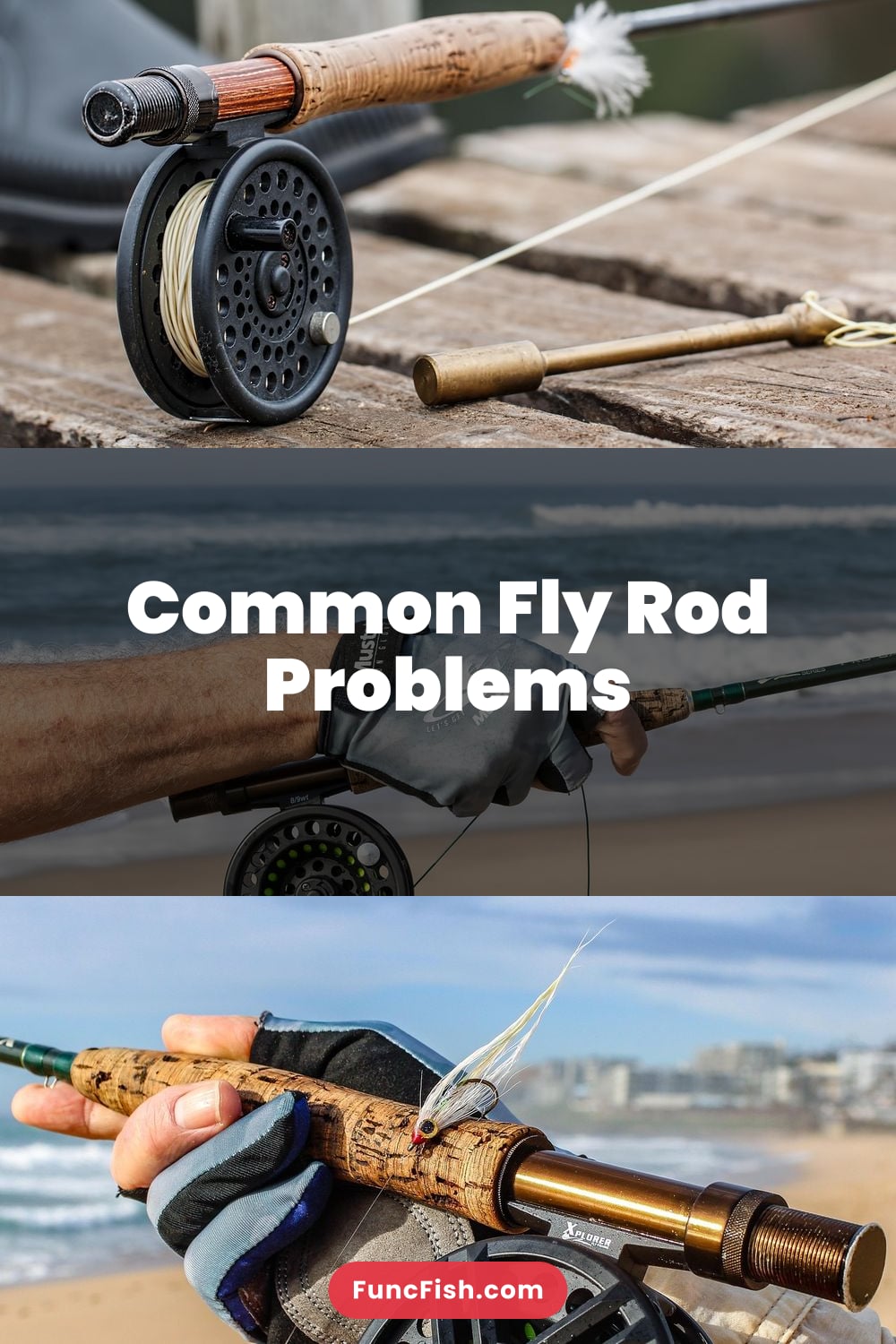
There are many problem that can be caused by the equipment used in fly fishing, and many of these problems will occur while fishing. For instance, a persons fly rod may fail to loading properly, the leader may become entangled with the fishing lines, or the rod may begin to vibrate while casting. However, all of these problem are somewhat predictably, especially since there are few cause for each of these problems.
By knowing these causes, a person can minimize the time spent on fishing equipment repair.
Common Problems With Your Fly Fishing Rod
1. Improper Fishing Line Weight
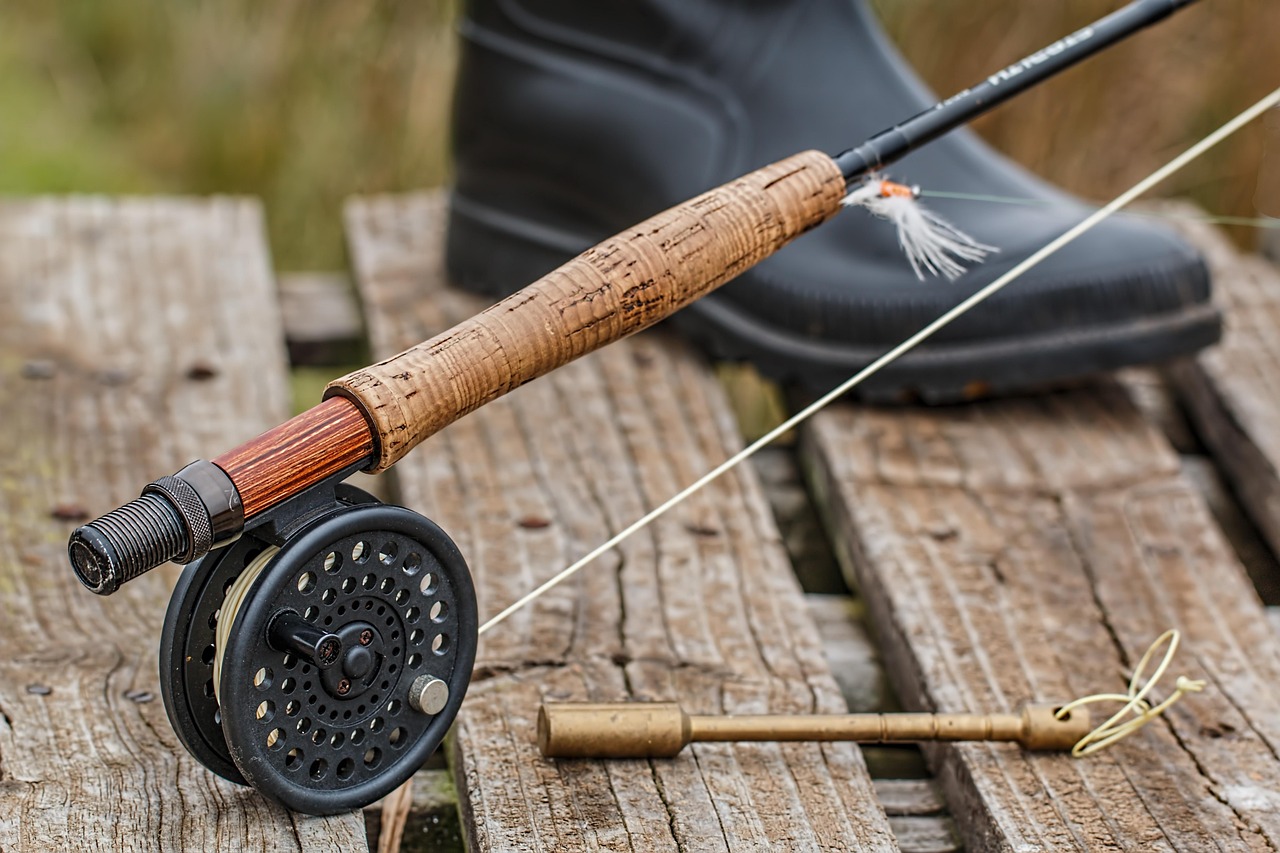
One of the most common problem with fishing line is the improper match between the weights of the fishing line and the weight of the fly rod. Most fishing rods will have a label that indicates the weight of the line that is recommended for that rod.
If a person uses a line of the wrong weight on there rod, they may find that the rod feel heavy or slow when compared to the line weight, or the rod may not load with the line or may create short cast. To even create proper energy behind a cast, the weight of the fishing line must match the weight of the rod. Additionally, if the weight of the line does not match that of the rod, the rod will have to work harder and a person must use more energy when casting.
2. Dirty or Damaged Fishing Line
Another common problem is using dirty or damaged fishing line. Since a person is often casting their line into water, the line can become dirty with dirt, algae, and sunscreen from the water. Additionally, dirt on the line can create friction with the guide on the rod, making it more difficult for the line to travel long distance.
Nicks on the line will begin to form memory coil in the line that cause the fishing line to not straighten properly. These problems can be fixed by simply wiping the line with warm soapy water, rinsing it with fresh water, and applying conditioner to the line. By regularly cleaning the fishing line, the line can last for a longer period of time.
3. Damaged Rod Guides
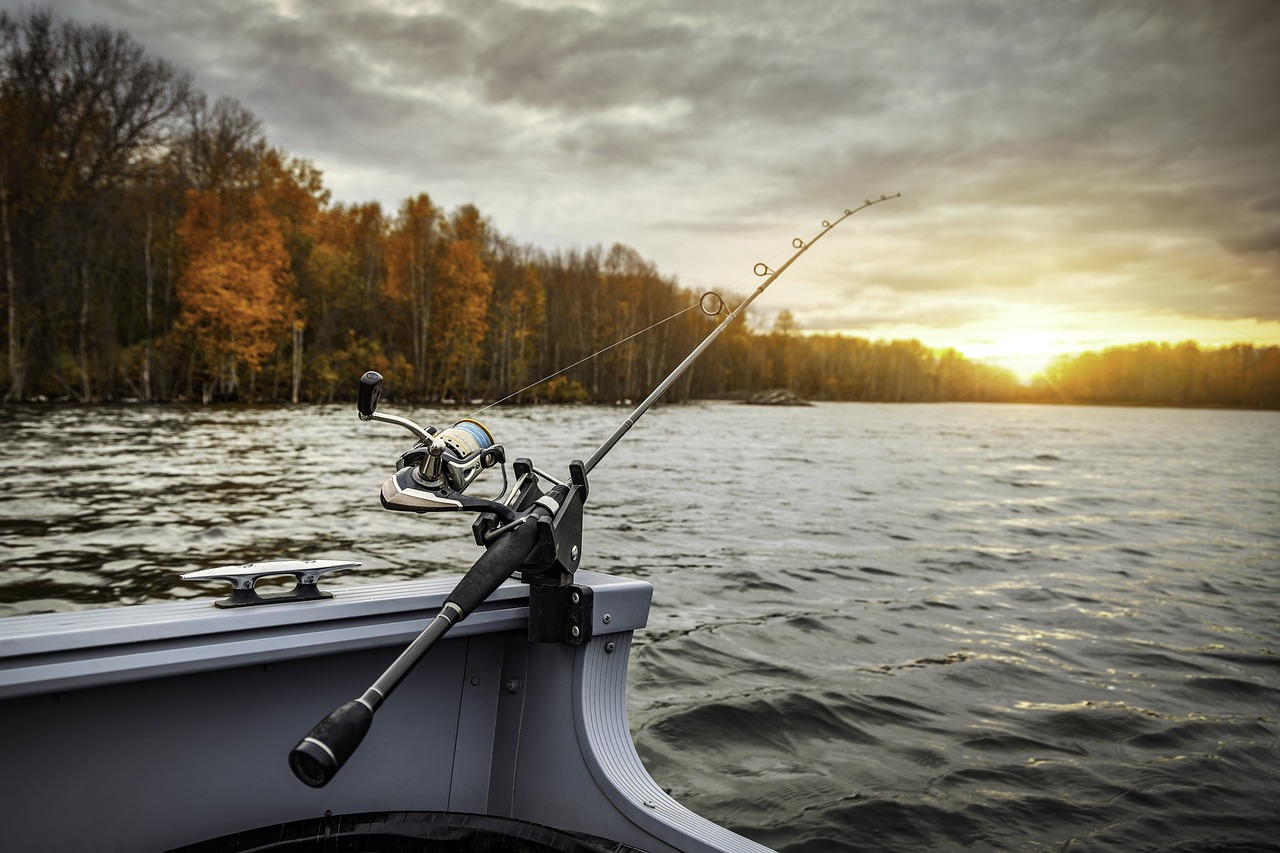
Another problem is with the guides on the rod. Although moddern fly rods have ceramic insert to protect the line from the metal guides, these inserts can chip if the rod hits a rock in the water. If the insert chips, the line will stutter while being cast.
To determine if there is a damaged guide, a person can run a cotton ball through each guide on the rod. If the cotton ball gets stuck in a guide, then the guide is damaged and must be replaced. The stripping guide should be especially inspected since it endure the most wear.
4. Ferrule Connection Issues
Another problem is with the ferrule of the rod. The ferrule is the joint in the rod where the rods is joined together. If the ferrule sections are not properly joined, the rod tip may wobble while fishing.
If the ferrule sections are too close together, they may seize together due to the heat of the sun. To avoid these problems, a person should push the male ferrule into the female ferrule before each fishing trip. Additionally, the ferrule should be wiped with a towel after each fishing trip and treated with ferrule wax to avoid sticking sections together.
5. Leader Problems and Wind Knots
Some other problems are the development of wind knots on the leader, improper leaders, and overlining. A wind knot form along the leader due to the line looping over itself during a cast. These knots will weaken the leader and alter the way the fly lands in the water.
The leader should be replaced after catching three to four fish. A leader should also be inspected for nicks each time a person changes the flies. Using the proper leader will allow the fly to land in a naturaly way in the water; otherwise, it will drag through the water.
6. Overlining with Heavy Lines
Additionally, overlining is the use of a fishing line that is too heavy for the fly rod. Some people use heavy lines to load the rod faster, but this cause inaccuracies in the lines movement through the water and when it lands on the water. Heavy lines should only be used with heavy fly rods, such as eight weight rods used for presenting streamers.
7. Improper Rod Storage and Care
Finally, a person must take care of their fishing rod after each fishing trip. If proper care isnt taken of the rod after fishing, various problems will occur. For instance, a person should not leave their wet fishing rod in a rod tube; this will lead to mildew on the cork and the reel seat.
The fishing rod should not be stored in direct sunlight; sunlight will weaken the resin of the rod. After fishing, the person should rinse the rod with fresh water, dry it with a towel, and store it in a cool, vertical position to avoid causing damage to the fishing rod.