
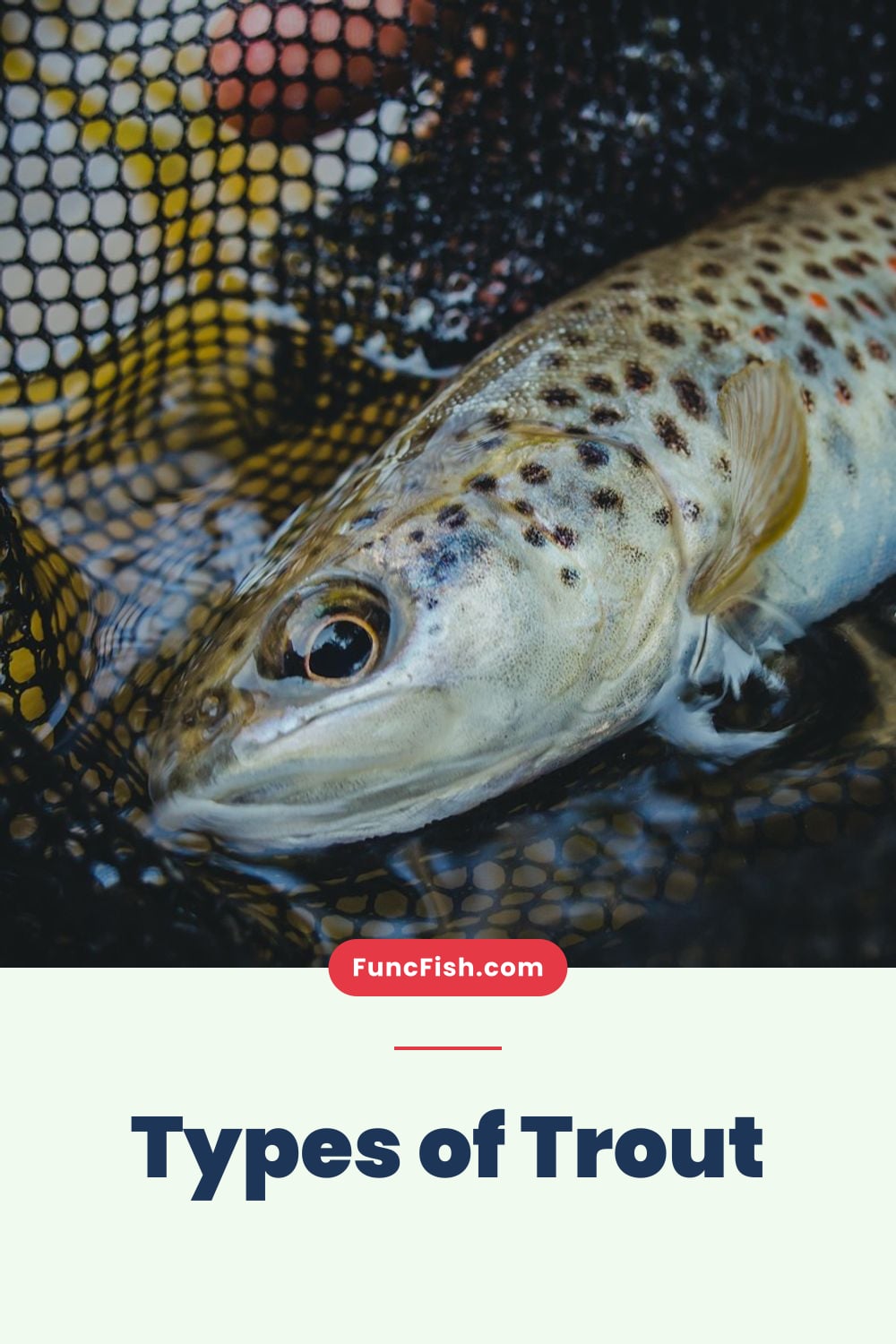
Trout is fish that live in various types of water. Understanding the different types of trout will help you to understand how to fish for trout. Different species of trout have different behaviors, and each species of trout live in a different habitat.
By identifying the type of trout that lives in the water that you wish to fish for, you can ensure that you use the proper equipment and techniques to catch these trout. Rainbow trout is one of the most common species of trout. Rainbow trout live in much different bodies of water around the world.
Common Species of Trout to Identify
1. Rainbow Trout
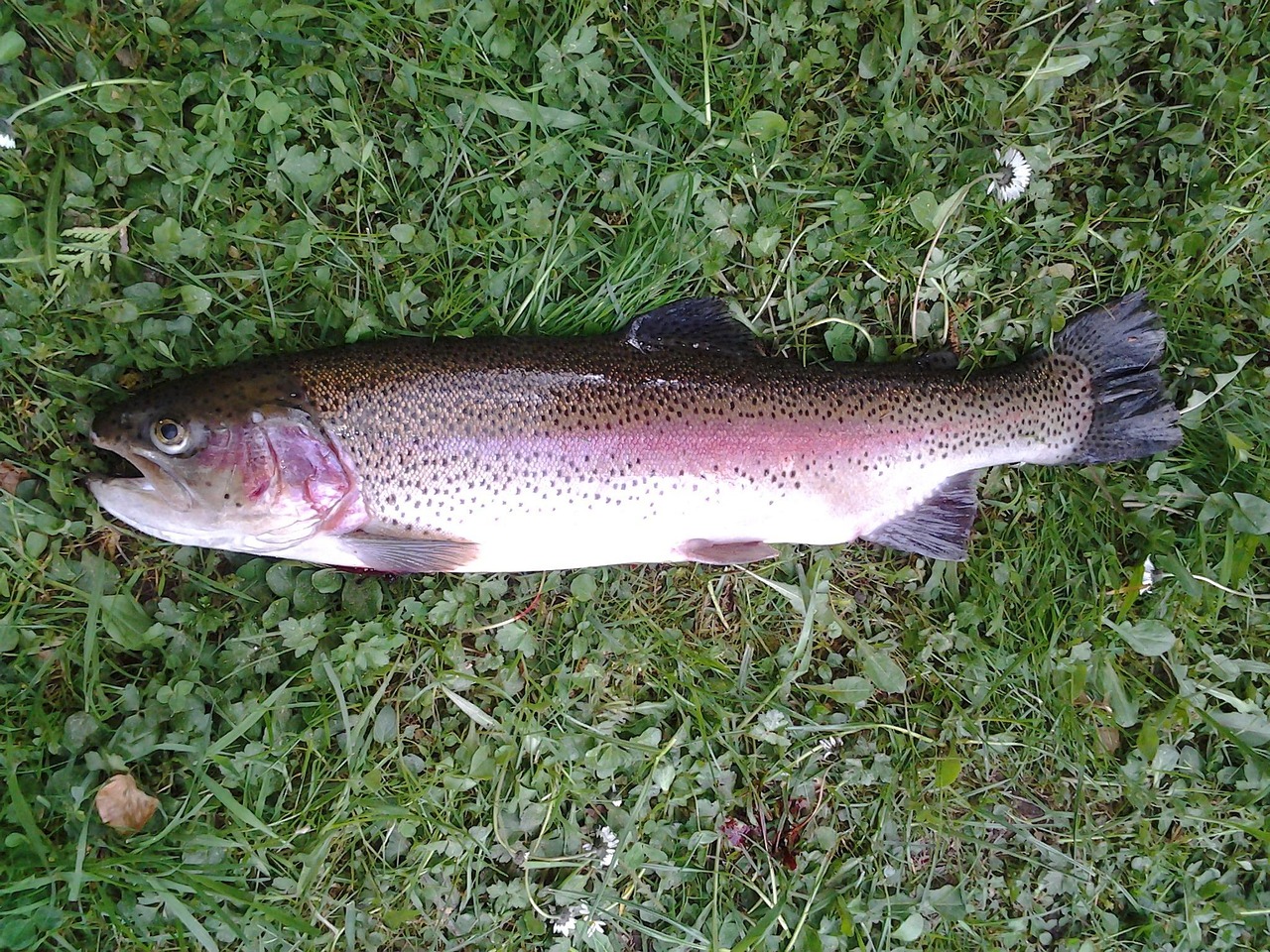
Rainbow trout has a pink or red stripe on there sides, which is one of the identifying features of this species. Rainbow trout are native to the Pacific coast of Canada and the United States, but people have introduced them into many different lake and rivers around the world. Rainbow trout are known for their strength; when anglers catch them on a hook, the fish will jump out of the water.
Rainbow trout are a good species for beginner anglers due to there ease in locating them in the wild, though they dont grow to more large sizes.
2. Brown Trout
Brown trout live in a different species of trout altogether. Brown trout are a strong species that is difficult to catch.
Brown trout have olive or golden bodies with red and black spots on their bodies. The species eats larger food item than most trout species, which allows them to grow to large sizes. Brown trout are active during the mornings and evenings.
When fishing for this species, anglers must remain quiet and approach the water slowly; the fish will sense when a person is too close and will swim away;
3. Brook Trout
Brook trout are another species of trout, though technically a type of char. Brook trout have olive-colored backs with wavy markings on their fish, as well as red spots on their bodies and orange fin with white edges.
Brook trout live in small streams and require the water to be very clean for their survival. The presence of brook trout indicate the health of the stream. Brook trout species is small, but are very active and will eat flies very quick.
4. Cutthroat Trout
Cutthroat trout live in the western part of North America and live in both rivers and lakes. The fish move to different area depending on the temperature of the water; thus, anglers must know the water temperature in which they fish for cutthroat trout. Cutthroat trout have soft mouth, so anglers must be gentle when setting the hook for the trout.
5. Lake Trout
Lake trout is another species of char. This species can grow to very large size and live in deep water in lakes. The lakes contain more than 100 feet of depth and contain abundant oxygen in the water.
Anglers must use heavy fishing equipment to fish for lake trout; lake trout grows slowly and can reach sizes of over 40 pound.
6. Bull Trout
Bull trout are also a species of char and live in the rivers where they are found. Bull trout have olive-green backs with creamy spots on their bodies, and are some of the most powerful fish in the world.
Bull trout are territorial, and will defend their area from other fish. Fishing regulation protects bull trout in there native waters.
7. Golden Trout
Golden trout are a species of trout native to the Sierra Nevada mountains.
Golden trout have gold-colored sides and red belly. The trout live in high-altitude lakes, which can be accessed on foot. Golden trout are small in size, but some anglers value this species due to its beauty.
Each species of trout lives in a specific niche in the environment. Rainbow trout, for example, are common in many areas, while brown trout are found in larger sizes. Brook trout live in areas where water is very clean, and cutthroat trout live in the western part of the continent.
Lastly, lake and bull trout are large species that live in deep waters and powerful river, and golden trout live in high mountains. If anglers identify trout species, they can adjust their fishing techniques to suit the species of trout inhabiting these waters.