
Fishing hooks are a specific part of a fishing rig that connect a person to a fish. Fishing hooks are an essential part of a fishing rig because the fishing hook is the only piece of fishing gear that make contact with the fish. If the fishing hook is damaged in any way, a person will lose the fish.
People pays close attention to the fishing rods and reels they select. Many people dont pay the same level of attention to fishing hooks. Because fishing hooks are small, people often ignore problems caused by fishing hooks.
Fishing hooks can cause many problem for a person.
Common Problems With Fishing Hooks
1. Rusting Hooks
One of the problems with fishing hooks is that they can rust. If a fishing hook develops rust, it can be dificult to using the fishing hook.
Rust forms if moisture exposes a fishing hook. If a person leaves a fishing hook damp in a tackle box, moisture can form rust on a fishing hook. Rust forms a rough surface on the fishing hook.
This rough surface can make it difficult for a fishing hook to slide into the mouth of a fish. If a fishing hook is rusty, the fishing hook may slip out of the mouth of a fish during the fight to reel in the fish. Rust is common with saltwater fishing.
The salt in the water can cause the fishing hook to rust. However, freshwater fishing hooks can also rust. People can prevent rust from forming on a fishing hook by following specific cleaning habit.
People should rinse their fishing hooks with fresh water after fishing. People should dry their fishing hooks before storing them in their tackle box. Some people use silica packets to absorb moisture from the air.
Other people apply oil to their fishing hooks to prevent rust from forming. By maintaining the metal of the fishing hook, the point of the hook stay sharp.
2. Dull Hooks
A second problem with fishing hooks is that they can become dull.
The sharpness of a fishing hook decreases if the fishing hook is dragged across rocks or weeds. A dull fishing hook will not penetrate the jaw of a fish. The dull fishing hook will bounce off the jaw of the fish.
If a fishing hook is dull, a person may feel when a fish bite at the bait. However, the person will not be able to set the fishing hook into the fish. A person can use a hook file to sharpen the fishing hook.
A person should of test the point of the fishing hook to ensure that it is sharp.
3. Incorrect Hook Size
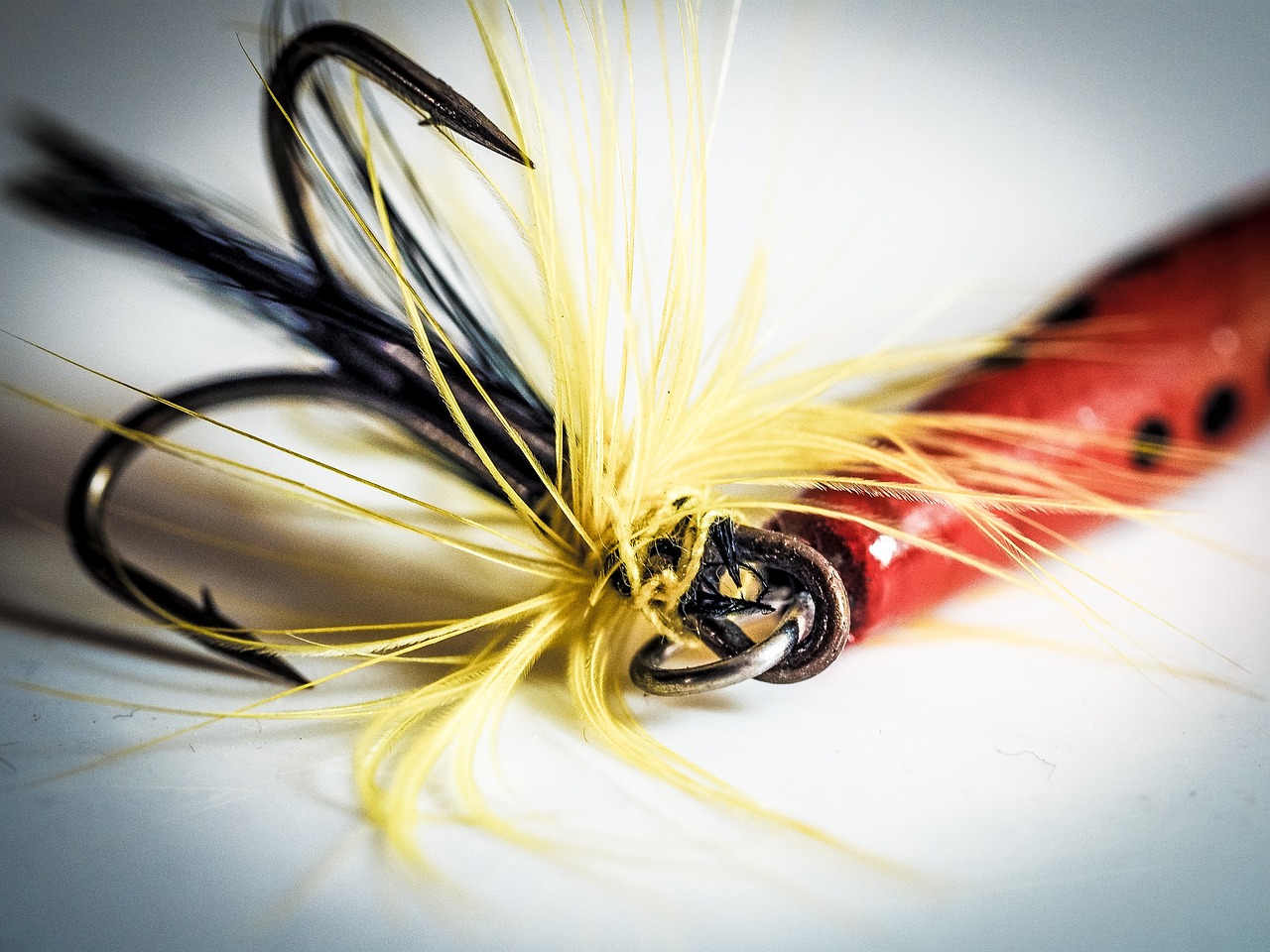
A third problem with fishing hooks is that the size of the fishing hook must be the correct size for the type of bait that is being use and for the type of fish that is being targeted. If the size of the fishing hook is too large for the bait, the fish may feel the bait is unnatural and may escape.
If a fishing hook is too small for the type of fish that is being targeted, the fishing hook may not have enough strength to hold the fish. An undersized fishing hook will straighten or the barb of the fishing hook may pull through the mouth of the fish. A person should use the smallest fishing hook that can hold the bait and that will hold the fish that is being targeted.
4. Barb Design
A fourth problem with fishing hooks is the design of the barb of the fishing hook. A barbed fishing hook is designed to remain in the mouth of a fish. However, when a person is releasing a fish, a barbed fishing hook can damage the fish mouth.
Barbless fishing hooks can be easily removed from a fish’s mouth. Barbless fishing hooks allow for the fast release of the fish back into the water. However, if a person uses barbless fishing hooks, there is a risk that the person will lose the fish if the person does not maintain sufficient pressure on the fishing line.
5. Hook Eye Size and Shape
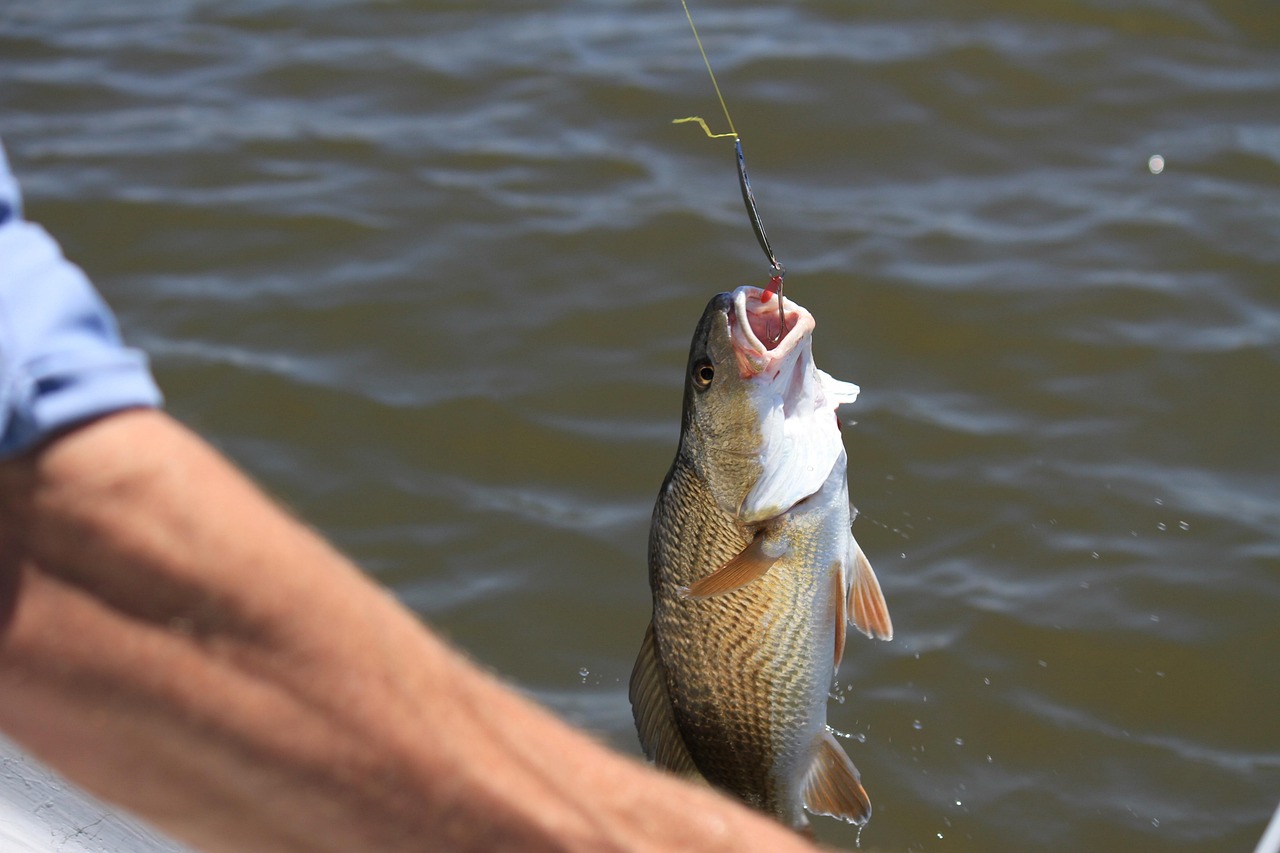
A fifth problem with fishing hooks is that the eye of the hook must be the correct size for the fishing rig that is being used. For example, a straight-eye fishing hook may be appropriate for one type of fishing rig. However, a turned-down eye fishing hook may be more appropriately for another type of fishing rig.
If the eye of the fishing hook is of the incorrect size for the fishing rig, the fishing rig will function poorly. People must also ensure that the fishing hook is not bent. If a person uses a fishing hook that a large fish or a structure in the water has bent, the metal of the fishing hook will be weak.
6. Bent or Deformed Hooks
A bent fishing hook will not have the same physics as a straight fishing hook. A bent fishing hook will be harder to set into the mouth of a fish. Bending a fishing hook back to its original shape will make the fishing hook more weaker.
Any fishing hook that has been deformed in any way should be replaced.
7. Wire Strength
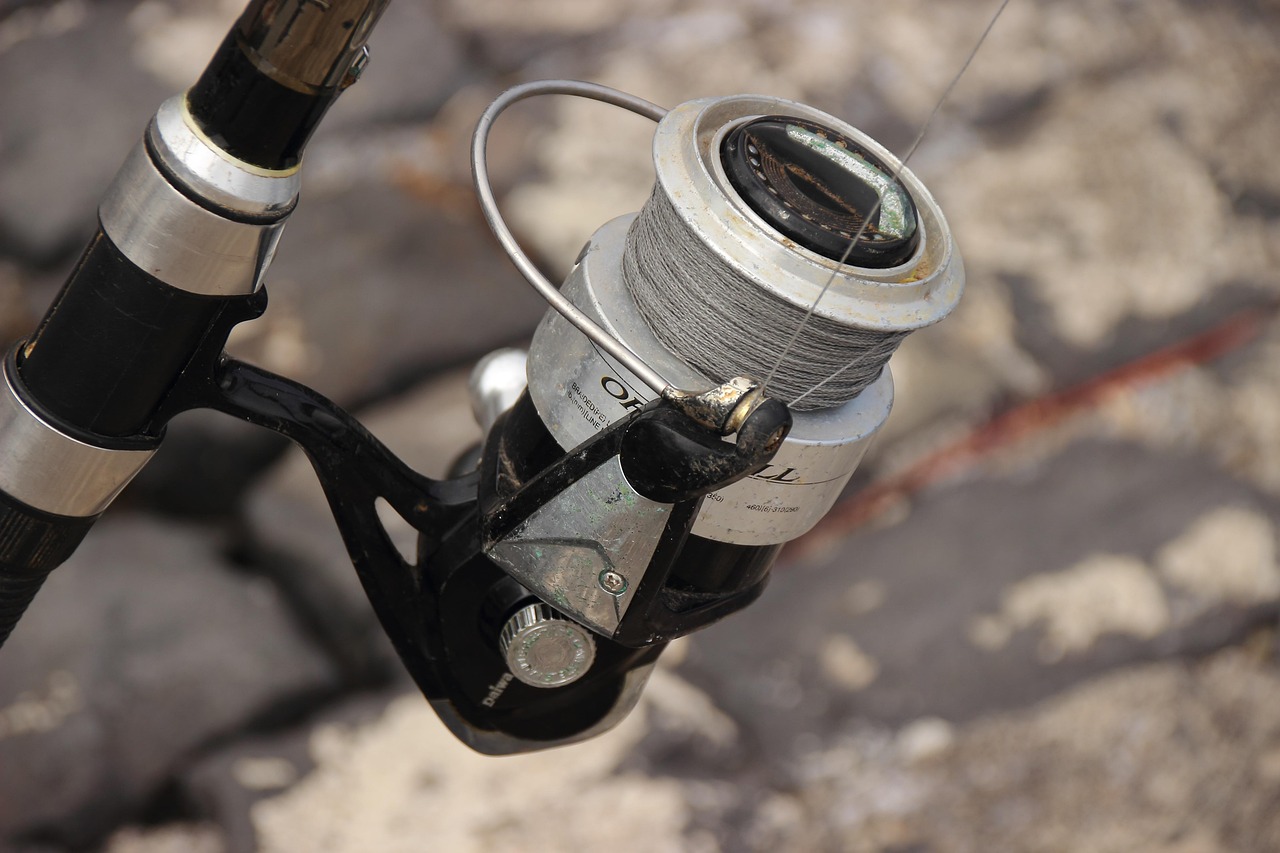
Finally, the strength of the wire of the fishing hook must match the strength of the fishing line. For example, if a person is using a heavy fishing line, they should use a fishing hook with a thick wire.
A thin fishing hook may straighten out when fighting a large fish. Using a fishing hook of the correct strength will increase the number of fish that a person land.