
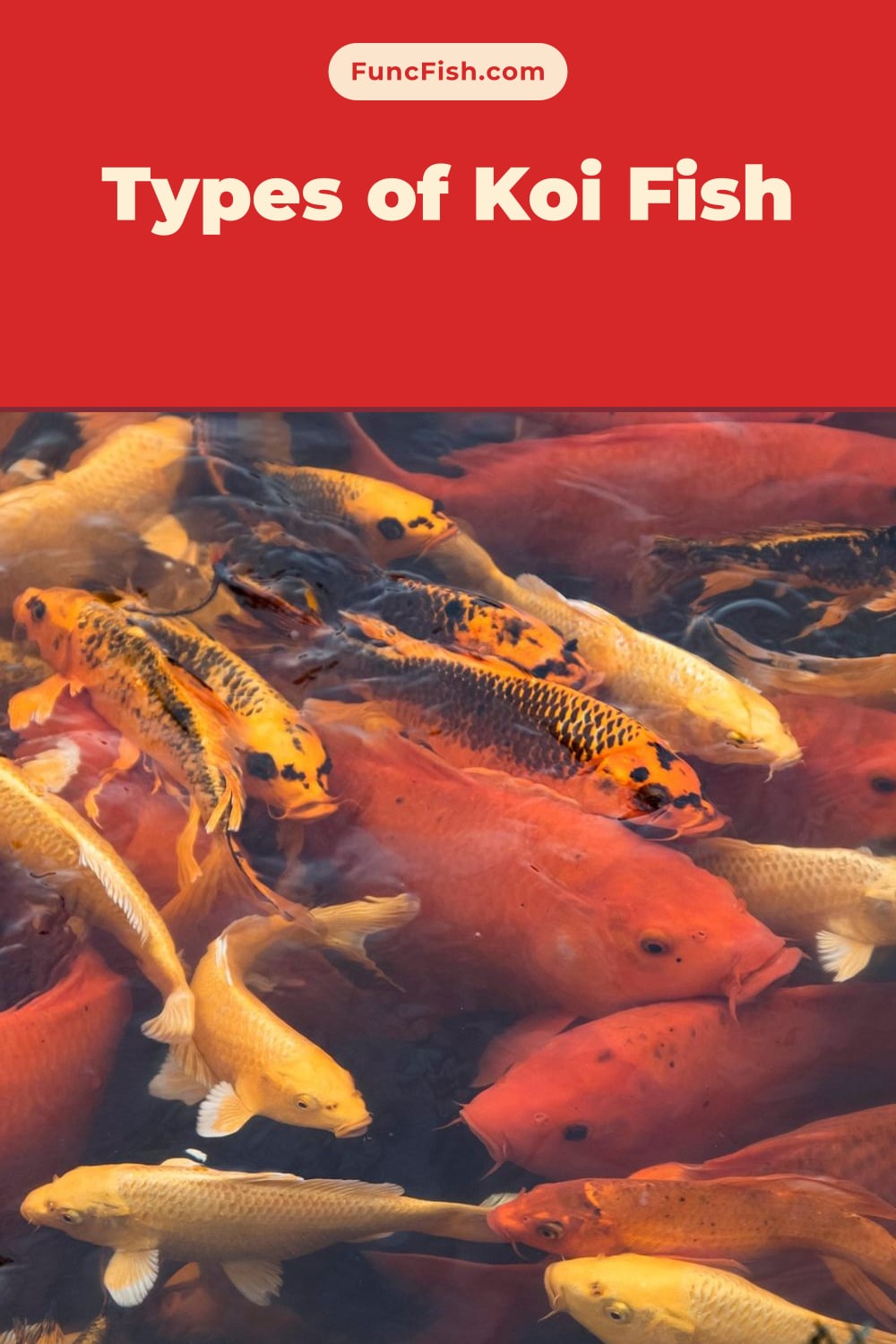
Koi fish is one type of fish that can be kept in backyard ponds. Additionally, koi fish can contribute to the visual interest of the pond itself. There are many different varieties of koi fish, each with there own colors, patterns, and body shapes.
Because there are so many different varieties of koi fish, it is important for pond owners to become familiar with each variety in order to choosing the correct species of koi fish for there pond. Additionally, each variety of koi fish have different needs for the pond and some varieties of koi fish are more hardy than other variety. One of the most common varieties of koi fish is the Kohaku koi fish.
Popular Varieties of Koi Fish to Keep
1. Kohaku Koi
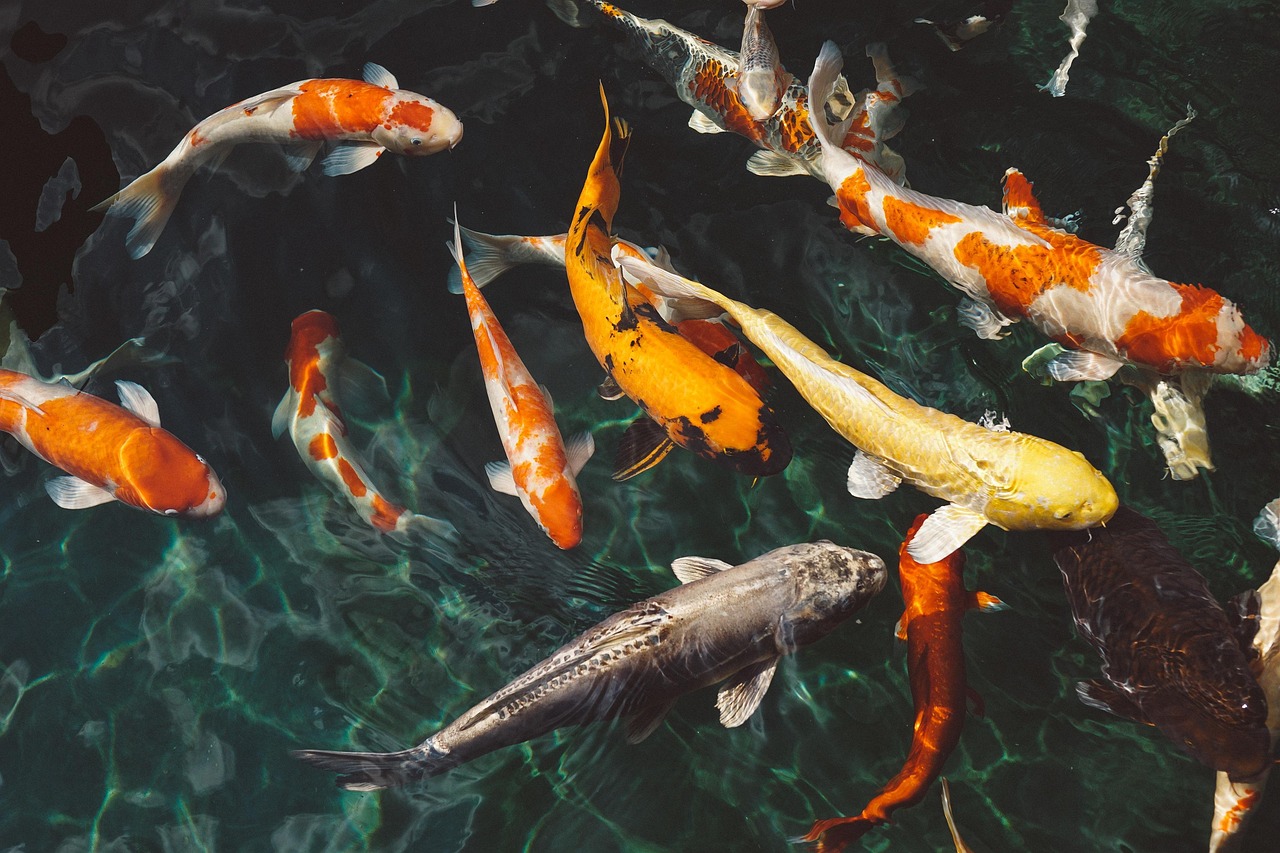
Kohaku koi fish have a white base color with red markings on the fish. The red markings should be boldly in color but should not bleed into the white base color of the fish. Additionally, you should maintain the pond water for Kohaku koi fish to provide the fish with high quality water since the white area of their body are susceptible to developing scratches and parasites.
2. Showa Koi
Another variety of koi fish are the Showa koi fish, which are also known as Showa Sanshoku koi fish. Showa koi fish have colors that include white, red, and black. These colors may change in relation to the size of the koi fish, as the Showa koi are known to be active predator that eat during feeding time.
Additionally, the Showa koi are hardy to cold climates.
3. Taisho Sanke Koi
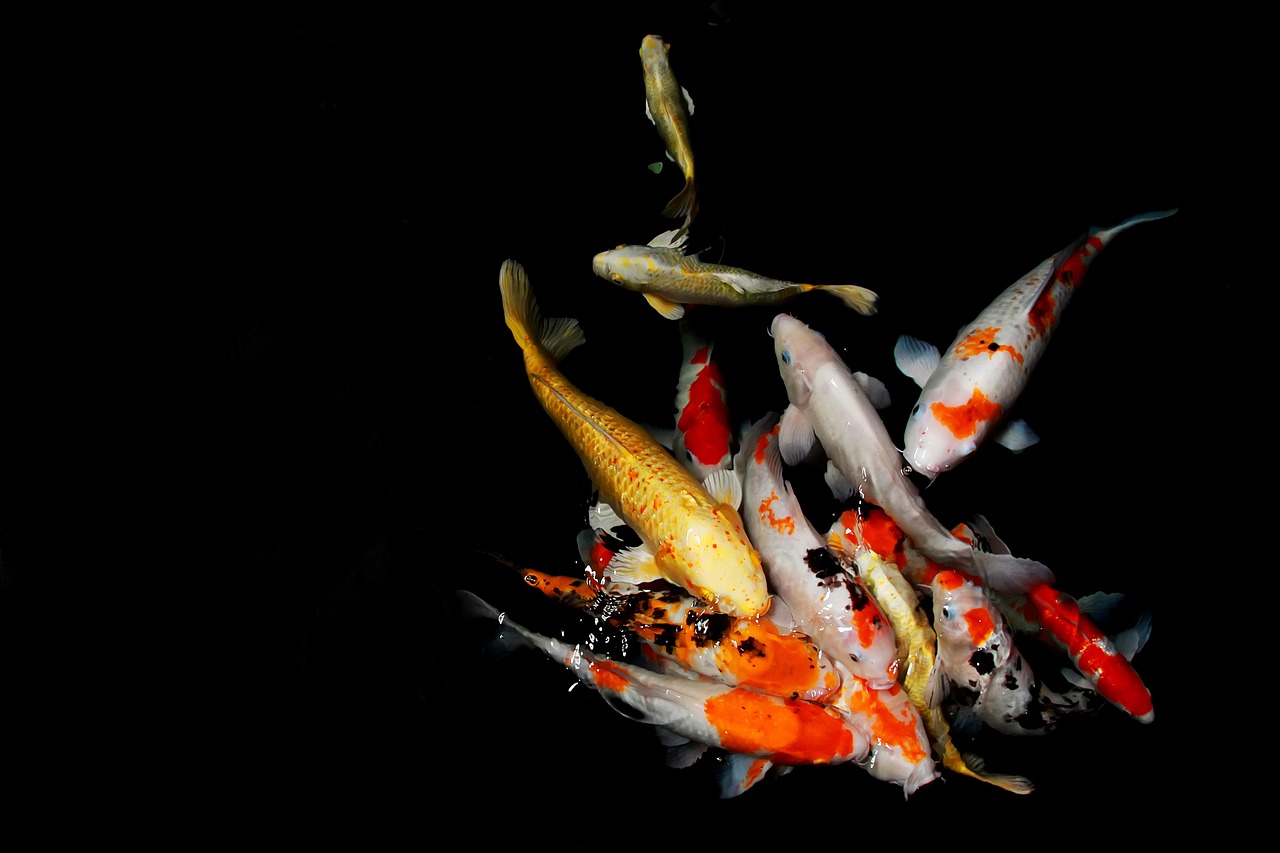
Taisho Sanke koi is similar to the Kohaku koi fish with the difference that the Taisho Sanke koi have black markings. The base color of the Taisho Sanke koi is white and red, but the black markings only appear on the white areas of the Taisho Sanke koi and do not appear on any of the red areas.
Additionally, the Taisho Sanke koi are medium sized fish that are easy to care for and are recommended for beginner koi fish pond owners.
4. Asagi Koi
Asagi koi are known for their blue-gray scales that sit along the upper portion of the body of the fish. The remainder of the body of the Asagi koi is red and orange in color.
Additionally, the scales along the back of the Asagi koi create a netlike appearance. Asagi koi are slow growing fish and prefer cooler temperatures in their water habitat. Because of the preference for cooler temperatures, Asagi koi tend to stay near the bottom of the pond.
5. Utsuri Koi
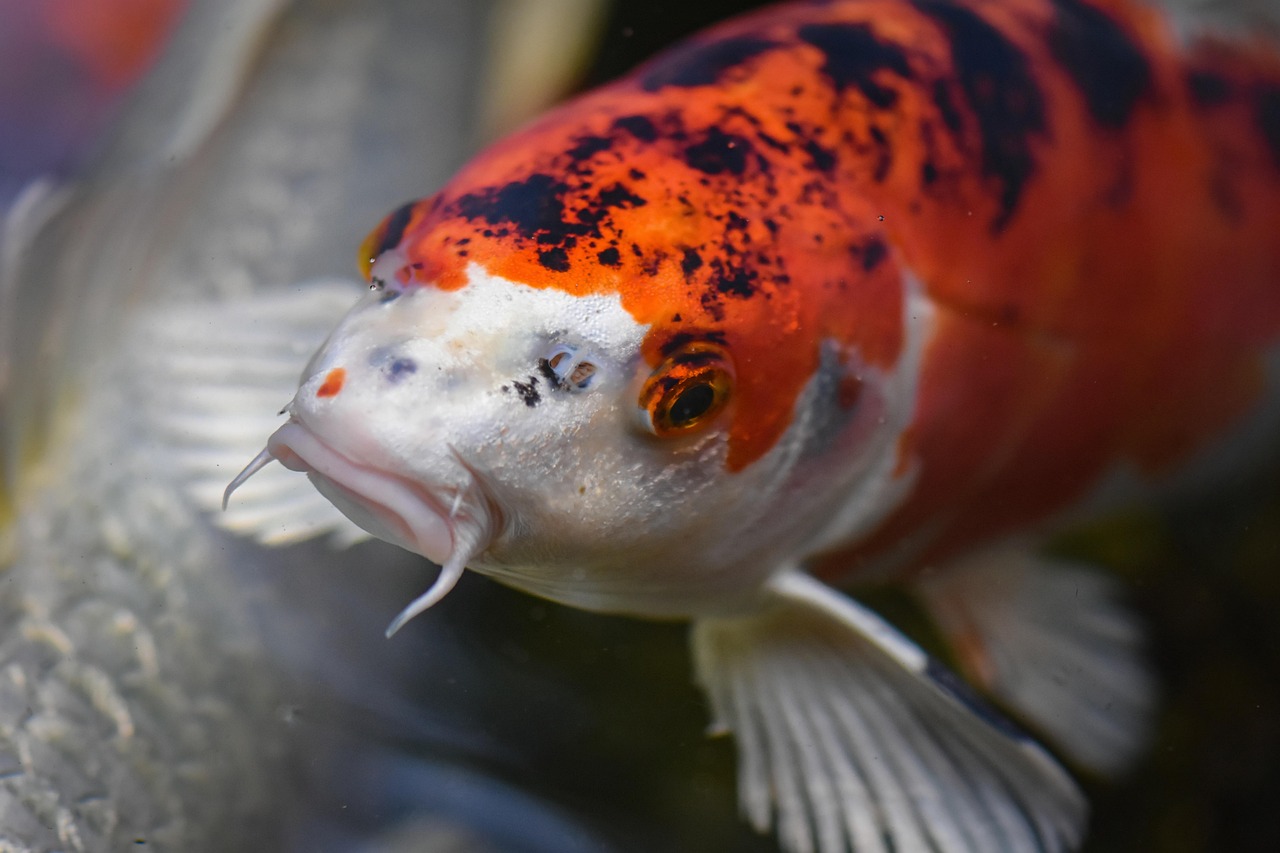
Utsuri koi fish use black as the base color of their body rather than use black as an accent color. The Utsuri koi have red, yellow, and/or white markings on their bodies. These markings should be bright and the black color of the body should be deep.
Additionally, Utsuri koi is considered to be hardy fish that are suitable for beginner pond owners.
6. Ogon Koi
Ogon koi are a variety of koi fish that have metallic colors and shine. The Ogon koi do not have any markings on their bodies.
The metallic colors of Ogon koi include colors such as metallic orange, metallic yellow, and metallic white. Ogon koi grows quickly and can grow to sizes of thirty inches or more. Because the Ogon koi are so bright in their metallic coloration, the pond should have areas of cover so that predators do not easily spot the bright fish.
7. Bekko Koi
Bekko koi are similar to Taisho Sanke koi fish with the difference that Bekko koi have a different coloration. Bekko koi have a base color of white, red, or yellow with black markings on the fish. For instance, Bekko koi that are white have black markings on their white skin but do not have any red markings on their bodies.
Bekko koi have gentle temperament but best viewed from above the pond.
8. Shusui Koi
Shusui koi are similar to Asagi koi with the difference that Shusui koi do not have scales. Shusui koi are otherwise colored the same as Asagi koi with blue-gray scales on the upper portion of their body and red and orange color along the belly of the Shusui koi.
Additionally, instead of having a full set of scales along its body, Shusui koi have only a single row of scales along the dorsal line of the fish. Shusui koi prefer cooler temperatures in their ponds. Therefore, pond owners who intend to keep Shusui koi in regions that are warm in the climate should provide shade for the pond and provide aeration for the water.
9. Butterfly Koi
Butterfly koi are a type of koi fish that have long, flowing fins and long barbels on their heads. Butterfly koi have a different body shape than koi fish of the same age and size but have a graceful swimming motion. To provide adequate space for Butterfly koi to swim with their long fins without touching the bottom of the pond, deep water is required.
Additionally, strong water currents may damage their delicate fins, so Butterfly koi should be protected from very strong filtration systems in their ponds.
10. Goshiki Koi
Goshiki koi are a type of koi fish that have the same markings as Asagi koi but have the same colors as Taisho Sanke koi. Thus, Goshiki koi have five colors within their bodies: blue, white, black, red, and another color that provides depth to the koi fish.
Additionally, Goshiki koi are known to be hardy and adaptable fish to keep in outdoor ponds that experiences various temperatures throughout the year. When deciding what type of koi fish to keep in your pond, there are several factors that should be considered. For example, the climate in which the pond is established, the depth of the pond, and the level of maintenance that you are willing to provide for the koi fish altogether.
You can choose to purchase just one variety of koi fish for your pond or multiple varieties of koi fish. Additionally, it is recommended to begin with a small number of koi fish for your pond and to gradually increase the number of those fish as you become more informed about each variety.