
Surf fishing in Florida is a method of fishing that occur from the beach instead of from a boat. There are many mile of coastline along the state, from the Panhandle to an Atlantic side of Florida. Because the ocean is somewhat unpredictably, a person will need to learn how to read the water as well as what gear to bring when performing surf fishing.
Essential Tips for Successful Florida Surf Fishing
1. Reading the Water Color
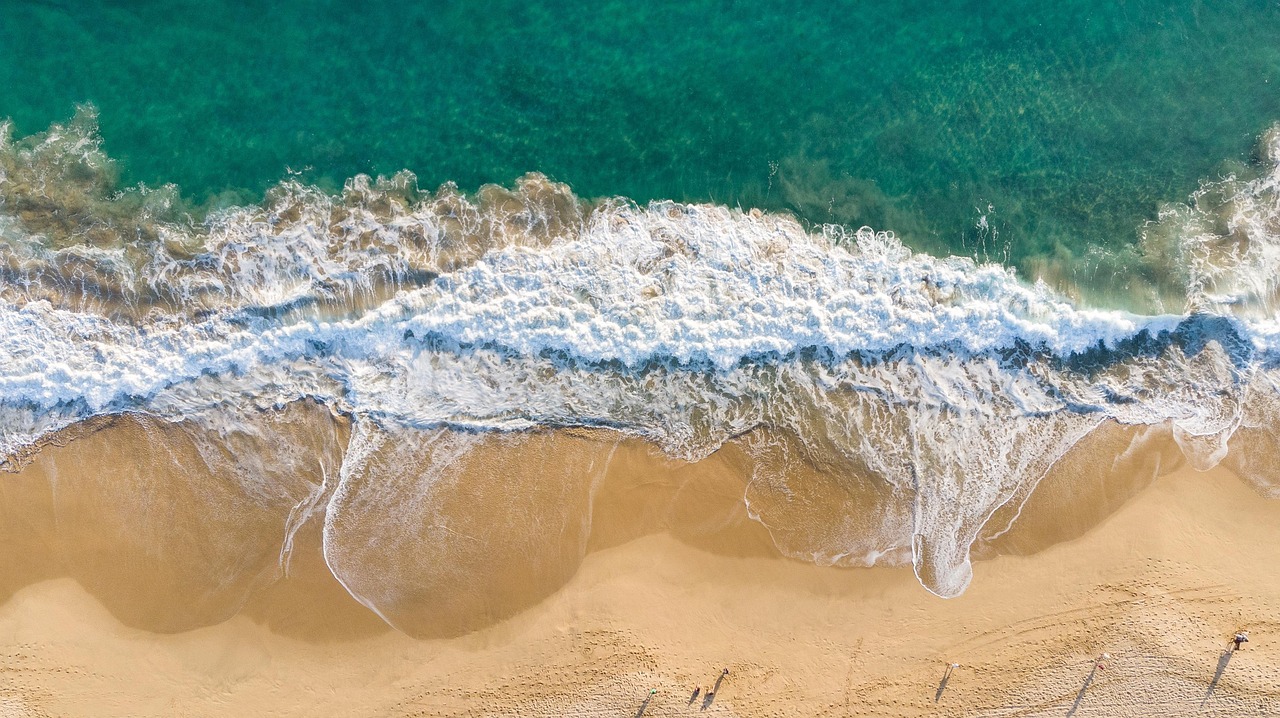
A person must first learn how to read the beach to find the locations of the fish. One way to read the beach is to study the color of the water. Changes in water color are often indicators of troughs and sloughs in which the fish live.
2. Identifying Rip Currents
Additionally, a person can study the beach for the presence of rip currents in the beach. These currents is often beneficial for surf anglers because they carries the baitfish and shrimp into the areas in which predators live and hunt for those fish. Anglers should cast their bait in the edge of the rip current, but not into the middle of the current, which may pull the bait away from it target fishing area.
3. Observing Wave Patterns

Observing the waves will help an angler understand the conditions of the ocean floor. Small waves indicate a flat ocean floor, while large sets of waves may indicate a bar-and-trough system in which fish live. Additionally, if an angler watches the ocean floor while the waves roll in, if the water moves quickly in one direction, an angler has found a rip current in which fish live.
4. Timing the Tides
The time of day that an angler performs surf fishing is also important. Anglers find that the two hour before low tide and the two hours after low tide are the best times to fish. Low tide is a good time of day to fish because the fish begins to migrate towards the shoreline to hunt for their bait.
5. Moon Phases and Mullet Runs
Additionally, the new moon and the full moon are beneficial times to fish because the moon influence the tides. During the summer season, another high point in surf fishing is the mullet run. During a mullet run, large schools of mullet is found on the shoreline, which attract other predators such as snook and jack crevalle.
6. Essential Surf Fishing Tackle
Anglers should take advantage of this event and fish during the transition of tide from outgoing to incoming tides. In order to surf fish effective, an angler must use the appropriate tackle. An angler can use a medium-heavy fishing rod between 7 and 9 feet in length.
Additionally, instead of a standard fishing reel, an angler should use a spinning reel with at least 200 yard of 20 pound braid fishing line. The braided line allows the angler to easily feel the bites of the fish. Additionally, tying on a 30 pound fluorocarbon leader line will protect the fishing line from the teeth of fish like bluefish.
7. Effective Weights and Hooks
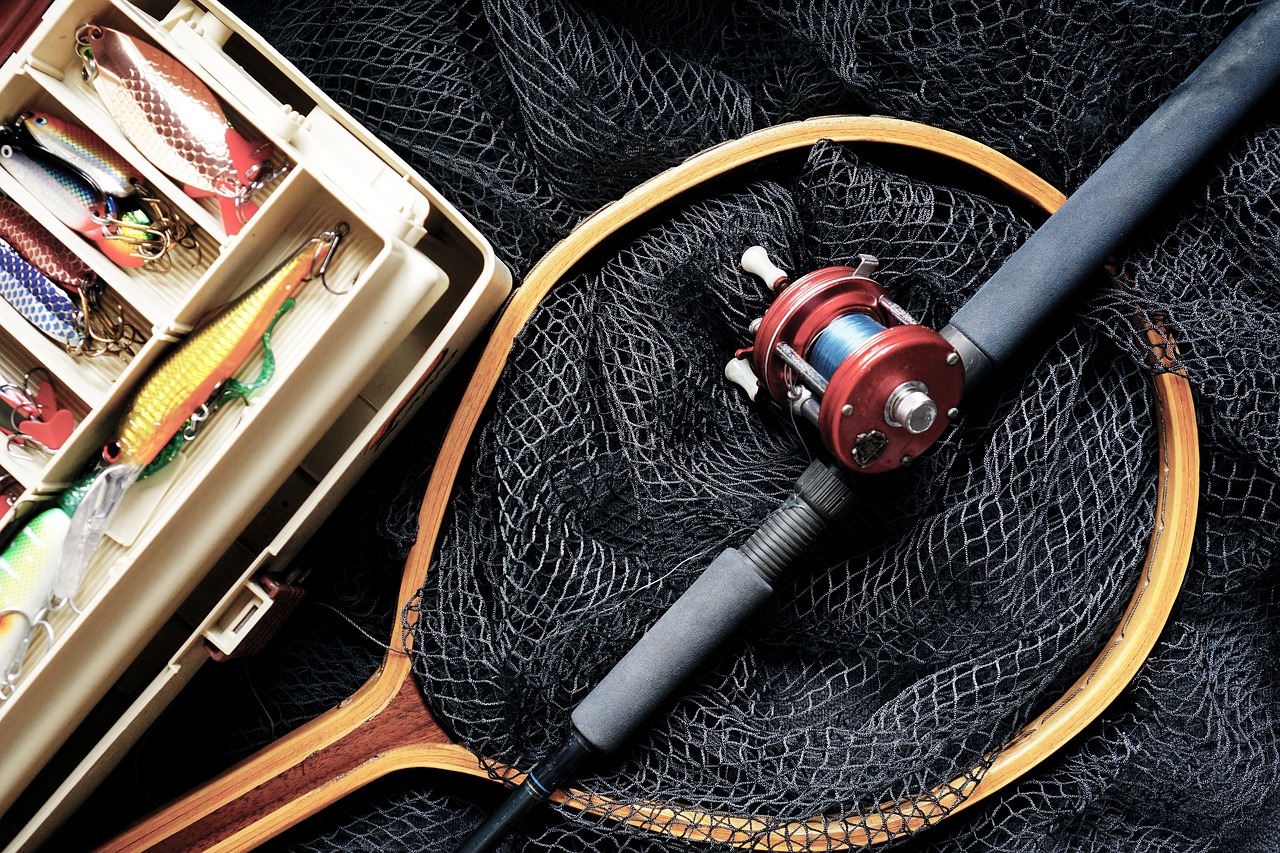
An angler does not need to use complicated equipment to catch the fish. Pyramid sinkers, circle hooks, and fresh bait will allow an angler to find success in the surf. Pyramid sinkers hold to the ocean floor, yet release from the fish when the fish begin to pull on the fishing line.
Additionally, using circle hooks will allow the angler to release the fish without damaging the fishs internal organ.
8. Choosing the Right Bait
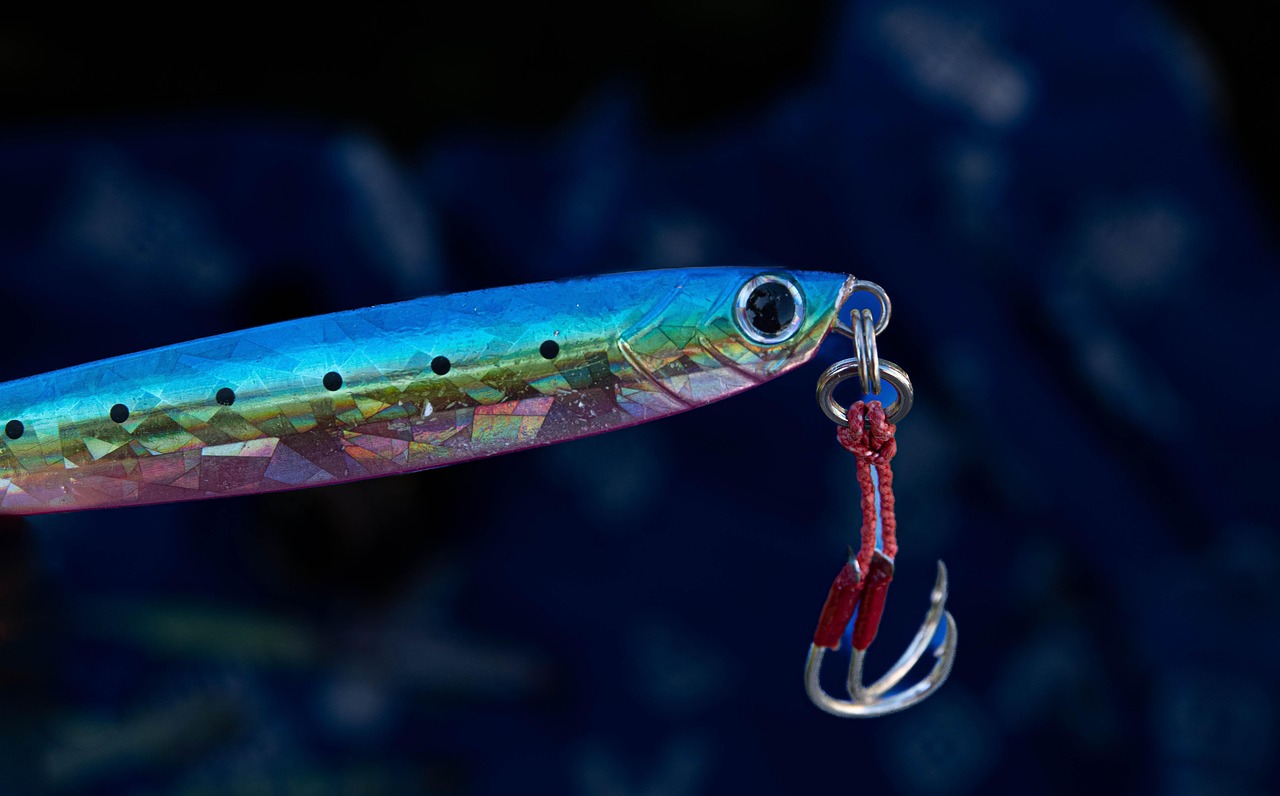
The type of bait used is a vital part of surf fishing. Baitfish such as shrimp, finger mullet and sand fleas are some of the best bait for anglers to use.
Anglers can also use cut bait from ladyfish or mullet to attract other fish such as sharks or rays. During the pinfish and grunt fish migration months, anglers can use pinfish or small grunt fish as bait. Additionally, if baitfish can be seen at the surface of the ocean, anglers should use fishing rigs that keep the bait close to the waters surface.
Additionally, if birds can be seen diving into the ocean over the shoreline, anglers should use lures such as metal spoons to attract the fish.
9. Mastering Casting Techniques
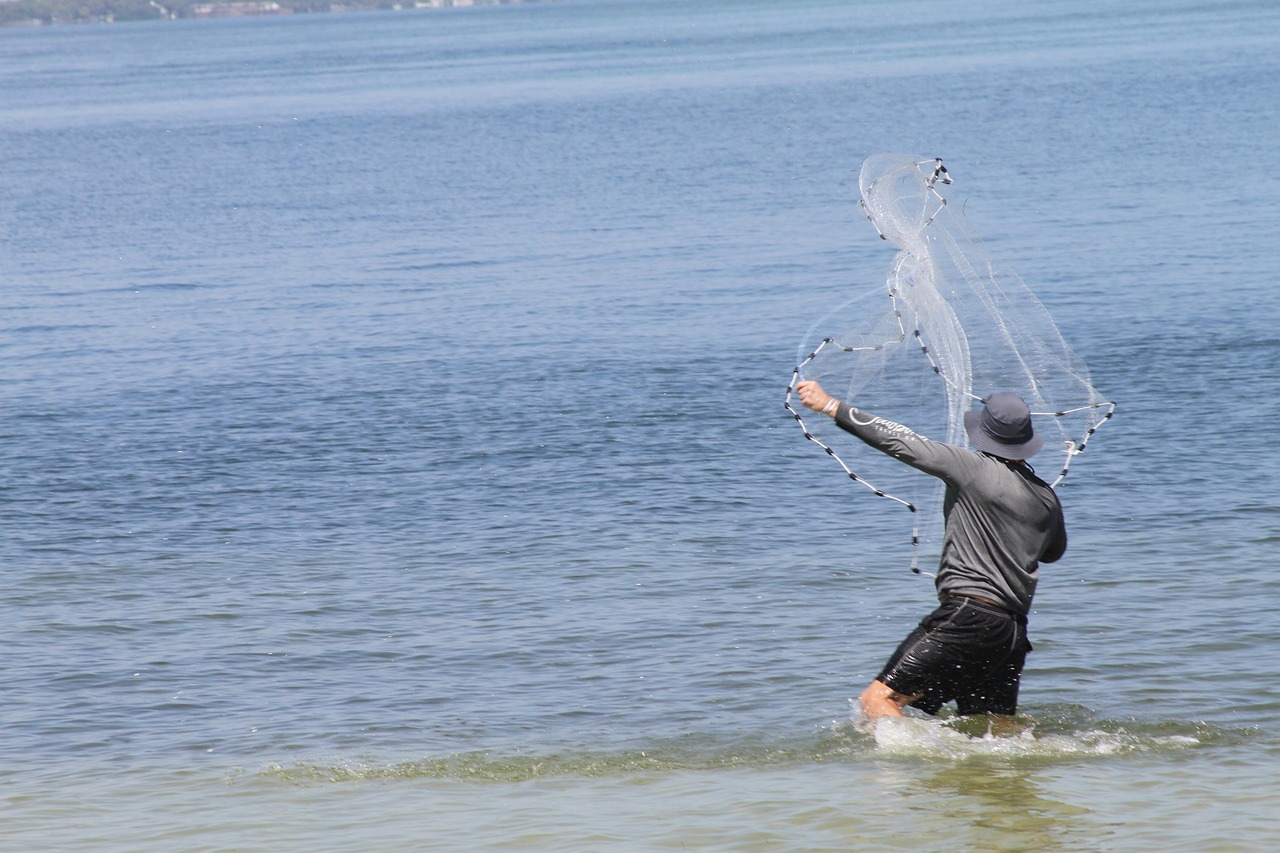
An angler must learn some basic casting technique when performing surf fishing. Anglers should not focus on casting their line the furthest distance possible.
If the wind is blowing towards the shoreline, side arm casts will keep the bait from being exposed to the wind. Additionally, if a fish bites at the bait, the angler should not immediately attempt to set the fishing line. Instead, the angler should wait for a solid weight on the fishing rod before setting the hook.
10. Maintaining Fishing Gear
An angler must maintain their fishing gear while performing surf fishing. The salt in the ocean water will damage fishing gear if it is not rinsed with fresh water after each fishing trip. If an angler does not rinse their gear after each fishing trip, the salt will damage the fishing gear.
Additionally, the knots on the fishing line may snag on the ocean floor. Therefore, anglers should retie knots after a few fish are caught or if the line has snagged on the ocean floor. Having reel oil and grease in an angler’s bag will make it easier to maintain their fishing gear.
11. Prioritizing Safety
Safety is the most important component of surf fishing. Anglers must be aware of the rip currents in the ocean. If a rip current pulls an angler out to sea, they should swim parallel to the beach, instead of against the rip current.
Additionally, lightning can strike both the ocean and the shoreline. Therefore, anglers should check the weather prior to go surf fishing. If thunder is heard, anglers should leave the beach immediately.
By understanding how to read the surf, using the appropriate bait, and maintaining the fishing gear, an angler will have more success in their surf fishing efforts in Florida. By preparing for the conditions of the ocean, anglers will find more success in their attempts to catch the fish.