
Fishing line is a critical component of the fishing process because fishing line connect the fisherman’s fishing rod to the fish. If the fishing line fails, the fisherman will lose his catch of either lure or fish. Many peoples focus on purchasing fishing rods and reels but neglect the importance of the fishing line.
Understanding the various problems that a fishing line can cause is essential to prevent failures in the fishing line.
Common Problems With Your Fishing Line
1. Line Memory
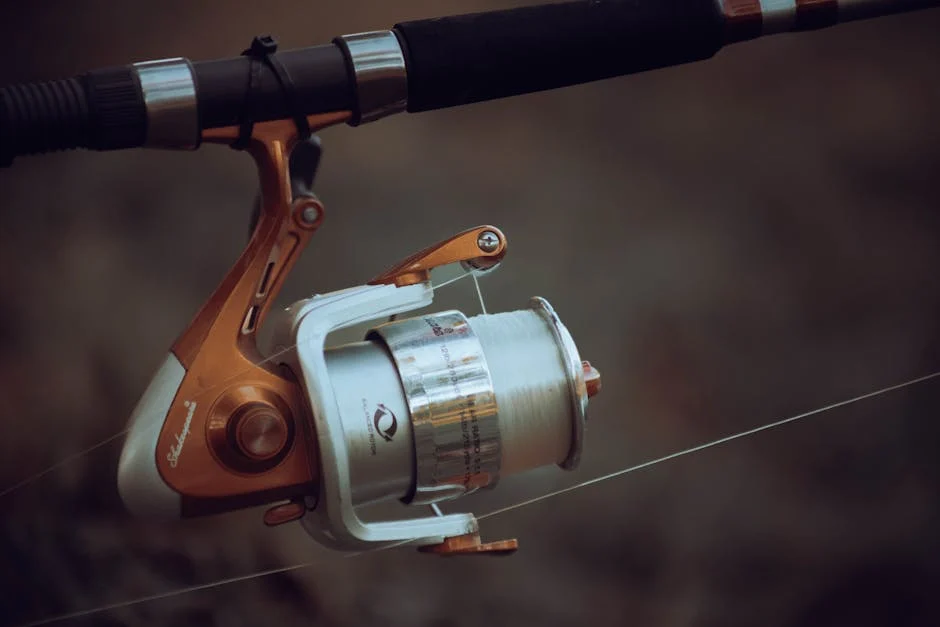
One problem with fishing lines is line memory. Line memory mean that the fishing line remembers the position of the lines spool.
If fishing line retains the coiled shape of the spool, the line will form loops that make it challenging for the fisherman to cast the line. Fishing lines made of monofilament or fluorocarbon will exhibit line memory. To combat line memory, store the fishing line in a cool place.
Additionally, stretching the line between you hand before use will reduce line memory.
2. Abrasion Resistance
Abrasion resistance is another problem with fishing lines. Fishing lines can get abraded against rocks, dock pilings, or the teeth of the caught fish.
Abrasion will weaken the fishing line and make it break easy. Fluorocarbon and braided lines exhibit good abrasion resistance. Always inspect your line before use by running it between your fingers.
If the line feels fuzzy or rough at any spot, it has likely been abraded and should of be discard.
3. Knot Failure
Another problem with fishing lines is the failure of the knots. When tying the line to the fishing lure, the line will fray at the knots if the knot is tied incorrectly.
Use the wrong type of knot for the fishing line, and it will fail. Always match the type of knot to the fishing line. Additionally, wet the fishing line before you tighten the knot.
This will prevent the heat generated by the friction of the line’s strands from weakening the line. Finally, pull on the knot to ensure it is secure before fishing.
4. Wind Knots
Wind knots are another problem that develops in the fishing line.
A wind knot is a tangle that forms in the fishing line while the fisherman is casting the line. If the fisherman use spinning gear with a light fishing line, wind knots are likely to form. These tangles can make the fishing line difficultly to cast.
To avoid the formation of wind knots while fishing, keep tension on the line when you cast and you should close the bail of the fishing reel with your hand. If you notice a wind knot, work it loose with your fingers or cut it out of the line.
5. Ultraviolet Damage
Ultraviolet damage occur from the line’s exposure to sunlight.
UV damage will weaken the fishing line. Monofilament and fluorocarbon fishing lines weaken from UV exposure over time. Even if the fishing line looks good, it can have lost its fishing line strength due to UV exposure.
To avoid this problem, store your fishing reels in a spot that isnt exposed to sunlight.
6. Line Stretch
Line stretch means that the fishing line expands when the fish pull on the line. Monofilament lines exhibit a high degree of line stretch.
Braided lines have very little line stretch. Many fisherman will use braided fishing line and attach fluorocarbon line to the braid. Fluorocarbon line offers invisibility for the fish and some line stretch, while braided fishing line offers strength and sensitivity to the fisherman.
Fishing line diameter is the thickness of the line. The heavier the fishing line, the more larger its diameter. The larger the diameter of the fishing line, the heavier it will feel and the more slow it moves through the water.
Using a fishing line that is too heavy for the fishing situation might spook the fish. Additionally, it might be difficult to cast the line. Ensure that the fishing line’s diameter match the water’s clarity and the weight of the fishing lure.
By properly maintaining your fishing line and using the correct type of line, a fisherman can avoid many common problems when fishing.