
A spinnerbait consist of a wire frame, one or two blade, a skirt, and a hook. Spinnerbaits are effective at producing strike from fish; however, a spinnerbait can fail to produce strikes under specific condition. The effectiveness of spinnerbaits can fail to produce the desired result from time to time.
However, spinnerbaits has specific problems that can be fixed to produce more effective results from using these bait type. One of the problem that can occur with spinnerbaits is the line twist. The spinning blade of the spinnerbait produce a twisting motion that is transmitted along the fishing line.
Common Problems With Your Spinnerbaits
1. Preventing Line Twist
This line twist cause the line to develop coil that can make the spinnerbait rise or fall. Furthermore, the line twist can weaken the fishing line at the knot. Additionally, if the line twist is strong enough, it can break the fishing line when the fish attach itself to the hook.
To prevent the line twist, angler should use a ball bearing swivel that can stand at least thirty pounds of pressure. The angler should attach the swivel to the fishing line between the main line and a twelve inch leader of twenty pound fluorocarbon line. The ball-bearing swivel will absorb the spin from the blades and keep the fishing line straight.
2. Choosing the Right Blades
Another problem is the blade selection. Willow blades vibrates and flash the spinnerbait, making it effective in clear water. On the other hand, Colorado blades push more water and make a larger thump.
Colorado blades are effective in stained water and when the bass is aggressive in their attacks on the bait. Many angler commit an error by using only one type of blade for an entire fishing season. For example, using a Colorado blade on a small head will move too much for bass in shallow water.
Using willow blades in these area will attract more fish. Depending on the water clarity, angler should have willow and Colorado blades on their spinnerbaits. The condition of the skirt on the spinnerbait can deteriorate when the spinnerbait hit objects in the water.
3. Maintaining the Skirt
The silicone strand on the skirt can tear. Additionally, the skirt can clump when it hit these objects. A torn skirt will not look as good of a food source to the fish.
Additionally, the skirt will change the profile of the spinnerbait. Trim the skirt to even with the bend of the hook. Add extra strand to the skirt in a contrasting color to improve the appearance of the skirt.
By maintaining the skirt of the spinnerbait, the bait will maintain it’s fresh appearance. The sharpness of the hook is important. Spinnerbaits can hit rocks, wood, and grass.
4. Keeping Hooks Sharp
These object can create a dull point on the hook over time. Using a dull hook will not allow the spinnerbait to catch the fish. The fish will not bite.
Sharpen the hook after each fishing trip. Use a fine file or hone to sharpen the hook. Additionally, if the barb on the hook wear down over time, replace the hook with a heavier gauge model.
Using sharp hook will allow the spinnerbait to effectively catch fish. The speed at which the angler reels in the spinnerbait can impact the effectiveness of the bait. If the spinnerbait is retrieved too fast, the spinnerbait will move out of strike zone of the fish.
5. Effective Retrieval Techniques
To prevent this from occurring, angler should vary the rate of the spinnerbait every ten casts. Additionally, the angler should stop the spinnerbait for one or two second. This will allow the blades to stall and the spinnerbait to drop.
The hesitation will provoke the bass to strike the bait. There is no one way to retrieve a spinnerbait. The rate of the retrieve will depend on the movement that bass prefer in specific time of the day.
Another problem is the size of the blade in relation to the head weight of the spinnerbait. Using a large Colorado blade on a light head will make the spinnerbait climb towards the water’s surface. When retrieving the spinnerbait at a faster rate, the bait will climb even more towards the water’s surface.
6. Matching Blade Size to Head Weight
Therefore, the angler must match the head weight to the size of the blade to match the depth that the fish are in. Using three-eighth ounce head weights with small willow blades will remain in the same depth. However, using three-eighth ounce head weights with large Colorado blades will cause the bait to move towards the water’s surface.
Therefore, having control over the depth that the spinnerbait will travel is essential for angler to focus on their casts. The choice of trailer for the spinnerbait can change the way the spinnerbait move in the water. A slender swimbait trailer will add subtle movement to the spinnerbait.
7. Selecting the Right Trailer
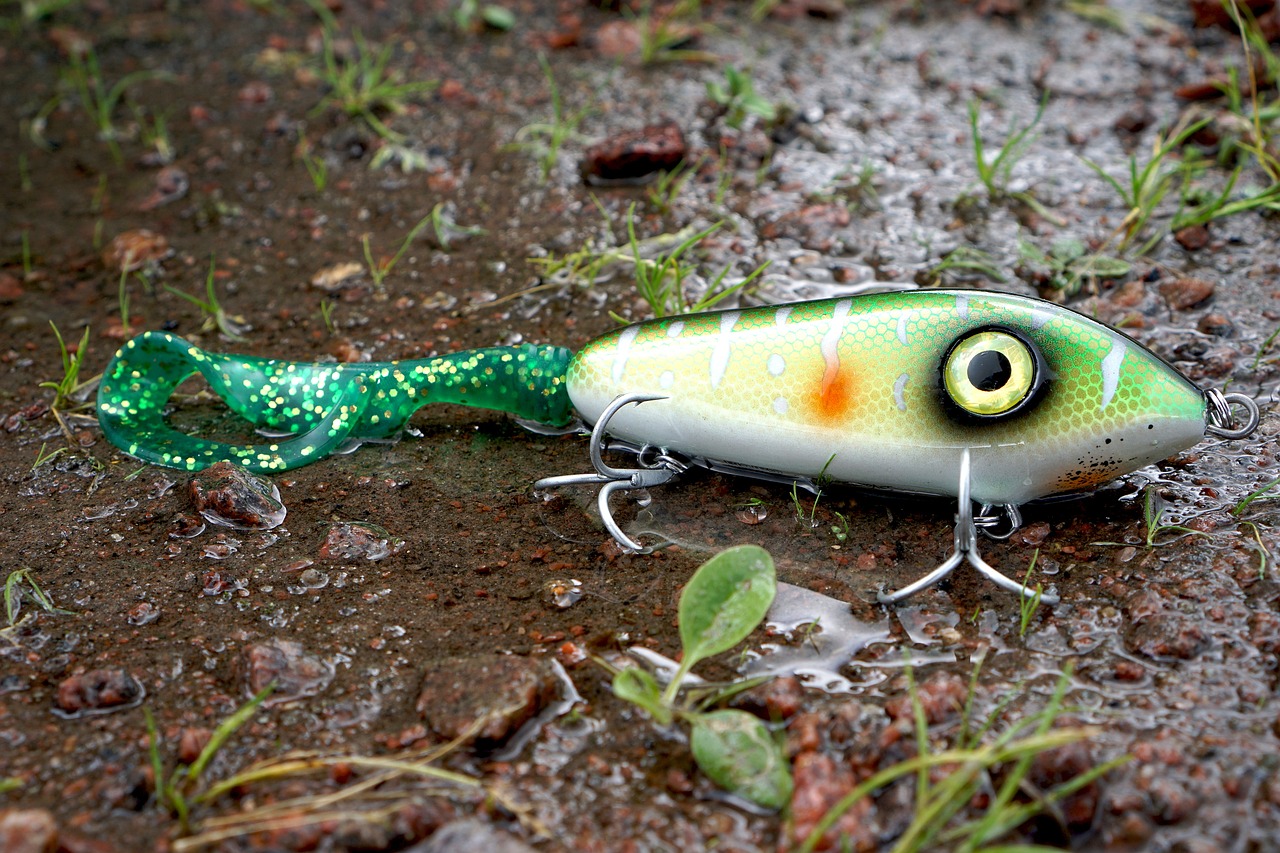
However, a chunk style trailer will add bulk to the spinnerbait. The angler must match the size of the trailer to the head weight of the spinnerbait. Using a bulky trailer on a light spinnerbait will cause it to nose dive.
Additionally, using a thin trailer on a heavy spinnerbait will make the spinnerbait look too small. By using different sized trailer, angler can adjust the spinnerbait to look like different type of food in the water. The color of the spinnerbait should be chosen based on how visible it will be underwater.
8. Choosing Colors for Visibility
Spinnerbaits in colors like chartreuse or white will show up in many water condition. On the other hand, using dark color will create a silhouette against the sky that will dissapear quickly in the low light of the water. Angler should carry spinnerbaits in bright color and dark color to match the color that the fish prefer.
9. Balancing Tackle and Line
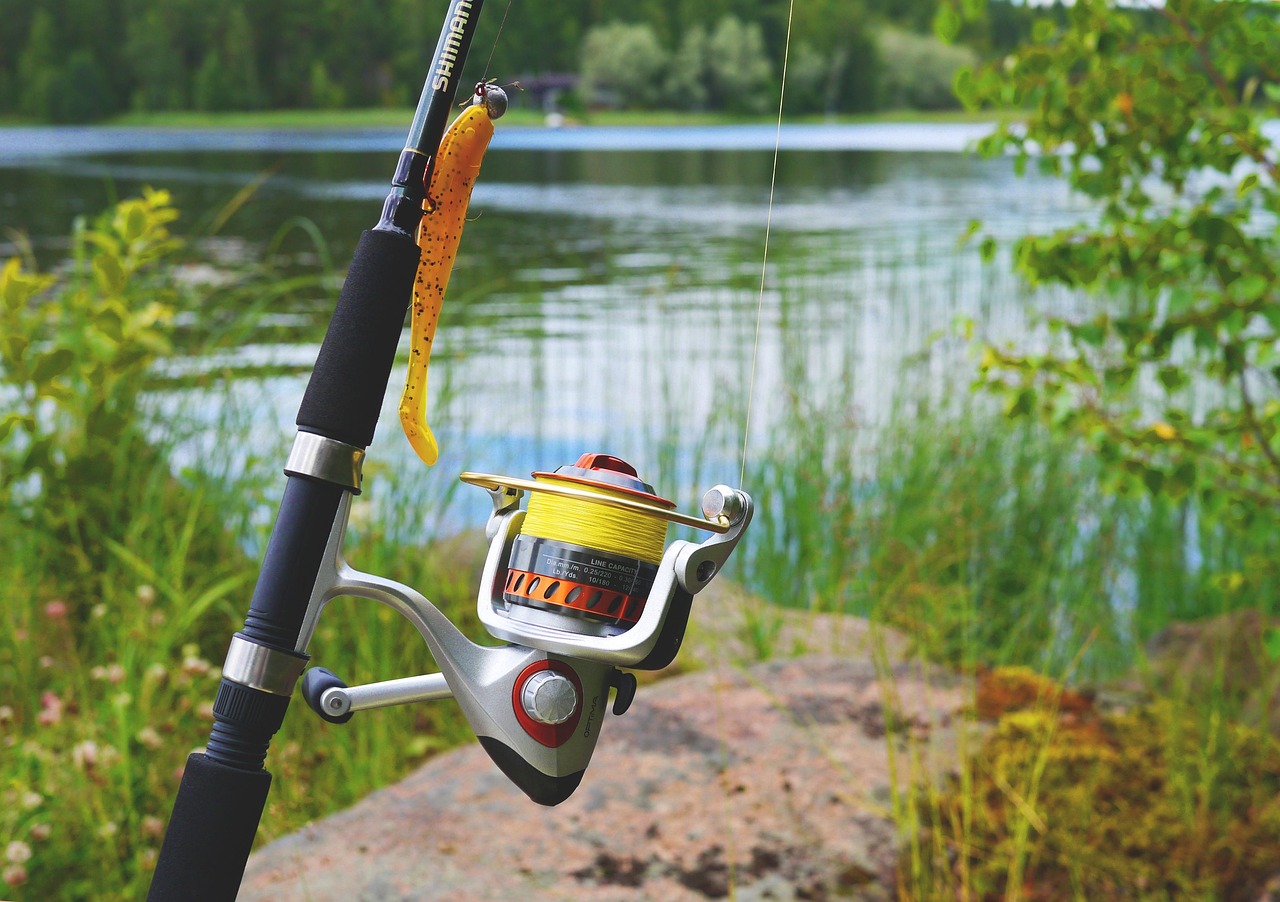
Finally, to produce the best result from a spinnerbait, the tackle should be properly balanced. Using the proper rod will allow the spinnerbait to effectively drive the hook and load the rod during the cast. Use a spinnerbait with a twenty pound braid or fifteen pound monofilament line.
Using too light of a line will make the spinnerbait not respond to the angler’s effort. Additionally, if the line is too heavy, the spinnerbait will lose its subtle movement when traveling through the water. When all the component of the spinnerbait and the tackle are in the correct balance, the spinnerbait will perform as it should.