
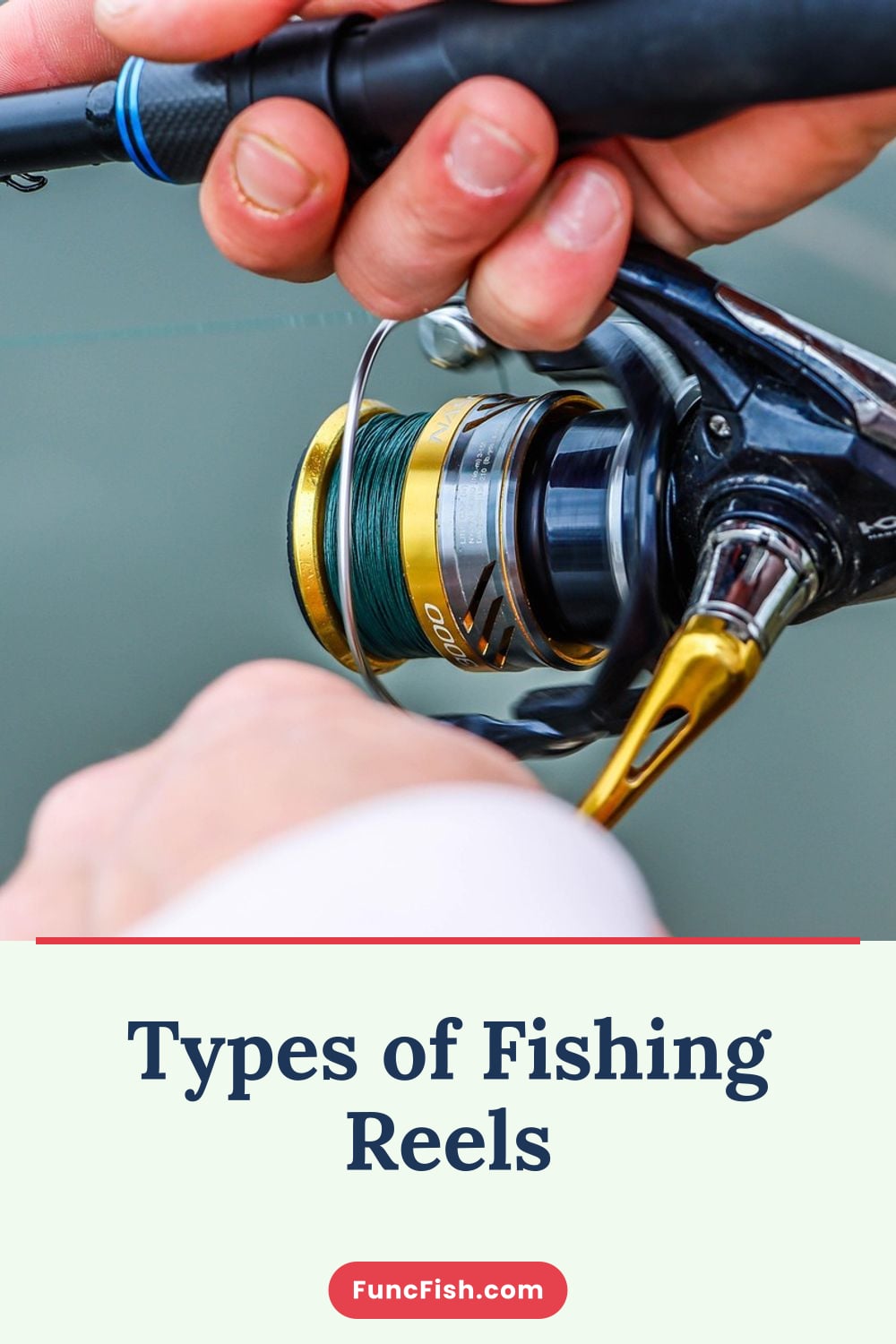
Fishing reels is located at the center of every cast that you make. Fishing reels are also at the center of every fight that you win with the fish that you are reeling in. The fishing reel can manage the power of the fish and you have a choice of how much line to allow off the fishing reel during your next throw.
If you choose the wrong fishing reel you will end up spending your time fighting with knots and bird nests. If you choose the right fishing reel the entire fishing experience will become effortless even when the fish fight back with a great force. There are difference between each type of fishing reel.
Each type of fishing reel is designed to solve specific problems that result from physics and the behavior of the fish you are after. If you understand the different types of fishing reels you can match the right fishing gear to the type of water you will encounter and you will not have to fight with your fishing gear all day. There are five different type of fishing reels, each of which solves a specific problem for anglers and caters to a specific category of fishing.
Common Types of Fishing Reels to Use
1. Spinning Fishing Reels
Spinning fishing reels are very common when you go into the different tackle shops. For beginners the spinning fishing reel allows them to learn to cast without having to worry about backlashes. However, there are also benefits to the spinning fishing reel for the more experienced anglers as well.
The spool of the spinning fishing reel allows the line to remain in a fixed position that is parallel to the fishing rod. This means that when the anglers cast the line the line will leave in coil. However, the bail arm on the fishing reel allows the line to return to the spinning fishing reel.
This forgiveness allows those who is learning to cast and those who are battling windy conditions to use these fishing reels. Fishing spinning reels will come in handy when you must cast your bait over long distance into the water. Additionally, if the type of fish you are targeting require delicate casting techniques a spinning fishing reel will work for you.
Spinning fishing reels are best for species like trout, bass, and redfish. However, spinning fishing reels cannot match the speed at which other types of fishing reels will allow you to cast your fishing lure back to your fishing boat.
2. Baitcasting Fishing Reels
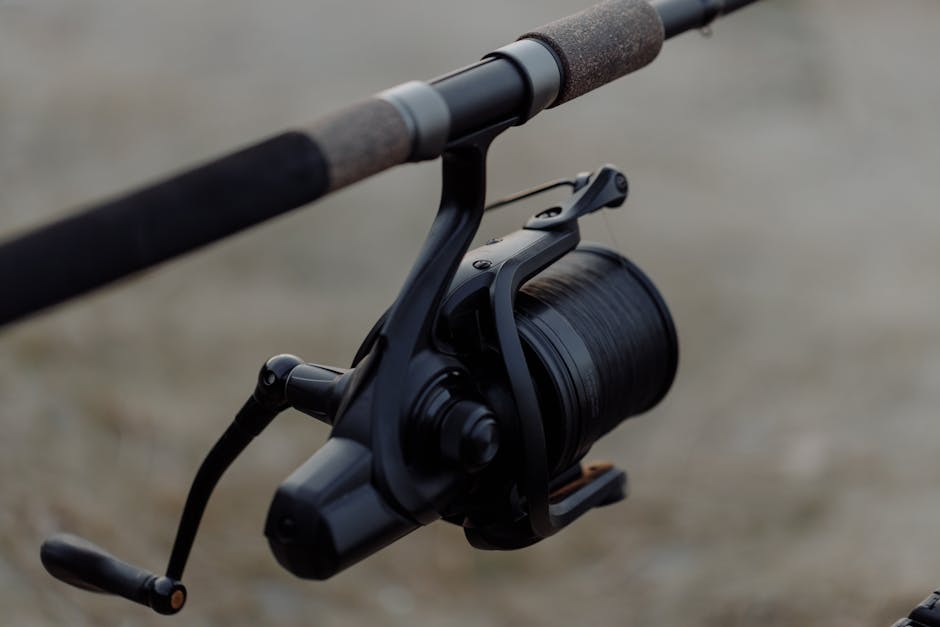
Baitcasting fishing reels might look complicated, but they offer anglers unmatched precision with the use of these fishing gear.
The spinning spool of these fishing reels allow anglers direct control over the speed of the fishing lure as it leaves the fishing reel. This makes it easy for anglers to cast into tight spots in the water. These types of fishing reels are common among bass anglers and those who fish in areas with a lot of cover.
The profile of these fishing reels is low so they are comfortabley to hold all day. Additionally, the gear ratio for baitcasting fishing reels are higher than spinning fishing reels so anglers can retrieve the bait faster. However, there is a difficult learning curve for these types of fishing reels.
Even the most experienced anglers can experience backlashes with baitcasting fishing reels when they are using light line or in the presence of strong winds. The correct amount of tension can be learned through practice using these fishing reels.
3. Spincast Fishing Reels
Spincast fishing reels are common among beginners and older anglers.
This fishing gear hides its mechanical parts under a face so that it looks similar to science fiction props. These fishing reels feature a push button that replaces the bail arm for the fishing line. Additionally, fishing line exits the fishing reel through a cone-shaped cover.
These features protect the fishing reel from getting dirt in it and make it easy for the angler to cast their line. Spincast fishing reels come in handy in situations where ease of use is the top priority for the angler. These fishing reels are helpful when fishing for panfish, in small trout streams, or when teaching a child how to fish.
However, spincast fishing reels are not recommended for distances or for fishing with heavy weight. Additionally, because the fishing line is enclosed the fishing reel will have a limit to how much line it can hold. Therefore, these fishing reels will become a limitation to the angler if they are trying to fight large fish in open water.
Fly fishing reels look simple with most models having just a frame that holds the spool and very little gearing. The simplicity of these designs is part of their primary purpose. For the sport of fly fishing the line used is heavy enough to hold the fishing rod and bring the nearly weightless fly to the desired location.
The fishing reel allows for storage of the line and also acts as a brake for the fish when the fish begin to run with the fishing line. These types of fishing reels become more helpful for anglers when they are chasing large brown trout and steelhead fish. The best models have drag systems that allow for smooth movement of the line and the tippet so that it does not break while the fish is fighting.
Because these fishing reels are not designed to cast the line they are primarily designed to protect the fishing leader and the fish which will normally weigh more than the fishing rod. These fishing reels are rarely used for other form of fishing.
4. Conventional Trolling Reels
Conventional trolling reels are also referred to as big game reels.
These types of fishing reels are very large and strong enough to handle large fish, thick fishing lines, and heavy lures. These fishing reels can handle multiple gear ratios to allow anglers to quickly get their lures down in deep water as well as allow them to fight some of the largest fish they encounter. Anglers who troll for offshore fish as well as those who are after muskie, pike, and large catfish will rely on these types of fishing reels.
The massive spinning spools can hold large amount of line for the fastest fish. The drag systems use materials like carbon fiber that allow them to dissipate the heat created when they are fighting the same fish for twenty minutes. The downside of big game reels is that they are very heavy and bulky.
However, if an angler tries to cast all day with a big game fishing reel it may become uncomfortable due to the weight of the fishing reel. Each type of fishing reel has a specific niche within the fishing world. The variety of fishing reels may seem unnecessary, but people perfected the specifications of each type over time for these fishing tools to solve the exact problems created by the fish and the water where these fish live.
A spinning fishing reel may work for angling for smallmouth bass in a lake but will be underpowered when battling a tuna in the ocean. A baitcasting fishing reel can easily flip a jig into a patch of brush home but will be difficult for those trying to fish with tiny trout flies. Understanding when to switch between different types of fishing reels is a skill that will separate the average angler from the expert.
The expert angler has a few sets of fishing gear for a few different situations that will allow them to have the best experience when they are on the water. For example, an angler might use a spinning fishing reel for the morning but switch to a baitcasting fishing reel during the afternoon when the fish are in heavy cover. The flexibility in changing gear will create great fishing days for the angler.
When purchasing a fishing reel there are some small details that you should pay attention to. Details like the gear ratio, the drag systems for the fishing line, and how the handle feels in your hand are more important to the angler than the colors of the fishing reel. The drag system should be smooth enough to prevent the hooks from coming out of the fish at a critical time.
Additionally, the fishing rod should be comfortable in your hand so that you do not develop cramps after a long day on the water. These details are the difference between the fishing reels you can tolerate and those you can trust. The water does not care how much your fishing reel cost.
The only thing that the water cares about is if you can present your bait in a natural way to the fish and if you can land the fish once it takes the bait. If you understand how to use each type of fishing reel and practice the skills required for each type of fishing gear you will find more enjoyment in the fishing process. This part of fishing is the reason why everyone continues to return to the water to fish for fun and relaxation.