
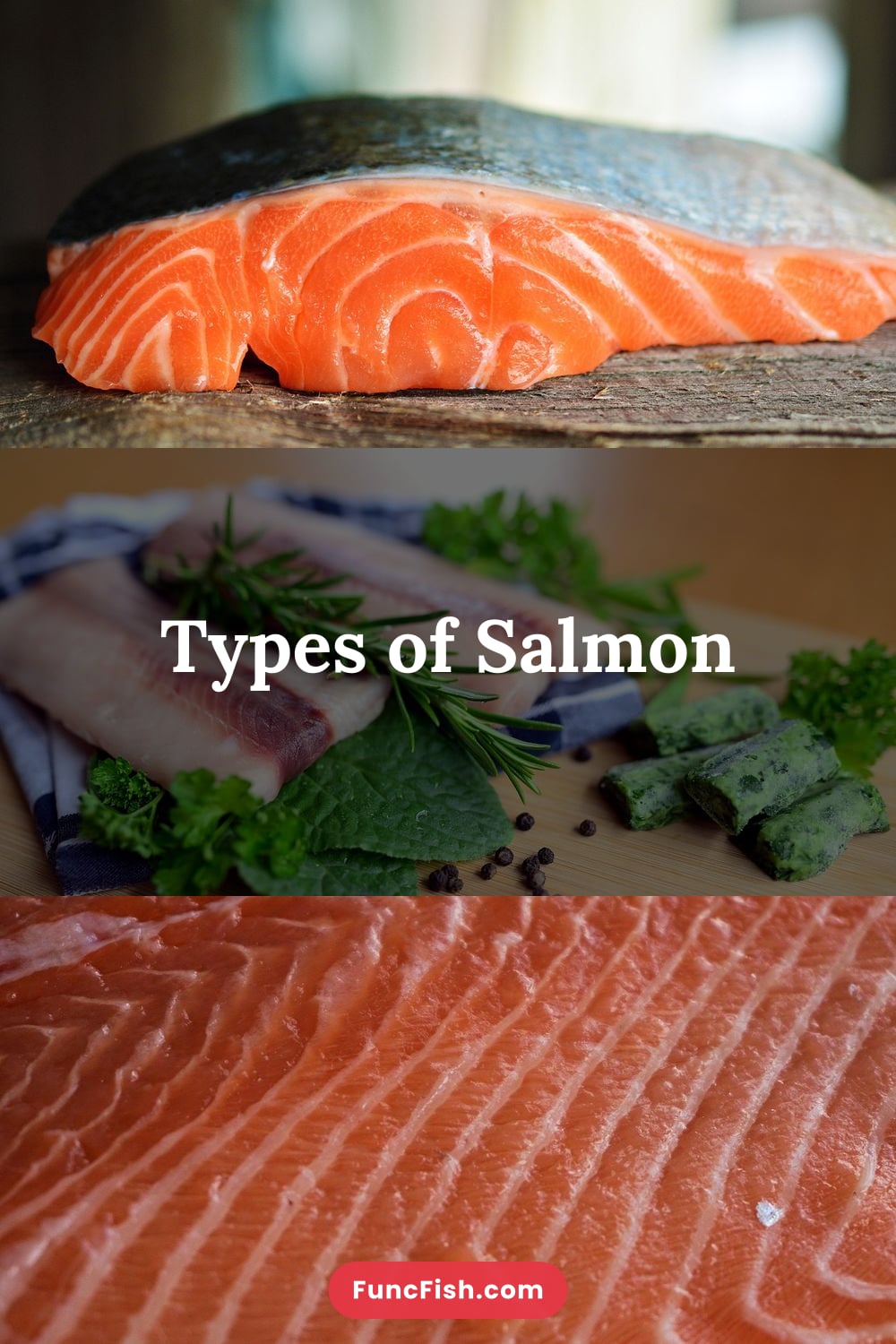
Salmon is an group of fish that vary in many ways. Salmon, for example, varies in its flavor, fat content, texture, and size. To prepare salmon in a certain way, it is important to understand the difference between the varieties of salmon.
The type of salmon that you use will change the way that the salmon taste when you eat it, as well as the way that the salmon reacts to the cooking methods that you use to prepare the fish. The fat levels of salmon species will determine how moist or dry the salmon when it is cooked. Atlantic salmon is a type of salmon that you will find very often in supermarkets.
Common Varieties of Salmon to Know
1. Atlantic Salmon
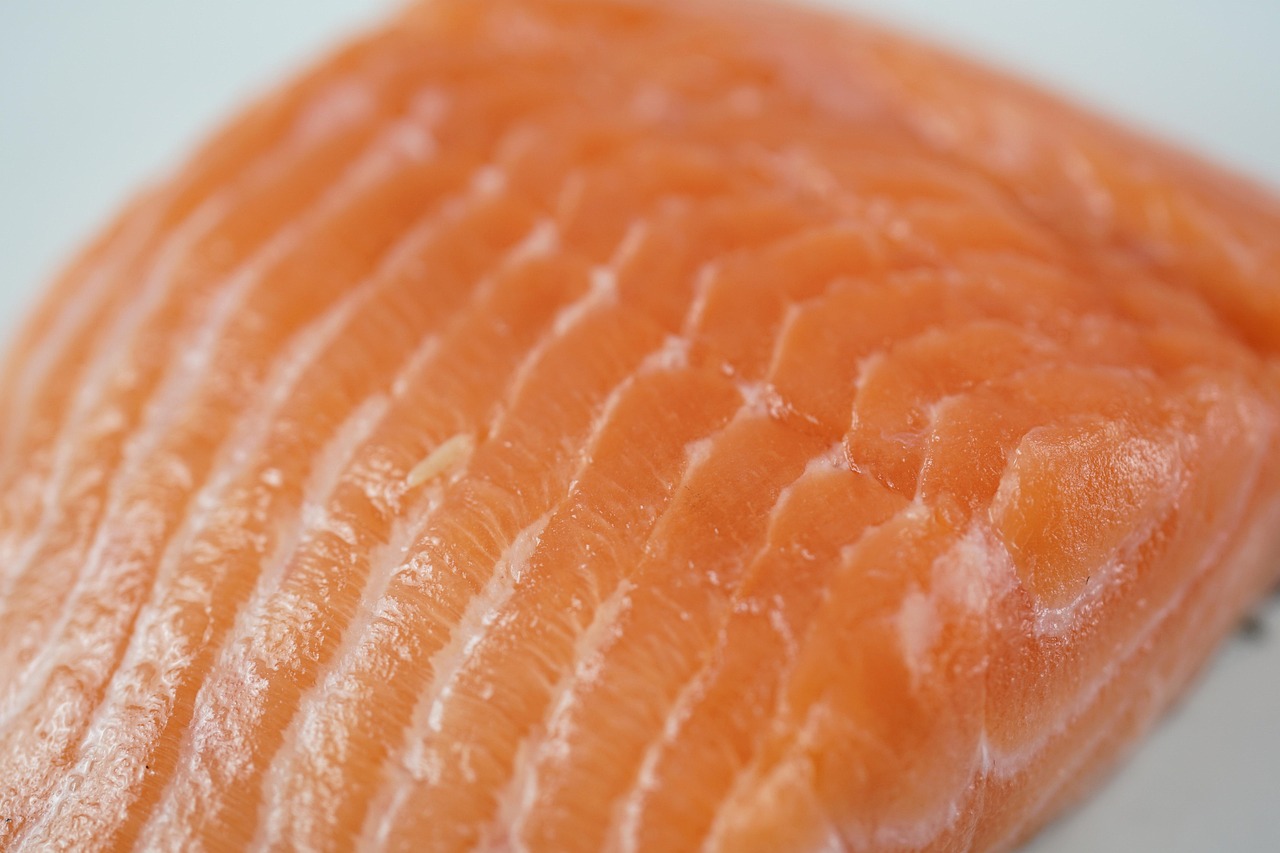
Atlantic salmon is usually farmed in large net pen in the ocean. Additionally, farmer raises Atlantic salmon in places like Norway and Chile. Atlantic salmon is very consistent in its flavor and texture.
Atlantic salmon has a mild flavor and contains enough fat to remain moist when baked or grilled. Although Atlantic salmon is less flavorful than salmon that live in the wild, Atlantic salmon is a popular choice for many cook.
2. King Salmon
King salmon, also known as Chinook salmon, is the largest type of Pacific salmon.
King salmon is very high in fat content, which provide it with a rich flavor. Because of the fat content of the salmon, it remain moist when cooked. King salmon is more expensive than other types of salmon, hence why it is refered to as a luxurius fish.
For this reason, it is best to use gentle heat when cooking salmon of this type.
3. Sockeye Salmon
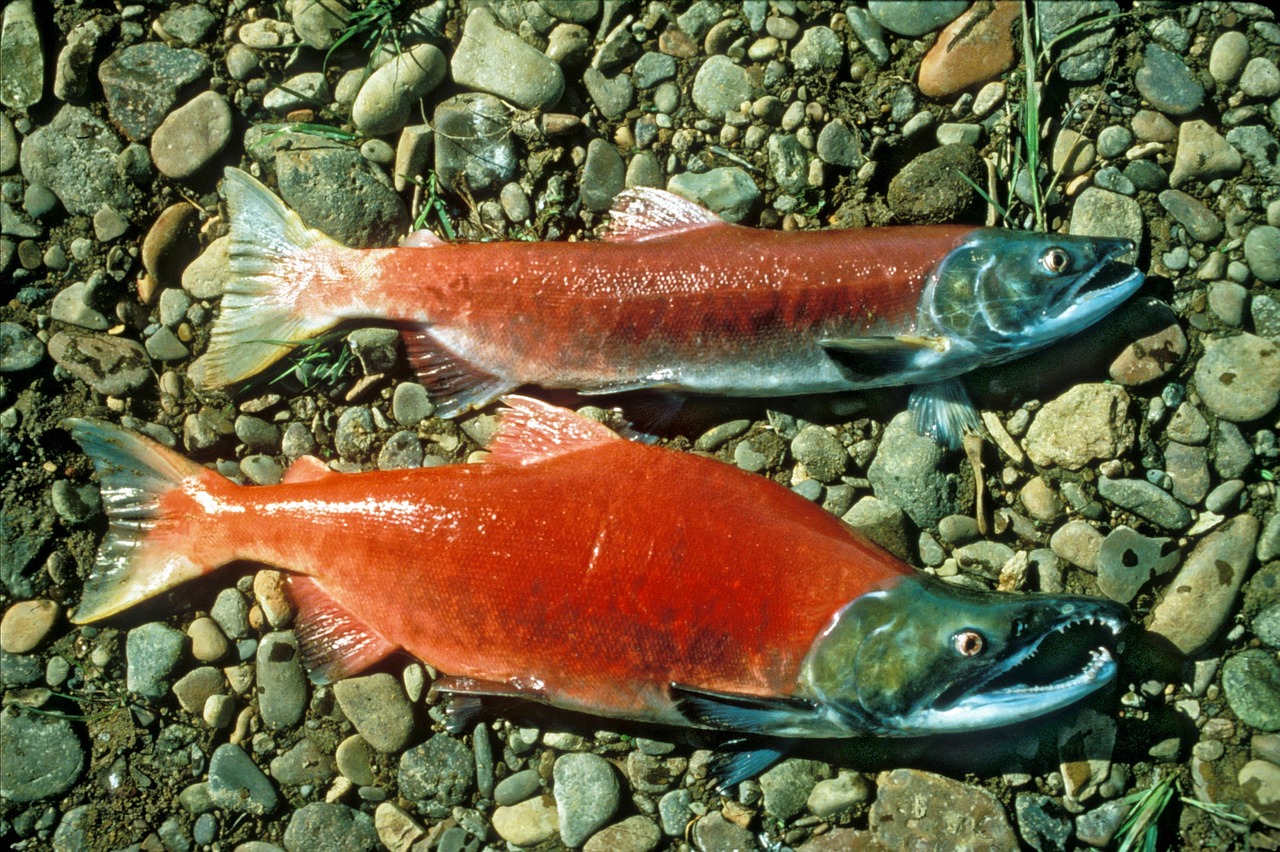
Sockeye salmon contains a deep red color, which comes from the plankton that it eat. The flavor of the salmon is bold and strong.
Sockeye salmon is lean in the same way that King salmon is not lean, but it contains less fat than Atlantic salmon. Because of the lean nature of the salmon, it can become dry if cooked for too long. Therefore, it is best used for smoking or grilling salmon, and you should take care with the cooking time.
4. Coho Salmon
Coho salmon is a type of salmon that offer a balance to the other types. Coho salmon is smaller than King salmon but contains more fat than Sockeye salmon. The flavor is not as mild as Atlantic salmon but not as strong as Sockeye salmon.
This type of salmon is best for various cooking method. Additionally, it freezes well, making it an ideal choice for individual who wish to store salmon in the freezer.
5. Pink Salmon
Pink salmon is the smallest and most abundant type of Pacific salmon.
This type of salmon has the least amount of fat content and the pale pink color. Because of the low fat content, pink salmon has a mild flavor. Additionally, people use pink salmon to make many canned salmon product.
It can also be used to make jerky and pate products or used in soups and chowders. Lastly, pink salmon is less expensive than other type of salmon, making it a good option for those looking to prepare salmon into their meal without spending too much of there money.
6. Chum Salmon
Chum salmon is another type of Pacific salmon that can be used for smoking salmon or making various salmon product.
This type of salmon is lean and have a mild flavor. While many people use salmon for subsistence fishing or to make salmon products, many chef have begun to use this type of salmon in moddern cooking techniques. However, because salmon is lean, you should avoid dry cooking method when preparing salmon of this type.
By preparing chum salmon correctly, it can offer a clean taste and deliver good value for the money. From the information presented above, there are various types of salmon that can be added to meals. Atlantic salmon is mild and consistent but King salmon has a rich flavor and high fat content.
Sockeye salmon has a bold flavor but Coho salmon is balanced in flavor and cooking methods. Pink salmon is small and have a mild flavor but chum salmon is lean in fat content and best used for smoking salmon. The type of salmon that you use will depend on the flavor you want for your dish and the cooking method that you will use to prepare your salmon.