
Fishing with live bait is the purest way to catch fish. When an angler select a creature that is wriggling and natural and drops it into the appropriate spot, the fish will strike. However, many fishing trips end in frustrations for the angler.
These frustrations arise from the problems between the tackle shop and the water. The live bait that is purchased for fishing requires the angler to care for it. Using live bait isnt to be used in the same fire-and-forget way that plastic worms is used.
From the time that the bait is first pulled from the bucket, every choice that the angler make impacts the life of the bait and the willingness of the fish to eat that live bait. By getting a few details right, the angler can increase the likelihood of catching fish with live bait. Getting these details wrong will result in the angler wasting their time and money on dead weight bait.
There are several problems with fishing with live bait that plague many angler. These problems include poor hooking technique, storing the live bait incorrectly, using live bait that is too large for the fish that are being targeted, ignoring the seasonal changes in the behavior of the live bait, failing to refresh the live bait often enough, using the live bait in the wrong habitat, overlooking the clarity of the water when selecting live bait, and lastly, giving up on the live bait too soon. Each problem has a fix that will allow the angler to avoid the frustration of these problems.
Common Problems When Using Live Bait
1. Poor Hooking Techniques
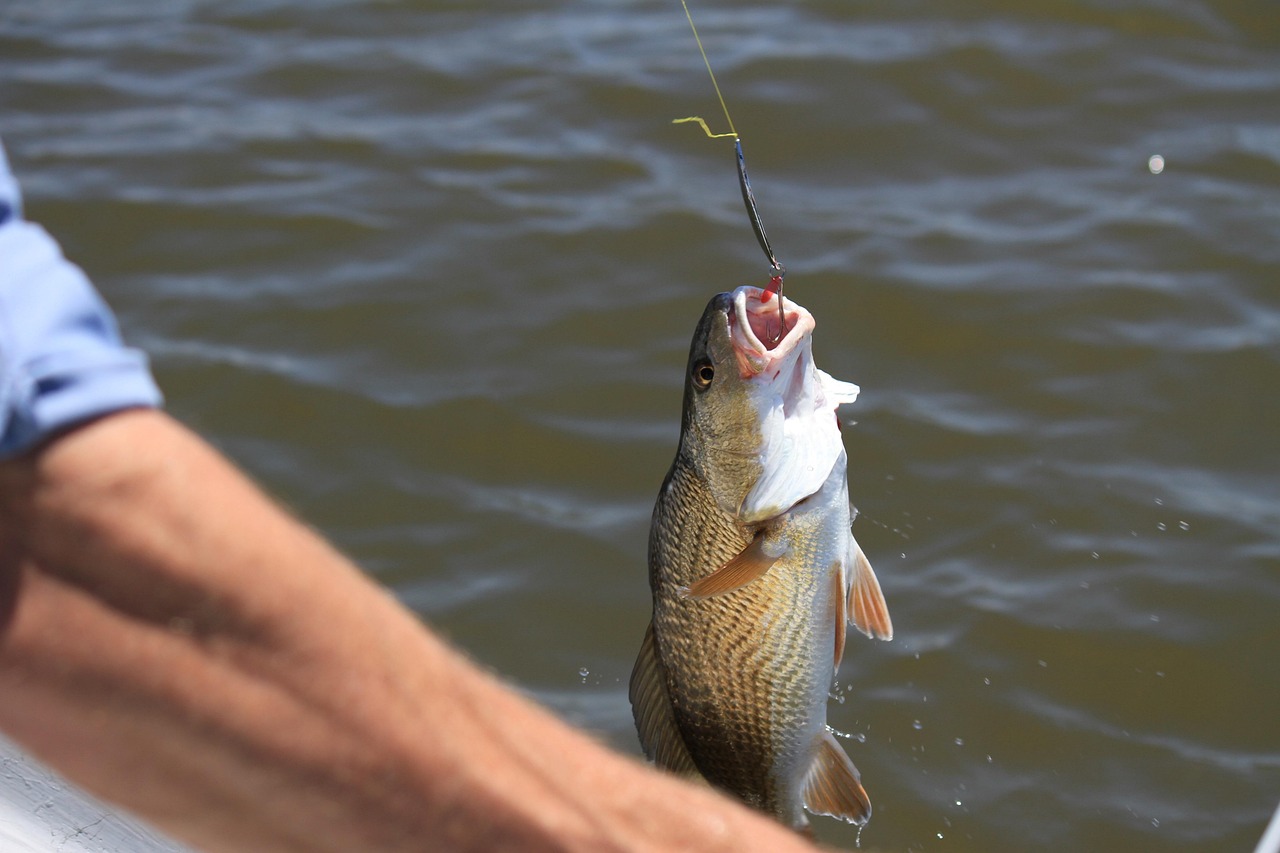
Poor hooking techniques ruin live bait more than any other problem. Many anglers will use a hook to take minnows or nightcrawlers, but they might not pay attention to where the hook goes through the bait. If the hook goes through the dorsal area of a shiner, it might kill the shiner by puncturing its organs.
Similarly, if the angler takes a nightcrawler with a hook through the middle, the live bait might become a burden when the two ends of the worm might flap at the same time. The fix for this problem is to use a fine-wire octopus hook for minnows, as it allows the hook to exit the minnow near its nose. For nightcrawlers, a size four baitholder hook with two small barbs work best.
This avoids skewering the worm twice. It takes the angler a few extra seconds to properly hook the bait. This extra time will pay off in the end with the live bait still being alive after the angler’s cast.
2. Incorrect Storing of Live Bait
Incorrect storing of live bait can kill live bait during a fishing trip that lasts for several day. Many anglers will store leeches in the livewell of their boat and forget about them. By the time that the angler gets to the middle of the day, the leeches will be starved for oxygen.
The issue for live bait is that they cant stand the heat. If the water temperature goes above sixty-five degrees, a nightcrawler will shut down. Minnows will die when the water temperature reaches the high seventies.
Leeches are even more sensitive than minnows. Using a good aerator will help the live bait. However, no aeration can fix the issue of poor insulation from the ice pack.
Anglers should store the live bait in a separate cooler that has an ice pack wrapped in a towel. This will keep the temperature of the bait in the low fifties. Minnows should have their water refreshed once a day.
Never store different live bait species in the same bucket. Crayfish will eat injured minnows when stored together. These small habits will extend the life of the live bait.
3. Using Bait That Is Too Large
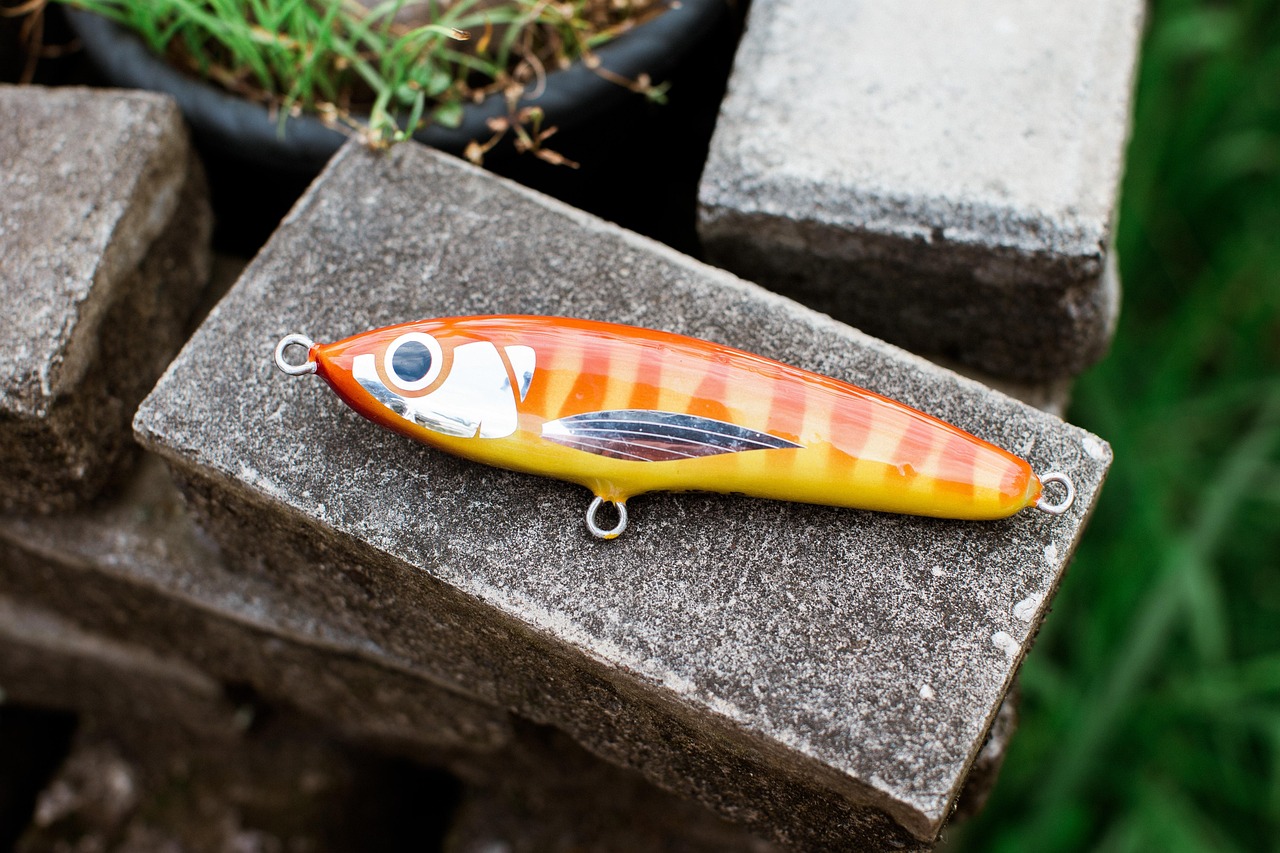
Using bait that is too large for the fish that are to be caught wastes the angler’s time and money. Many anglers want to use the biggest minnows or the biggest nightcrawlers. However, many of these fish will ignore bait that is too large for their mouths.
Additionally, they might get the angler’s live bait spooked when using oversized live bait. Even when the big fish strikes at the bait with the oversized live bait, the big fish will only eat the tail of the bait. This leaves the angler struggling with useless bait.
For fish species with large mouths, such as trophy pike, the angler should use larger sizes of live bait. For smaller species, the angler should start with smaller sizes of live bait. Using this method, the angler will go through more bait but will catch more fish.
4. Ignoring Seasonal Changes
Anglers must pay attention to the seasonal changes in the behavior of the live bait. The crayfish that an angler might have used in June can be ignored in September when the lake is in the same condition as in June. The live bait species must be fed with the same care that the fish species are fed.
For instance, leeches become less active in the fall when the water is cooler. Many angling trips use leeches in the spring and fall. Minnows do the opposite as they can live in cooler temperatures.
The angler should pay attention to the live bait species that are available in the lake that is to be fished. If schools of two-inch baitfish are visible on the water’s surface in October, use that size bait. Crayfish are soft in early summer when they are molting their shell.
5. Failing to Refresh Bait Often Enough
When these characteristics are understood, the angler will avoid using live bait that is essentially invisible to the fish. Failing to change live bait often enough is another problem that angler should avoid. The angler might catch a fish on the first cast with a minnow.
However, the angler may leave that same live bait for twenty minutes. Within that twenty minutes, the minnow will lose its life. Fish are very picky about the live bait that they see in their fishing spot.
They will not show interest in live bait that looks sickly. The live bait should be changed every ten to fifteen minutes in warm water. In cold water, live bait should be changed every twenty minutes.
Anglers will waste some live bait when changing it. However, they will catch more fish using the different live bait. Anglers can prepare a few extra live bait fish that are hooked and floating in a small mesh container.
By doing so, they will save the angler time when changing the live bait. The difference in the movement of the bait will be noticeable the moment that the angler drops the new live bait into the water. That extra movement will trigger the interest of the fish to start biting.
6. Ignoring Habitat Preferences
Many anglers do not pay enough attention to the habitat of the live bait. For example, crayfish do not appreciate being placed into open water with sand bottoms. The crayfish will either try to flee or will curl up in fear.
Crayfish like to hide in rocks or weeds. Anglers should learn the preferred habitat of every type of live bait. For leeches, they like to live in weedy edges with slow currents.
Minnows can live almost anywhere. However, they like to live in areas where there are current seams. Nightcrawlers can live in a variety of habitats.
However, they work best in areas where they can crawl along the lake or river bottom. Understanding the habitat preferences of live bait will allow the bait to perform its job of attracting the fish species that the angler desires. Putting the bait where it wont live will create frustrations for the angler.
7. Overlooking Water Clarity
The clarity of the water is another problem that many anglers overlook when choosing live bait. Many people will ignore the clarity of the water and the color of the live bait. This is a big problem in lakes or rivers whose water is as gin-clear as distilled water.
A dark-colored nightcrawler will stand out like a sore thumb in gin-clear water. In the same water, a lighter-colored nightcrawler will blend in with the lake or river bottom. Brightly colored minnows look amazing in stained water but look unnatural in clear lakes or rivers.
Brightly colored minnows will also spook the fish when used in clear water. The opposite is true for muddy water. Anglers should take a few moments to study the clarity of the water that is to be fished.
In water as clear as gin, the angler should use subtle live bait. In water as murky as chocolate milk, contrasting or vibrational live bait should be used. These choices are ignored by the majority of live bait anglers.
However, they do matter when the fish are inactive or pressured.
8. Giving Up Too Soon
Finally, many anglers give up on their live bait too soon. The best time to use live bait is to develop a habit of patience.
Crayfish might sit quietly for several minutes before it begin to move. This movement will eventually draw the interest of the fish. The same is true with leeches.
The angler might become impatient and rip the live bait away from the hook after only thirty seconds. By doing so, the fish are never given a chance to find the live bait. Anglers should set a timer in their heads for each type of live bait.
Crayfish and leeches should be given at least five minutes before being moved to the fishing spot. Minnows should be allowed to swim in the spot that is to be fished for ten to fifteen minutes. Fish need time to find the bait, approach the bait, and finally commit to the possibility of eating the live bait.
This time will seem longer than it is when other boats are catching fish with live bait. However, this time is what separates live bait fishing pros from the amateurs. By mastering each of these common problems with live bait, the angler will have removed the majority of the obstacles that make live bait fishing so difficult for the beginner angler.
Anglers should always take a few extra minutes to hook the live bait properly and store it in the proper habitat when they first open their bait bucket. By doing so, they will enjoy more success with their live bait and fewer frustrating days on the water. When the fish are doing their part, it is time for the angler to make sure that the live bait is also doing its part.