
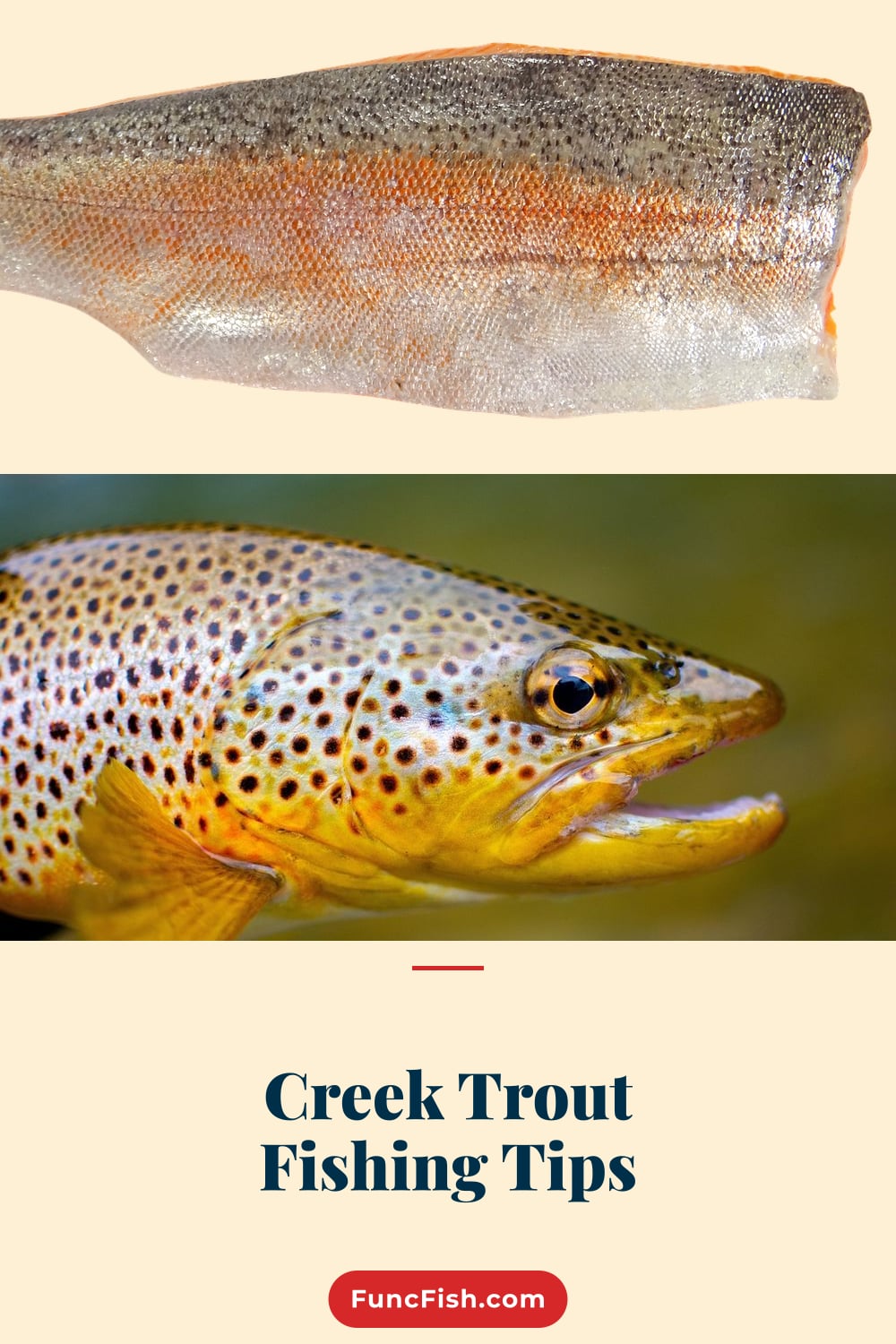
Creek trout fishing offers angler a specific type of experience that is different from the rest of the trout ponds and larger bodies of waters in the region. Anglers may find themselves entering a narrow stretch of a creek that is surrounded by alders and hemlock tree. The angler may find themselves casting a tiny fly or a tiny lure into the creek.
Within a few feet, a wild brook trout that has the color of autumn leaves may emerge from behind a rock. These brook trout is smaller than the brook trout that live in lakes, but they exhibit a high level of energy in the water. These characteristics of the creek trout are what make fishing for these fish a significant event when the trout are hooked to the line.
The success in catching these trout does not come from using brute force to do so, nor does success come from using expensive gear. The success in finding these fish comes from understanding the world that they live in, and respecting the balance of the creek’s water. Unlike rivers and lakes, creeks require a different mindset from those anglers who typically fish these environments.
Each slack water spot within the creek is important, as are the riffles and the undercut banks along the creek. If not careful, the trout within the creek will recognize the presence of the angler before the angler finds the fish. However, if the angler understands the subtle signals of the creek environment, that angler can find success in many of the mountain brooks that range from the Appalachians to the Rockies.
The following fishing tips has helped many individuals find success in finding creek trout when on the water. These tips are arranged from the most important to least important, with the first occurring prior to exiting the angler’s vehicle. An angler cannot outsmart the trout if they do not approach the creek in the proper way.
Essential Tips For Successful Creek Trout Fishing
1. Approach the Creek Strategically
If the angler approaches the creek by wading in and making a splash as they move upstream, the trout will recognize the angler from fifty yards. By approaching the creek from the banks, the angler can observe the deepest spots in the creek, where the insects live, and the wind. By approaching the creek from the downstream areas, the angler will find the fish by facing into the current.
2. Move with Stealth and Shadows
By remaining low, staying in the shadows, and moving slow along the bank, the angler will avoid disturbing the creek. This habit is what will separate the anglers that find the trout from the anglers that only find shadows of the fish that are fleeing from the angler. Although it may seem strange to move slowly and in half of a crouch to the areas where the trout live, such an approach will result in the angler spotting an undisturbed trout taking a fly.
Matching the hatch does not mean that the angler must have several boxes of flies tied to the fly rod. Instead, matching the hatch is a technique that requires the angler to understand the diet of the trout. Within most creeks, the diet of the trout is composed of nymphs, scuds, and tiny crayfish.
Additionally, the diet may incorporate insects that is hatching in the water. To understand the diet of the trout, the angler should spend five to ten minutes flipping the rocks in the riffles. If the insects that live under the rocks are olive mayfly nymphs, for example, the angler will use a size 16 hare’s ear.
However, if the insects that live in the creeks are black stonefly nymphs, then instead a dark woolly bugger or a stonefly pattern will be used. The specificity of the imitation does not matter for the trout, but the similarity in size, shape, and color of the imitation does. The trout have excellent eyesight in the clear creeks, so the imitation flies must look natural.
Additionally, a small pair of tweezers and a magnifying loupe can be found within the angler’s vest to assist in matching the hatch. The presentation of the flies will determine whether or not the angler finds any fish within the creek. Because of the limited space within creeks, the maximum distance that the angler’s line will travel is three feet.
To present the flies to the trout within the creek without disturbing the environment, the angler should learn to cast the line so that the rod tip is level with the water. Additionally, upstream casts are the best form of presenting the flies to the trout. If an upstream cast is impossible, a reach cast or a slack loop cast can be performed so that the line does not pull the fly to the side.
By closely observing the line, the angler will be able to spot if the fish are moving the line as they take the flies. A gentle lift of the rod should be used to set the hook because the mouths of the trout are very soft and the lines have thin tippets. Violent movements of the rod will frustrate the angler as they lose the best fish of the day.
The choices in the angler’s rod, line, and leader will make a significant difference while fishing in the small creeks. A seven-foot rod that is weighted for two or three-weight lines will allow the angler to cast into areas that have overhanging brush. Additionally, floating lines that load easily will allow the angler to cast short distances.
Use leaders that taper to four or five X tippet sizes. For the clearest creeks, however, the leader can be further tapered to six X to avoid startling the fish. Leaders that are longer than nine feet will allow the angler to place the flies into the water without making a splash that will alert the fish to the angler’s presence.
These suggestions are for those who pursue the pursuit of fishing for trout the most authentic way possible. One angler saw a friend with a nine-foot five-weight rod spend the entire afternoon with no fish. However, the angler landed many with a two-weight rod of limited length.
3. Target Key Creek Features
An understanding of the different waters within the creek will develop with time. Many anglers focus on the largest deep waters in the creek. However, the fish prefer other areas of the creek that are not as visually obvious.
Some of the areas to target include the pockets of water behind boulders, the tailouts from the riffles, and areas where the creek water is soft along the banks. Additionally, during the late summer months, the fish will congregate in the plunge pools that form at the base of waterfalls. These plunge pools remain cool and full of dissolved oxygen, even though the remainder of the creeks may be warm to the touch.
These observations of the features of the creeks will eventually allow the angler to recognize the features of each of the creeks that is fished. Each of these waters has features that allow the fish to live in those areas. Beyond the approach that the angler takes to the fishing spot, the angler should also be stealthy in how they wade into the creek.
4. Practice Stealthy Wading
The creek bed may contain slippery rocks that will alert the fish of the angler’s presence. Therefore, the angler should take time to place each foot carefully into the creek. Additionally, the angler should avoid creating clouds of silt that can move downstream and alert the fish to the angler.
Should the angler have to cross fast water areas, the angler should face the upstream with a wading staff. Additionally, the angler should wear clothing with dull colors to blend in with the forest. Bright colors like red or blue will alert the fish to the angler.
Anglers should also avoid casting into the water on bright days. Instead, they should stay some distance from the bank of the creek and cast from a few feet away. These types of considerations will develop into a fishing style that is similar to hunting for the trout.
The best time of year to fish the creeks is another skill that can be learned through experience. During the spring, the trout can be the most aggressive following the winter months. However, the high volume of silt that falls into the creeks following spring snowmelt will make it difficult for the angler to find success with the trout.
Instead, the angler should await the spring months when the silt and water levels will be lower. Trout will be pursuing insects during the spring and summer months. Additionally, there will be dry fly action during this time of year.
However, trout will seek cooler areas during the summer months during the afternoon. Additionally, during the fall, the trout will exhibit feeding behavior to gain the weight required to pass the winter in their environment. The colorful foliage during the fall months makes these times pleasant for the anglers to fish the creeks.
5. Master Landing Techniques
An understanding of the different techniques for landing a trout within small creeks. Because of the limited space within creeks, it is impossible for an angler to play the trout on the line with a rod that is attached to the reel. Instead, side pressure should be used to avoid getting the trout stuck in roots or snags in the creek bed.
Additionally, a net with a shallow basket will allow the angler to land the trout without having to beach the fish on the rocky areas in the creek. For small trout, for instance, the angler should simply slide their hand down the fishing leader, catch the trout, and remove the hook while the trout is still in the water. Anglers should wet their hands to avoid removing the slime that covers the trout.
Additionally, the angler should quickly and gently release the trout back into the creek. Observing the trout swim away from the catch site is the reward for the angler to return to these small creeks every year. In addition to fishing for trout, anglers must also respect the resource that exists in these small creeks.
Small creeks are fragile environments. They are easily damaged by erosion, pollution, and even wading anglers who destroy the spawning areas for the trout. Anglers should always pack out of the small creeks everything that they put into the water.
This includes line scraps and old tippet lines. Anglers should also leave the environment in which they fished in a better condition than they found it. Anglers should support the organizations that are fighting to preserve the habitats of the trout in these areas.
Additionally, practicing catch and release for the large trout allows the large trout to perform their spawning activities each year. These trout are wild types and are not stocked in these areas. By treating these trout with care, anglers will be rewarded with the same experience each year of finding a trout rise to the fishing flies.
Creek trout fishing can be done in a way that differs from any other type of trout fishing. Although the fish are difficult to find in the creeks, they are very generous with their feeding when the angler understands how to successfully find them. The next time that an angler spots a small stream in the woods, they should take time to find the best spot to cast their line.
There is a trout in the creek that will exhibit their feeding behavior to the angler who takes the time to observe their habitat closely.