
Fishing rod are essential tool for fishing. However, fishing rods can experience various types of damage or mechanical failures. Many individuals has experienced the frustration of a fishing rod failing during use.
Fishing rod failures follow specific patterns. If anglers can learn to recognize the warning sign of a potential problem with their fishing rod, they can take step to prevent a small problem from becoming a major issue. Line twist is a common problem for fishing rod.
Common Problems With Your Fishing Rod
1. Line Twist
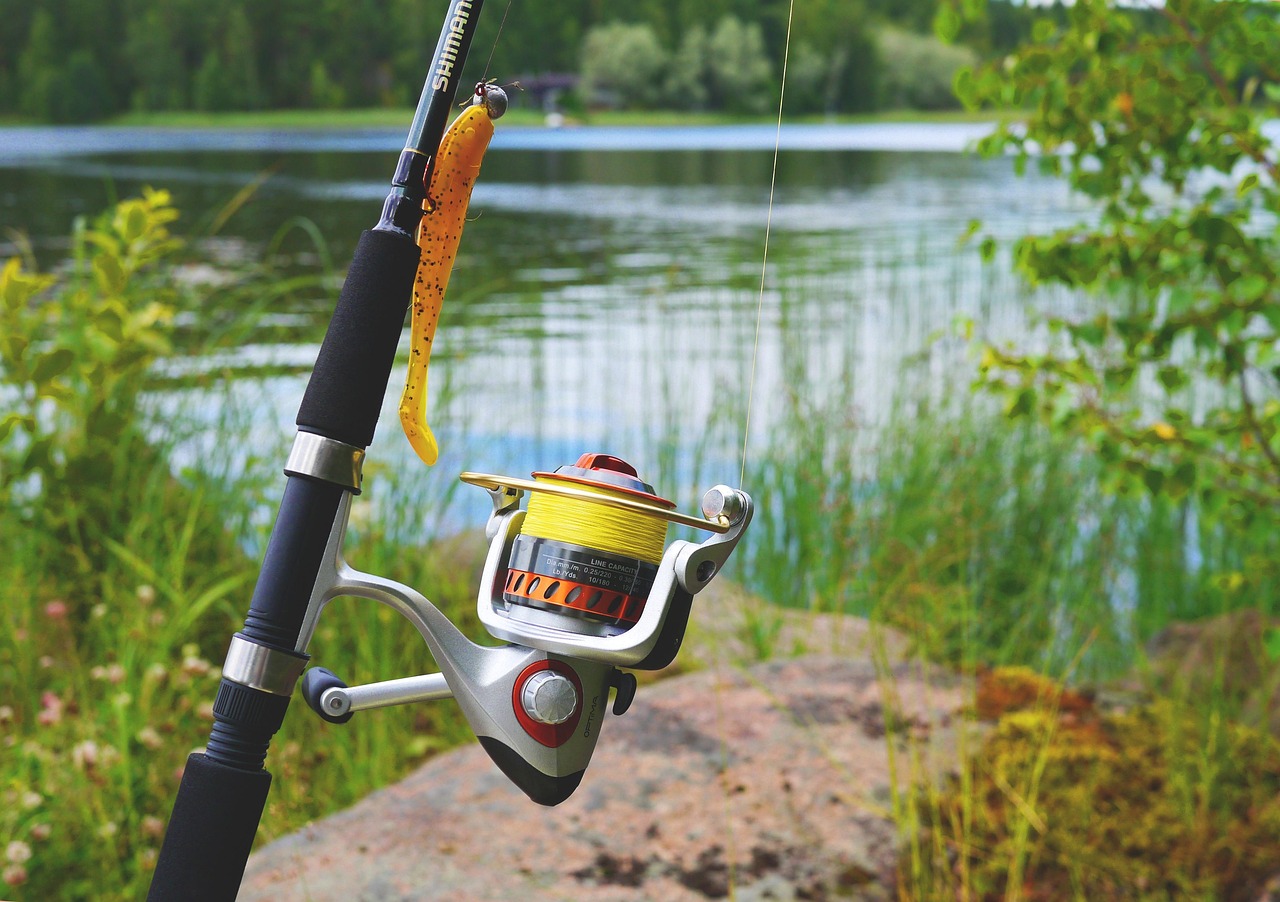
Fishing rods develop line twist when their guides is out of alignment or when the guides have become grooved from wear. The ceramic inserts that the fishing lines pass through wear down to microscopic burrs that can catch the fishing line when the angler retrieve the lure. Although you can replace the damaged guide, adding oil to the guide frame will provide a temporary fix.
Guides are sacrificial part for fishing rods because the guides are supposed to protect the fishing rod’s blank by absorbing the wear on the guide surfaces. Therefore, guides should be inspected after every few fishing trip to ensure they are functioning correct. A loose reel seat on a fishing rod is another common problem.
2. Loose Reel Seat
When the reel seat is loose, the reel will shift side to side during the hookset of the fish. This makes it impossible for the angler to accurately set the fish and will destroy the angler’s ability to feel vibration through the fishing rod that indicate the success of a hookset. Reel seats loosen in saltwater environment due to the corrosive property of the water.
However, using a fishing rod in freshwater also cause the reel seats to loosen over time. Keeping the reel seat clean and using Teflon tape under the reel foot will maintain the reel seat. Installing a new reel seat is the solution if the thread of the reel seat are worn.
If left alone, a loose reel seat will eventually crack the handle of the fishing rod. A broken tip on a fishing rod is a visible failure of the fishing rod. Fishing rod tips can break if the fishing rod fall over or if the angler sets the fishing line on a snag on the fish.
3. Broken Rod Tip
Because fishing rods are moddern fishing rods, the tip is extremely sensitive to change in direction. This makes it vulnerable to snapping if there are any impact on the tip of the fishing rod. Using a tip-top guide and a piece of blank material of the same thickness as the original fishing rod tip will repair the issue.
The repaired fishing rod tip will be stiffer than the original tip. Fishing rod tips can be protected by using rod sock when not in use. Anglers should never leave a fishing rod unattended.
Ferrule separation is a problem that can happen on two-piece fishing rods or travel rod. The ferrule separation problem occur when the male and female section of the fishing rod are not locking together tightly. The cause of ferrule separation include moisture, dirt, or twisting the fishing rod when assembling.
4. Ferrule Separation
If the ferrule sections are separated, the fishing rod will feel spongy. Cleaning the ferrule sections of the fishing rod with isopropyl alcohol will prevent ferrule separation. Some anglers apply paraffin wax to the male ferrule section of the fishing rod to make it more easy to assemble the two sections of the fishing rod.
However, if the ferrule sections are separated due to wear and tear, professional re-gluing is necessary to fix the problem. Cork handles on fishing rods degrade over time because of the water, sunscreen, and fish slime that get inside the cork handles. When the cork handle degrades, the cork will have soft spot and will begin to smell of fish slime.
5. Degraded Cork Handles
A degraded cork handle is problematic because the moisture will get into the blank of the fishing rod. This can cause the fibers of the fishing rod to internally corrode. Sanding the cork handle and cleaning it with mild soap will extend the life of the cork handle.
If the cork handle is badly degraded, replacing the cork handle with synthetic EVA foam will protect the fishing rod. Synthetic EVA foam does not absorb the odor of the fish or the moisture in the air. Furthermore, it does not break down as fast as natural cork.
Rod blank delamination is a problem with the blank section of the fishing rod. Rod blank delamination is not a problem that is visible to the angler with the naked eye. It will make the fishing rod feel mushy.
6. Rod Blank Delamination
Delamination can occur due to manufacturing defect, overloading the fishing rod, or if the fishing rod snapped due to an impact with a fish. There is no way to repair the delamination of a fishing rod blank. To avoid delamination when fishing, make sure that the power and action of the fishing rod match the lure and the fish that are being targeted.
Eyelet inserts for fishing lines can pop out of the guide frames. The eyelet insert is a ceramic ring that sit within the guide frame. If the insert becomes loose, it will either fall out of the guide frame or it will tilt at an angle that will cut the fishing line.
7. Eyelet Insert Issues
The only way to prevent this problem is to rinse the fishing rods with freshwater after using them in saltwater environment. If the eyelet insert is chipped or cracked, you should replace the insert with a new one. Backlash from a baitcaster put damage on the tip of the fishing rod.
8. Baitcaster Backlash
When the baitcaster’s spool get overrun, it puts a shock on the fishing line that is transferred to the tip of the fishing rod. This shock can bend or snap the tip of the fishing rod. To prevent this problem, ensure proper thumb control of the baitcaster when fishing.
Using a baitcaster reel with a good braking system will also reduce the chance of backlash damaging the fishing rod tip. Even if the fishing rod look straight after experiencing a backlash, it is recommended that the fishing rod is inspected for any damage to the tip’s internal fiber of the fishing rod. Uneven wear on the fishing line within the fishing rod guides indicates that the fishing rod is not balanced with the fishing reel and the fishing line.
9. Uneven Guide Wear
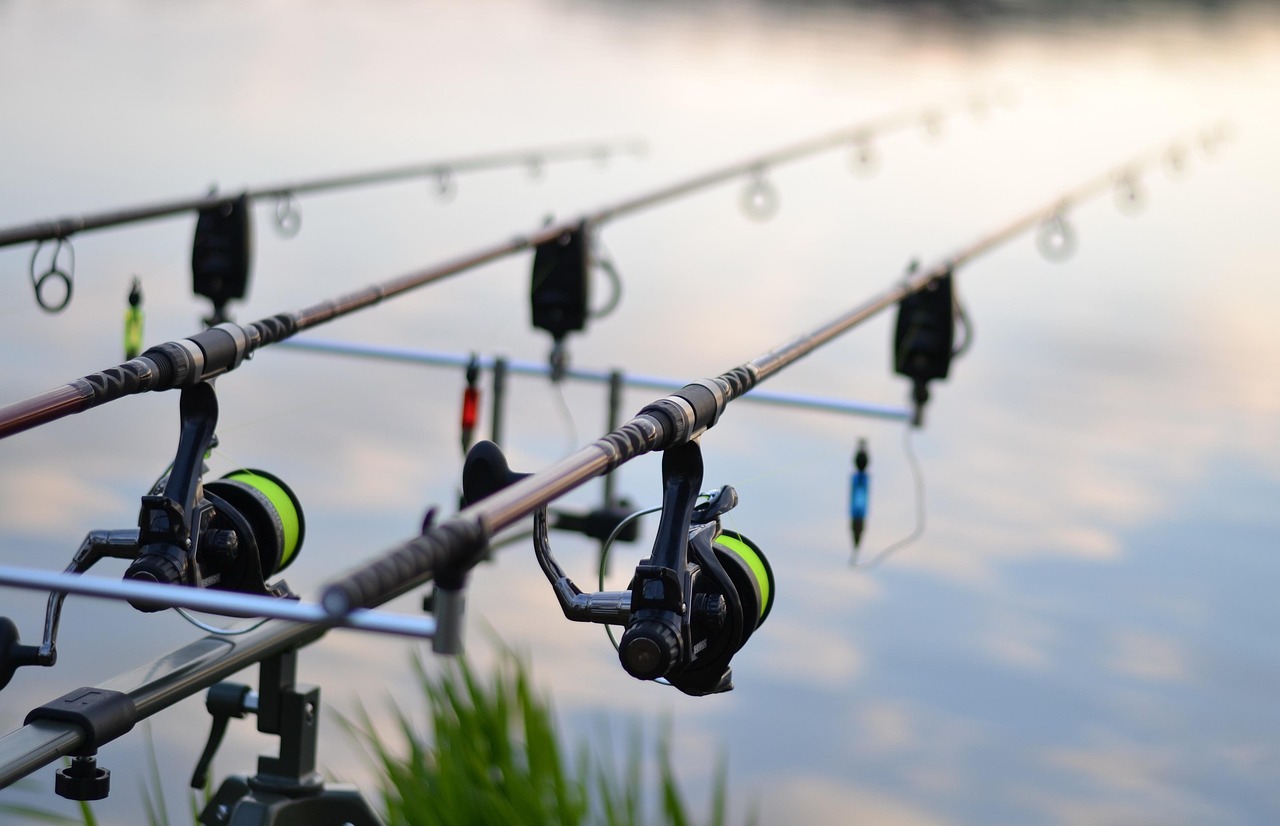
Deep groove within the first and second guide sections mean the fishing rod is either too light or too heavy for the fishing line and the bait being used. Using fishing line bait that causes uneven wear on the guides will cause the fishing line to wear out faster within the guides. Furthermore, it will reduce the distance that the fishing line can be cast with the fishing rod.
The only way to fix this problem is to use a different size of fishing line or using a different type of fishing reel. Anglers should regularly inspect their fishing rods to ensure that the fishing rod is in good condition. Running the hand down the fishing rod and looking through each guide will allow anglers to inspect their rods for any damage.
Performing these maintenance procedure regularly will allow anglers to avoid fishing rod failures during their fishing trip.