
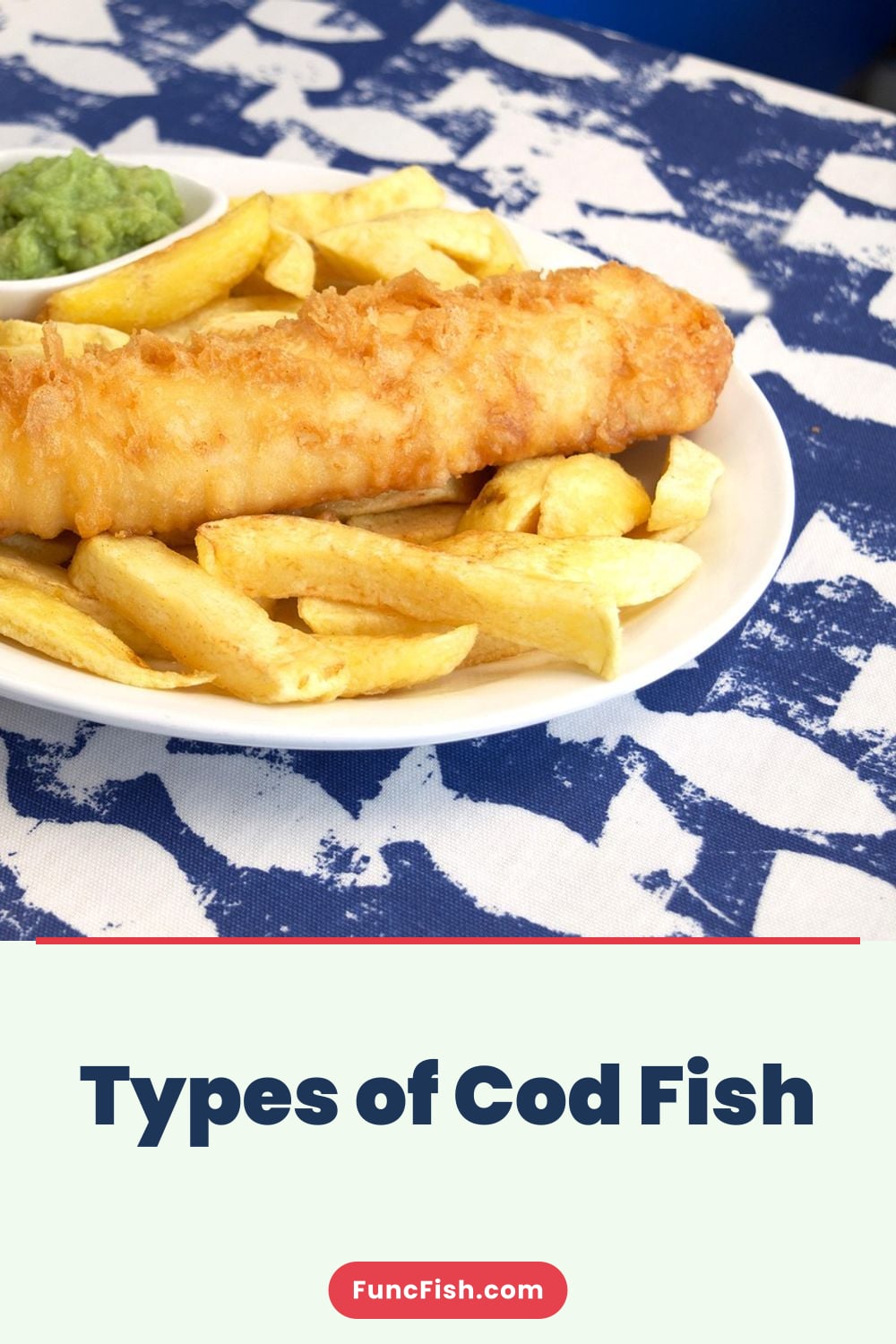
Cod is a fish that swims into more dinner than almost any other fish on the planet. From its mild flavor to its forgiving cooking time, cod is a fish that can be prepared in a variety of ways. Additionally, cod is available nearly year-round, all over the world.
For these reasons, cod is a staple food for many people. Whether it is being prepared for a fish fry or a fine dining restaurant, cod is a favorite fish of many person. However, behind the generic label of “cod” there are actualy several different species.
Each of these cod species has its own flavor, texture, and best cooking method. By knowing these differences between the cod species, cooks can prepare the fish in a way that maximize the flavor, texture, and satisfaction of the final meal. Additionally, knowing the differences between the cod species allows cooks to select the appropriate type of cod for their kitchen and kitchens budget.
The cod species that are most commonly found in American markets include Atlantic cod, Pacific cod, sablefish, pollock, haddock, lingcod, and Atlantic tomcod. Each of these cod species can be found in different areas of the planet and have different characteristics and benefit to those who cook with them. Atlantic cod is a species that has been farmed and caught for centuries.
Common Varieties of Cod Fish to Know
1. Atlantic Cod
The flesh of Atlantic cod is snow-white, lean, and has a mild flavor. Atlantic cod features large, snowy flakes that separate after being simmered or baked for a brief time. Because Atlantic cod has very little fat, it benefit from being breaded prior to being deep-fried.
Atlantic cod is best known for its delicate preparations, such as poached fillets with brown butter and capers. However, because Atlantic cod is a slow-growing species that has been heavily fished for the years, Atlantic cod should be sourced from MSC-certified or Icelandic source.
2. Pacific Cod
Pacific cod, which is also sold as Alaska cod, is a relative of Atlantic cod. However, Pacific cod is slightly sweeter and firmer due to the fact that it live in colder, more nutrient-rich waters. Pacific cod also has thicker fillet, which allows it to stand up to high heat when it is cooked. Pacific cod is the primary fish species used in the creation of frozen fish sticks.
However, fresh Pacific cod can also be prepared in a variety of ways, including being grilled with olive oil, lemon juice, and herbs. The sustainability of Pacific cod is better than that of Atlantic cod, so Pacific cod may be the preferred species for cooks who is concerned about sustainability. Additionally, the flavor of Pacific cod is mild enough to please even the pickiest young diners.
3. Sablefish
Sablefish, also known as black cod, is a more luxurius type of cod species. Sablefish is actually not a member of the cod family, but its flavor and texture is similar to true cod. Additionally, sablefish has a higher fat content, which make it more difficult to overcook the fish.
Chefs often marinate sablefish in miso prior to being cooked, as the fat content of the sablefish allows the miso flavors to coat each bite of the fish. The price of sablefish is three to four time that of Atlantic cod, but it is worth it for the taste. Sablefish is best reserved for special occasions at the table, but pairs well with acidic sauce, such as one made with yuzu kosho.
4. Pollock
Pollock is a type of cod species that is cheaper than other types of cod. Pollock is often used in the preparation of fish sticks. Atlantic pollock and walleye pollock are both lean white fish species with smaller flakes than cod.
Walleye pollock has a more pronounced flavor and a firmer texture than Atlantic pollock. Pollock is a great species to use in spicy curry or stews, due to the mild flavor of the species. Additionally, pollock is eco-friendly because it is abundant and well-managed in its natural Alaskan waters.
Despite the availability of cod, pollock is a species that many cooks overlook. However, a beer-battered pollock fillet can be the best fish for a fish sandwich.
5. Haddock
Haddock has a subtle sweetness to its flavor, and is often prepared as fish and chips in Britain. The flesh of haddock has a faint hint of shellfish flavor, which is due to the diet of haddock in the North Atlantic. Haddock is used in chowders, such as smoked haddock chowder, and in Cullen skink, a similar chowder from Scotland. Compared to cod, haddock fillets are thinner and cook faster.
If pan-frying haddock, it is important to use the skin of the fish, as the skin will crisp when cooked. Haddock populations has rebounded due to fishing quotas put in place for the species, so it is available in abundance today.
6. Lingcod
Lingcod is not a true cod species, but is related to the greenlings that live along the Pacific coast. The flesh of lingcod range from pale white to turquoise depending on the diet of the lingcod fish. During cooking the color dissapears, leaving behind a dense texture similar to steak. Due to its ability to stand up to grilling and strong seasonings, lingcod is a favorite among West Coast chefs.
However, lingcod can become dry if overcooked, so you should remove it from the heat as soon as the fish begins to flake. Using a brine prior to cooking will help to combat the dryness of the lingcod species.
7. Atlantic Tomcod
Atlantic tomcod, also known as frostfish, is a lesser-known species to most cooks. This species is found in markets from Newfoundland to New York. Atlantic tomcod rarely weigh more than two pounds, and is ideal for individual meals. The flesh of this species is delicate with a slightly sweet flavor and is best used in light soup or when being steamed with ginger and scallions.
Due to the proximity of tomcod to the shorelines of their habitat, they can contain more pollutant than other cod species. Therefore, cooks should source Atlantic tomcod from clean and cold water, and they are best prepared in moderation. Additionally, the short fishing season and small size of the tomcod species give the fish an old-fashioned quality.
Knowing the differences among cod species is helpful for cooks of all skill level. Species with firm textures, like Pacific cod and pollock, are best used in deep-frying or grilling. Meanwhile, species that are more tender, like sablefish, are best prepared in ways that emphasize tenderness, such as in chowders or poached fillet.
Additionally, cooks can use the price of the fish to gain an understanding of the availability of the species, as well as to decide how the fish should be prepared. For instance, if a cook is preparing a meal for a group of young children, a species like pollock may be chosen due to its mild flavor. On the other hand, if preparing a meal for a holiday dinner, sablefish may be chosen and prepared due to its luxurious nature.
By understanding the different cod species, cooks can better prepare the fish to extract the most flavor, texture, and satisfaction from each catch of the day. Additionally, knowing how each species best reacts to the kitchen can help cooks of all experience levels to better prepare fish in the same way that a chef would prepare a potato for mashing, roasting, or frying. When cooks know the best method for preparing each type of cod, they will have a better understanding of the differences among each species.
Additionally, cooks will have a better understanding of which species may be best sourced from which location. Therefore, the next time a cook sees a fillet of white fish on the seafood display, they should ask for the real name of that cod species. This could help the cook prepare the fish in a way that enhances the flavor and texture of the fish, it could help them shop for the species that best match the meal they are preparing, and it could help them show appreciation for the cod species and where they come from.
There are many cod species, and there are many benefits to each of them, so the cod family still has plenty to offer those who cook with them.