
Nymph fishing might seem simple to an individual who is just beginning to fish for trout with nymph flies. However, nymph fishing can become difficult for an individual who is not properly prepared for the challenges of this type of fishing strategy. An individual might stand in the river and cast numerous drift into areas where trout are known to reside.
Furthermore, an individual might believe that trout are located in the river, but still end up catching no fish whatsoever. In contrast, an individual who is twenty feet from the first fisherman may be successfully hooking fish with every other cast that they make with there fly rod. The difference between the two anglors is not in the type of nymph flies that they are using.
Instead, both individuals likely have quiet problems in their nymph fishing routine that are turning their otherwise good nymph rigs into useless fishing strategies. To gain mastery of nymph fishing, an individual must learn to recognize problems before they occur that may prevent the individual from effectively fishing for trout. The solutions to these problems dont involve purchasing new and expensive fishing gear.
Instead, an individual must learn to adjust a few small elements of the nymph fishing routine, as these small adjustments can make a significant difference in the success rate of that individual.
Common Problems with Nymph Fishing Routines
1. Incorrect Weight for Specific Waters
One of the most common problems is using the incorrect weight for the specific waters in which the nymph flies are being cast. For instance, if an individual utilizes a nymph that is lightly weighted, the nymph will likely not reach the trout that are residing near the bottom of the river.
Such nymph flies should only be utilized in waters that are two feet or less deep, as any deeper waters will require the addition of split shot to the fishing rigs or the use of beadhead nymph flies that will allow them to sink to the riverbed.
2. Achieving a Natural Drift
Furthermore, an individual should also not simply ignore the challenges of achieving a natural drift for their nymph flies. Trout will recognize unnatural movement in the water, regardless of whether an individual is using a nymph fly or a dry fly.
Therefore, an individual should ensure that they are fishing in a drift that is similar to the natural movement of the water, which can be achieved by fishing slightly upstream of the target fishing spot and mending their line as soon as they land the line in the water. In areas where the water is especially fast in river spots, such as “pockets” where the water rushes around rocks, an individual can “high-stick” their rod to minimize the amount of line that they have on the water. This will allow the nymph to tumble in the same way as other objects in the water.
Such a drift is referred to as a “dead drift,” and even the most picky trout will eat nymph flies when they are achieved.
3. Strike Detection and Hook Setting
Another problem occurs in the strike detection of nymph flies by an individual with limited experience with the sport. Many individuals may believe that the trout will take the nymph fly with such force that the indicator on the fishing leader will move in a noticeable way.
However, trout takes on nymph flies with far less force than an individual might expect. Therefore, an individual should recognize that any deviation from the normal drift of the nymph fly is a potential strike. Over time, an individual will develop a motion for setting the hook that will work well with nymphing, as many instances of setting the hook will result in the nymph snagging rocks in the riverbed.
Yet, the individuals motion will become quick and gentle, allowing it to work both to protect the lighter tippet of the nymph fly while also setting the hook to catch the trout. Anglers who catch the most fish with their nymph flies are typically those who strike at half the movements that other anglors with the same fishing skill and knowledge of the area typically ignore.
4. Incorrect Nymph Fly Size
An individual can also experience problems with utilizing the incorrect size of nymph flies.
For instance, if an individual sees numerous tiny midge flies drifting by in the water, they may select a size 22 nymph fly. However, using a size 22 nymph fly will prevent the individual from being able to effectively see the tippet of the nymph fly, feeling when a trout takes the nymph, and keeping the nymph in the strike zone for the trout. Using a size 16, size 18 pheasant tail or size 18 hare’s ear nymph will increase the likelihood that an individual will catch trout in the water, even in the presence of the smaller natural insects.
Bigger nymph flies are easier for an individual to control in the water, and the trout will be more interested in a bigger fly than a smaller, more microscopic one. Such smaller flies are only for use in tailwaters where the water is especially clear. An individual should save these flies for those areas and instead use a nymph fly of a size that they can effectively manage while fishing.
5. Improper Tippet Diameter
The trout are rarely as picky as an individual might think if the nymph flies are drifting in the correct manner and reaching the trout that are residing near the bottom of the river. An individual can experience problems due to the diameter of the tippet of their nymph flies. For instance, using heavy fluorocarbon lines that are tied straight to the nymph will cause the nymph flies to move in an unnatural way in the river.
Furthermore, the heavy fluorocarbon lines may spook the trout that are located in the water that has visibility. In contrast, if the individual uses a too-light tippet in areas with rough water or where there is river structure that they are fishing near, the likelihood is that the tippet will break and all of the flies will be lost. An individual should start with a tippet size of 5X for nymph flies.
However, if the trout in the river appear to be more skittish than normal, or if the river is very clear, the individual should use a tippet size of 6X. In areas with rough water or structure in the river, such as with larger stoneflies, an individual should use 4X tippet lines to allow enough strength to fight the fish that bite the nymph fly. The correct size of tippet will disappear enough to fool the trout, but still allow an individual to land the trout that take the nymph flies. While this may seem like a small detail in the fishing routine, the size of the tippet changes an individual’s success rate with nymph fishing more than a new box of nymph flies would change their success rate.
6. Difficulty Reading the Water
An individual might struggle with reading the water correctly. For instance, they may spend the majority of their fishing efforts on the deep pools in the river where the trout live. Yet, they may not fish the areas that might contain trout, such as the shallow riffles or the edge seams in the river.
Furthermore, an individual may fish the center of a section of the river, but the best trout live in spots where the depth of the water is shallow and where it is possible to walk in the riverbed. An individual should take time to inspect the water prior to beginning to fish. These areas to inspect include the spots where the water bubbles emerge from the riverbed, where the color of the river changes, and where the speed of the water changes.
These sections of the river typically contain insects that the trout eat, and the trout will eat the nymph flies that are presented to them in these areas. In addition to these areas, an individual should also fish the edges of the river, the spots behind the rocks where fish may reside in the crevices, and where the water along the banks of the river. The largest trout live in spots that may appear to be too shallow or broken for fish to live in them.
Yet, if an individual begins to fish these spots, their rate of success in catching trout will increase.
7. Quitting a Drift Too Early
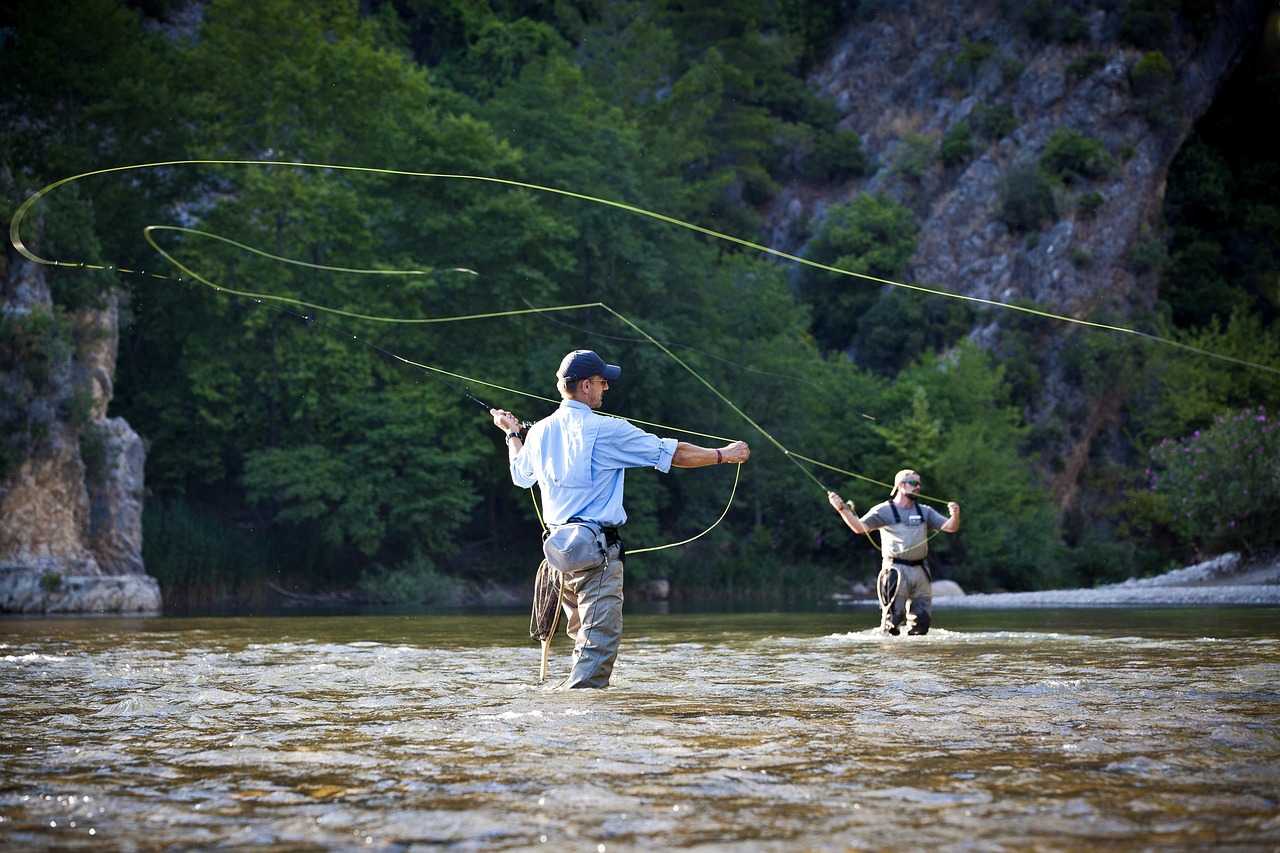
Finally, an individual may quit a drift too early. For instance, they may cast a line into the water, allow the nymph to move through one lane in the river, and then immediately begin to cast again.
In this instance, an individual might miss any fish that are in the water that require more time to react to the presence of a nymph, or that might be fishing farther along the drift line than the individual expected the fish would travel during their drift. An individual should slow down their rate of casting. Instead, they should allow the nymph to move through the entire range of the river from one bank to the other.
In some instances, the strike on the trout will occur while the nymph is on its swing up the river. By extending an individual’s drifts, and by allowing their nymph flies to thoroughly cover the area in which they are fishing without moving their feet, they will catch more fish. Thus, it is in an individual’s best interest to spend the extra few seconds to allow the nymph to travel through the river.
Nymph fishing rewards an individual for their patience and their attention to detail in their fishing strategy, rather than for their flashy fishing gear or the number of dollars that they might spend on fishing accessories. Once an individual knows how to avoid each of these problems and fix them, they will begin to experience success in their efforts to catch trout with nymph flies. Furthermore, when an individual experiences problems with their nymph fishing routine or their success rate while using nymph flies, they should think back to the problems noted in this article.
The solution to each problem is simple, and an individual with experience with nymph fishing can easily recognize the fixes for each of these problems. Yet, the most important factor in nymph fishing success is the knowledge of these problems and how to overcome them. Therefore, if an individual masters these problems and fixes them, the trout will take care of the rest of the fishing process.