

Lake Michigan extends across four different states in the region and contains more than one trillion gallons of water. Many people who visit the lake often note how calm and lifeless the lake waters is on the surface. However, the life beneath the water’s surface contains numerous different fish species that live in the lake.
Some of these fish species are indigenous to Lake Michigan and have resided within the waters for thousands of years. Others were introduced to the lake. If you know which fish species live in Lake Michigan, your approach to fishing for these fish will change and your dinner will be differently.
The diversity of fish species that live in Lake Michigan originated from several different factors, including the depth of the lake, the temperature of its waters, the food web that live within the lake, and the number of rivers that run into the lake. The food web of the lake changed significantly after the introduction of alewives and salmon into the lake’s ecosystem. Depending on where anglers decide to fish in the lake, they may encounter a different variety of fish species.
For instance, anglers can fish from the pier in Chicago, from the boat near Milwaukee, or from the banks of the tributaries that originate from Indiana. Each of the following fish species live in the lake and are worthy of anglers’ targets. Chinook salmon, also known as king salmon, are the most prominent and heavyweight of fish species that live in Lake Michigan.
Common Fish Species Found in Lake Michigan
1. Chinook Salmon
These fish are native to the Pacific Ocean. A full-grown Chinook salmon can weigh more than thirty pounds. In a good year, the average Chinook salmon weigh more than twenty pounds.
Anglers can typically spot Chinook salmon in open waters of the lake as they hunt for alewives. However, in the fall, when they are preparing to spawn, the chinook salmon travel up the tributary rivers of the lake. Chinook salmon are most often caught with downriggers in the summer.
However, anglers who live along the tributary rivers of the lake will find that they will most often spot and catch Chinook salmon when the water temperatures drops to the colder waters in which the Chinook salmon prefer to spawn. Chinook salmon are known to have a powerful fight that continues for a long distance as these fish fight to escape from anglers’ fishing lines. Anglers who target Chinook salmon value these fish as the ultimate prize due to their strength.
However, the flesh of these fish can be somewhat oily if they have spent time in the lake’s tributary rivers for spawning purposes.
2. Coho Salmon
Coho salmon are similar to Chinook salmon. However, they are significantly smaller and jump out of the water once they are hooked.
These salmon species typically range in weight from six to twelve pounds. However, the fish will typically remain closer to the shore area of the lake as opposed to Chinook salmon. Consequently, anglers who fish from piers or small boats has a better chance of encountering and catching Coho salmon.
The flesh of Coho salmon is considered to be milder than Chinook salmon. The filet of these fish will also flake more easy when grilled. Anglers who desire to add some Coho salmon to their supper will appreciate the benefits of the fish species.
Coho salmon also mature at a faster rate than Chinook salmon. Consequently, novice anglers can enjoy catching Coho salmon without having to struggle as much with the fish as they would with Chinook salmon.
Lake trout, also known as lakers, are the original fish species that live in the deepest portions of the lake.
These fish prefer the temperatures between the forties on the water temperature scale and live between hundreds of feet of the lake’s surface. The flesh of the lake trout is light in color and mild in flavor and is of a higher preference for the locals than the salmon species. Additionally, lake trout takes a long time to grow to maturity and live for many decades.
Consequently, any lake trout that anglers catch that weigh over twenty pounds is likely an individual that has lived for many seasons. In order to catch lake trout, anglers can utilize heavy downriggers, wire line, or utilize jigging strategies with heavy spoons near the lake’s structure. Anglers will experience a fight with lake trout that is more stubborn than Chinook or Coho salmon but does not express the same wild behaviors that lake trout exhibit when they are caught.
3. Yellow Perch
Yellow perch live in the lake and are the fish species that feed the families in the region. Yellow perch live in schools and travel in areas of the lake with sandy or rocky bottoms. These fish live in depths between twenty and sixty feet.
Yellow perch have golden sides and orange fins that make them some of the easiest fish to spot while cruising the lake on a boat. The flesh of this fish species is mild in flavor and perfect for a Friday fish fry. Children can fish for yellow perch from the piers in the area.
However, when anglers with more experience fish for these fish, they use live minnows or small jigs to bait these fish. When the fish are located, there will be a biting action in a spot that will supply fishing limits in a few minutes. Consequently, yellow perch are some of the most popular fish species that are targeted by local anglers each year.
4. Smallmouth Bass
Smallmouth bass, also called bronzebacks, have made their homes in Lake Michigan. These fish are often spotted near the piers and rocky structures in the lake. These species of fish are known for their strong fighting abilities.
Additionally, smallmouth bass have a tendency to jump out of the water once hooked. These species of fish usually weigh around four pounds. When using eight-pound test line, a four-pound smallmouth bass will feel as though it weighs around eight pounds.
These fish often guard their nests in the spring. Consequently, sight fishing for smallmouth bass using tube jigs will reveal success for anglers who discover the nesting spots. The abundance of smallmouth bass in areas like Green Bay and Door County has led many walleye fishermen to develop a preference for smallmouth bass that does not require the same level of skill to catch these fish.
5. Walleye
Walleye are another group of fish that follow a different set of fishing strategies. Many fishermen who desire to land a few of these prized species follow these fish. Walleye are known for having marble eyes that allow them to see in the dark.
Consequently, anglers will have the best luck pursuing walleye during the dawn or dusk hours or on cloudy days. These fish enjoy areas of the lake that contain a moderate current. The fillets of walleye are white and flaky and are considered to be the finest eating species from the freshwater fish family.
Consequently, anglers will find that there is significant interest in pursuing walleye each spring when these fish are traveling up the tributary rivers of the lake. Walleye can be found with the trolling of crankbaits or live bait drifting along the breaks in the lake. The strike that walleye will make on the fishing line will be soft.
Anglers must use the same sense of feel as their fifth sense to catch walleye with success.
6. Rainbow Trout
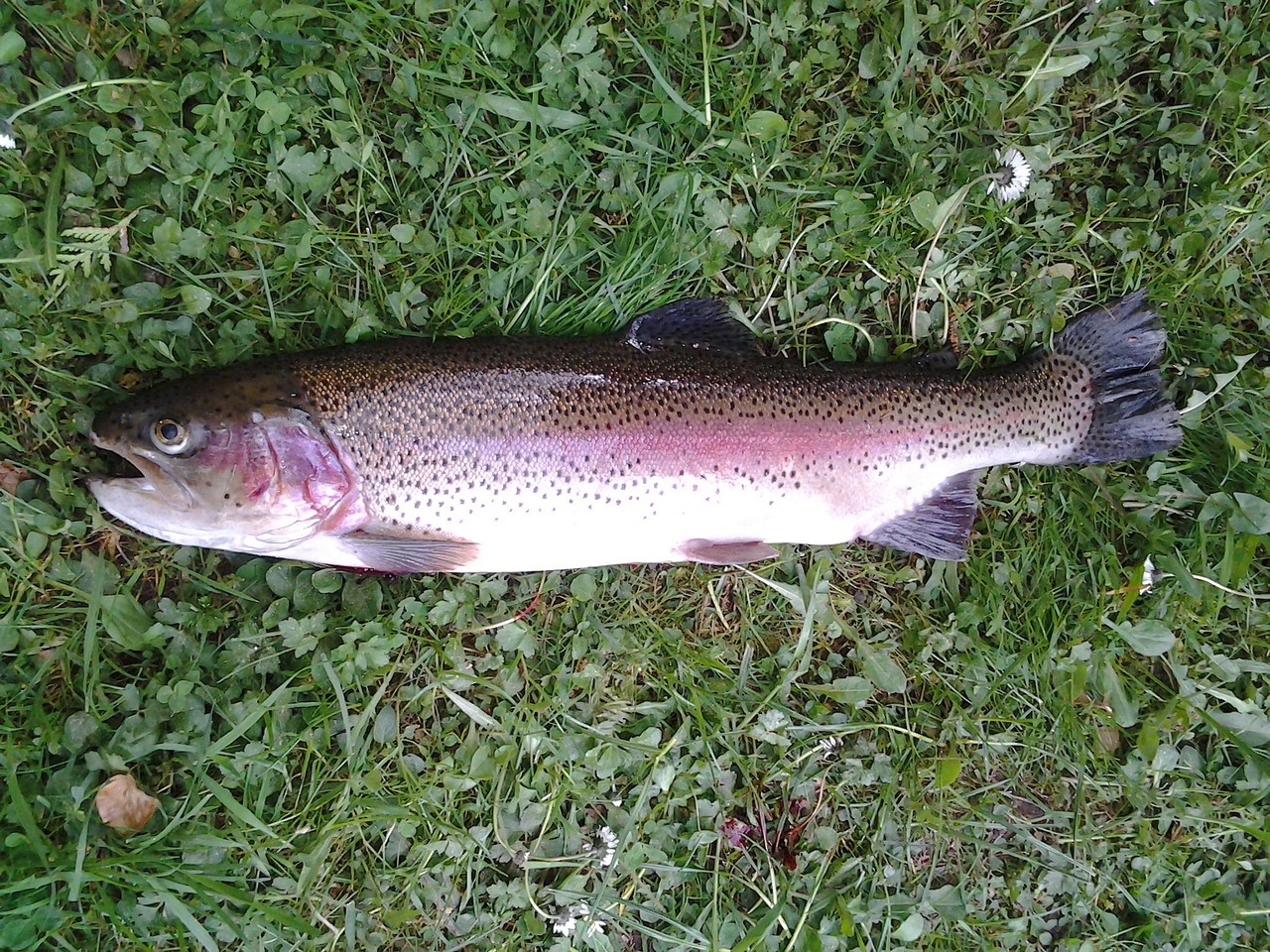
Rainbow trout, also known as steelhead, live in the lake and pursue alewives for their meal. Rainbow trout are strong and have a tendency to jump repeatedly when they are hooked.
Additionally, in the spring and fall, these fish will migrate into the rivers such as the Pere Marquette, the Manistee, and the St. Joseph rivers. Anglers will line these areas of the rivers to pursue rainbow trout species. Rainbow trout have a strong fight when they are caught on the move in the current.
Additionally, rainbow trout that weigh ten pounds or more can be a memorable experience for the individual who lands them in a popular spot in a river. Additionally, rainbow trout that stay in the lake are also known to have some of the best actions for those who fish with flashers and flies on the downriggers. Additionally, rainbow trout will take a wide variety of lures that allow these anglers who like to experiment with different types of bait to pursue these strong fish species.
7. Northern Pike
Northern pike live in the areas of the lake with the most weeds and in the warmer shallows during the summer months. The elongated bodies of the fish allow them to accelerate quickly when chasing prey. Additionally, they have a variety of food preferences and will take large spoons, spinnerbaits, and even topwater fishing plugs.
Additionally, when using fishing lines with northern pike, anglers must use wire leaders since the fish have a tendency to slash at the bait with their teeth and may bite it off the line. The fight that pike make with anglers is violent but usually lasts for a short period. Anglers may also release these fish into the lake since the flesh of pike can contain numerous Y-bones.
However, when properly prepared, the filet of northern pike is a local delicacy. Additionally, the predatory nature of this species allows pike to be targeted in the lake even when other types of fish is difficult to find. The last fish species to mention is the whitefish.
8. Whitefish
Whitefish are the relatives of trout and salmon species and live in the lake to filter feed on the aquatic insects and plankton. Additionally, the mild flavor of the flesh of the whitefish is considered to be one of the best for smoking. Commercial fishermen once harvested these fish by the ton.
However, in present times, anglers pursue whitefish using small jigs or with trolling tactics with cowbells and small spoons. These fish live in cooler temperatures in the spring and fall. Additionally, the small mouth of the whitefish requires anglers to use