
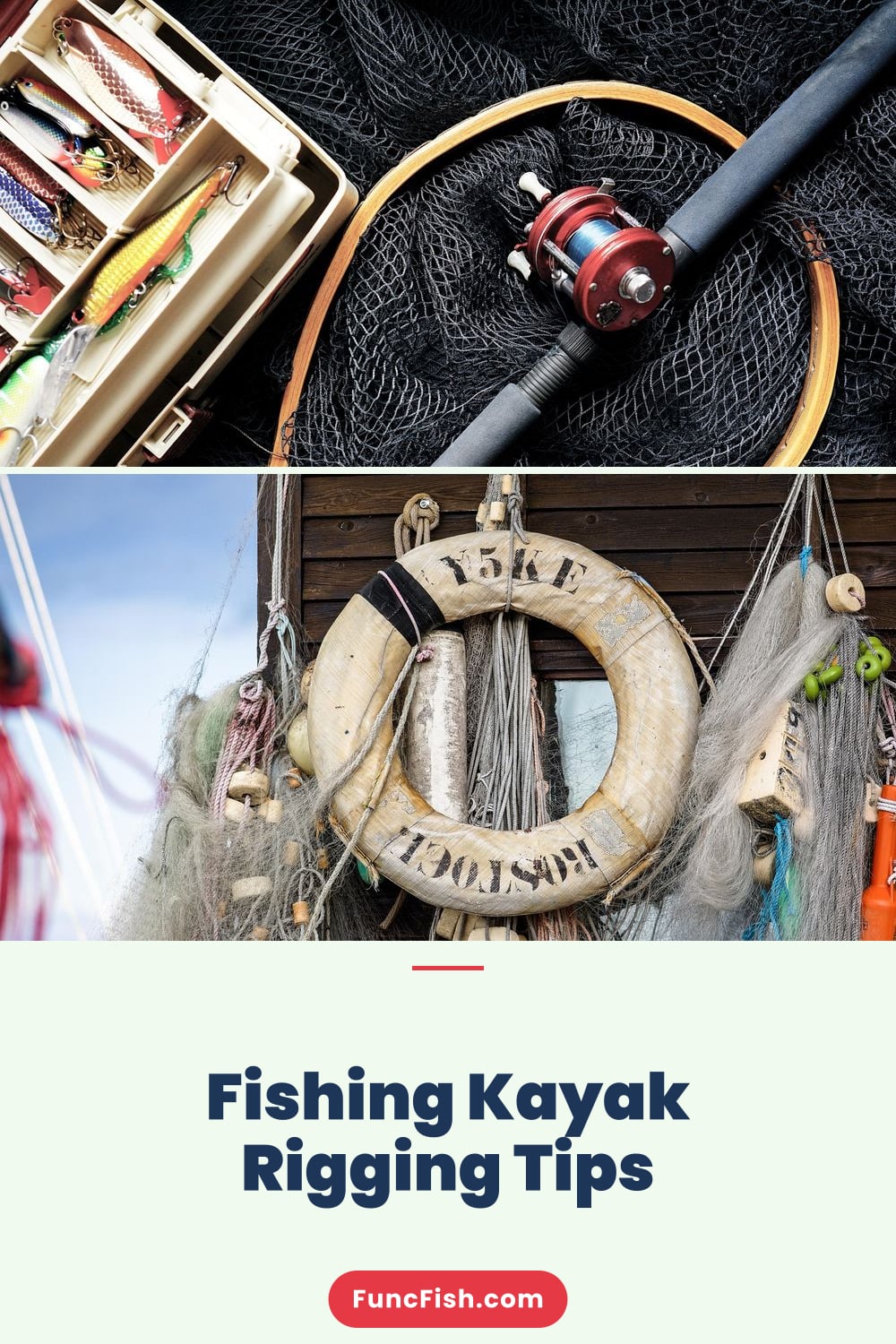
Fishing from a kayak change the experience of fishing altogether. From the kayak, fishermen can access areas that is inaccessible to larger boats. Kayaks allow anglers to move quiet across flats and into coves where the fish have not yet seen the hull of a boat.
However, the tradeoff for the benefits of kayaking is that all of a persons fishing gear must fit into roughly twelve foot of kayak plastic or composite material. If a person purchases a kayak that do not allow for easy access to their fishing gear, this can ruin a good fishing trips potential for success. However, with the proper rigging of a kayak, fishermen can experience a high level of freedom while on the water.
The key to successful fishing from a kayak is the deliberate rigging of that kayak for fishing. This will allow fishermen to keep their hands free while also ensuring that their essential fishing gear is within there reach while remaining on the kayak. Many people start their fishing adventures with a new kayak full of the best fishing gear.
However, many people end their fishing trips with defeated looks as they struggle with the gear they brought on board the kayak. The solution to these issues are in using the techniques discussed in the following sections. These will provide the best experience while fishing from a kayak.
Essential Ways to Rig Your Fishing Kayak
1. Anchor Systems
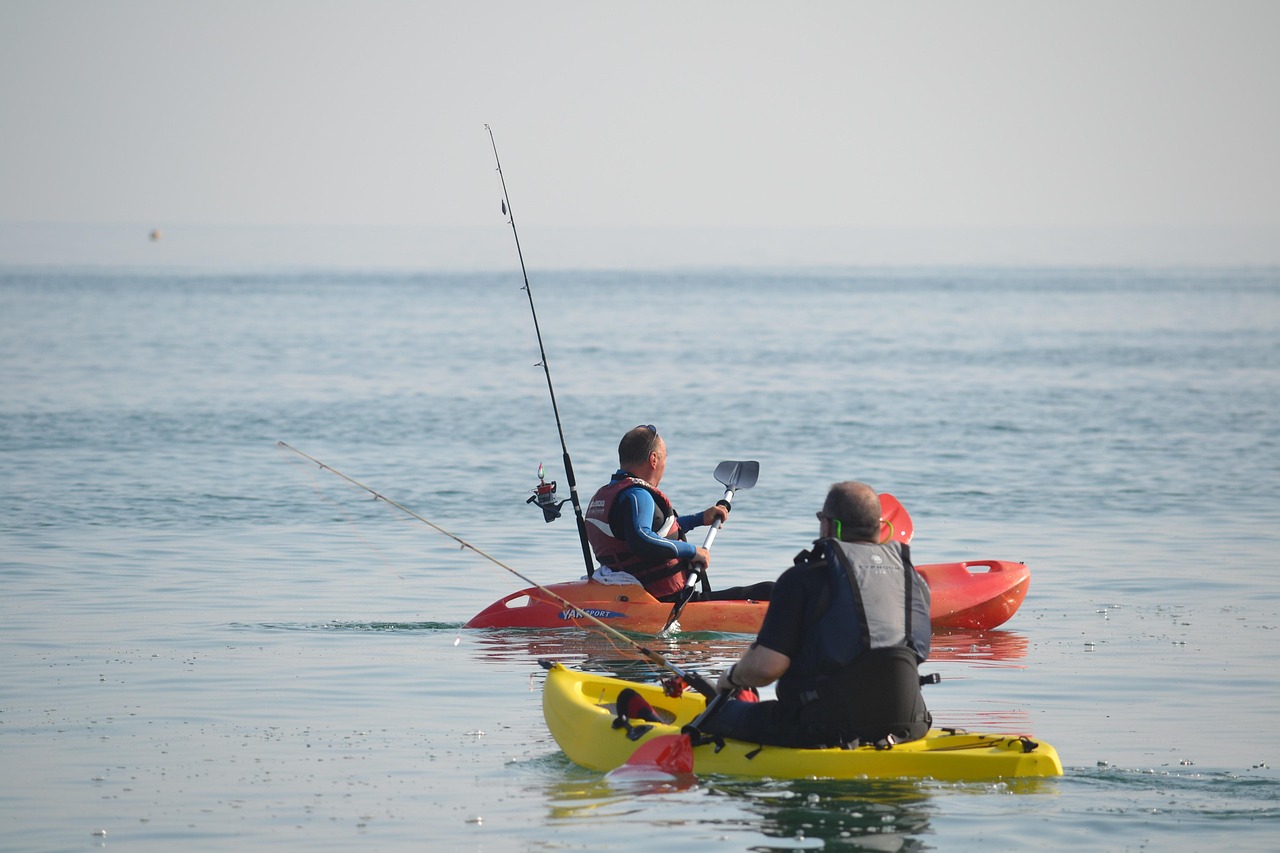
Kayak anglers should focus on the anchor systems first. For shallow waters, a stakeout pole allow fishermen to secure their kayak. However, in deeper waters, a folding grapple anchor is essential.
By attaching a folding grapple anchor to a retractable tether, fishermen will have better control over their kayak while they are on the water. Anglers should also get an anchor trolley that allow them to push the bow or the stern of the kayak into the wind. These anchor trolleys are cords attached to the kayaks bow and stern so that the fishermen can control the placement of the anchor.
These are considered to be non-negotiable component of an ideal fishing kayak.
2. Fishing Rods
The next component to rig for fishing success are the fishing rods. It is recommended to have at least two rods to ensure that fishermen do not have to continually set rods down while they change fishing tactics.
Flush-mount rod holders can be placed behind the seat of the kayak. Anglers can also purchase rod holders that is attached to the side of the kayak. The important aspect of purchasing rod holders is placing them in a position that will allow fishermen to grab the rods without twisting their bodies, which can destabilize the kayak.
Some anglers use a bungee cord that is attached across the front of the rod rack so that the fishing rods do not bounce out of the kayak when the water is choppily. These rods help to prevent fishing anglers from losing their favorite fishing gear when the kayak encounters rough water. Fishermen should also pay close attention to the organization of their kayaks decks.
3. Deck Organization
Small fishing items should be stored in a heavy-duty shock cord crisscrossed across the kayaks front deck. These shock cords should have enough tensioning to securely hold the items when the kayak is on the water in rough waters. However, they have enough slack so that fishermen can extract one of these items without having to use both hands.
Items that are stored below the kayaks deck include extra fishing line, snacks, and a first-aid kit. Fishermen should store these items under the kayak so that they dont impact the kayaks balance while on the water. Otherwise, the fishermen will spend half of the kayaking trip searching for these items.
Having them organized will ensure that fishermen can react quick to the presence of fish that have bitten on the line.
4. Foot Control and Drive Systems
Foot control for the kayaks rudder or pedal drive system is another component to consider when rigging a kayak for fishing success. If the fishing kayak has a rudder system, the lines should be attached along the gunwales.
Additionally, the foot peg should be attached to allow adjustment without having to use any tools. Most fishermen find that constantly fighting against a kayaks rudder that is not properly adjusted wears at fishermens momentum. Kayaks that use pedal drive systems for movement eliminate the need to control the rudder as much since the fishermens legs will be performing that function.
However, the drive unit should be rigged with quick release pins to allow fishermen to lift the drive unit when they enter skinny water areas. When on the water against a current, fishermen can keep their hands on the rods instead of the kayaks paddle. Another essential component for fishermen is the mounting of the kayaks electronics.
5. Electronics Mounting
A compact fish finder allow fishermen to see what is under the water without having to use a giant screen console. The screen should be mounted on a swivel arm that is attached to the front seat of the kayak. This will allow the screen to be pivoted to avoid sunlight or moved aside when a fish is being landed.
The fish finders transducer should be routed through the kayaks scupper hole or added grommets. The source of the screens light is a slim lithium battery that is attached to the kayaks rear hatch. These components provide an enhanced view of the underwater areas and will aid in increasing the number of fish that is caught.
For anglers who use bait such as shiners, shrimp, or minnows, the livewell or bait tank should be rigged properly. An aerated bucket can be attached to the kayaks rear tankwell. Additionally, a cam strap will hold the bucket in place.
6. Livewells and Bait Tanks
For those with dedicated livewells, a pump should be plumbed through the hull of the kayak. An inline switch will allow the fishermen to control the pump while on the kayak. Maintaining an adequate water exchange rate in the livewells is essential for the health of the bait fish.
The rule of thumb is to ensure the bait is not stressed after twenty minute of being in the livewells. By keeping the bait healthy, there will be more instance when the bait will successfully attract fish to bite on the line. Other items to consider rigging on a fishing kayak include lighting and safety gear.
7. Lighting and Safety Gear
An LED light bar that is mounted on the stern of the kayak allow fishermen to see their surroundings after sunset. However, the light bar can clip off when it isnt needed. Adding reflective tape to the kayaks paddle blades and life vest will allow for improved visibility of the kayaker.
The waterproof whistle and spare whistle on the kayaks lanyard will aid in signaling other boats, especially in foggy weather. While these items will not catch fish, they will ensure a kayaker does not end up in the water requiring a rescue operation. Therefore, these items are worth the effort to rig on a fishing kayak.
8. Storage Extensions
Storage extensions are beneficial for those who have a variety of fishing gear. Rear tankwell crates allow for better organization of tackle boxes. Additionally, under-seat bags will allow fishermen to store additional fishing gear without having to clutter the kayaks main area.
The goal is to store items that are used frequent on the kayaks deck. Items that are used less often can be stored in the side of the kayak. Items that are rarely used should be stored within the hull of the kayak.
Overdoing storage will make the kayak difficult to move and sluggish in the water. By storing the correct amount of gear, the kayak will remain balanced from bow to stern. Comfort is the last component to consider when rigging a kayak for fishing success.
9. Comfort and Stability
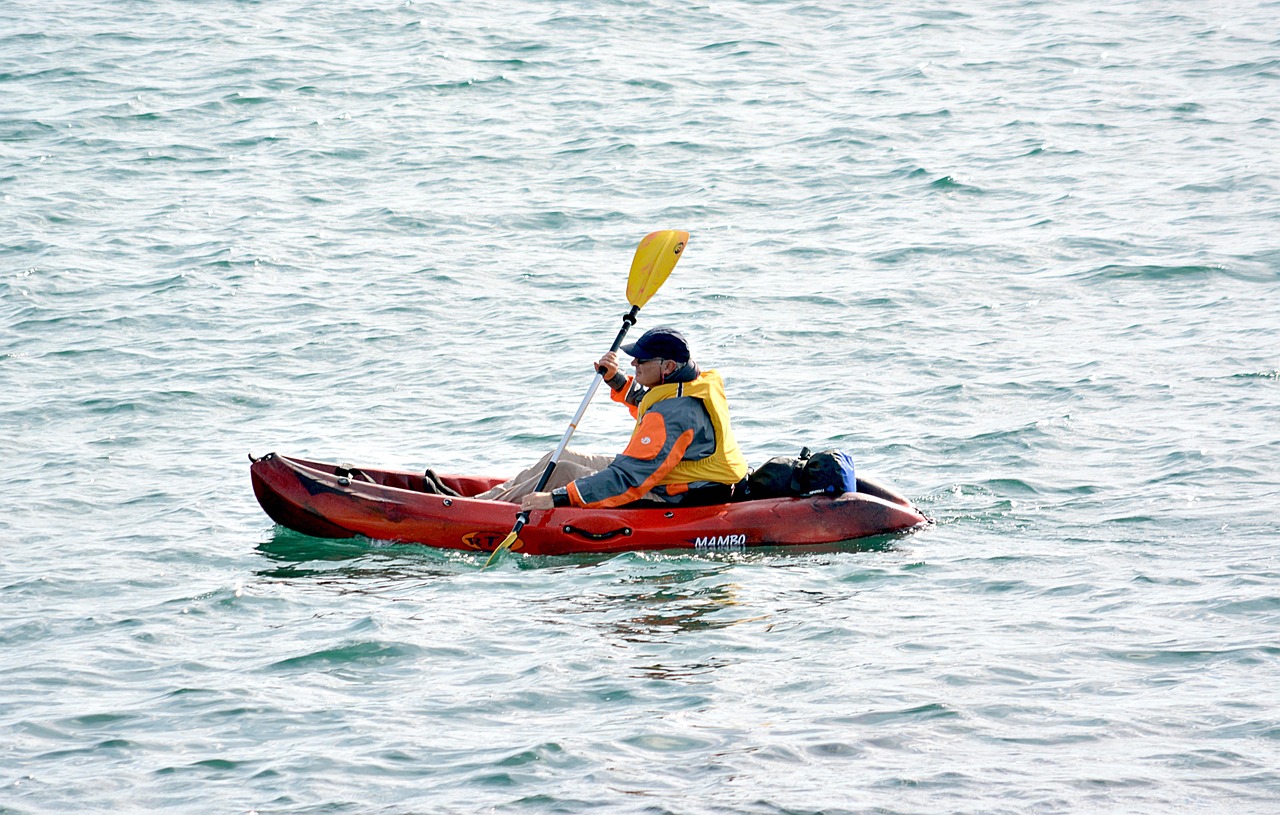
A decent seat will significantly increase the number of hours that a kayaker can fish without discomfort developing in their back. If a person intends to stand out of the kayak to cast their lines, knee pads can be purchased to allow for fishermen to have better stability while in this position. A small cup holder and a magnet for the kayaks tackle will allow for fishermen to avoid the small inconveniences of carrying these items throughout the kayaking adventure.
These items may seem like a luxury, but they will eliminate the irritations caused by these small details. Though it may seem as though there is an infinity of ways to rig a kayak for fishing success, the best way to approach the task is to start with the basics. Items such as the anchor trolley, rod holders, and the kayaks deck should first be prepared.
Then, the remaining items can be added as needed. The best fishing kayaks have the fewest number of items on the kayak, with each item having a specific purpose. The moment a person spots a fish with their first cast will make all of the effort in rigging a kayak for fishing success be worth it.