
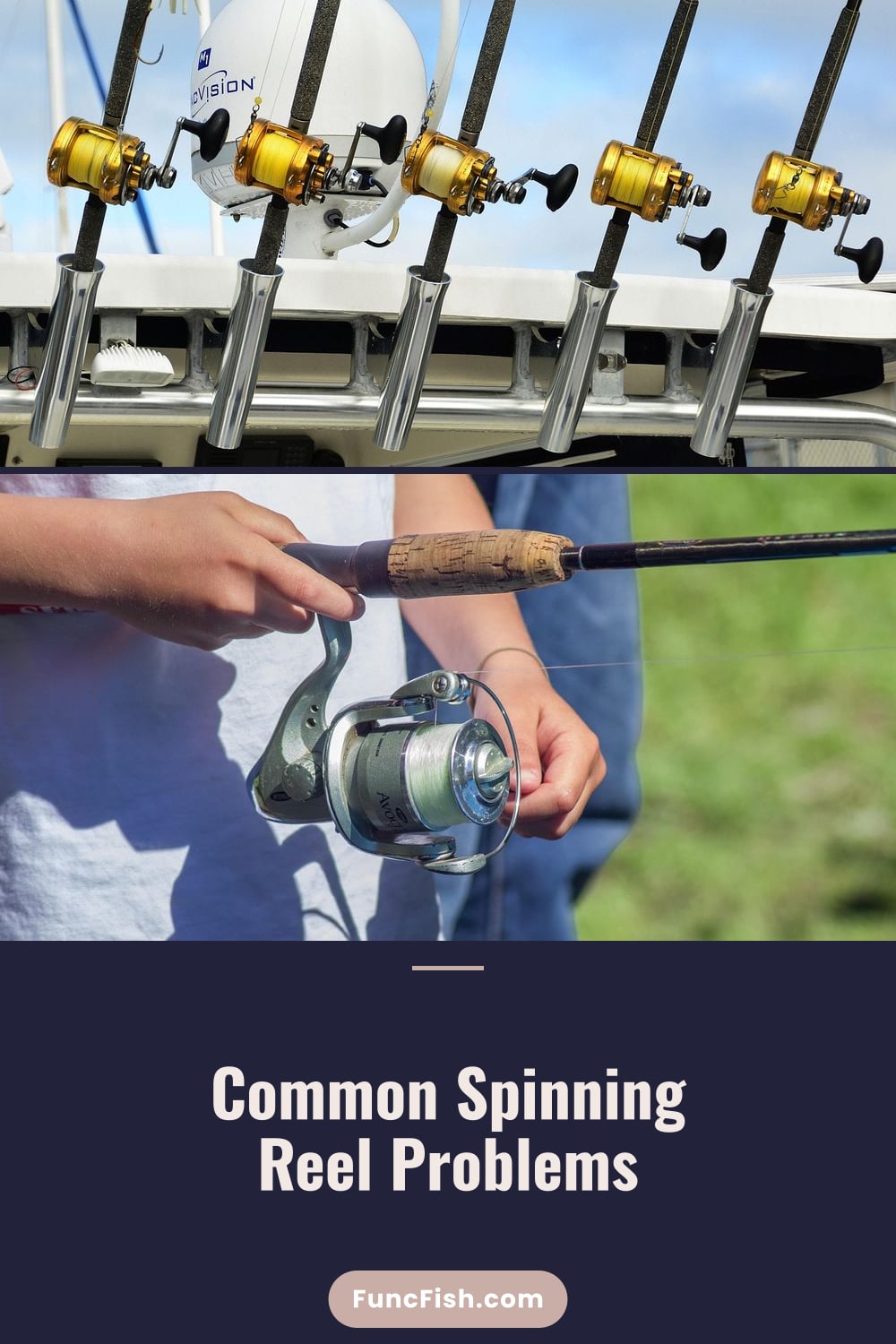
Spin casting reels can fail in a variety of ways that interrupt a persons fishing activity. Most problems with spinning reels is easily predicted and preventative. If a person understands the various ways that spinning reels can fail, the angler will be able to diagnose the problem with the spinning reel.
Backlash and bird’s nest are problems that many people experience with their spinning reels. A bird’s nest happens when the spool spin faster than the line can exit the spool. This can happen if a person releases the bail on the spinning reel while the lure is in the air or if the person turns the handle when the line are slack on the reel.
To avoid bird’s nests, a person can feather the spinning reel with their fingertip prior to casting. Feathering the spinning reel involve placing a light amount of pressure on the line to control the amount of line that exits the reel.
Common Problems Found in Spinning Reels
1. Line Twist
Line twist happens due to the spinning reel rotating in one direction while the bail of the spinning reel turns in the other direction.
With each rotation of the spinning reel, the line adds a twist to itself. With enough spinning of the spinning reel, these line can begin to form coils in the line. To avoid line twist, people can spin the line onto a filler spool while applying tension to the line and passing the line through a wet rag.
Additionally, people can manually close the bail on the spinning reel instead of use the handle to close the bail. Another problem that people can experience with their spinning reels is the drag stick to the reel. If the drag sticks to the spinning reel, the person may lose their catch of the day.
The friction washers on the drag can cause the drag to stick due to getting covered in grease, sand, or saltwater. Prior to every fishing trip, a person should check the drag to ensure it moves smooth on the spinning reel. To test the drag, the person should pull the fishing line directly off of the spinning reel while the drag is engaged.
If there is any hesitation on the line, the drag needs to be lubricated with a drop of reel grease. Never use oil on the drag on the spinning reel. Another problem is if the bail spring of the spinning reel lose its tension.
Due to the number of times that the spinning reel has been used, the bail spring may lose its tension over time. If there is a lack of tension on the bail spring, the bail may not be able to overcome the resistance of the line. This can cause the bail to either pop open during a cast or the bail may not be able to stay closed during the fishing retrieve.
To avoid this problem with the bail spring, a person can manually open the bail on the spinning reel before each fishing trip instead of rely on the bail spring to open the bail.
2. Sticky Line Roller Bearings
Spinning reels also may experience issue with the roller bearing. When the line roller on the spinning reel gets sticky, it will not be able to allow the line to slide smoothly on the spinning reel.
If sand, salt, and line residue gets into the line roller bearing, it can prevent the line from sliding freely on the spinning reel. If a person inserts their finger into the line roller while the spinning reel is open, it may become noticeable if the line roller is sticky. If it is sticky, the person should soak the spinning reel in warm freshwater and relubricate the bearing with a drop of corrosion-resistant oil.
3. Loose Fishing Reel Handles
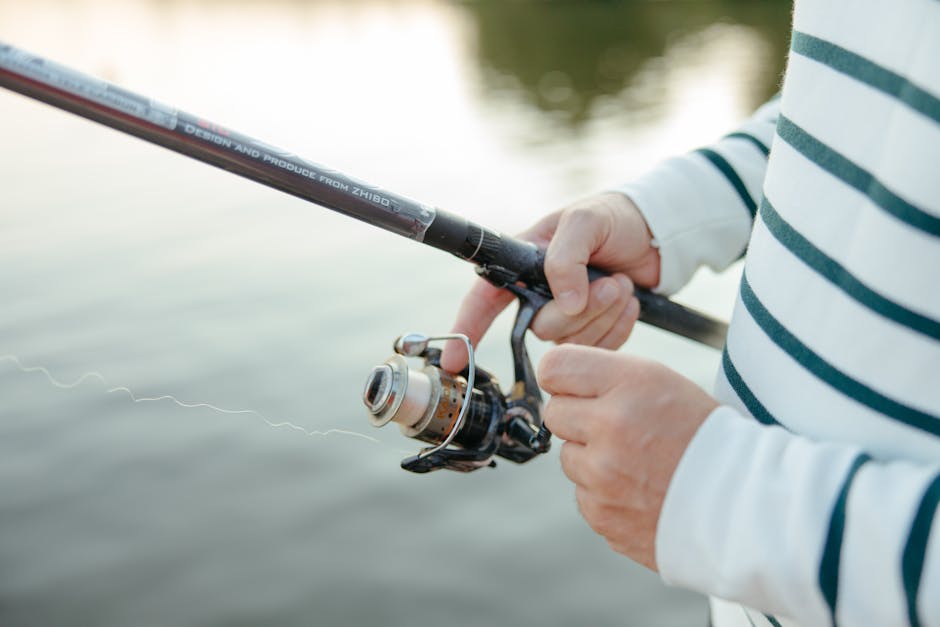
Handle problems can also occur with spinning reels. The handle may become loose or develop play in the spinning reel. The handle of a spinning reel may become loose due to the handle retaining nut becoming loose after a while due to vibrations.
If a person’s spinning reel develop play in the handle, it can create even more stress on the gears of the spinning reel. To avoid this problem, people can tighten the spinning reel handle screw. If the handle continues to become loose with time, apply a thread-locking compound to the handle screw.
4. Frozen Spool Bearings
Frozen spool bearings are another problem that can occur with spinning reels. The frozen spool bearings reduce the distance that a line can cast. Due to the saltwater entering the bearing, the bearing can lose the ability to turn freely.
Frozen spool bearings can develop if a person does not rinse their saltwater spinning reel with freshwater after fishing. The water that enters the spinning reel can create corrosion on the stainless steel ball and races on the spool. To avoid frozen bearings, a person should rinse their spinning reel with freshwater after each fishing trip.
5. Cracked Reel Bodies and Stripped Screws
Additionally, a person should store the spinning reel with the drag system of the spinning reel at a lower setting to allow the moisture in the reel to evaporate. Due to the number of times that a spinning reel is dropped onto a hard surface or if people overtighten the screws on the spinning reel, the body of the spinning reel may crack and the screw hole may strip. If a person overtightens the spinning reel, they may create cracks in the body of the spinning reel that is made of graphite or aluminum.
Additionally, if the body of the spinning reel is dropped on a hard surface, the screw hole will strip. If the screw hole strips, there will be play between the body and the side plate of the spinning reel that can misalign the gears of the spinning reel. People should never use a power tool to tighten the screws on the spinning reel.
Additionally, a person should follow the torque specifications for the spinning reel as noted in the manual that came with the spinning reel.
6. Gear Wear and Damage
One of the most common problems for spinning reels is gear wear. The pinion gears and drive gears of a spinning reel can develop chips or rounding with the use of the spinning reel over time.
If the gears of the spinning reel become chip or rounded, the spinning reel may make metal on metal noises or the handle of the spinning reel may shake or vibrate. This problem can be avoided by inspecting the gears of the spinning reel after each fishing trip when the person cleans the spinning reel. Generally, a person can purchase reels that are of higher quality and they will last longer than cheaper spinning reels due to the precision in which the gears are cut and machined.