
Fishing sinkers are the most simple part of a fishing tackle box. A fishing sinker is typicaly just a chunk of lead or a chunk of tungsten with a hole in it. Despite their simplicity, sinker cause more problems when you are on the water than almost any other fishing gear.
Sinkers can snag on rocks, they can move down your fishing line, and they can spook the fish that you want catch. By choosing the correct fishing sinker, however, you can have a productive day on the water and reel in a limit of fish. Whether you are an amateur angler or an expert fisherman, if you understand the problems that sinkers can cause and the solutions that experienced fishermen uses, you will enjoy your fishing rig less frustratingly and will reel in more fish.
Common Problems Anglers Face With Fishing Sinkers
1. Sinkers That Slip on the Line
One of the first problems that fishermen encounter with sinkers is that the sinker refuse to remain in the proper place on the fishing line. This is true of both rubber-core sinkers and split shot sinkers. These sinkers can work perfectly when they are first attached to the fishing line, but after being cast into the water they may slide down to the fishing hook within a few minutes.
This is caused by the current in the water and the way that the line get through the grips of the sinker. This can result in either a tangled fishing line or a hook that does not reach the proper depth in the water. The solution is to use a fishing sinker that has a better grip on the fishing line.
Rubber-core sinkers are useful for fishing in still waters, but they lose their grip in the presence of a water current. Therefore, fishermen can use removable split shot sinkers or pinch-on sinkers. Pinch-on sinkers has a tighter grip when you squeeze them with pliers.
In some cases, fishermen add a small amount of super glue to the attachment point of the sinker on the fishing line. This slight extra effort will pay for itself as the bait will remain exactly where the angler want the bait to be.
2. Sinkers That Snag on Bottom Obstacles
Another problem with sinkers is that they continually snag on the bottom of the water. The angler may feel the tapping of a fish with the fishing line and may successfully set the hook. Yet, the angler can find themselves locked into some submerged structure. This is common in area with rocks in the riverbed or in areas with submerged trees.
These types of sinkers are problematic because they roll into the nooks and crannies of the riverbed and become stuck to these structures. To avoid this problem, anglers can use sinkers that will bounce over these obstacles in the riverbed. Bullet-shaped sinkers or sinkers with a tapered point will not get stuck in these spots.
In addition to these shapes of sinkers, some fishermen use walking sinkers. These types of sinkers have a flat side and will flip over these structures on the riverbed. Even though these sinkers may cost more money, they will save the angler hours of frustration and time spent retying there line. The downside of these sinker types is that they may not provide the same feeling of the fish picking up the bait with the line.
3. Excessive Splashing Upon Entry
A third problem with sinkers is that they can splash too much when they enter the water. In clear waters where the fish are shy, this splash can scare the fish and drive them away. In destinations where trout live in mountain streams or where bass live in lakes with clear water, the splash of the sinker into the water can cause the angler to miss the chance of successfully catching a fish. To minimize the splash of the sinker into the water when it enters the water, the angler can use sinkers made of less dense materials. Instead of lead sinkers, for instance, use tungsten sinkers.
Tungsten sinkers are smaller in size than lead sinkers that has the same weight. Because they are smaller in size, tungsten sinkers create less of a splash when they enter the water. In addition to using tungsten sinkers, the angler can change the way in which the fishing rig is cast into the water. By using an underhand lob of the fishing rig with the sinker attached, the bait will go into the water first. Then, the sinker will follow behind the bait quietly. Because tungsten sinkers are smaller in size than lead sinkers, the bait will go into the water faster. This is useful if the fish have been driven away from the surface of the water.
4. Improper Sinker Weight
The next problem with sinkers is that there are endless issues regarding the weight of the sinkers. A beginner fisherman and even an experienced angler can get frustrated with the weight of the sinker that they use. Using a sinker that is too light will cause the bait to move unnaturally in the water or may not reach the bottom of the water with a current in the water. If a sinker is too heavy, however, then the angler will lose all sensitivity in their line. Instead of feeling nothing with the line, an angler will feel the sinker along the bottom of the water.
This problem is caused by many fisherman who use the same type of sinker that they find in their tackle box. They do not consider the conditions of the location that they are fishing in. To avoid these issues, a fisherman should of had a variety of sinker sizes and test each of these weights. By starting with a light sinker and adding weight until they feel that the bait is in contact with the bottom of the water without the fishing line dragging on the bottom will work best. Depending on the type of water that you are fishing in, you may want to use a heavier sinker for deep water. This will help to hold the bait in place on the bottom. In rivers, you may only want to use just enough sinker to allow the bait to stay on the bottom in the slow sections of the river. If you use too much weight with the sinker the tip of your fishing rod will not register the taps of the fish with the bait with your line. The same can be said for too heavy of a sinker for deep water with long fishing rods. The angler will not detect if a fish takes the bait. Once the angler has found the correct weight of sinker for a specific location they can not only note the size of the sinker but also remember that size for their next fishing trip.
5. Line Twist Issues
The fourth problem with sinkers is line twist. Certain types of sinkers cause the fishing line to twist when they are cast into the water. The line will create a coil with itself that will cause the fishing line to become weaker and potentially become entangled with the angler’s casts into the water. If the line is braided it cannot absorbs the twist in the line as well as the fishing line that is thicker.
To fix this problem, place a barrel swivel just above the sinker. Alternatively, there are sinkers that have a wire eye at the sinker that limits the ability of that sinker to spin on the fishing line. Other sinkers are created in such a way that they will not twist the fishing line at all. By adding a barrel swivel to a fishing rig it will save the angler hours of time and frustration caused by line that gets tangled when being cast into the water.
6. Environmental Impact of Lead
An additional problem with sinkers that should be considered today is the effect that lead sinkers have on the environment. If the lead sinkers become lost in the bottom of the water the lead can enter the bodies of wildlife such as waterfowl that eat these types of fish. To combat this problem many states have begun to limit the use of lead sinkers in their waters. This regulation will likely continue into the future. Anglers must find alternatives to lead sinkers. The most popular alternative to lead sinkers is tungsten. Tungsten is denser than lead so smaller weights are required with tungsten that will sink at the same rate as lead sinkers. The downside to tungsten is that it costs more. Tungsten can cost three or four times the amount of lead per ounce. Other alternatives include the use of brass or steel sinkers. These alternatives are less costly but will eventually rust over time. They also do not have the same density as tungsten sinkers. Despite the higher cost of tungsten sinkers the angler will eventually get their money’s worth because they will lose fewer sinkers.
7. Loss of Line Sensitivity
Another common problem with sinkers is the loss of sensitivity in the fishing line. This problem typically occurs with deeper water or if the fishing rod is longer. The angler cannot detect the light bites of the fish with the line due to the heavy sinker at the end of the line. If the angler misses the fish they will become increasingly frustrated as they sit in the water wondering why they are not catching any fish while others do. To combat the loss of sensitivity in the line the angler can switch to a lighter sinker or change the way that the sinker is attached to the fishing line. In drop shot fishing rigs the weight is at the end of the line but the hook is attached to the line above the weight. For Carolina rigs a heavier sinker is used along with a leader that will help the angler to detect when the fish bites the bait. These different techniques will help the angler to find the proper weight of sinker to use for the type of waters that they are fishing in.
8. Restricted Bait Movement
A fifth problem with sinkers is that they may prevent the bait from effectively moving in the water. When using live bait such as minnows or night crawlers the bait must have some freedom to move in the water. If the live bait gets stuck in the water the fish will not be interested in it. To combat this problem, anglers can use a sliding sinker that allows the fish to pick up the bait and move it in the water without feeling the weight of the sinker with their line. Additionally, using a small float that is placed above the hook will suspend the live bait from touching the bottom of the water. This will allow the bait to remain alive looking to fish while the sinker will keep the fishing rig in contact with the bottom of the water. Fish will notice the difference in the appearance of the bait.
9. Disorganized Tackle Box Storage
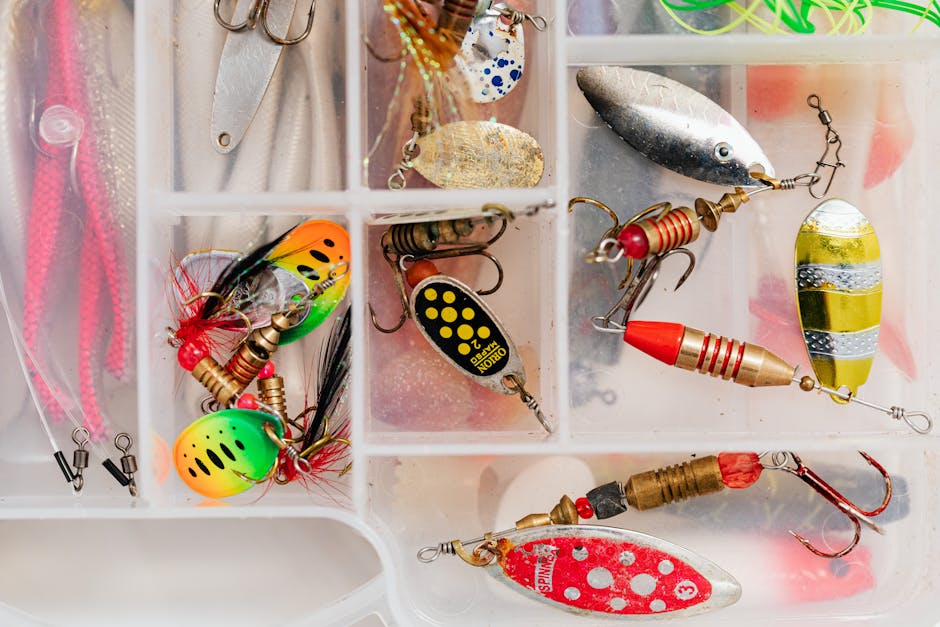
The last problem with sinkers is that they can create a headache for anglers regarding storage in the tackle box. The sinkers will rattle within the box. Over time they will chip at the plastic dividers in the box. Additionally they will become mixed up in the box so that the angler will not be able to find the proper size sinker they need to add to their fishing line. This will waste the angler’s time on the water as they search for the correct size of sinker. Using dedicated sinker boxes that have separate compartments for different sizes and types of sinkers will solve this problem. Some anglers sort their sinkers by size and type so they can find the type and size of sinker they need when they go into the water. This small investment will save the angler time in the future when they will no longer have to search for the correct size of sinker. Instead they can just find it in their tackle box.
While mastering the problems with sinkers will not turn an amateur angler into a professional fisherman overnight the knowledge of these problems will eliminate many of the frustrations that anglers have with their fishing rigs. Next time you go into the water to fish think about the waters conditions and what your sinker needs to accomplish. By making a few changes to the way you rig your lines you may see an improvement in the number of fish that you catch. Your tackle box may be more organized, you may catch less of a tangle in your fishing line and you will catch more fish that will end up in your fishing pot instead of in the water. Achieving this success with your fishing efforts is the real payoff.