
Bluegill fly fishing might seem like a simple activity when people fish from the bank for these fish. A child with a cane fishing pole could catch a couple of bluegill. Yet, if an angler wears waders and casts a nine-foot fly rod into the area where bluegills live, the fish can present a great test of skill, patience, and the angler’s presentation of the flies.
If an angler respects the habits of these fish when fishing with a fly rod, the bluegills will reward them well. The small mouths of bluegills mean that anglers must present the flies with precision. These fish will eat almost anything thrown into the water, but they can also be picky when the sun is high and the water is clear.
By mastering a few ideas when learning to cast a fly rod for bluegills, the angler can turn a pastime into a sport that produces great action from spring until fall. Each idea that has come to pass for bluegill fishing has added to the success of my friends who chase these fish for farm ponds or large reservoirs. Start with the basics of bluegill fishing and you will find that the rest of the sport will be much easier to master.
Essential Tips for Success Fishing Bluegill
1. Locating Nesting Areas via Sight Fishing
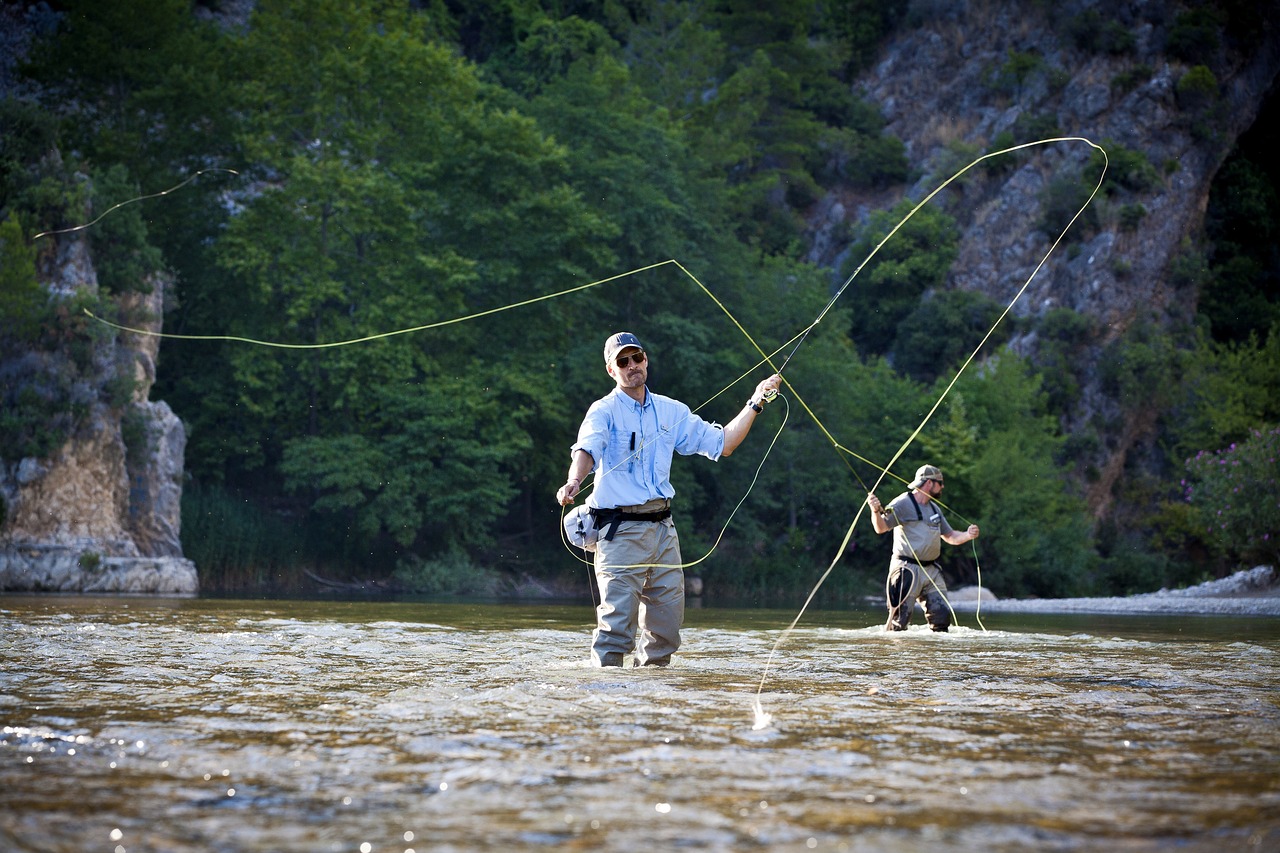
When the water temperature hits the sixties, the female bluegills begins to seek shallow waters. This is because these fish are creating nesting areas for their young. Use sight fishing to find these nests and observe the male bluegills.
These fish exhibit a dark spot on the gill flap of there body. Drop a tiny fly six inches in front of the nose of the male bluegill. The take that the fish will make on the fly will be subtle; it will not be like the fish is smashing the fly.
2. Hook Setting Techniques for Bluegills
However, set the hook using nothing more than lifting the tip of your cast rod. This lift will meet the first (and stubborn) tug that these fish will present when biting on your offering. This time of year is the easiest to catch larger bluegills because the male bluegills are very aggressive and territorial over their waters and nests.
Yet, tread carefully in these nesting areas because you could destroy a bed of bluegills by wading into their waters without care.
3. Essential Leader and Tippet Selection
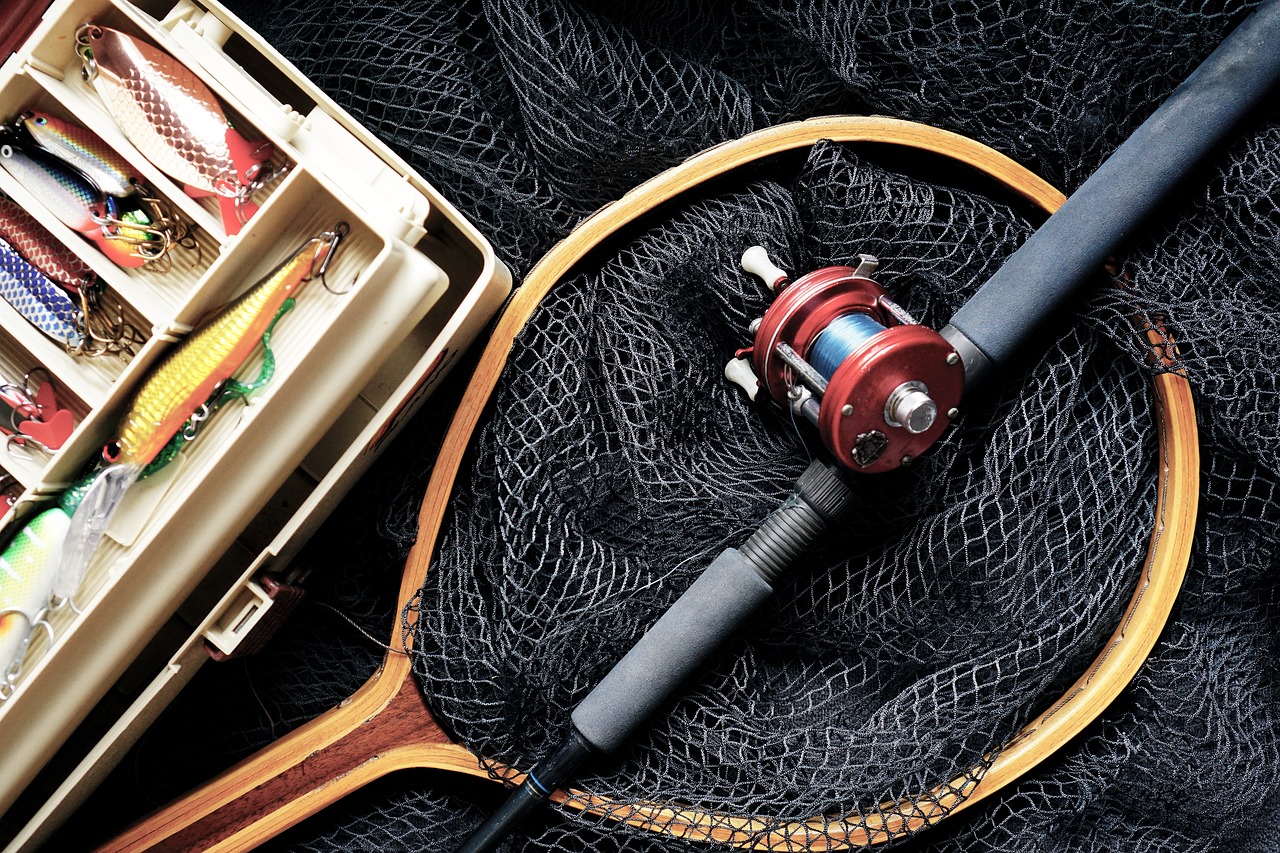
The leader and the rod that you use are crucial components of your equipment for catching these fish. Use a nine-foot leader with a thick tippet if you live in a pond with bass.
However, in clear water with bluegills, a stiff leader with a thin tippet will make more takes on the bluegills. Use six or seven feet of 5X or 6X fluorocarbon to give you more eats from the bluegills. The thin diameter of the fluorocarbon will allow the flies to sink faster and with less splash when cast into the water.
4. Using Light Fly Rod Gear
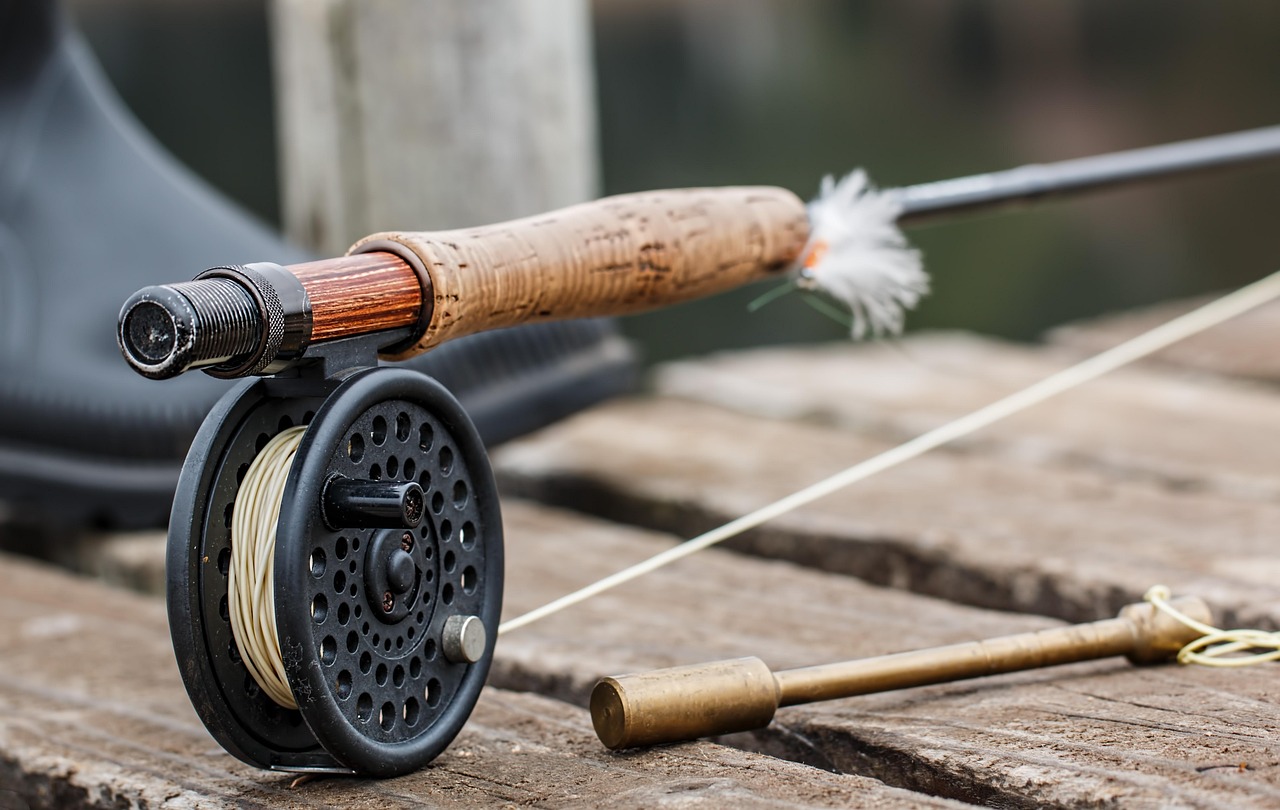
Pair the fluorocarbon leader with a 3-weight or 4-weight fishing rod. This rod will give you the delicacy to present size 12 or size 14 flies without landing them on the bluegills. While it might seem convenient to use a heavier fishing rod to cover greater distances, the heavier rods will make it harder for you to feel when the bluegill takes the fly.
Use light fly rod gear because it is the best tool for the job of fishing for bluegills.
5. Selecting the Right Flies
Choose the right kind of flies to attract the attention of the bluegills. In the early spring, when the bluegills are eating small dark nymphs like a Pheasant Tail or a black beadhead in size 14 will produce the best results.
Yet, when the bluegills begin to eat the insects that live on the surface of the water, a foam spider or a popper will catch the attention of the bluegills. Focus on the size and the silhouette of the fly rather than the color. The eye of a bluegill can only see a few details of the objects on the water’s surface.
If the fly lands with a delicate plop sound and the fly rests on the water for three seconds, the curious bluegill will pounce on the fly. Use a half dozen different kinds of flies in two sizes to ensure that you will see success when chasing these fish. The time that you cast your flies into the water is also crucial for success in catching the fish.
6. Optimal Fishing Times and Locations
Early in the morning and late at night will produce the best results. When the sun is directly over head, the bluegills will move to deeper waters or into the areas under docks or vegetation. Change to a sinking line or a weighted nymph on a long leader for these waters.
Many people will give up on fly fishing during the height of the day. These hours are when the bluegills are most active on the water’s surface. Focus on the shadows that the fish will cast on the water instead of the time of day.
By doing so, you will fish longer without growing tired of the sport.
7. Effective Retrieve Methods
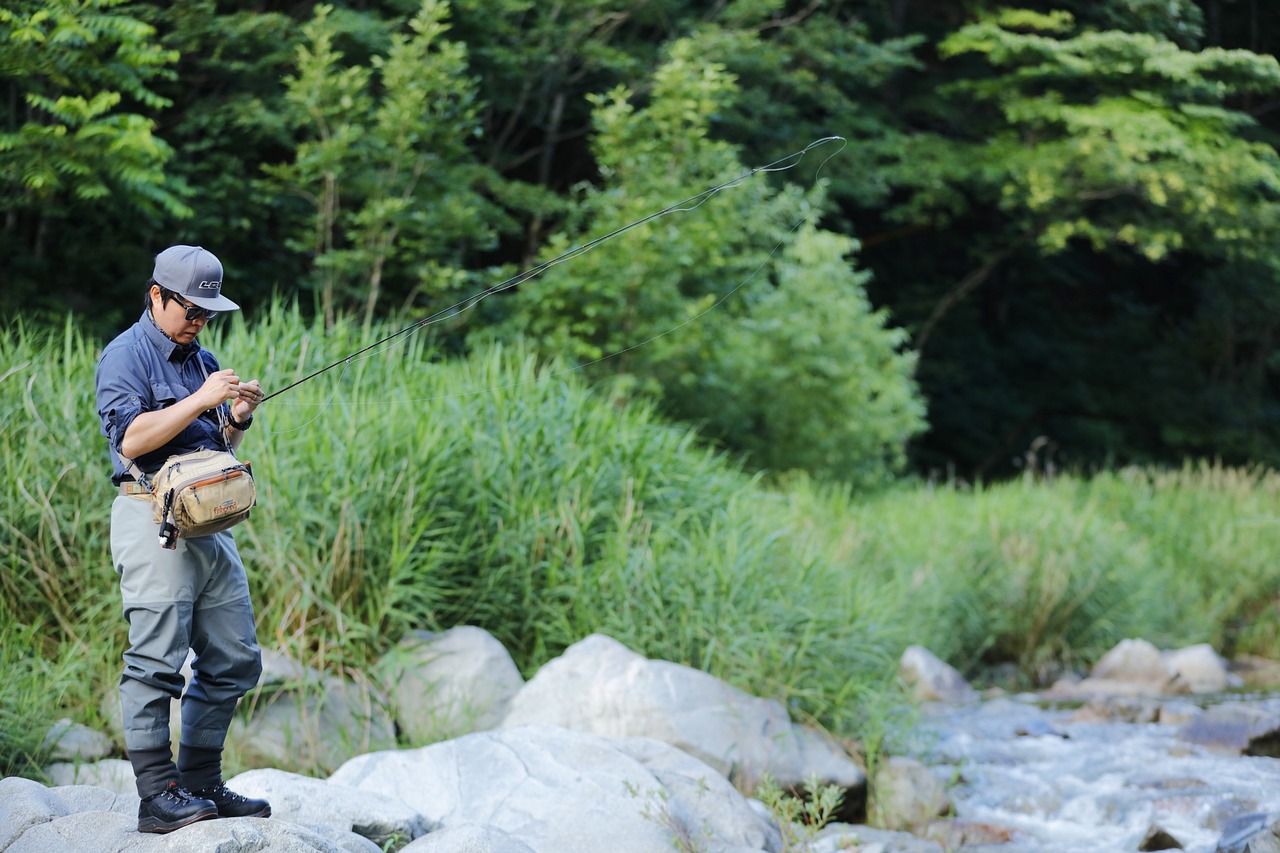
When you retrieve your flies, use a slow retrieve. Bluegills dont chase flies like other fish do.
They inspect the object, then take it into their mouths. A six-inch retrieve with a three- to four-second pause will produce the best results for your fishing effort. If you observe the fish carefully, you will see them flare their gills before they take the fly.
This provides time for the fly to appear life-like without moving away from the fish. If the water is particularly wary of flies, use a slow hand-twist retrieve on the fly for best results. This might look awkward with the fly rod, but it will produce fish when faster retrieves fail.
8. Finding Productive Fishing Spots
Where you stand in the lake or pond is also important. Use the same knowledge of nesting areas to find the best spot to stand. Look for areas where the water drops from two to four feet in depth.
Look for areas with submerged brush where the fish like to congregate. A single Christmas tree planted underwater might hold a few bluegills. Yet, a whole line of submerged brush will produce hundreds of bluegills.
Spend ten minutes looking at the lake or pond from the bank before you cast a single line with your fly rod. If you spot dimples in the water or the movement of baitfish, that is your next fishing spot. Move to a new spot every twenty minutes until you find the fish that are active in the water.
Once you have successfully landed a bluegill with your light tackle and fly rod, you enter the fight of your fishing outing. The bluegill will fight in a straight line for the nearest area of weed or dock. Allow the fight to happen rather than trying to horse the bluegill back to the bank.
The bluegills have soft mouths and will tear free from the line if you attempt to yank it. Allow the fight to develop while maintaining the tip of your rod high. This fight will last less than a minute but will present itself as a battle between you and the bluegill.
9. Responsible Catch and Release Practices
Finally, the practice of release is crucial for maintaining the long-term health of the population of bluegills. These fish live in tight populations. If you catch them in a certain spot, it can alter the size of the population for many years to come.
Yes, a few bluegills can be kept for dinner. Yet, the larger males that are guarding nesting areas should be released to complete their tasks. Wet your hands before you touch the fish.
Use barbless hooks to reduce the injury to the fish, and revive the released fish in deeper waters of the pond. To ensure that there are bluegills to land at the next fishing outing, release them today. This practice costs nothing and will pay for itself in better fishing experiences after each fishing season.
Finally, pay attention to what the fish ate after you land them. Look closely at the fish to see if they ate ants, crayfish, or nymphs. Note this information and use the same food when you cast your flies.
This will increase your chances of success when you pursue these fish. Pay attention to what the fish eat and pay attention to what they want. Fly fishing for bluegills rewards those who seek out the sport of fishing with these fish.
Yet, the bluegills also provide an easy sport for even the beginner fisherman. Yet, the experts in this sport will find challenges in their efforts to land these fish. Master the basics of light tippet, slow retrieve, fishing for nests in the spring months, and be prepared to move to another spot in the water when the fish stop eating.
By doing so, each pond will become a spot that you will want to visit again and again. The next time you see a bluegill creating a dimple in the water near the lily pads, pay attention and take the opportunity to land a few fish. The water might be warm today, the fish might be in the water, and the fly rod is in your hand.