
Fishing boats do more than carry fishing gear; they determine the type of day you will have on the water, what species of fish you will target, and the safety with which you will return home during bad weather. While a skiff may cruise comfortabley across shallow flat, it could struggle in rough sea waters. Similarly, a deep-V hull that excels in sea waters could make it challenging to quietly approach a trout in shallow waters.
Understanding the differences between the various types of fishing boats will help you determine which boat is appropriate for your fishing needs. The right fishing boat will give you an unforgettable weekend on the water and keep you out of trouble. All fishing boats has compromises in their hull designs.
Once you understand what these compromises are, it becomes easier for you to choose the right fishing boat for your fishing style. There are various types of fishing boats, from those used for quiet backwaters to those built for offshore use.
Common Types of Fishing Boats to Consider
1. Jon Boats
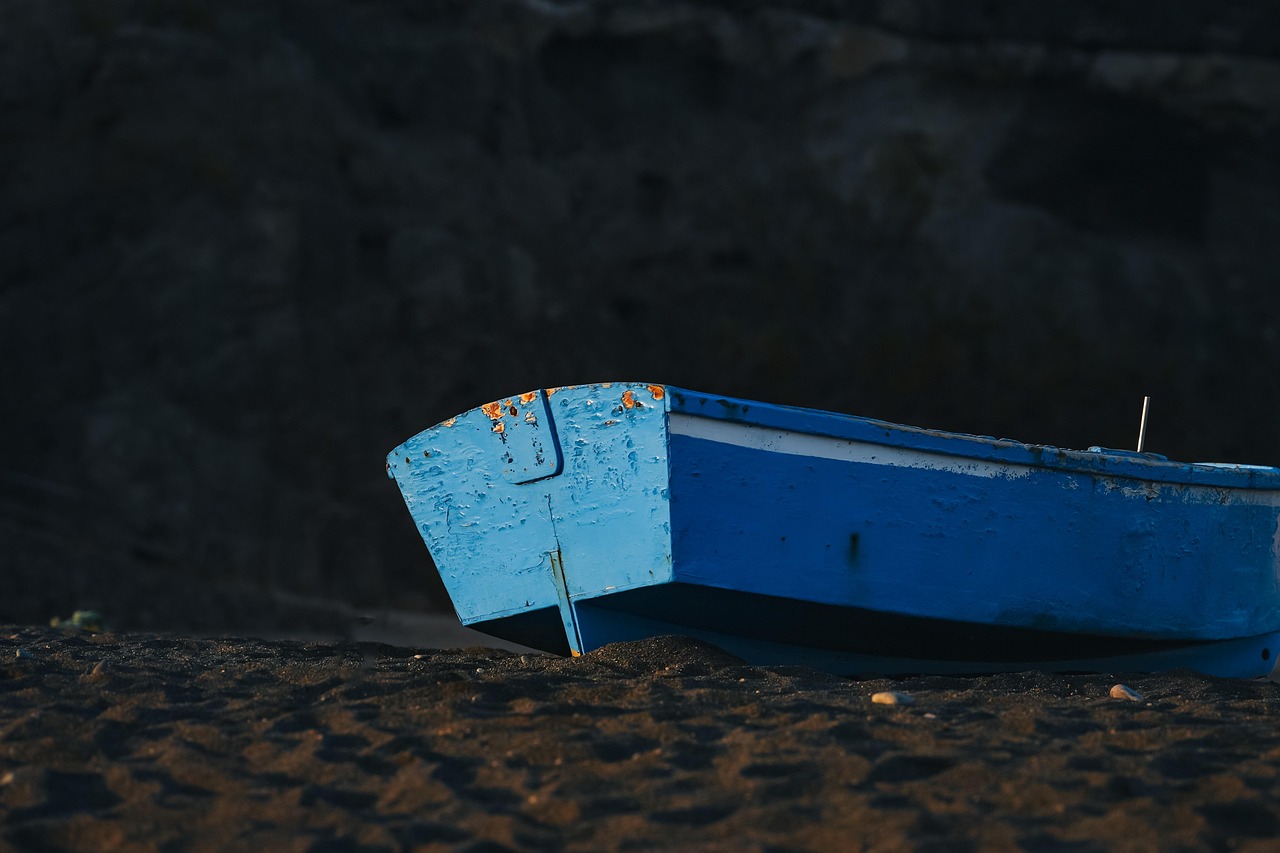
Jon boats started as utility boats made from aluminum sheet.
Their flat bottoms and squared bows provide great stability when standing up on these boats. Jon boats also draw very little water, so they can venture into flooded areas. Jon boats can be pushed with a fishing pole or equip with small outboard motors or electric trolling motors.
Jon boats are strictly for fair weather since they cannot handle heavy rainfalls. Jon boats are difficult to beat with there low prices.
2. Bass Boats
Bass boats took the jon boat concept and built them with raised casting decks on each end of the boat.
The rest of the boat is made of fiberglass with a powerful outboard motor. Bass boats are fast and built for shallow waters. These boats are built for tournament and weekend anglers who cover significant areas of water in a short period.
Bass boats come with livewells, rod lockers, and graphs to aid anglers. Bass boats are great for big reservoirs and lakes. However, the speed of these boats means that you may rush to get off the dock when the fishing is over with cracked boat hulls.
3. Center Console Fishing Boats
Center console fishing boats are very common in coastal waters, and they are popular for good reason. These boats give anglers the opportunity to battle fish from any direction while at the same time viewing the water with the raised helm on the boat. These boats come in various sizes, from twenty-foot boats that travel in shallow waters to thirty-foot models built for offshore waters with twin engine.
These boats do consume more fuel and do not provide anglers with the same protection from the elements as other boat types. However, if the fish are twenty miles from the inlet, the added freedom that a center console boat provides is a benefit to anglers.
4. Walkaround Boats
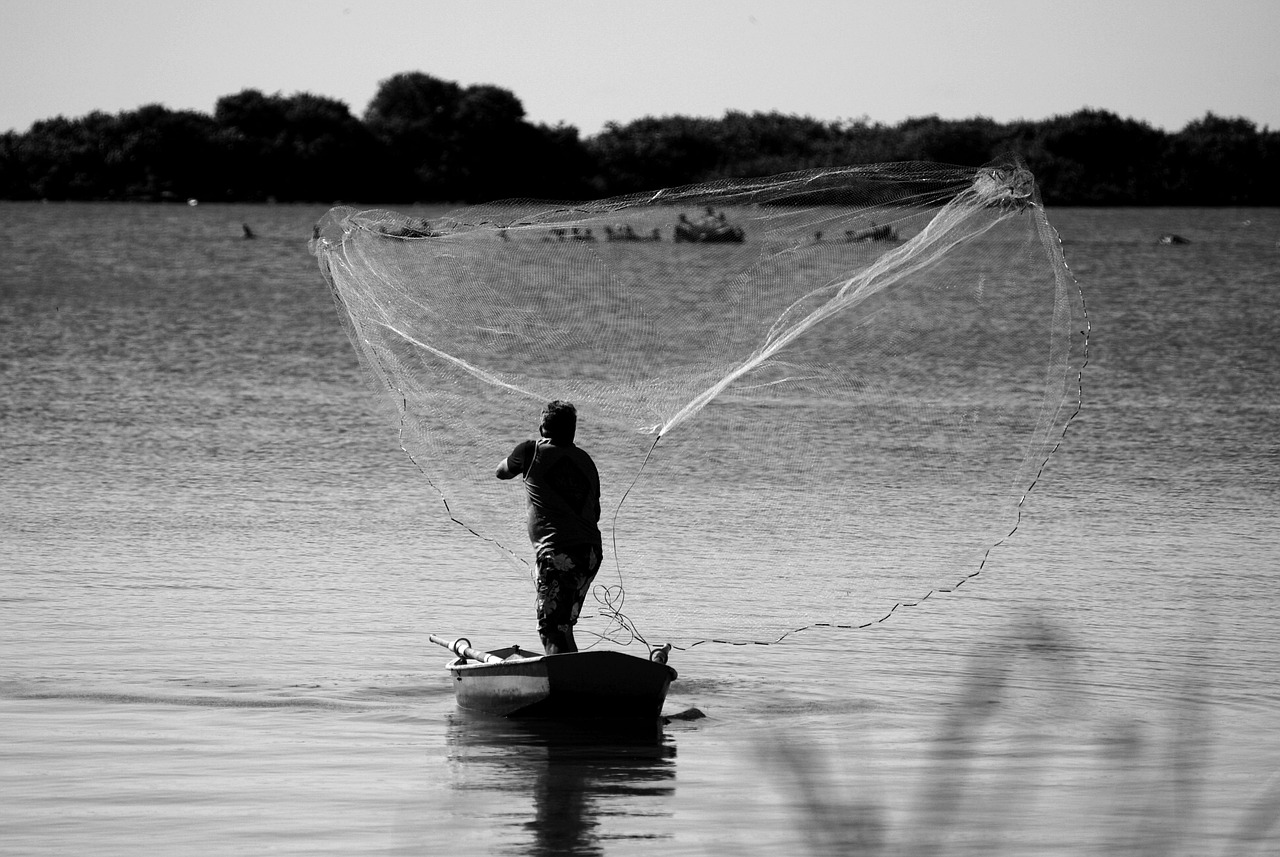
Walkaround boats have a narrow walkway around a small cabin to provide anglers with the ability to follow a fish without having to climb over the console.
This boat type has less fishing space. Walkaround boats include a shelter, head, and place for anglers to get out of the rain. Anglers who fish overnight or in large areas during the shoulder fishing seasons will appreciate this boat style.
Families who like to have a picnic while fishing will also appreciate this boat design. However, four adults will likely feel crowded on a walkaround boat when all of them are trying to cast there lines at the same time.
5. Pilothouse Boats
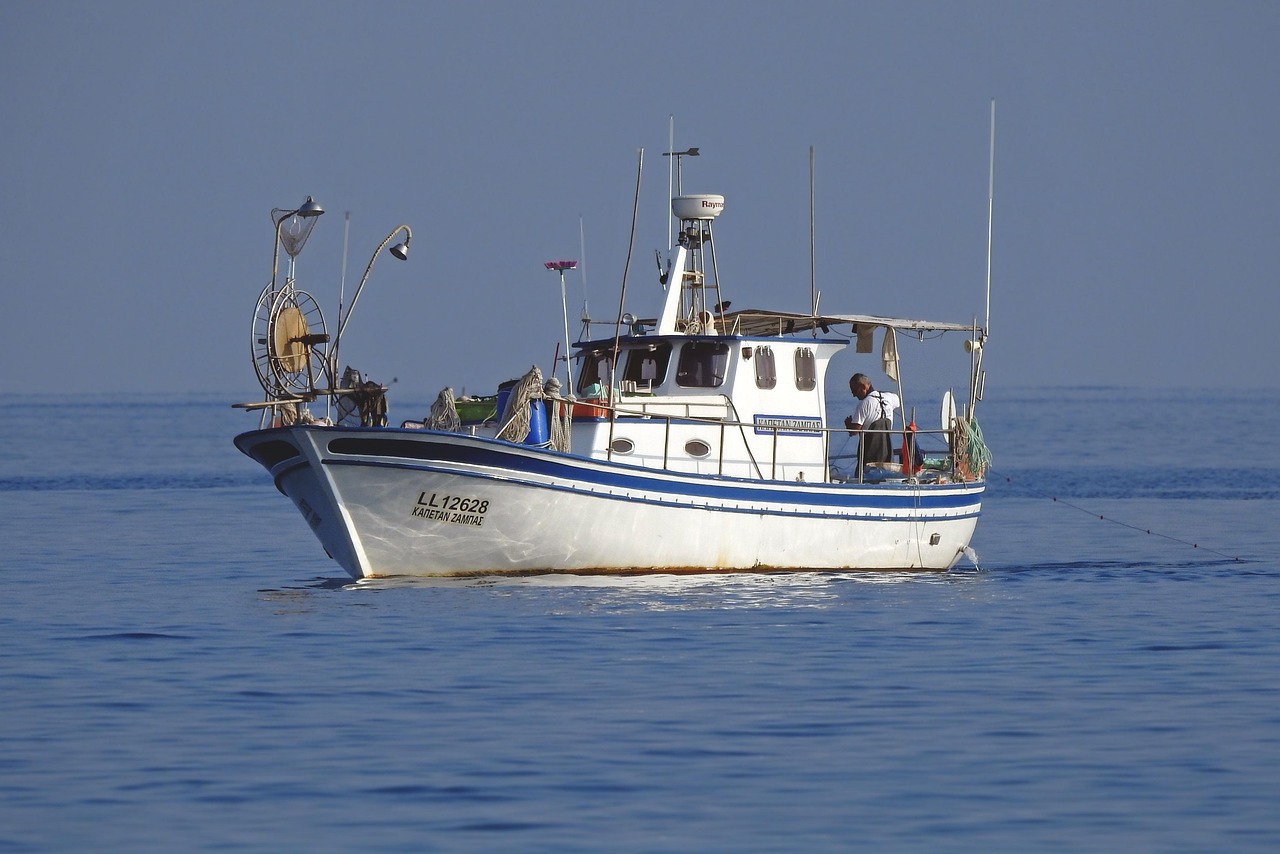
Pilothouse boats build upon the features of walkaround boats.
These boats enclose the helm to provide anglers with additional protection from the elements. These cabins include a galley and sleeping bunks for anglers who charter these boats for long periods. These boats are very popular among charter captains in the Pacific Northwest and Alaska.
These boats are built to handle the cold weather conditions and bad weather for all-day fishing. However, the high sides of these boats make them unsuitable for shallow waters or when navigating tight docks. However, these boats provide a very smart boat design element when the weather becomes bad on the water.
6. Inflatable Boats
Inflatable boats, specifically rigid-hull inflatables, can solve many owners of waterfront properties for storage. When not in use, you can deflate these boats and they will fit in your garage or on a trailer. These boats have a fiberglass or aluminum hull bottom and an inflatable collar to increase their buoyancy.
These boats work well as tender boats for large yachts or as inshore fishing boats since they can beach the boat. However, be sure to watch your footing on the inflatable boat since the tubes can become slippery under your boots.
7. Skiffs
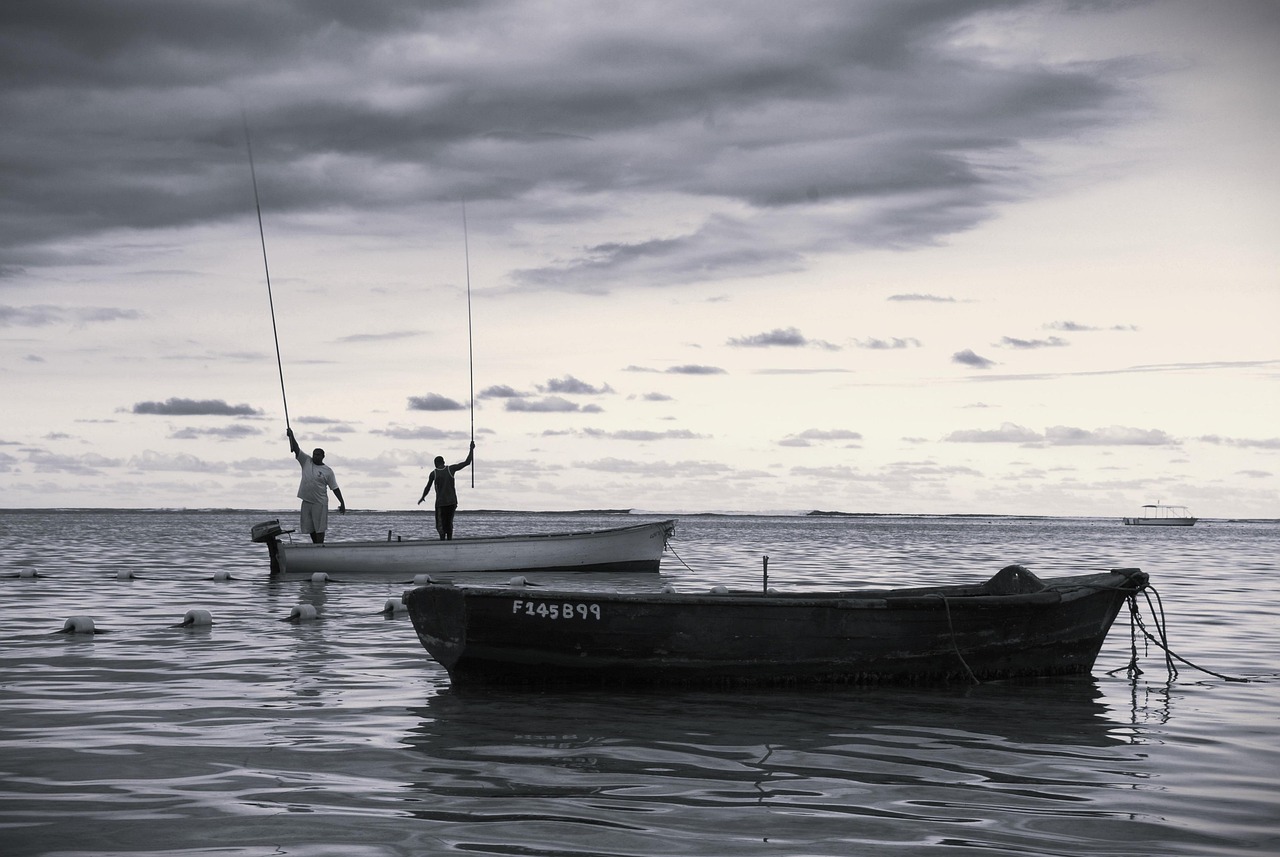
Skiffs, specifically Carolina or modified vee skiffs, fall somewhere in between jon and bay boats.
These boats have more deadrise to handle choppy waters. However, they come down to a shallow draft that allows these boats to travel in skinny waters. These boats come with center consoles and have various options for the number of horsepower the boat will have.
These boats are simple in their build so that they require little maintenance and feature high resale values. If an angler targets both flats and bay areas, this boat class provides a good solution.
8. Cuddy Cabin Boats
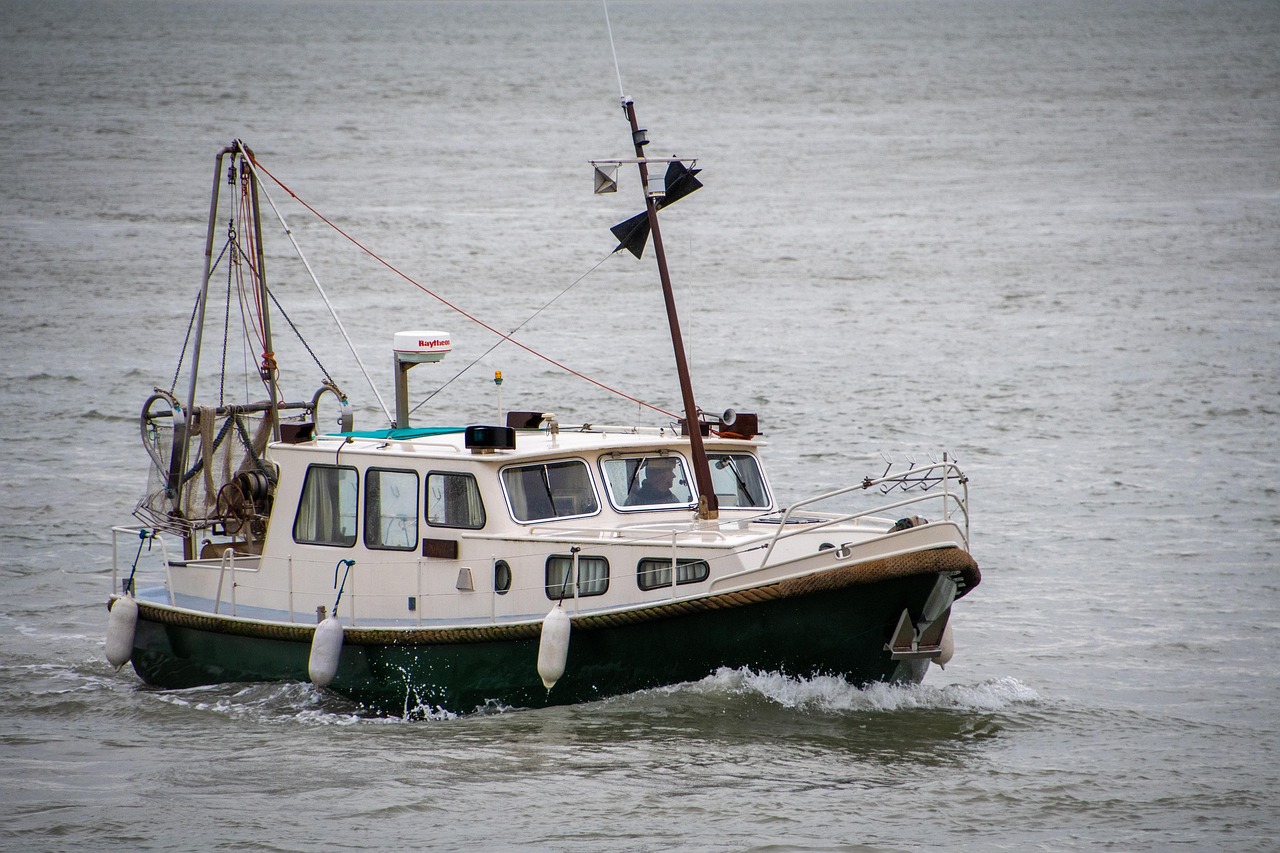
Cuddy cabin boats include a small enclosed space under the foredeck for anglers to change clothes or take a nap.
These boats feature the same open space for fishing as other boats of similar size. However, the addition of the cuddy cabin allows these boats to extend the fishing season. These boats come in sizes from twenty to thirty feet and have outboards or sterndrives.
While the cuddy cabin comes with some loss of storage space for fish boxes, the benefits of being able to get out of the rain or hide children while still on the water is a benefit to many families.
9. Multihull Boats
Multihull boats, mostly catamarans, have gained many followers in fishing communities during the past twenty years. These boats feature twin hulls with great stability when the boat is at rest or moving through waters on the side.
Because of the way these boats plane, they also consume less fuel than monohulls. While some anglers find the side-to-side movement of the catamarans uncomfortable, once they become accustomed to the motion, the added space on the water and the ability of the boat to be motionless while still casting lines to fish is a benefit to anglers.
10. Dories and Drift Boats
Dories and drift boats may seem like a niche in the market, but they do offer some benefits.
These boats were originally built for areas with rivers like the McKenzie River in Oregon. The moddern versions of these boats made of fiberglass are the favorite boats of fly fishing guides since these boats row well, spin quickly, and have a stable platform for anglers to stand on even in fast rivers. However, these boats are not ideal for big expanses of water with significant waves.
In these areas, though, they can provide an enjoyable day of fishing for anglers. No fishing boat can do it all. The key to finding the right boat for you is to understand where you fish the most, how many people come with you, and the type of weather you encounter.
An angler who understands these features of their fishing trip will have more good days on the water than an angler who just purchases a boat for looks or a salesperson on the boat. Choose a fishing boat that fits your life rather than the fantasy life you would like to live. However you choose your boat, your fish will not care what kind of boat you use since they do not care if you show up in a boat that will float.