
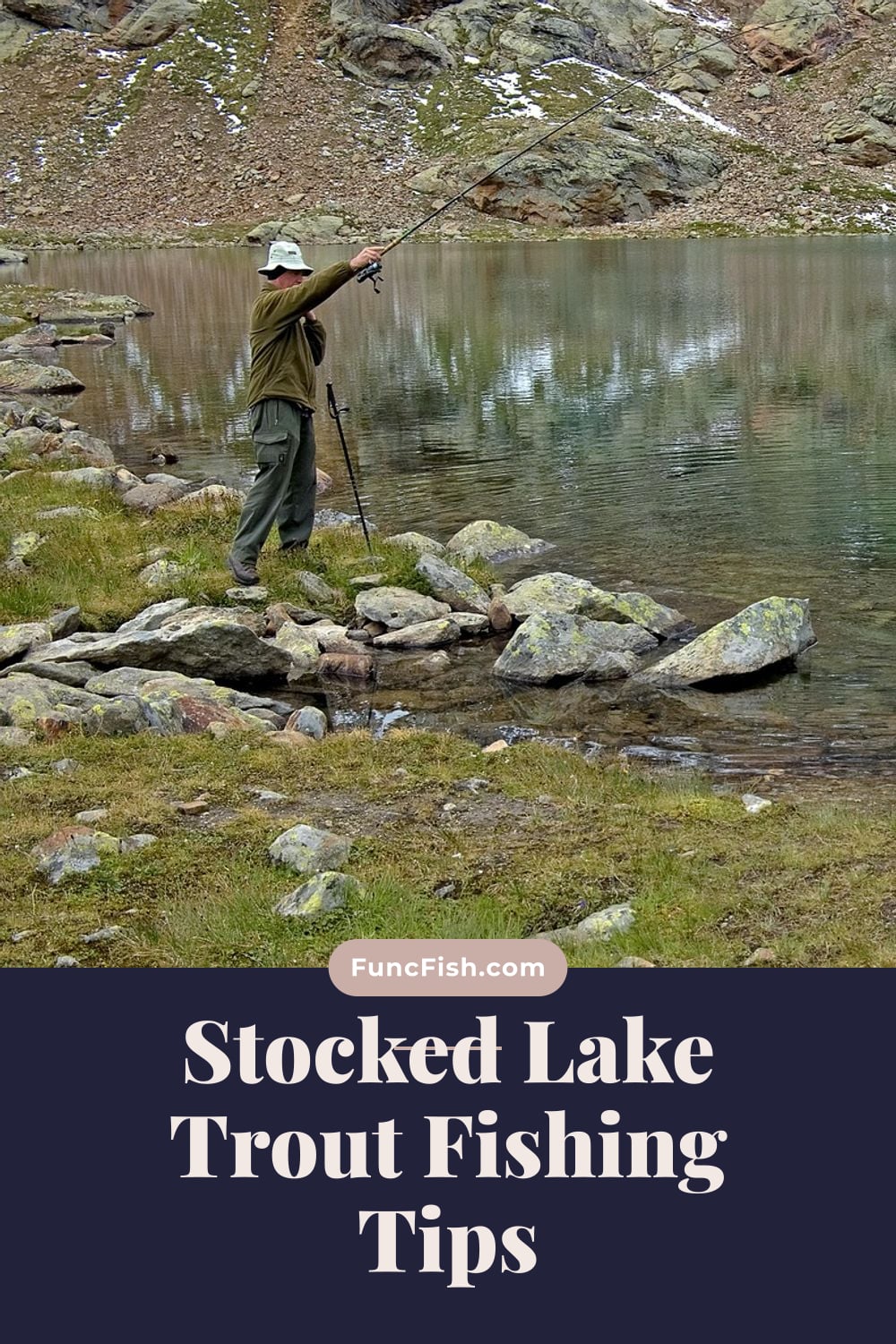
The experience of catching a large lake trout is the same feeling many angler experience. Lake trout have a power to fight that keeps many on the water for long periods of high adrenaline moment. But this success is not gained through luck, as luck is not a method that anglers should rely upon to increase chances of success with stocked lakes.
Stocked lakes can afford anglers a unique opportunity to solve the mystery of stocked lake trout. Due to the fact that stocked lake trout did not grew up in these lakes, they tend to have different hunting instincts than trout that live in stocked lakes their entire lives. Understanding the difference between stocked trout and wild lake trout is what allows anglers to separate those who succeed in catching lake trout from those who merely enjoy scenery.
Using the proper technique, an angler can turn any stocked lake into a fishery that produces an abundance of lake trout. The following are the most important lesson that anglers should learn when pursuing stocked lake trout, and why these lessons are important for catching more trout in the net. An angler cannot catch a fish if they dont know where to find the fish.
Essential Tips for Catching Stocked Lake Trout
1. Understand Stocked Lake Trout Behavior
Lake trout have different behaviors compared to wild lake trout. Most lake trout that are stocked into lakes were raised in hatcheries. As a result, they stay closer to the surface and school in tighter groups.
2. Utilize Trolling Techniques
Because of the tendency of stocked lake trout to school in tight groups, anglers often target stocking areas who utilize trolling techniques to find these fish. Stocked lake trout are more responsive to trolling than sitting in one spot in the stocked lake. The best method for finding stocked lake trout is to map the stocked lake.
3. Use Electronic Tools for Mapping
Using electronic tools while the lake is calm, look for suspended balls of baitfish between depths of ten and twenty-five feet. Most stocked lake trout will not go deeper than forty feet in lakes in the Midwest and Eastern regions of the United States throughout the fall fishing season. Once you have found the location of the bait and the trout, note the depth of the trout.
Most lake trout will cruise the same depth in the area throughout the morning. Therefore, trolling between a few feet above and below the depth of the lake trout will bring more success in catching lake trout than any other method. Downriggers can aid in fishing stocked lakes, but are not necessary for anglers who find stocked trout in areas that cruise to the same depth.
4. Maintain the Proper Strike Zone
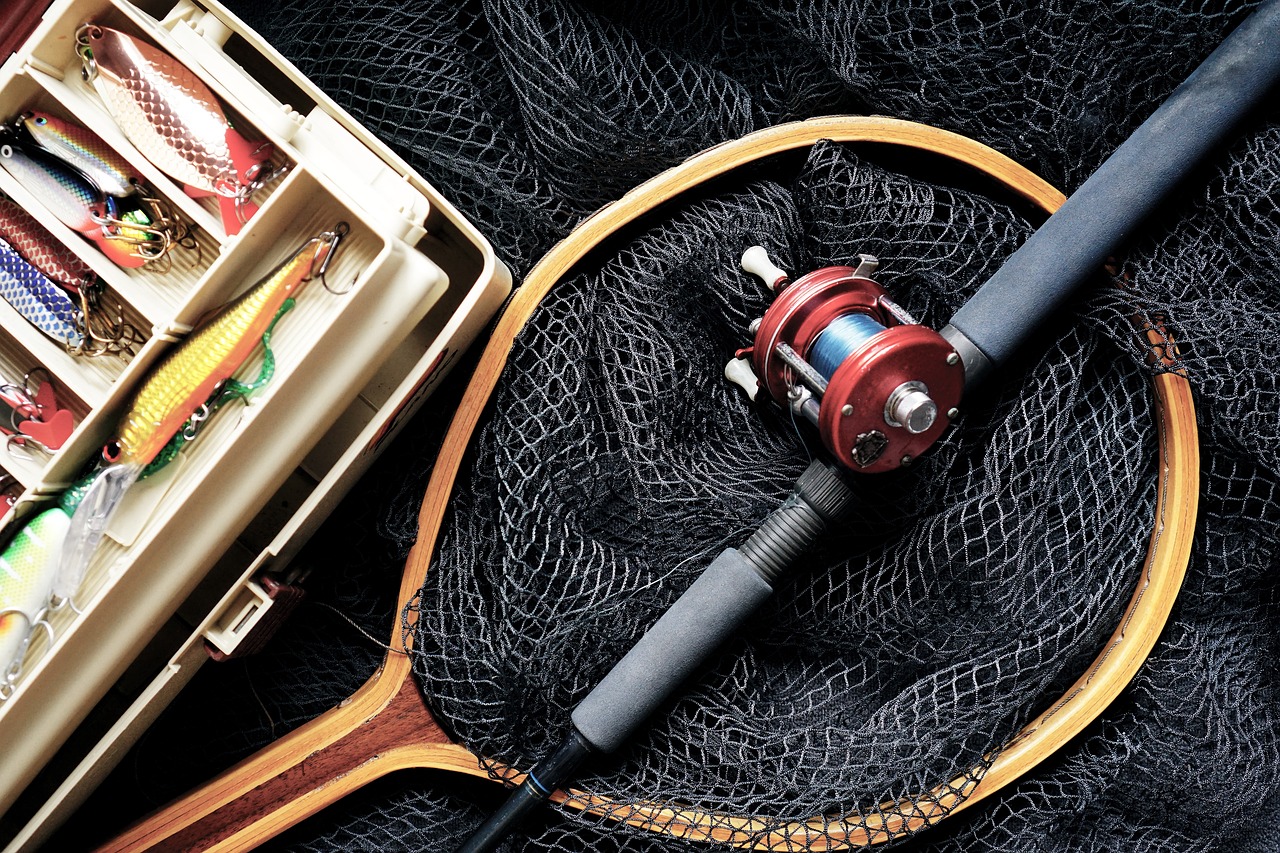
Using planer boards or weighted lines allows anglers to fish multiple depths at once. However, lures should be kept in the strike zone for the trout for at least ten seconds. Any time that a lure is not in the proper location for the lake trout for ten seconds will waste the angler’s time on the water.
5. Present Battered Lures
When fishing for stocked lake trout, the presentation of the bait is more important than the perfection of the bait. Stocked lake trout are exposed to many different colors of spoons, bright lures, and other fish attractant. Stocked lake trout become wary of bright colors and exaggerated movements of lures.
The best results are achieved with battered lure. Using a silver and blue spoon that has much of its paint chipped off will outfish the use of the same number of new spoons. This is due to the fact that the spoon will have less flash and less wobble with the use of a spoon that is battered.
6. Select Correct Lure Size
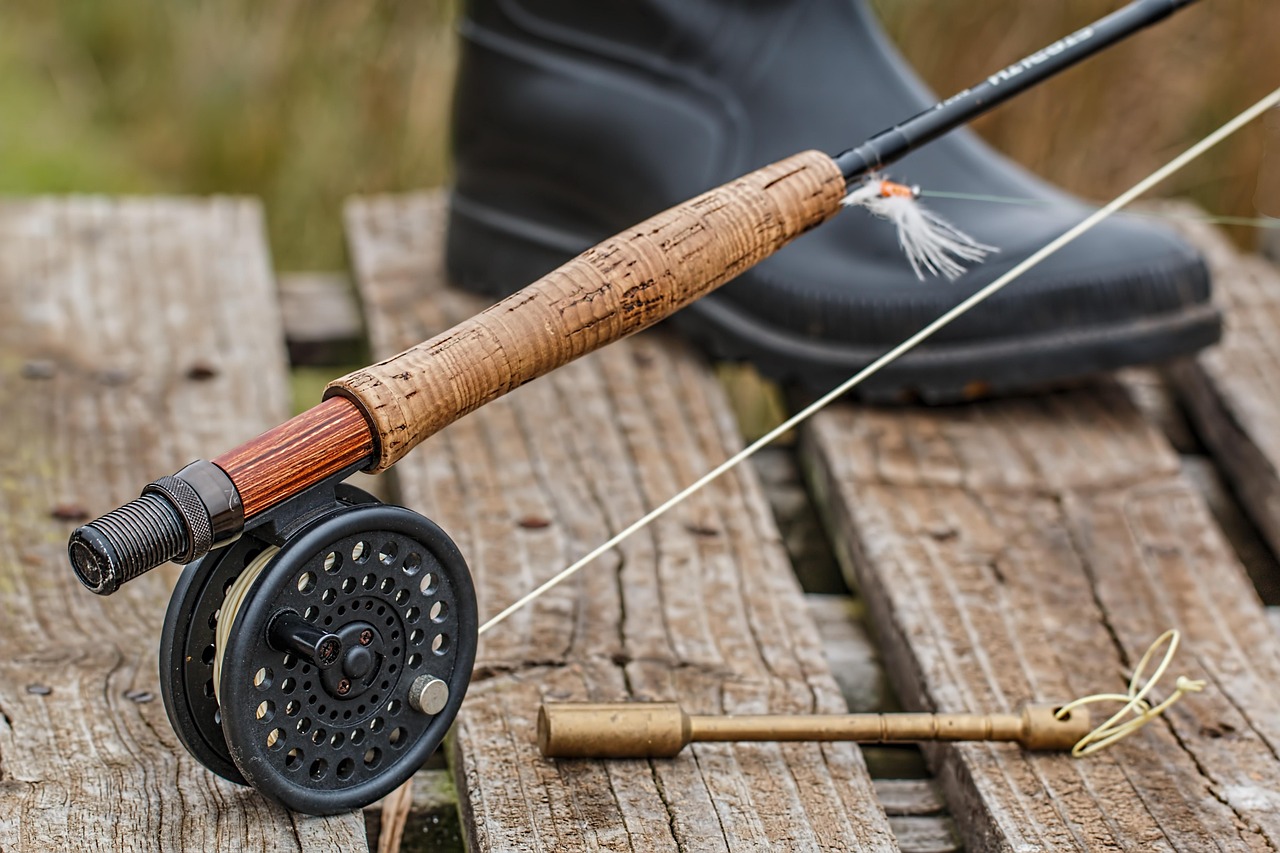
Crankbaits that tend to exhibit the best success are those that roll slightly off of the center or have a pronounced tail kick to mimic the actions of injured baitfish. Size is also important in fishing for stocked lake trout. Most stocked lake trout between twelve and twenty inch in length will eat four inch baits.
However, stocked lake trout that reach twenty-two inches will begin to seek out food that is larger in size. Six and seven inch spoons will produce fewer bites, but the bites will be worth the wait. Anglers should not be afraid to use two sizes of lures at once to entice these stocked fish.
7. Use Lively Live Bait
Live bait is often successful in stocked lakes, but only if presented in the right manner. Many anglers attempt to use a nightcrawler under a bobber. However, stocked lake trout will often ignore stationary bait.
To entice stocked lake trout, use a lively shiner or a fathead minnow on a size two hook under a slip bobber that is set at fifteen feet beneath the surface on calm days. Adding weight to the minnow will allow it to swim in small circle. However, the added weight should ensure that the minnow cannot reach the surface of the water.
The minnow will attract the attention of any lake trout cruising beneath the surface. If the bobber goes under the water, do not set the hook until the fish has turned with the bait for three counts. The mouths of stocked lake trout are soft, and using force to land the catch will often leave the hook unremarked upon by the trout.
8. Mimic Prey with Soft Plastics
If live bait is not available, using a small tube jig or a soft plastic swimbait will produce similar result. These baits mimic the movement of tiny alewives and smelt. Because hatcheries feed alewives and smelt to the young lake trout prior to releasing them into stocked lakes, using these baits will lead to the stocked lake trout of interest.
Use the lures in shallow flats with a slow yo-yo retrieve. The pauses in the movement of the lure will attract the interest of stocked lake trout. A dead fall of the lure will often be more attractive to a following trout than constant movement of the lure.
9. Adjust for Summer Water Temperatures

Once the summer season has arrived, the temperature of the water becomes the most important factor in the success of an angler. Stocked lake trout are fish that have a love for cold water. When the water becomes warm, stocked lake trout begin to act sluggishly and begin to act picky when searching for food.
Most anglers leave the lake when the water temperature begins to climb into the high sixties. However, there are a few smart anglers who understand that all they must do is change depth and fishing techniques. In the summer season, stocked lake trout will drop to the coolest water that they can find in the lake that matches the bait that they are using to attract the fish.
Most stocked lake trout will seek out depths between twenty-five and thirty-five feet. At these depths, stocked lake trout will ignore fast moving lure. Instead, use smaller spoons to troll at less than one mile per hour.
Alternatively, try vertical jigging with a one ounce spoon tipped with a piece of sucker meat. Adding the scent of the sucker meat will add extra appeal to the lure when the stocked lake trout are not especially aggressive in their eating. An angler should pay close attention to the hours of five in the morning until five in the afternoon.
During these hours, the surface waters will cool. A short time window will allow stocked lake trout to move up between ten and fifteen feet from where they have been sleeping to areas where they can feed. During these time windows, using top water bait or shallow crankbaits will produce the best results from stocked lake trout.
10. Target Areas of Interest

Although the window opens only for thirty minutes, that thirty minutes is time well spent on the water before the sun climbs over the trees. In addition to the depth of the stocked lake that is being fished, the location within the lake is just as important as the depth of the stocked lake. Stocked lake trout will not spread themselves out over the stocked lake.
Instead, they will seek out area of interest within the lake. Look for long tapering points that extend from the shoreline into the deeper areas of the lake. Stocked lake trout will patrol these areas.
Submerged islands often have concentrations of stocked lake trout. These areas of interest in stocked lakes have shallow areas of the islands that contain baitfish, yet the deeper areas of the islands allow the stocked lake trout to escape if they become over stimulated by the presence of bait. To fish these areas of interest, troll in a clockwise or counterclockwise pattern around the island while keeping the lures on the breakline.
Perform this cycle twice around the island, then reverse the direction to reawaken stocked lake trout that have become interested in the lures but no longer interested in the sight of the moving lures. Look for areas along the shoreline that are exposed to the wind. Trout will follow the baitfish that the wind forces against the shoreline.
Using baits in waters only eight feet deep may uncover schools of stocked lake trout. Anglers should take care to not come too close to the fish with the boat. The shadow of the boat and the motor will startle the stocked lake trout.
11. Time Trips with Stocking Schedules
An angler should time their trip to match the schedule that the state uses to stock the lakes with lake trout. When stocked lake trout are less than two weeks old, they are adjusting to their new diet of natural foods. They are less selective with what food they eat.
Anglers can take advantage of this time with bright lures in fast moving retrieves to entice stocked lake trout of interest. After one month, stocked lake trout have become conditioned to food and will only eat what they recognize as food. This time, use the more subtle lures and techniques that have been discussed in this article.
Plan trips accordingly. While it may seem like cheating to go to a stocked lake the weekend after it has been stocked with lake trout, six weeks later it may seem like graduate school. However, both times offer anglers the chance to experience the thrill of reeling in a large stocked lake trout.
12. Master Landing and Fighting Techniques
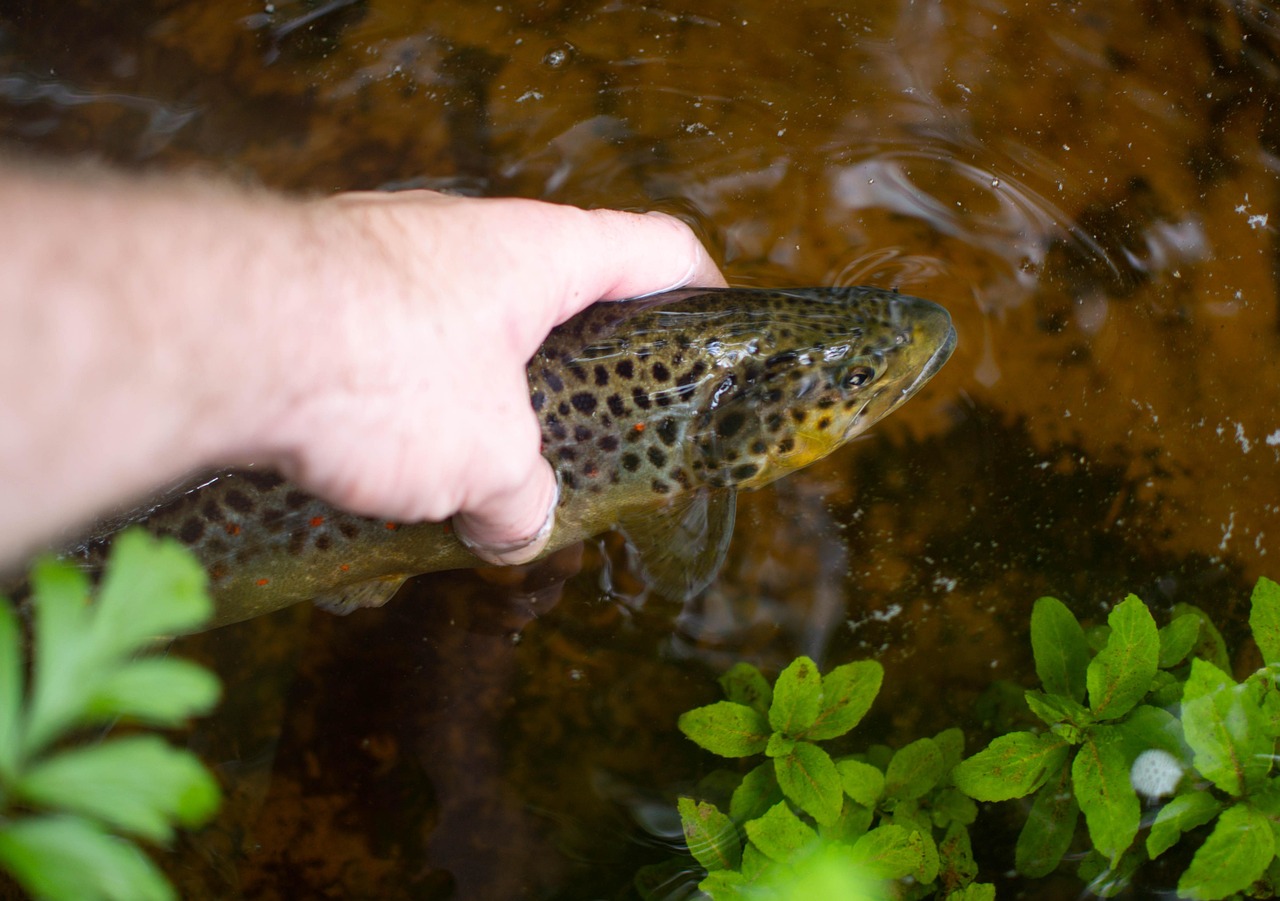
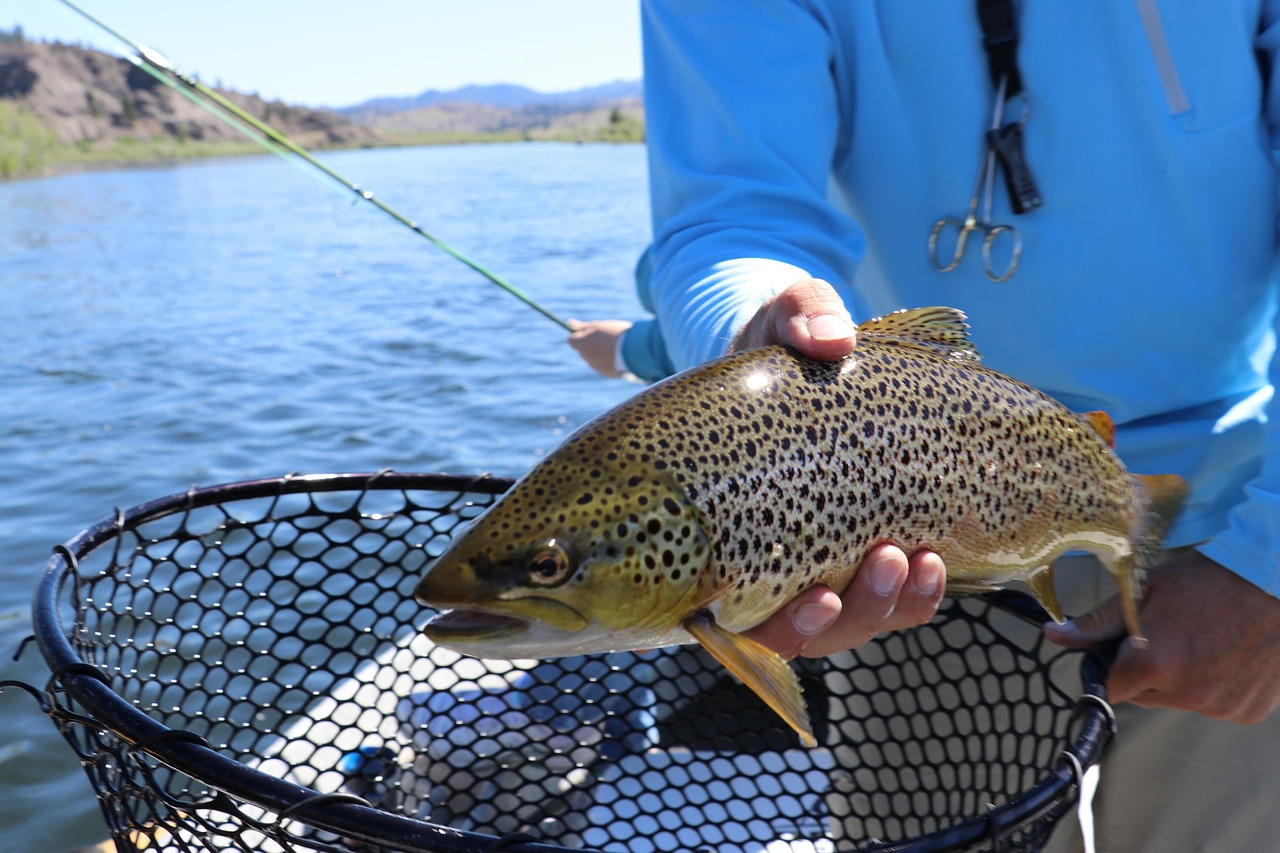
To fight and land lake trout requires a different touch than other fish like bass or walleye. The mouth of lake trout is very delicate, yet their heads are very strong. If an angler horses the lake trout out of the water, the fish will often unbutton themselves on the boat.
Anglers should use a medium-light rod with a soft tip that can absorb the head shakes of the lake trout. Keep applying pressure to the lake trout, but do not lock the drag once the lake trout are tired. Instead, allow the fish to take the line in short runs.
It is preferable to use a net to catch stocked lake trout rather than lift the fish by the gill plate. By the gill plate may produce great results, but can potentially damage the lake trout. Damaging the lake trout may ruin the lake trout when releasing the fish back into its home waters.
Some stocked lakes release stocked lake trout that are kept for the table. Anglers should be sure to know the regulation of stocked lakes before heading out on the water. A limit of fresh lake trout can be prepared for lunch.
This meal is one of the best rewards that an angler can enjoy. The last secret to successful lake trout fishing is the simplest of all. The consistency of a person’s effort on the water is the best path to success.
A person who spends more time watching the fish react to the stocked lake on any given day will catch more lake trout than a person who only visits the lake once a month with their latest fishing lure. Lake trout are creatures of habit until some change to the water temperature or the forage base for the trout. It is up to the angler to notice when changes occur before the fish do.
Take the lessons of lake trout fishing to your favorite put-and-take lake and watch what happens. The fish are waiting for a person to join them. All the fish need is for a person to learn to speak their language.
When a person finally feels the thump of a lake trout taking the bait and watches as the fishing rod loads up on the angler, the person will realize that the true stocking program of lake trout was the one that took place in the person’s fishing education. This stocking program will never run out of fish to catch.