
Rain can change a good fishing day into a great fishing day for those who know the best ways to handle the rain. Many anglers already pack up their gear at the first drop of rain and leave the river to those who is willing to get wet. This is a mistake.
When it rains, fish begin to feed more aggressively. The reason for the increased feeding is due to the lessening of the light falling on the water and the way in which the rain affects the surface of the water. Additionally, there is an influx of insects and the runoff from the land, which adds more food for the fishes.
Fly fishing in the rain requires some preparation. You must adjust your mindset because the rain will affect your gear and the behavior of the fish in the river. It isnt simply the task of endure the weather.
The best anglers will adapt to the weather conditions, protect their gear, and use the rain to their advantage. The following strategies will help you to use the rain to your advantage when you are on the river instead of struggling through a miserable fishing day with no fish to add to your daily catch. You should dress for the rain because you will get wet when you are on the water.
Top Strategies for Fly Fishing in the Rain
1. Dress for the Rain
Wear a rain jacket with sealed seams and adjustable cuffs and wear a fleece or wool layer under your rain jacket. Avoid cotton garments because cotton becomes wet in the rain and does not dry out. Wool and synthetic clothing tends to wicks moisture away from the body.
2. Wear Rain Pants and Proper Footwear
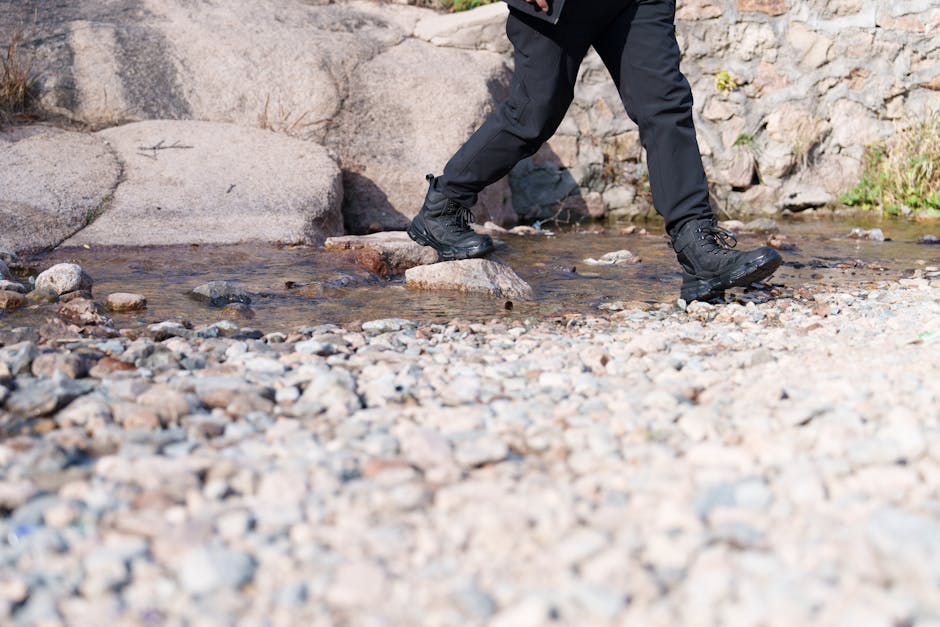
Wear rain pants with reinforced seats if you will be kneeling on rocks or sitting on the bank with wet boots. Felt soles on your boots will provide more traction on rocks that have gotten wet from the rain. Rubber soles will slip on these wet rocks.
Studded boots will offer the most security when wading on granite creek beds that have become slippery due to the rain. Wear a hat with a wide brim that will deflect rain from falling on your glasses and will keep the rain out of your neckline. These clothing items may seem bulky while you are dressing for the water.
However, staying dry and warm when fishing will allow you to focus on your fly rod after three hours of fishing. The downpour will affect your fly line more than the rain will affect you. Water beads on the fly line and creates drag on the line.
3. Manage Fly Line Drag
This drag on your line will affect your accuracy with your flies. To prevent this, wipe your line down with a dry cloth and line dressing prior to heading out to the river. Some anglers add a small squirt of pure silicone spray to their lines to assist with the water sheeting off of their line.
4. Use Casting Techniques to Shake Water
Cast your line with false casts when on the water to shake water off of your line between drifts. Perform a few snaps in between each drift so that your fly can turn over properly. If you are using a sinking line, the rain will have less effect on your line.
However, the weight of the water on your fishing rod will add to the weight of your rod. Use sink tips so that you can minimize the false casts you have to make while on the water. Instead, focus on roll casts to keep your line on the water.
5. Adjust Tippet and Leader for Soft Light
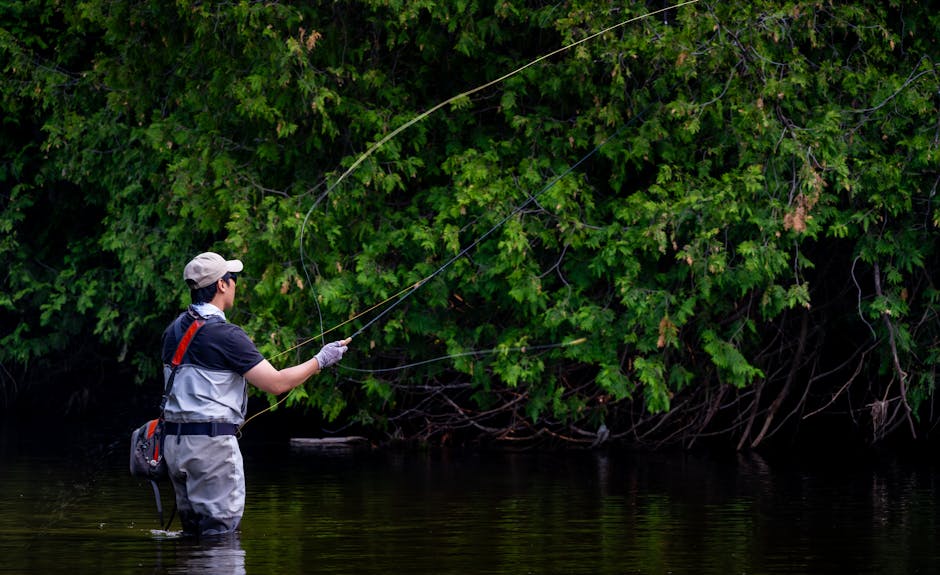
Fish prefer the soft light created by the rain falling on the environment. The overcast sky will not allow the fish to see your tippet and your leader. Work with a finer tippet and get closer to the fish that you are fishing for.
6. Target Terrestrial Insects and River Seams
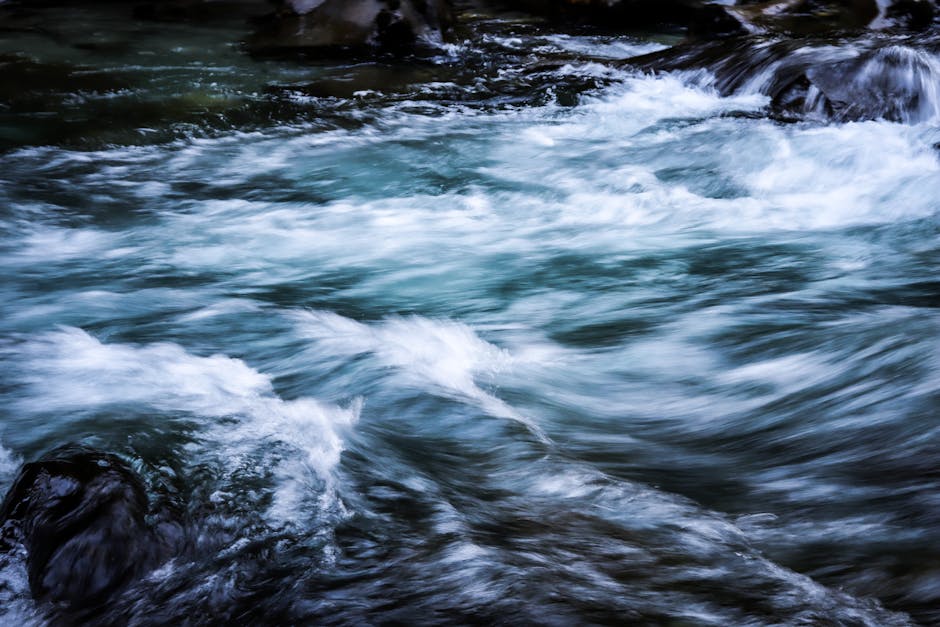
The rain also creates an influx of terrestrial insects that fall into the water. Use a hopper or a beetle pattern to create explosive takes on your fish that may not be able to see you due to the rain. Look for the seams where rain falls into the river’s mouth.
These seams will have slightly discolored water with nutrients and bugs in the water that the fish find enjoyable to eat. Fish will hold in these areas. Cast your nymph or streamer fly into the clear side of the water and let the fly drift into the seam where the clear and stained water meet.
This is where the biggest fish will be found in these seams. Protect your flies from getting waterlogged when it rains. Dry flies will turn to sinking flies in the rain in a matter of minutes.
Carry a bottle of liquid desiccant or a drying powder such as Frog’s Fanny. Use the powder on your flies after a fish takes the fly or when the line drift by. Blot the fly with a cloth, apply the drying powder and give the fly a quick shake.
You will see the change in the way your fly will float on the water.
7. Increase Weight for Faster Currents
When fishing for nymph flies, increase the amount of weight you use on your leader. The water will be higher due to the rain and the current in the river will be faster due to rain falling on the river.
Add tungsten beads and split shot to your flies 12 to 18 inches above your point fly instead of adding split shot to the head of your fishing fly. The wind will die down when it rains. While this makes casting easier in one respect, there will be a problem caused by the lack of wind.
Your fishing line, leader and fly will get wet in the rain. Shorten your leader by one or two feet from how you normally fish. A shorter fishing rig will turn over more easily when it has more rain on it.
You will have better accuracy when you are casting your line to where the fish are holding when visibility of the water is poorly. Pay close attention to your backcast when fishing in the rain. Water will obscure your vision of where your line is going during a backcast.
You may unknowingly clip on an overhanging branch. Take a quick glance behind you prior to each cast. If you are fishing with a partner, take turns casting to allow one person to watch the backcast of the other person who is fishing in the rain.
Choose the correct kind of flies to use in the rain. Choose flies with movement and flash to stand out in the water when visibility is poor. Flies such as soft hackles, woolly buggers with flashabou and stonefly nymphs will work well in the rain.
Bright indicators will allow your flies to stand out from the water when it rains. Use a small Thingamabobber to add flash to your flies so that they are seen in the rain instead of subtle colors. Pay close attention to the temperature of the water while it rains.
Long periods of rain will lower the water temperature in the river. Low water temperatures will turn off the fish that are already lethargic while fishing. If the fish are not biting after one hour of rainfall, switch to slower fishing techniques or use smaller flies.
However, a brief warm shower in the fall will encourage the fish to seek the water and eat your flies due to the approach of winter.
8. Maintain Your Fishing Reel
Keep your reel clean. The rain will mix with the line dressing, the dirt and the slime from the fish to create a gritty substance that could make even the best fishing reels seize up.
Every couple of hours wipe the fishing reel down with a dry cloth and add a drop of oil to the fishing reel to prevent issues. This takes only thirty seconds but will prevent you from having the bad feeling of your drag system getting seized up when you have a big fish to land. Fish in the rain requires you to approach the river with care.
9. Use Wading Staffs for Safety
While the rain will mute the sounds around the fishing spot, the footing on the bank could be more enjoyable. Use wading staffs to test the rocks under the water. The staff allows you to see how high the rocks are which is helpful when visibility is poor due to the rain.
10. Bring Two Rods
Bring two rods when you go fishing in the rain. Use one rod to fish for nymph flies and the other for streamer flies. Switch between the two fishing setups so that you do not have to re-rig your rod while fishing in the rain.
Tape a small square of emery cloth to your rod to rough up the knot area when you have to change the tippet of your fly line. These preparations will save you time and give you hours of smoother fishing experiences. When the rain stops, do not rush to pack up your fishing gear.
During the first fifteen minutes after the rain falls, some of the best fishing of the day will occur. The terrestrial insects that the rain knocked down will begin to move again while the fish cruise the rivers with confidence in the water’s dimples. These moments may yield the largest fish of the day.
The best anglers will fish in the rain and treat rain as a feature in their fishing spots instead of a problem to be ignored. They will move in the rain differently, they will cast their lines differently and they will think of the river as a living system that reacts to the weather. The fish will feel the change in the weather and will allow their guard down around the best anglers.
The next time it is going to rain, grab your rain jacket instead of your keys to your car. The fish will be more willing to bite when the light is softer and you will have a more enjoyable experience while fishing in the rain. This experience is worth getting wet in the rain to enjoy the river to its full capacity.