
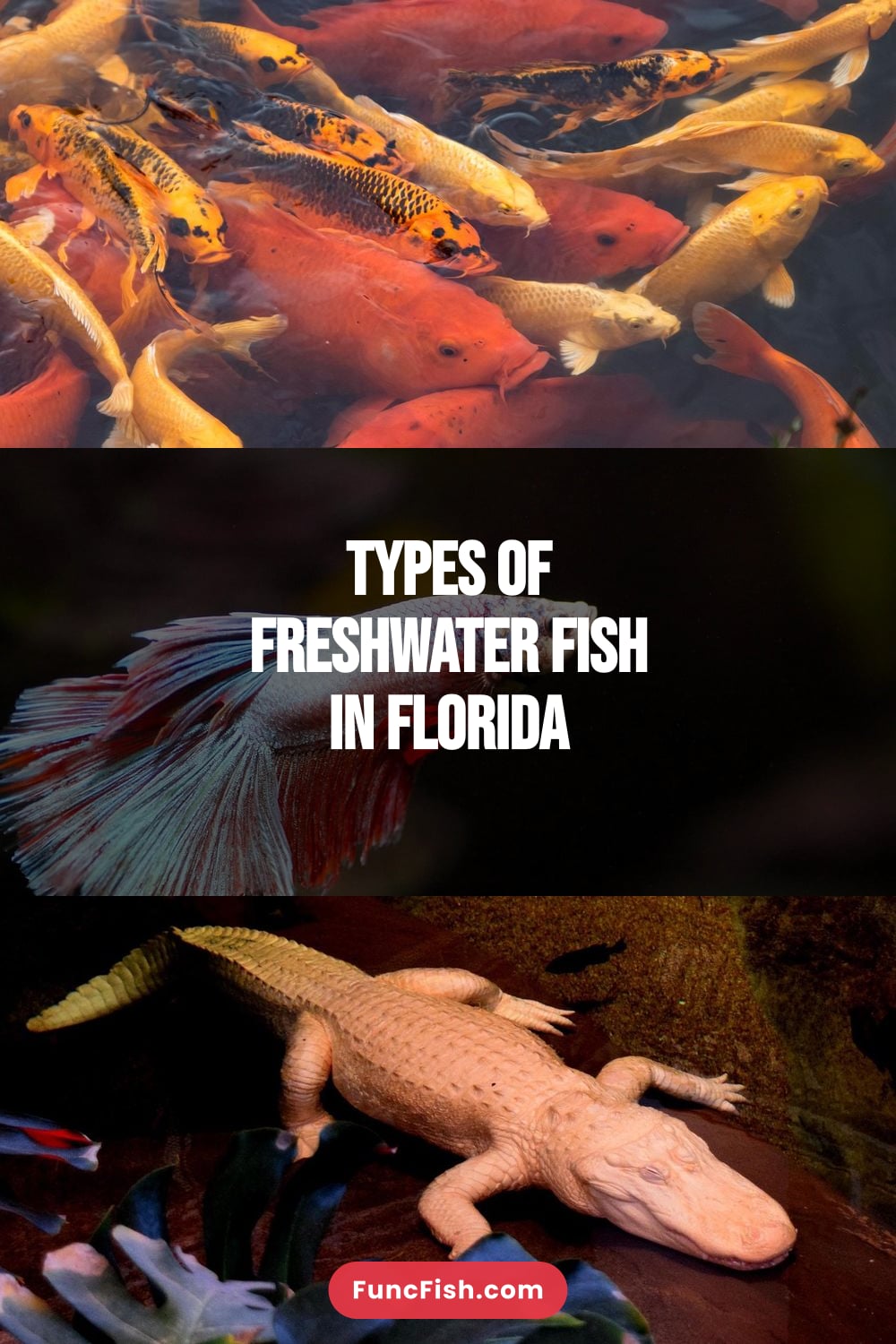
Florida boasts many different systems that contain freshwater. These freshwater systems in Florida are excellent locations for fishing. The state of Florida contains over a thousand different named bodies of water.
These bodies of water range from massive locations like Lake Okeechobee to hidden spring pools and blackwater rivers. Each of these bodies of water contains a different mix of fish species that live within them. By learning the type of fish species that live in each specific body of water in Florida, anglers can better target there efforts when they head into the water to fish for these fish species.
By having the right knowledge, anglers can better choose their tackle and the best time of year to fish for these species, and also better appreciate the fish species that they do catch in their efforts. These fish species are much more important than the fish that anglers catch and prepare for dinner. These fish species impact the ecosystems in which they live, contribute to the economies of the regions in which they live, and provide the anglers who catch them stories to tell for the rest of their lives when they have a moment to reflect on their fishing adventures.
Some of the fish species fight with great strength when anglers reel them in, while other species tend to sip at the flies that are cast into the water. Some of the fish species that live in Florida are so visually beautiful that anglers may find themselves disappointed when they must release them back into the water after catching them. The list of the ten most important freshwater fish species found in Florida’s peninsula is presented below.
Each of these species earns its spot on the list due to a different reason. Some species have abundant populations of these fish species in Florida, others have developed a reputation for massive sizes, and others present particular challenges for anglers that pursue these fish species. The first of the fish species to discuss is the largemouth bass.
The strains of largemouth bass that live in Florida grow to be much larger than those found in the northern regions of the United States. These fish can weighs over ten pounds and, in some instances, can weigh over twenty pounds. The current state record for largemouth bass in Florida is a reminder of the number of giant largemouth bass species that live in the state’s waters.
These fish live in areas of the state with abundant submerged timber, hydrilla growth, and docks. These fish are known for their aggressive nature. Thus, they are suitable for both beginning and seasoned anglers.
Important Freshwater Fish Species in Florida
1. Bluegill
However, locating the largest of these bass requires patience and flipping heavy cover during the summer months. Bluegill, often known as sunfish, are the gateway fish species for many children in Florida. These species are abundant throughout most of the state’s freshwater resources.
They will readily strike at worms, crickets, or even small jigs. Despite their small size, they can put up a strong fight when anglers catch them. The males can transform into bright colors during the spring months.
During the spring, these fish will also construct gravel beds in which they lay their eggs. These fish can put up a surprising fight when caught on ultralight fishing gear. The flesh of these fish is white and mild in flavor, making them a favorite among anglers who prepare fish dinners for there communities during the annual fish fry celebrations in the South.
2. Channel Catfish
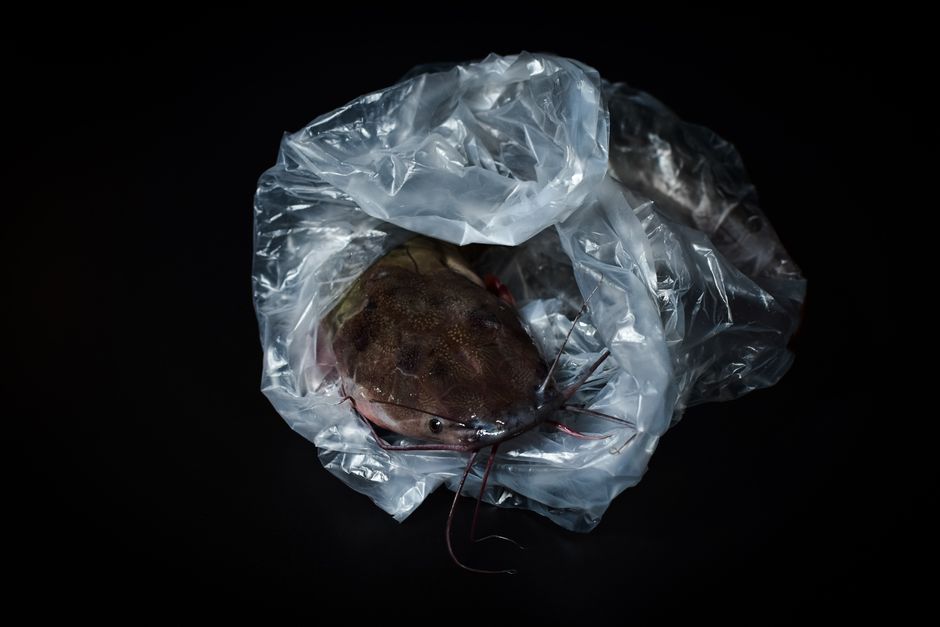
Channel catfish live in the murky rivers and lakes in Florida. These fish have barbels, or whisker-like appendages, that help them to find their food in the murky waters. Unlike most other fish in Florida’s water systems, channel catfish are active when it is dark outside.
Thus, anglers who sit on the river or lake banks who use smelly bait and a bell attached to the fishing rod tip tend to catch these fish species in weights of fifteen pounds or more. The fighting style of these fish is fairly steady, but the fish make no jumps when the angler reels them in. The fighting style can wear down lighter fishing tackle for the angler.
Crappie, also known as speckled perch, live in the areas of Florida with low water temperatures. During the late winter and spring months, crappie gather in shallow areas to spawn. During these times, anglers use spider rigging and multiple fishing poles to catch these fish.
Their paper-thin mouths require the angler to use a delicate fashion to set their fishing hook into their mouths; otherwise, they will escape their fishing net. The fillets from crappie is sweet and flaky, and many anglers rate the flavor of crappie fillets higher then that of largemouth bass fillets. The location of the crappie in areas such as Tohopekaliga lake require the use of electronic fish finders to locate these fish effectively.
3. Gar
The last of the fish species to discuss is the gar. This fish species has the appearance of a prehistoric fish species, and there is a reason for this to the people of Florida. The long, toothy snouts and armored scales of the Florida gar have changed little over millions of years.
These fish live in quiet backwaters and the edges of canals. They lie in wait in these areas for prey to pass by. Many anglers tend to ignore the gars as species of “trash fish.” However, if an angler should catch a gar using a lure that was made for bass, they might change their mind about the species.
The aerial displays and fights that gar put up when caught will change the angler’s mind quickly. Like the eggs of the Florida gar are toxic to other animals, the gars use this defense to keep other animals from eating their young. If you decide to keep a Florida gar, you must take care to not get caught on the sharp gill plates that adorn the fish.
You will have scars on your body for several weeks after catching a gar. Peacock bass were introduced decades ago with the intention of controlling tilapia populations in the state of Florida. Today, the fish is an icon of South Florida.
4. Peacock Bass
The blue and gold markings of the fish seem to belong in the Amazon rainforest instead of the Sunshine State. These fish are oriented towards structure in the waters and will hit a topwater plug with great aggression. The jumps that the fish put up when caught on line make them a favorite among visitors to the Miami and Fort Lauderdale area.
However, the fish cannot stand cold water and there range is limited to the southern third of the state. Anglers who wish to target these fish must do extra planning to find suitable locations. Warmouth fish seem to resemble a bass that has swallowed a toad.
5. Warmouth
These fish have a wide mouth, red eyes and a mottled green body giving them a grumpy look. These fish can typically be found in areas that are shallow and contain many weeds or debris. Their diet consists of crayfish, other small fish and dragonfly nymphs.
Because bass also use their habitat, fishery managers closely monitor warmouth. There is a strange pleasure in catching a foot-long warmouth on a popping bug. Chain pickerel fish are the slimy, toothed cousins of the pike fish of the north.
6. Chain Pickerel
Their elongated bodies have dark markings that look like chains and allow them to remain concealed against lily pads and eelgrass. They will explode out of the cover to eat other small fish that swim by sideways. In the tannic rivers of the Panhandle, they provide anglers with fast action when the bass are being stubborn.
Their sharp teeth require anglers to use wire fishing leaders or they will eat too many lures. The fact that they are delicious when prepared once filleted and skinned them is a bonus discovered by accident. Redear sunfish have earned the nickname “shellcrackers” because of the fish’s diet of snails and mussels.
7. Redear Sunfish
Their jaws have pharyngeal teeth that act like molars to crush the shells of their prey. These fish come together in colonies during the spawning season on sandy river bottoms. The male redear sunfish have orange-tipped ears that glow in the dark.
Anglers who target redear sunfish with weighted nymphs or small crayfish will catch redear sunfish that pull harder on the line than a bluegill fish of the same size. Redear sunfish are a popular target for anglers who fish the banks of the state’s rivers during the heat of the day when other fish species isnt active. The shad that live in the rivers of North Florida produce great shows in the state during their seasonal runs.
During the winter, American shad and hickory shad travel up the rivers to spawn. Anglers use tiny jigs and fly rods to target these fish. The shad fight with great stamina for their size.
8. American and Hickory Shad
They also make long journeys downstream. Anglers who enjoy a refined fishing pleasure will catch a shad on a fly. However, this activity is very different than applying brute strength to the fishing line.
The roe of the shad is a delicacy among some anglers. Anglers who practice catch and release find enjoyment in watching the roe explode to life in the quiet rivers of Florida. The fish species of Florida are much more varied than most outsiders would imagine.
Each species of fish has its own story, its own place in the state’s ecosystems and its own tricks that anglers can use to catch them. The next time you venture out on the water whether on foot or on a boat, think of the fish species of Florida. Think of how to best target them with your fishing gear.
Prepare and cast your line with purpose. Allow the state of Florida to surprise you once again. The water is waiting for you.