

Using a drop shot rig is considered to be a simple fishing rig. However, it can become difficult when the weight of the drop shot rig cause more trouble than the bass that you are trying to catch. For instance, a person may set up a drop shot rig that is supposed to work perfectly for the water that they are fishing in.
However, the moment that the person casts the line into the water, the weight of the drop shot rig may become entangled with the structure in the water or may become twisted on the line. In these scenarios, the person is wasting both there time and there patience in pursuit of catching the bass that they want to land. The drop shot rig is effective because it allows the bait to hover just above the bottom of the water while the weight of the drop shot rig remains in contact with the sand or rocks along the ocean floor.
However, if the person does not properly set up the drop shot rig or if the person makes a bad choice in the type of weights that they use on their line, the drop shot rig will not effectively target the bass that they are hunting for in the water. By understanding the common problems with the weights that are used in drop shot rigs, a person can save themselves from any further headache with the drop shot rig. This knowledge is more valuable than any new type of lure that could be purchased for fishing.
Common Weight Problems With Drop Shot Rigs
1. Weights That Are Too Heavy
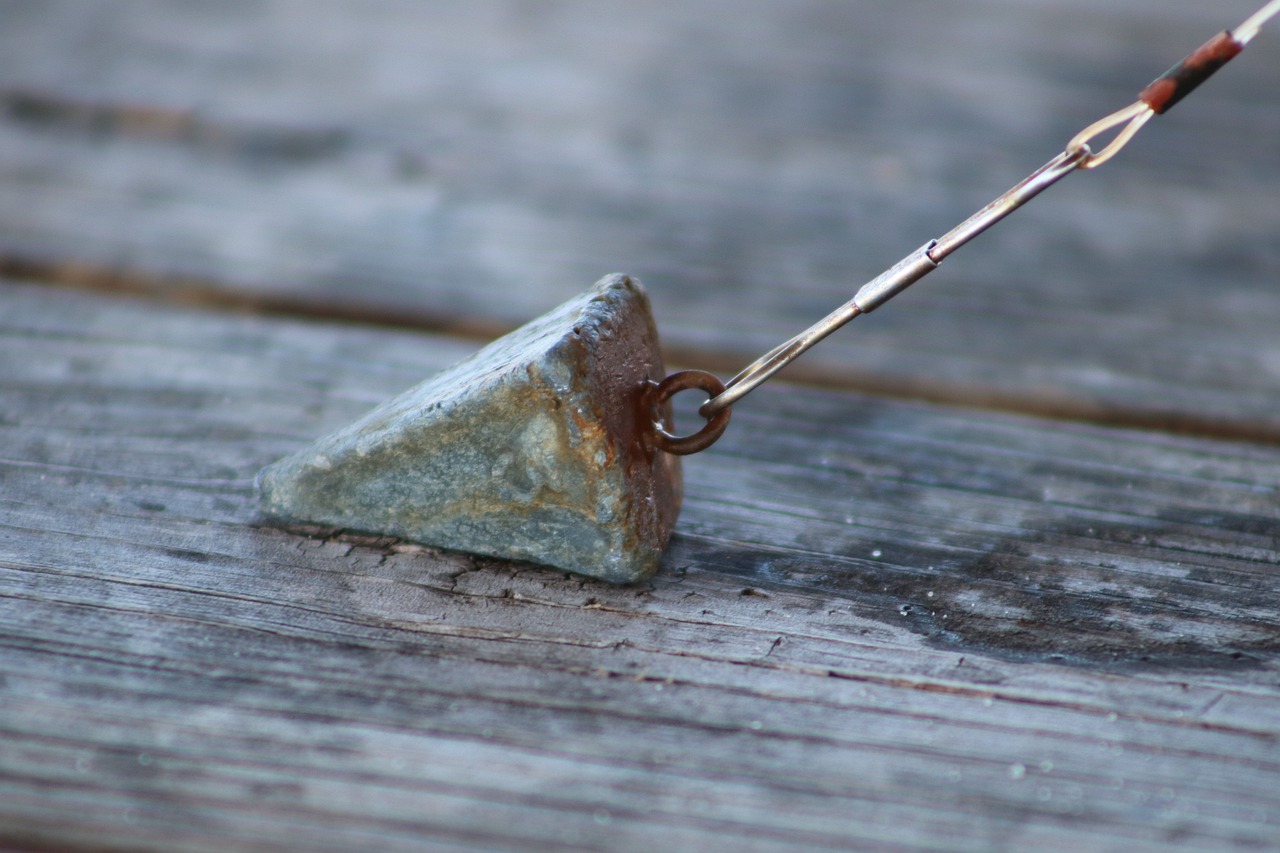
One of the most common problems that occurs with drop shot rigs is if the weight that is used on the line is too heavy for the condition of the waters in which they are fishing. For instance, a person might use a three-eighths ounce weight with tungsten due to the fact that tungsten weights are the best for reaching depths of twenty feet quickly. However, the weight may be so heavy that it will drag the bait to the bottom of the water and prevent the bait from remaining in the strike zone for the bass.
Bass prefer to see the bait move in a natural fashion as if the bait is alive. Using a weight that is too heavy for the conditions of the water will prevent this movement and will prevent the bass from wanting to bite at the bait. The solution to this problem is to use a lighter weight.
Eight ounce weights or sixteenth ounce weights are two of the best weight to use if a person finds themselfs in these types of conditions. Using a lighter weight will allow the bait to remain in the strike zone in which the bass are watching for the bait. Using a lighter weight will also allow the bait to dance on the line without too much effort from the angler.
Additionally, the bait may experience fewer problem with snags on the rocks since it will not be too heavy for the drop shot rig. It may take a few extra moment for the bait to reach the bottom if the water is deep. However, the extra time will allow the bass to strike at the bait.
2. Bulky Lead Weights
Another issue that some anglers may experience is if they use a bulky lead weight on their drop shot rig. Bulky lead weights are very cheap and they may seem effective. However, they may absorb the vibrations from the line.
For instance, if the angler taps on a rock with a lead weight, they will not feel anything. Additionally, if a fish bites the bait, the angler will not feel the slightest movement of the bait being caught by the fish. Instead, using a weight that incorporates tungsten will allow the angler to have better feedback from the line.
Tungung is much denser than lead and will allow the angler to feel the vibrations from the bottom of the water. Using tungsten weights may cost the angler more money upfront. However, the benefits to the angling experience are enough to justify the cost of the weights.
Using a small tungsten teardrop weight allows an angler to see the changes in the structure on the ocean floor. Using a large lead weight will mask these changes in the structure of the ocean floor. A good angler will become a great angler with the use of these types of weights in their drop shot rigs.
3. Bell Weights With Wire Loops
One of the other problems with the drop shot rig is that some weights will cause the line to twist at a faster rate than others. For instance, traditional bell weights with wire loops at the top may look good on the fishing line. However, the bell weights may cause the line to twist when cast in the water.
This twisting of the line will eventually lead to a tangle in the line that will cost the angler valuable fishing time. To avoid these issues with the drop shot rig, the weight that is attached to the bait can have a built-in swivel or an angler can add a barrel swivel to the weight while creating the drop shot rig. Additionally, weights that are in the form of a cylinder will lie flat on the ocean floor and will not roll in the current that exists within the water.
By avoiding the issue with line twist, the angler will save themselves the trouble of having to tie their knots again throughout the day while fishing. Another problem that may develop between the angler and the drop shot rig is if the angler becomes too hung up on structure in the water. In these scenarios, the drop shot rig becomes problematic because the weight of the drop shot rig may get caught on the structure.
4. Getting Hung Up On Structure
This issue becomes very frustrating for the angler and wastes their time. A solution to the problem of getting hung up on structure is for the angler to use a lighter leader attached to the drop shot rig. Additionally, most professional anglers will use six or eight pound test fluorocarbon to attach the weight to the drop shot bait.
However, they will use a ten or twelve pound main fishing line attached to the drop shot rig. If they get hung up on the structure, the sharp tug on the line will only break the weight off the line instead of the rest of the drop shot rig. In this scenario, they will be able to tie the weight back in twenty seconds.
They may lose a few weights during the day while they are fishing the water. However, they will be catching more fish. Another problem with the drop shot rig is if the angler purchases the wrong shape for the weight of the drop shot rig.
5. Round Ball Weights

For instance, if the weight is in the form of a round ball, it may roll around on the ocean floor on which it lands. Additionally, the rolling of the weight will create movement in the bait that is not natural for the bait. This can spook the fish that are used to seeing natural movement of the bait.
Additionally, round ball weights will get stuck in the crevices along the ocean floor. If the angler changes the weight to a teardrop or pencil shape, the issues with the round ball weights will be avoided. Teardrop weights and pencil weights will slide over the structure of the ocean floor and will stay in an angle that keeps the tag line of the drop shot rig to the correct elevation.
Additionally, the bait will remain in the strike zone of the fish and will not require any effort from the angler to keep the bait in the strike zone. In some scenarios, the fish will only strike at bait that slowly drags across the clean gravel on the ocean floor. By using a weight in the shape of a teardrop or pencil weight, the angler can avoid having to spend too much effort in keeping the bait in the strike zone.
6. Ignoring Depth and Current
Ignoring the depth and current of the waters in which an angler is fishing with a drop shot rig can cause the weight to be ineffective at performing its primary function of holding to the ocean floor. If the waters that are being fished in are relatively slack but twenty feet deep, a sixteenth ounce weight will work. However, if there are currents due to the wind or the river that the water is in, the sixteenth ounce weight will not hold the drop shot rig to the ocean floor.
Prior to attaching the weight to the line with a drop shot rig, the angler must take a few moments to read the conditions of the water in which they will be fishing. If the line does not touch the ocean floor or if it continually sweeps across the ocean floor when the line is cast, the angler should add more weight to the line. There is no one perfect weight that will work in every location.
However, by gaining this experience, an angler will understand which weight to use in each spot that they will fish within the day. The color of the weight may seem like an unimportant aspect of the drop shot rig. However, the color of the weight is important in the case that the angler is fishing in clear water in which the bass have visibility of the entire drop shot rig.
7. Weight Color and Visibility
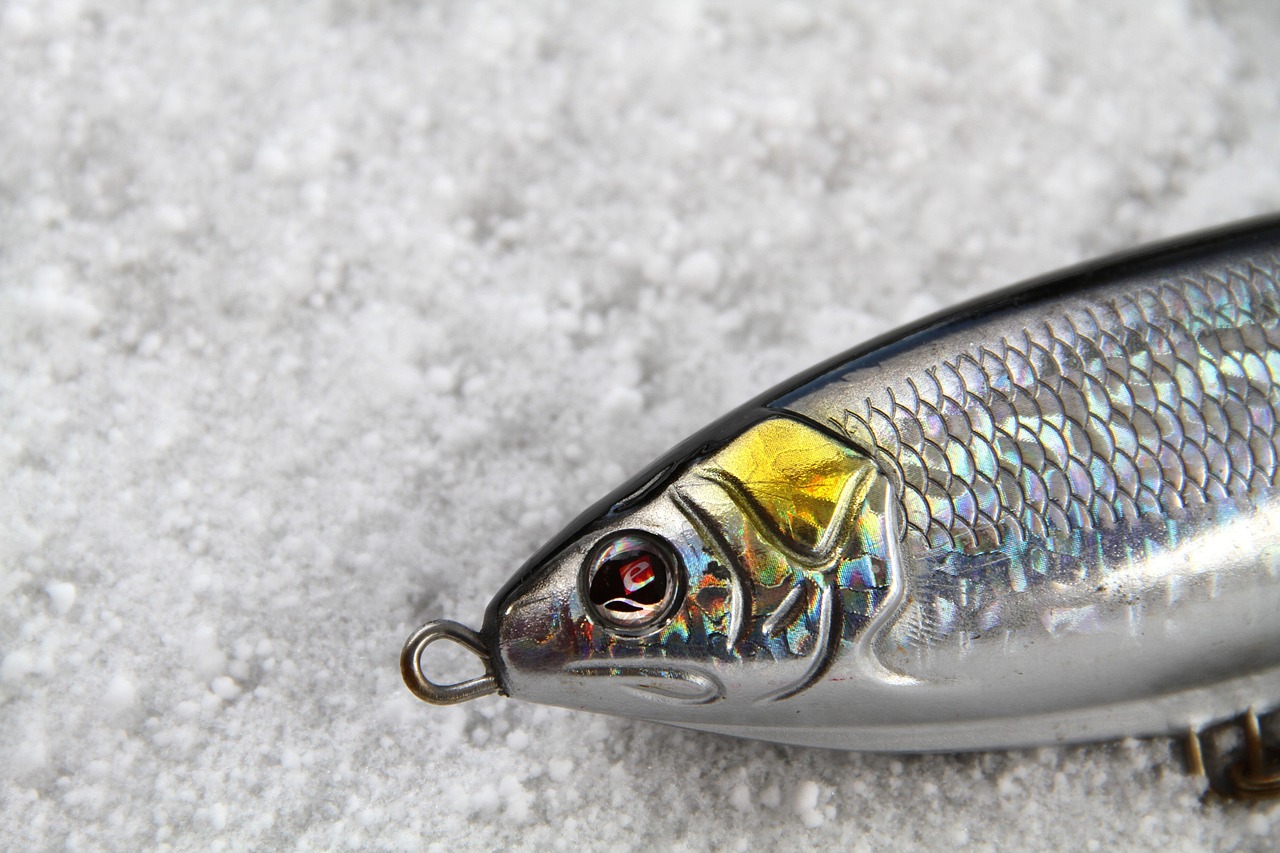
If the weight uses a bright brass color or lead that is not painted, it may flash in the water. This flashing of the colors can turn the fish off when they see the flashing color. If these colors are changed to a dull black color or a green pumpkin color, the angler may see a difference in lakes where the fish are very pressured to take the bait.
In addition to the color of the weight, another issue that might develop in an angler’s drop shot rig is that the bass is not frightened by the bait on the hook. However, they may be frightened by the chunk of metal that is waving in the water created by the weight attached to the line. By matching the color of the weight to the color of the ocean floor, the angler is removing one more variable that might scare the fish from the bait.
While the angler might not catch the color of the weight while they are fishing, on those difficult days when the fish are not biting on the bait, the color of the weight will make the difference between a bad day and a good day for the angler. Another skill that an angler can learn with drop shot rigs is how to read the behavior of the weight of the drop shot rig by feeling it against the angler’s rod tip. If the weight is in contact with mud, gravel, or rocks on the ocean floor, the angler will feel the subtle taps against the tip of their fishing rod.
This information will help the angler understand where the fish are in the water. Additionally, this information will assist the angler in making adjustments to their fishing technique while they are in the water with their catch. The best way to learn to read the behavior of the weights with a drop shot rig is to fish in the same area but with different weights of drop shot rigs.
Pay attention to the way in which each weight interacts with the ocean floor. Eventually, the angler will begin to recognize the patterns in which the weights act. For instance, if there is a rock pile in which the fish are present, using a weight that can easily crawl over the rocks without getting hung up will yield the best results.
While mastering the problems with weights attached to drop shot rigs may not make an angler a tournament champion right away, it will make the drop shot rig more effective in various types of water. Once an angler masters the drop shot rig and understands the problems with weights, the drop shot rig will do most of the work for the angler. Pay attention to the weight and how it interacts with the ocean floor.
If the angler adjusts the weight according to the way in which the weight interacts with the ocean floor, the angler will stop having frustrating days with fishing and their days will become good days for them. Remember, the bass are waiting in the water in their strike zones for the bait to move in the proper fashion. The angler’s job is to ensure that nothing in the drop shot rig will prevent the bait from performing its natural movement underwater.