
Fishing hooks are essential tool for every day on the water. Without the proper fishing hook, it does not matter how good of a cast you make, you will come home empty handed. Whether the hook did not stick into the fish or the fish shook free from the hook, a proper hook makes all the difference in whether you land the fish of you’re dreams or sit frustrated on the bank of the river or lake.
You dont have to memorize every type of fishing hook available in the catalog. The few different types of hooks cover the majority of fishing scenario, and these different types of hooks can be used for farming ponds to offshore wrecks. By learning the different types of fishing hooks you can master which hook to use with which bait, with which type of fish and with which fishing technique.
By using the correct types of fishing hooks, you will find that you lose fewer fish and have more success when you begin to cast your line into the water. The most common hook is the J hook. Many anglers prefer this type of hook.
Common Types of Fishing Hooks to Use
1. J Hook
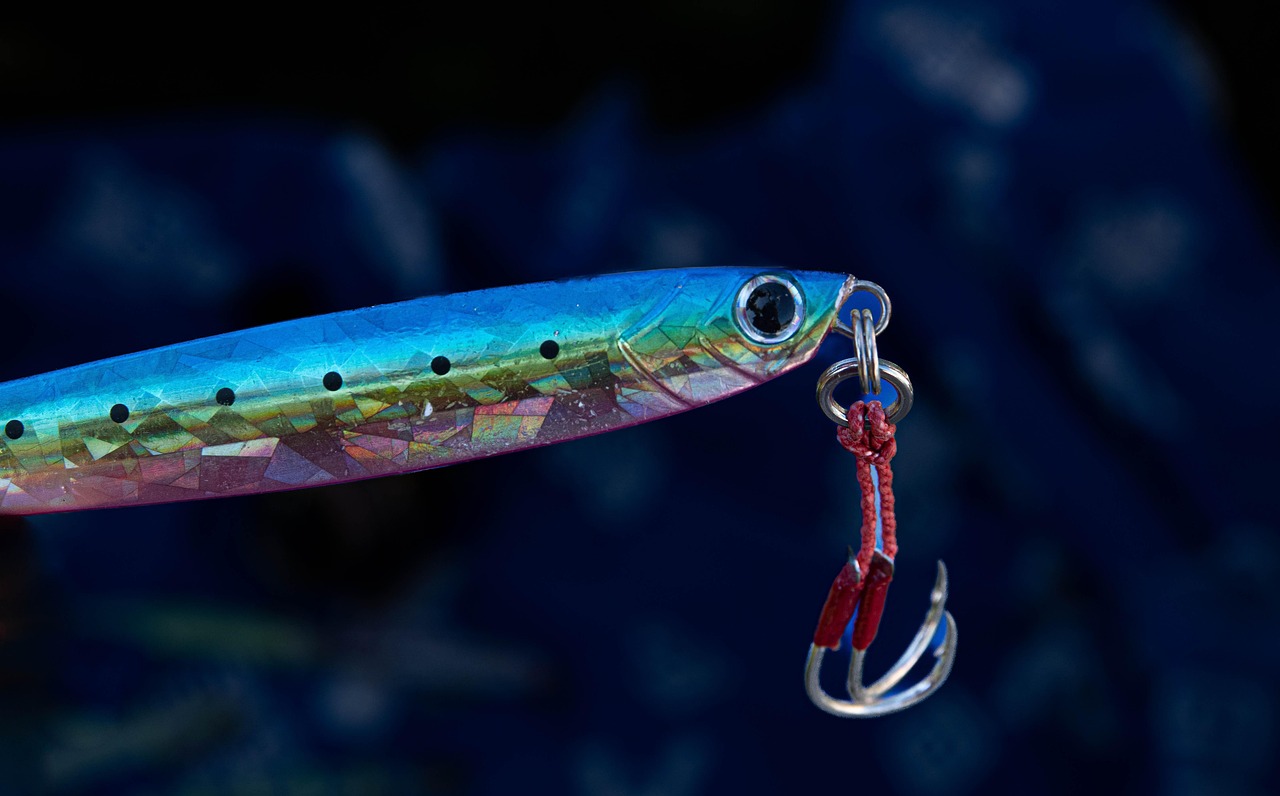
The J hook is shaped as the letter J. The hook has a straight portion of the hook followed by a curved portion of the hook that creates a point that curves into the straight portion of the hook. When the fish takes the bait, the point of the hook finds purchase in the corner of the fishs mouth. Because this type of hook is designed in such a way that the fish has to take the bait and run with the bait before it can be fully swallowed, this type of hook works best with natural baits.
Throughout the centuries the design of the hook has remained the same: the point of the hook must be sharp to find purchase in the fish mouth. The J hook works well for catching catfish, halibut and large stripers since the fish will take the bait and mouth it instead of simply swishing at the bait. The drawbacks of the J hook are that the fish may drop the bait prior to the point of the hook finding purchase in the mouth.
For this reason a file must be kept for the hook so that the point of the hook can be sharpened after a few fishing trips out the water. A properly sharpened J hook will give anglers the best chances of catching fish. Circle hooks has become very popular with anglers who wish to contribute to conservation of the fish species in their local waters.
2. Circle Hooks
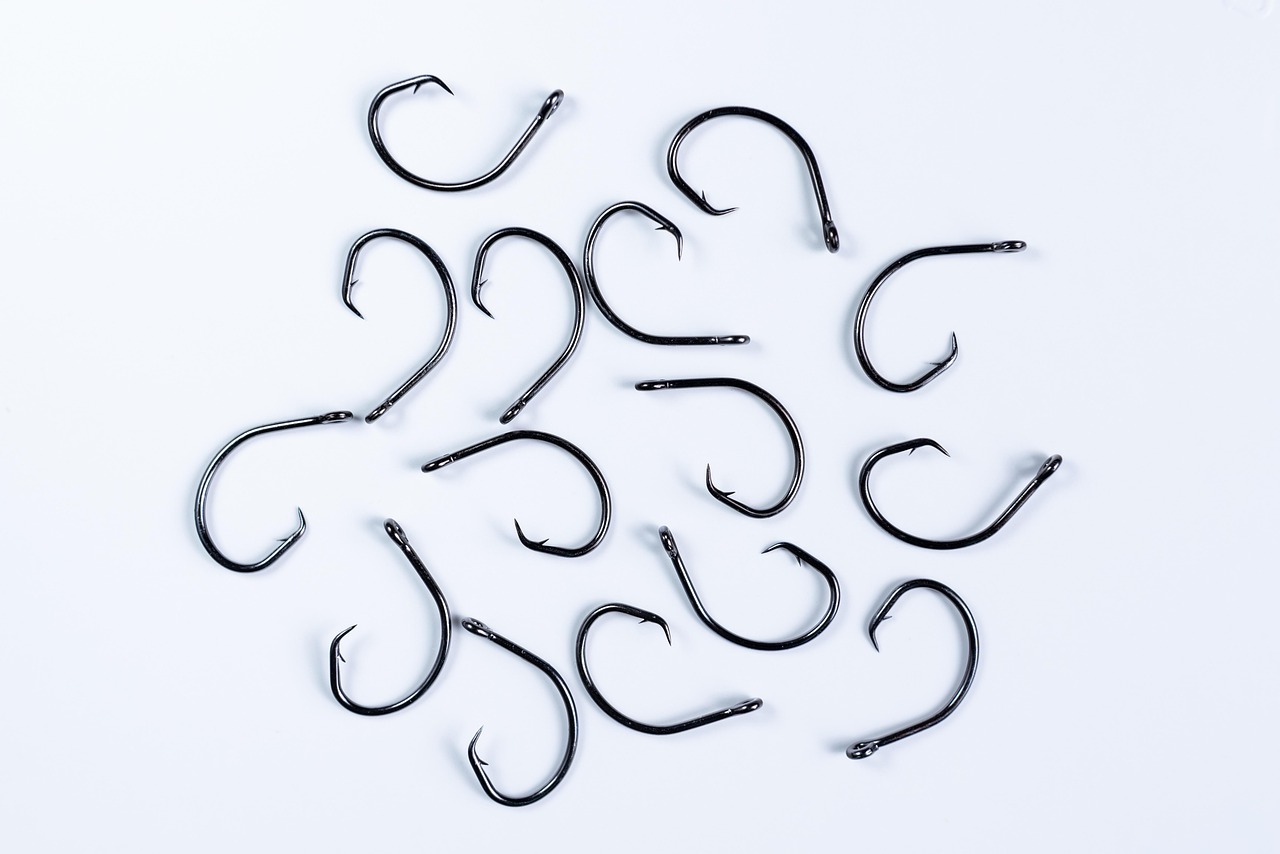
Circle hooks are popular for several reasons. Instead of the J shape the circle hook features a pointed portion of the hook that curves inward toward the shank of the hook. The circle hook is designed in such a way that when the fish takes the bait and begins to swim away the hook moves towards the corner of the mouth of the fish.
Because anglers apply pressure to the line the point of the circle hook rotates into the jaw hinge of the fish. This self-setting hook design reduces the number of fish that are hooked in their gut. When a fish is released from the hook it swims away without causing any injuries to the fish.
Circle hooks are ideal for using live bait to catch species like redfish, snook and tuna. Many fishing tournaments require the use of circle hooks for this very reason. The one adjustment that is required of those who are used to other types of hooks is to resist the urge to jerk the line suddenly to set the hook.
Instead anglors should reel in their line in an even pressure to set the hook. By trusting the process of the circle hook, anglors will experience an increase in their ability to successfully hook fish and release them in the same manner. Treble hooks have three points along the shank of the hook.
3. Treble Hooks
Treble hooks are often found on crankbaits, top water plugs and spoons. The three points of the treble hook ensure that if a fish does strike the lure at a high speed that at least one point will become embedded into the fish. This is why treble hooks are the most dominant in the fishing world of bass fishing since fish do react to the lures very often in the bass fishing world.
However, the downside to using treble hooks is that there are three potential opportunities for the treble hook to hook the fish in a poor spot. Additionally, there are three points of the hook that can become entangled in the netting or even the anglers hands. Many anglers have switched from using treble hooks to single hooks on their lures for these very reasons.
An additional reason for using barbless treble hooks is for the care of the fish and the ability to release them back into the water. Treble hooks should always be kept needle sharp, especially for those who have switched to using barbless versions of the treble hook. For these reasons those who use treble hooks will find success when they land the personal best fish of their careers.
Offset hooks feature a twist in the shank of the hook just behind the eye of the hook. The point of the hook sits out of alignment with the eye of the hook. Offset hooks rotate much faster when the angler applies pressure to the line.
4. Offset Hooks
For this reason, many fishermen who use worms as bait prefer offset worm hooks. The offset feature of the offset worm hook allows the bait to sit in a natural position while the point of the hook can bury itself into the soft plastic bait. Offset hooks are used when flipping or pitching bait into heavy cover.
Bass fish will often take the bait and force it through their gills when they inhale the bait. The offset feature of the hook will force the point of the hook to embed itself in the fish prior to the fish being able to spit the bait out of their mouth. Offset hooks range in size from small 4/0 hooks for finesse fishing to massive 8/0 hooks used for flipping 1 ounce weights into heavy vegetation.
The degree in which the hook is offset should be adjusted according to the density of the cover in which the bait is being flipped. If too much offset is used in the catching of fish in open water the hook may slow the angler hook set. Kahle hooks feature the same shape as circle hooks but with a wider gap between the point of the hook and the shank of the hook.
5. Kahle Hooks
Additionally, the Kahle hook features a more pronounced bend than the circle hook. Fish guides use Kahle hooks to catch catfish while they are soaking chunks of bait such as big shad or bluegill fillets. The wide gap of the Kahle hook allows for the chunk of bait to fit into the mouth of the catfish while the point of the hook can still find the jaw of the fish.
Additionally the long shank of the Kahle hook is of assistance in un hooking species that have sharp teeth like pike or lingcod. The extra length of the Kahle hook provides pliers with leverage in extracting the hook from the mouth of the fish. The hook set for Kahle hooks is different than the common J hook.
Instead of a standard upward yank with the hook set with a Kahle hook anglers should use a short sideways sweep of the line with the fishs mouth open. Using this hook set the percentage of the fish that are hooked will increase. Octopus hooks have a rounded portion of the hook that resembles the head of an octopus.
6. Octopus Hooks
The octopus hook fished in the water looks distinctly different from a traditional fishing hook. The short shank and wide gap of the octopus hook allow for the point of the hook to be close to the bait without burying into the bait. Salmon and steelhead anglers use octopus hooks when fishing for spawn sacks and sand shrimp.
The wide gap of the octopus hook prevents it from getting entangled in the bait. Additionally when fishing in salt water for squid or herring an octopus hook is also popularly used. The compact size of the octopus hook prevents the fish from using the hook as a lever to hook the angler line.
Additionally many octopus hooks have a turned up eye which prevents the knot from slipping when using heavy leaders for the fish. These features of octopus hooks prevent the angler from hooking the fish and losing the caught fish. Worm hooks can have either a straight shank or an offset shank.
7. Worm Hooks
Worm hooks are used to secure soft plastic baits like senkos and creature baits. The straight shank allows for the hook to slide easily through the bait for a Texas rig or other rigging techniques. The offset shank of the worm hook allows for the bait to be secured in spots where there is heavy growth of plants like lily pads.
Worm hooks have a wide gap between the point of the hook and the shank of the hook. The wide gap allows the point of the hook to be flush against the body of the bait without reducing the efficiency in which the hook can catch the fish. Serious anglers who fish for bass will have a variety of sizes of worm hooks in their tackle box.
A 3/0 size worm hook will work for fishing for four inch senkos but may be too large for a trick worm that is only four inches long. The weight of the worm hook should be matched with the weight of the bait so that the bait will fall in a natural way into the water. If the weight of the hook is too great for the bait it will prevent the effectiveness of the bait.
Time spent in the garage matching different types of worm hooks with the different types of plastic baits will improve the angler success in hooking fish. Long shank hooks are used for panfish that are located in areas where the fish have deep mouths and strong bites. The long shank allows the angler to remove the hook from the mouth of the panfish without injuring the fish.
8. Long Shank Hooks
Panfish like bluegill and crappie have delicate lips. Additionally the fights between the angler and the panfish are short in length. Panfish will often swallow hooks deeply when they are baited with waxworms or tiny jigs.
The long shank of the hook allows for the angler to utilize a hook disgorger or a set of hemostats to remove the hook without harming the panfish. The long shank hook is also used for fly fishing and salt water fishing for bait rigs for mackerel and stripers. The extra length of the long shank of the hook will prevent toothy fish from biting through the fishing leader attached to the hook.
The long shank hook is a specialized fishing hook but one that every angler should have in their well-rounded tackle box. Barbless hooks have made their way from the confines of fly fishing to the mainstream use of barbless fishing hooks for both practical and ethical reasons. Because barbless hooks do not have a barb extending from the hook shank, it is easier for the barbless hook to penetrate the fish and for the hook to be removed from the fish.
9. Barbless Hooks
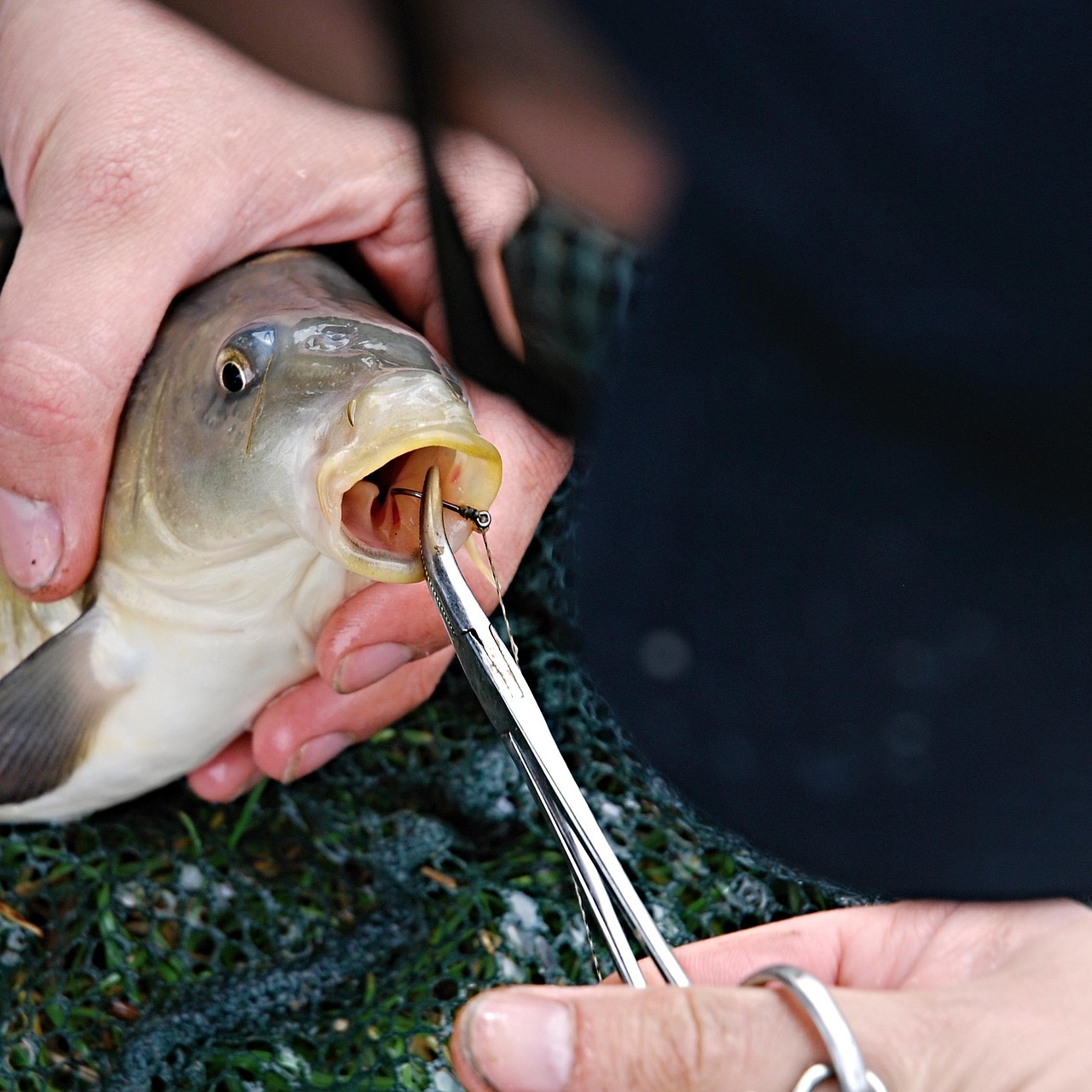
This can reduce the damage that is done to the fish and increase the speed with which they can be released back into the water from the fishing reel. Many trout streams that focus on catch and release use require barbless hooks, as tournament anglers has discovered that they lose fewer fish when they use barbless hooks. To effectively use barbless hooks, anglers must maintain pressure on the fish to avoid any slack in the line that would allow the barbless hook to exit the fishs mouth.
Barbless versions of almost every type of fishing hook exist, from J hooks to circle hooks. Pliers can be used to quickly crimp the barbs off of a barbed fishing hook, converting it into a barbless hook in just a few seconds. This one trick allows anglers of all skill levels to convert themselves into more responsible anglers.
There is no one-size-fits-all answer for the best type of fishing hook. If an angler is catching small bluegill fish, they may require long shank fishing hooks. If a trophy largemouth bass is spotted in the lake, though, they may need to switch to a heavy offset worm hook to catch the fish.
The best anglers pay the same degree of attention to the type of hook they use as they do to the color of the lures they use or the strength of the fishing line they use. By mastering the different types of fishing hooks described in this article, anglers will find themselves catching more fish and less time wondering why their fish are not sticking to their hooks. They will find themselves spending more time looking at the fish in their net.
The water is calling for these anglers to go fish, and using the right type of hook might just create a fishing trip that they discuss among their loved ones for many years to come.