
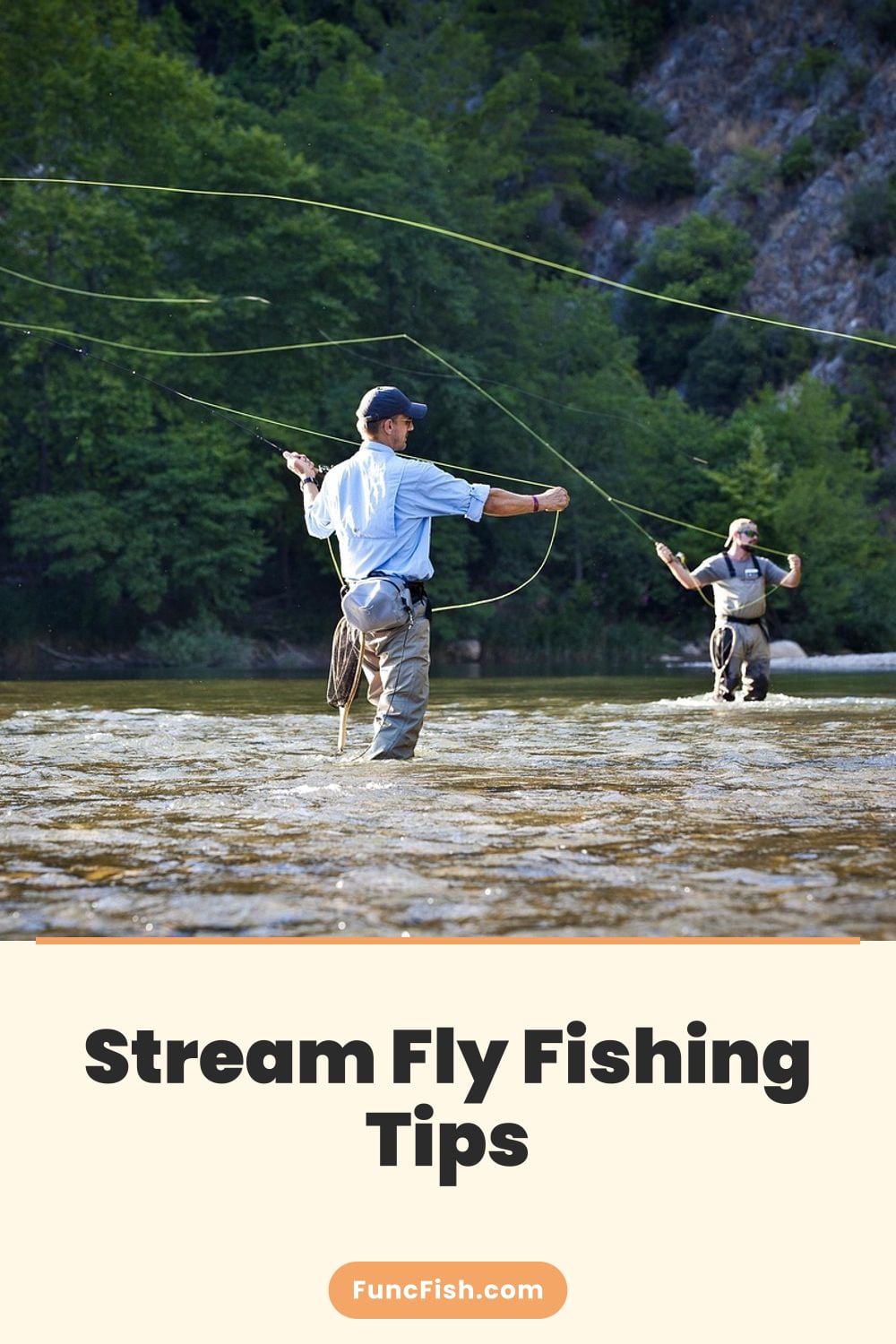
A river flows past a persons boots and a trout rises twenty feet upstream. Many people stands in the cold water for many hours while holding a long stick and a bit of feather and fur in the hopes of catching a trout. There are various ways that a person can find success in stream fly fishing, and there are various ways that stream fly fishing becomes successful with the incorporation of certain habits into a persons fishing routines.
These habits will result in consistent catches of trout. By paying attention to the details of the specific river that a person decides to fish, a person will find out where the fish are and what they want to eating. These tips, provided in this article, are the tips that provided the most improvement for the author of this article and for the other anglers that the author has guided over time.
If a person masters the tips included in this article, a person will spend less time struggling with untangling their leaders. If a person masters the tips included in this article, a person will spend more time watching as the trout eat on the fly that a person casts into the river. In order to begin to practice stream fly fishing effectively, a person should begin to study how to read the water before unrolling their fishing line.
Trout tend to stay in specific areas of the water. These areas include seams in the riverbed where fast currents meet slow currents, as well as the areas behind rocks where the trout like to hide or the areas of soft water just outside of riffles. Each person should take five full minutes to study the water they intend to fish from either a bank or from a high point in view of the area to be fished.
A person should look for areas where bubbles emerge from the riverbed or where leaves are swirling in the water from the movement of the fish through the water. Additionally, a person should look for any areas that are darker than the surrounding water as these are typically where the fish is hiding. Since the trout face into the river, a person should present the fly from areas from which it will drift naturaly before the line and leader of the fishing bait enters the water.
This habit will allow each individual to separate themselves from other beginning anglers who may scare each fish they encounter from presenting their flies, to anglers who can consistently catch trout. This habit will ensure that each person masters the skill of understanding where the fish are when they fish and prevents them from wasting their cast with the water that do not contain fish. In addition to studying the river prior to fishing with stream flies, a person should also pay attention to the leader and tippet that are attached to their fishing rod.
Essential Tips for Successful Stream Fly Fishing
1. Selecting the Correct Tippet Line
For medium streams, the recommendation is to use a nine-foot leader that features a taper to 5X. However, not all streams are of the same strength. For example, in streams that have lower water levels and that are clear of sediment, a 6X or a 7X tippet line is recommended. Additionally, in areas where there are strong riffles in the river or where there are large brown trout in the water, a 4X tippet is required for success in fishing with stream flies.
In each scenario, the size of the tippet line should match the size of the flies that are being cast into the river. Any situation in which the tippet lines of the fishing bait are bulky or the flies appear to be dragging on the waters surface indicates that the person needs to retie their leader. Using fresh nylon for the leader and tippet lines will allow people to turn over their line much better than those using old lines.
Additionally, fresh nylon will break less often than the old lines that feature memory of the flies and that may have been worn in a vest since the last fishing season. Matching the hatch is not a skill in which a person should learn how to use two hundred different types of flies into the river. To master the skill of matching the hatch, a person only has to learn to recognize the type of life that the trout are focusing on and then to use a fly that matches that life.
2. Mastering the Art of Matching the Hatch
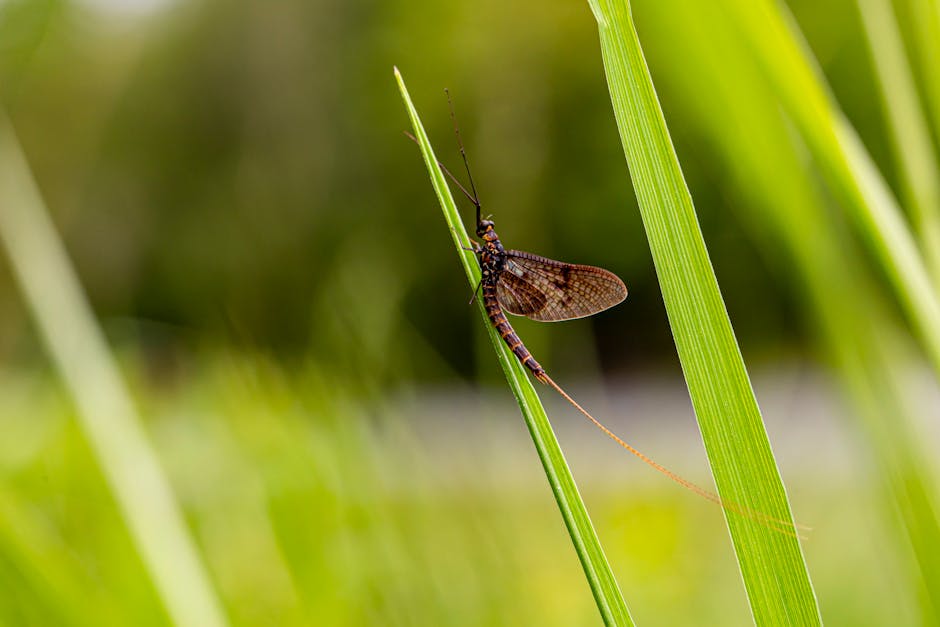
For instance, if a person sees mayflies of the size of a tiny olive rising out of the water, but the trout are ignoring the size-fourteen parachute fly that is cast into the river from the bank, then the person should use a size-twenty nymph or an emerger. Trout are very specific when it comes to the types of flies that they will eat. For instance, in areas where the spring water contains limestone, brown trout will refuse every type of fly until presented with a size-eighteen CDC olive fly that matches the insects that live in the water.
If the flies match the natural insects in the river, the trout will eat on the first drift of the fly. In order to prepare for river areas with specific insects that live in those areas, a person should prepare a few types of flies in a variety of sizes. Additionally, a person should be willing to experiment with different types of flies in order to catch the trout.
In order to master stream fly fishing, a person should learn how to control the drift of the flies that are cast into the water. The enemy of stream fly fishing with dry flies is drag. When the flies begin to drift faster than the current in the river, a person should mend the line by moving the line upstream of where it is being cast, and re-pulling the line to ensure that the dry fly does not move more faster than the current.
A reach cast or a slack-line cast can be used to provide the dry fly with a few more seconds of travel before the head of the fly reaches the person. In cases when a person is fishing for nymphs, a person should add enough weight to the flies so that they naturally drift to the river bottom quickly. However, the weight should not be so strong that the flies become hooked onto each rock in the river.
High-stick nymphing allows a person to feel the movement of the nymphs on the rivers bottom. Additionally, high-stick nymphing allows the angler to keep the bulk of their line out of the water while maintaining control over the flies when they are cast. Some of the most seasoned stream fly fishermen feel that strike indicators are not to be used while fishing with dry flies.
3. Using Strike Indicators Effectively
However, the placement of a strike indicator allows an angler to determine if a trout have taken the bait. The strike indicator should be placed in such a way that it features the smallest fly that will keep the fishing line from descending into the water. Bright colors will help an angler to see the movement of the flies in areas of broken water.
However, bright colors may scare the trout in areas with clear pools of water. Anglers miss a variety of fish because they focus on the strike indicator rather than their flys drift in the water. A person should keep their eyes on the point at which the leader of the fishing bait enters the water.
A person should set their fishing hook when they spot hesitation in the movement of the flies, sideways movement in the water, or a flash seen below the surface of the water with the strike indicator. The strike indicator is only an additional means of ensuring that a person does not miss a trout taking the bait. The true job of an angler is to read the water well and to watch for the unseen nymphs that the fish are eating.
In addition to all of the above tips on stream fly fishing, a person should also wade into the river in a wise manner and to disturb the fish as little as possible. To enter the water with stream flies, a person should approach from downstream of the trout that are being targeted. Additionally, each individual should ensure that their shadow does not fall upon the waters surface.
The heavy footstep of an angler onto a gravel bar can scare fish from thirty feet away. This rule is even more important in small streams where fish will see a person and move to cover their hiding spots. Once they enter their hiding spots, the fish will remain there.
The best stream fly anglers will spend as much time standing still in the water as they spend fishing from the banks. The best anglers will allow the water to settle and will keep their eyes on the rivers movements. These professionals will take time to make one or two casts into the water before they begin to move again.
These movements take time and patience but become meditative with practice. A person should also choose the proper type of fly rod and the weight of the line according to the type of stream that they are fishing in. Most streams feature eight-and-a-half-foot rods with five-weight lines since these types of lines allow a person to cast dry flies, light nymphs, and streamers without tiring their arm.
For tiny creeks that feature meadows, a seven-foot three-weight rod allows for the fly to be cast under branches into areas with specific trout. Using rods that are too powerful will scare the trout due to the splash created when the flies land on the water surface. Additionally, rods that are too powerful will make it difficult for a person to present dry flies in a slack line.
For the reel, a person should choose a product that holds the line and plenty of backing but does not need to be purchased from high-priced brands. A smooth drag on the reel is more important than any type of machining seen on the product. Prior to entering the water, a person should practice casting their flies onto grass to ensure that they are able to effectively enter the water with their flies.
4. Practicing Accurate Short Distance Casting
Most trout are located within thirty feet of the bank. To practice stream fishing with accuracy, a person can work on learning to cast short distances instead of attempting to land a cast of ninety feet. For instance, a person can practice the roll cast to allow their flies to enter narrow spots in the riverbed where there is not enough room for the cast to include a backcast movement.
Practicing these techniques a few times will ensure that a person can land their flies where they want them and avoid frightening the trout by scattering their line into the water. A person should pay attention to the water temperature and any changes that occur throughout the year. Trout become lethargic when the temperature of the river is above sixty-eight degrees.
Additionally, the trout will stop their normal feeding pattern if the temperature of the river is above sixty-eight degrees. During the summer, the best times of the day to fish for trout is the early mornings and evenings. During the spring and fall, however, trout can be fished for longer periods of time.
In areas where there are specific types of hatchings of insects, the trout will focus on eating that type of fly and will ignore the others. That is why it is helpful to have some types of flies in the same color as the insects in these rivers. During the rain, a person should fish near the edges of the river where the runoff and the clear water cross.
Due to the influx of insects into these areas, the trout will focus on eating these flies. Such patterns within the river occur each season. Once a person learns to recognize these patterns in the river, they will no longer have to rely on luck when they fish for trout.
Finally, a person should also respect the trout and the resource that the river provides to its anglers. When a person catches a trout, they should always release the majority of the fish that they catch. The larger fish contain the genes for the next generation of trout, so they should be protected.
Additionally, a person should use barbless hooks so that the trout can be slipped out of the hook without inflicting any wounds upon the fish. When angling in any spot along the river, a person should ensure that they do not disturb the banks of the river. These banks contain the vegetation that fish use for cover and for feeding.
Additionally, a person should ensure that they do not cause erosion of these banks. The rivers that are the best for catching trout are the rivers that have been cared for by the individuals who love and respect these rivers. By taking a few minutes to ensure that the trout and the environment are respected, individuals can continue to enjoy fishing in these areas for decades to come.
By standing in the river for a few hours and employing each of these techniques, the river will begin to communicate with the angler. What may have once been luck in catching a few trout will become skill and then eventualy to a persons developing intuition for stream fly fishing. Each person will begin to understand the needs of the trout and the cues that they provide to those who respect them.
The next time a person sees a trout rise twenty feet from where a person is standing, a person will know what to do. This knowledge is the true reward of stream fly fishing.