
The waters of Florida contain more sharks than many people realize. Sharks can be found in the shallow bay where the children learns to swim, as well as in the deep reefs that line the coast of Florida. These ancient predators regularly cruise through each of the habitats that the state of Florida has to offer.
The warm waters and abundant marine life of Florida create a paradise for the shark. Thus, by learning about the species of sharks that swim in these waters, people will have a changed perspective regarding every splash that is heard while standing on the coastline. The good news for the people of Florida is that the majority of the shark species that reside within the state of Florida are benign and dont pose a threat to humans.
Most of the interactions between sharks and humans occur simply as a result of the fact that humans are present in the world of the sharks. Such encounters between the two species are not the result of the sharks seeking out humans. Becoming familiar with the species of sharks that live in Florida will allow people to better appreciate the diversity of the shark species that live in the area.
Additionally, knowledge of these species will allow people to make smarter decisions regarding where and when to swim, fish, and dive in the area.
Common Shark Species Found In Florida Waters
1. Nurse Sharks
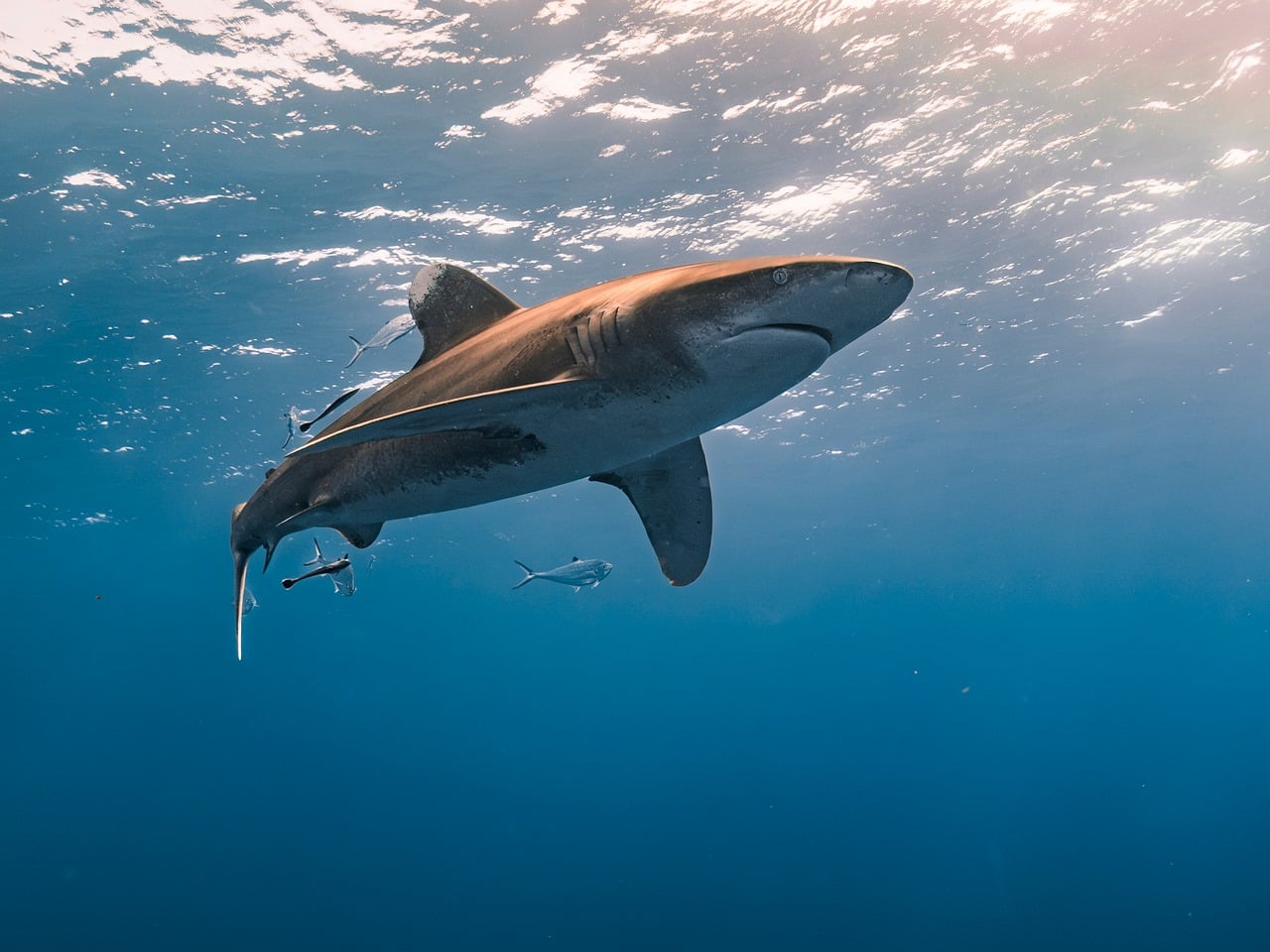
One of the more well-known shark species of Florida are the nurse sharks. These sharks are the couch potatoes of the shark world.
Nurse sharks are fish that live on the ocean floor, resting within caves, under ledges, or buried in the sand. The broad heads of the nurse sharks have fleshy appendages on the sharks that give them an almost friendly appearance. Nurse sharks are slow-moving predators that primarily hunt for crabs, lobster, and small fish during the night.
Nurse sharks can be spotted on dives to the shallow reefs of the state, as well as while snorkeling in the coral keys. Because nurse sharks are docile creatures, many dive operators allow for the experienced divers to touch the nurse sharks. However, nurse sharks have powerful dentition that can inflict a nasty bite upon any individual who steps on a nurse shark or who threatens the predator with a nurse shark.
Thus, individuals should look at nurse sharks, but should not harass these gentle predators. Nurse sharks reach lengths of 14 feet, though most sharks spotted in the waters of Florida reach lengths of only around 9 feet. The presence of nurse sharks within the area indicates that the local ecosystem is healthy and abundant with the types of seafood that nurse sharks require to sustain their diets.
2. Blacktip Sharks
The next species of shark to discuss includes the blacktip shark. Blacktip sharks are known for their flashiness, as they are often spotted near the shore lines of Florida. These sharks have a sleek body and distinct black spots on their fins.
Because of these black spots, blacktip sharks are responsible for the majority of the high-flying jumps of the sharks spotted from the beaches of Florida during the spring and fall migrations of the baitfish that attract these predators. Blacktip sharks often follow the massive schools of baitfish that pass through the area. Blacktip sharks can sprint to the water with great speed.
Additionally, anglers often enjoy blacktip sharks because of the way that they fight on light fishing tackle and their tendency to jump out of the water. However, because blacktip sharks tend to prefer water that is deep enough for them to pursue mullet, swimmers rarely encounter these predators. Blacktip sharks reach lengths of 5 to 6 feet, which is impressive for a predator species, but not nearly as massive as some of the other species of sharks that live within the state.
Thus, blacktip sharks are one of the most often spotted species from a pier in Florida.
3. Lemon Sharks
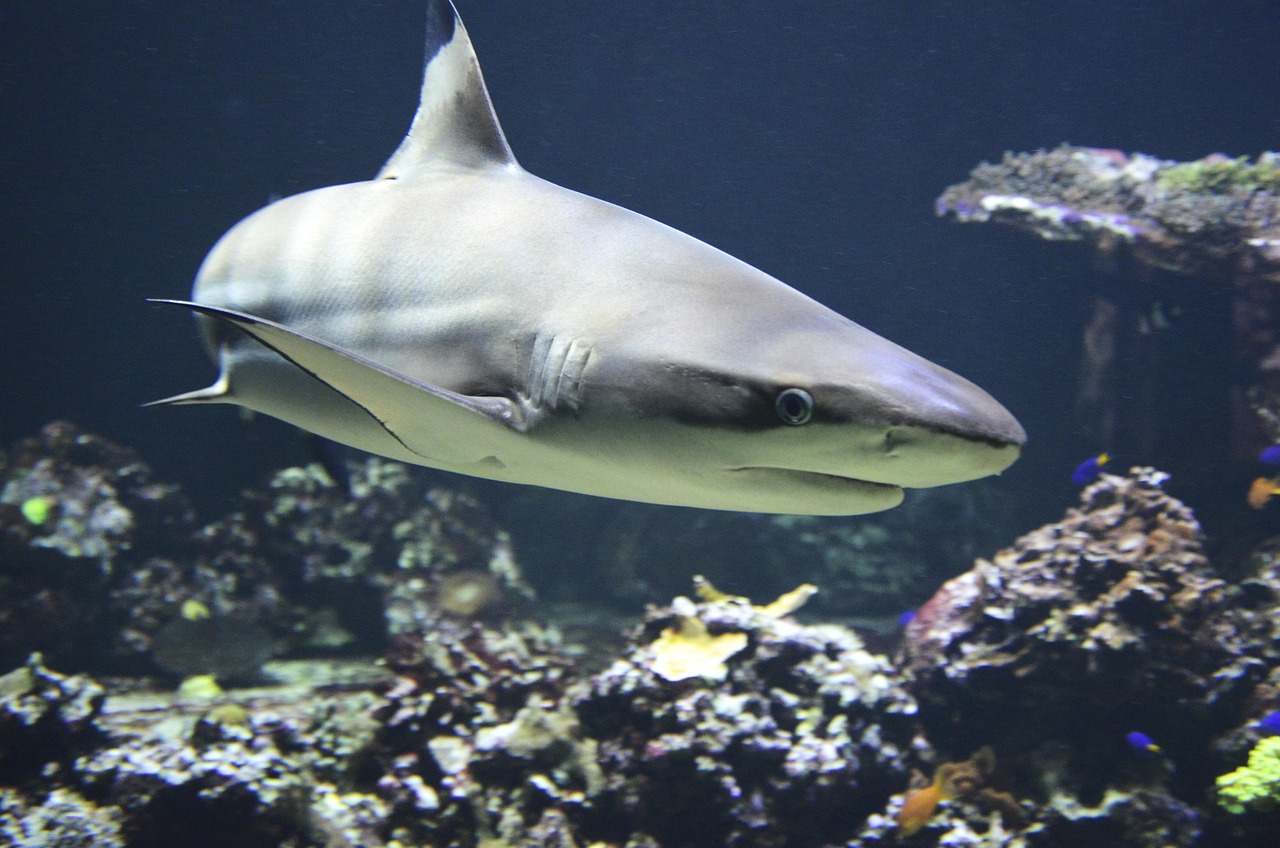
The lemon shark has a yellowish tint to its body. Additionally, lemon sharks are known for their curiosity.
These sharks live in the mangroves, grass flats, and channels of Florida, and hunt for stingrays and other fish that live on the ocean floor of these areas. The pale belly and the bronze-gold back of lemon sharks enables the species to blend into the sandy ocean floors on which they hunt. One of the only shark species that is known to return to their nurseries each year is the lemon shark.
These lemon sharks give birth to their pups in areas like the Florida Keys and Biscayne Bay during the summer months. These pups grow to lengths of more than 10 feet when they reach adulthood, but tend to avoid humans. Divers often spot lemon sharks that circle slowly around the divers, as if attempting to determine what the bubble-blowing human is.
4. Bull Sharks
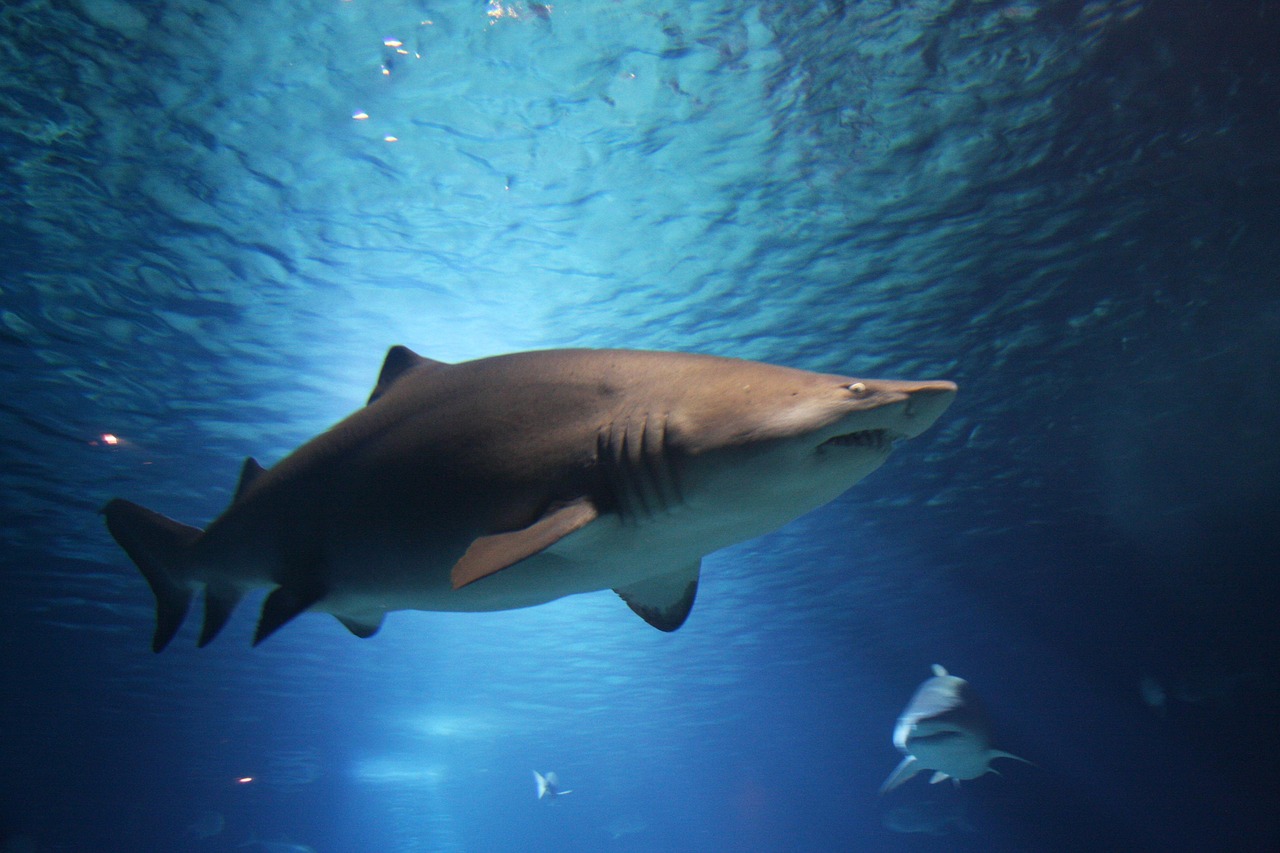
The bull shark is one of the species that people should respect. Bull sharks are stout and aggressive predators species that can travel into freshwater environments; bull sharks have been caught miles from the ocean in the state’s rivers. Bull sharks have thick bodies and broad heads that give them a blunt and powerful appearance.
Bull sharks are the species responsible for the majority of bites that are reported in Florida’s waters. Bull sharks hunt in the same areas of the state’s coastlines that humans like to swim and fish. Bull sharks have excellent eyesight in low light environments, as well as a keen sense of smell that allows them to discover their prey within the murky sections of the state’s rivers.
Most encounters between humans and bull sharks occur when humans are fishing with bait, or when they are swimming near the mouths of these rivers following heavy rains. Thus, having a healthy respect and using common sense about the species will go a long way in the state of Florida. Avoiding swimming at the dawn or dusk in the murky rivers will reduce the chances of being bitten by a bull shark, which already has a small risk of encountering these predators.
5. Great Hammerhead Sharks
There are several varieties of hammerhead sharks in the area, but the great hammerhead shark is one of the most well-known species. The T-shaped heads of great hammerheads provide these sharks with the ability to scan the ocean floor for food. Great hammerhead sharks have a specialized diet of stingrays, which they hunt with their massive heads by pinning the prey to the ocean floor.
Great hammerhead sharks are often spotted on deep wreck dives in the area. The silhouette of the great hammerhead sharks against the blue water of Florida often elicits reactions from divers as impressive as those from the ancient dinosaurs of prehistoric times. Mature female great hammerhead sharks can grow to lengths of over 12 feet.
The great hammerhead sharks have an air of confidence around their appearance. Great hammerhead sharks are not interested in humans, though their massive size often draws the attention of the divers in the area. Additionally, during the spring and summer months, when the stingray species are spotted in the ocean floor areas, great hammerhead sharks are spotted near the coastline of Florida.
6. Tiger Sharks
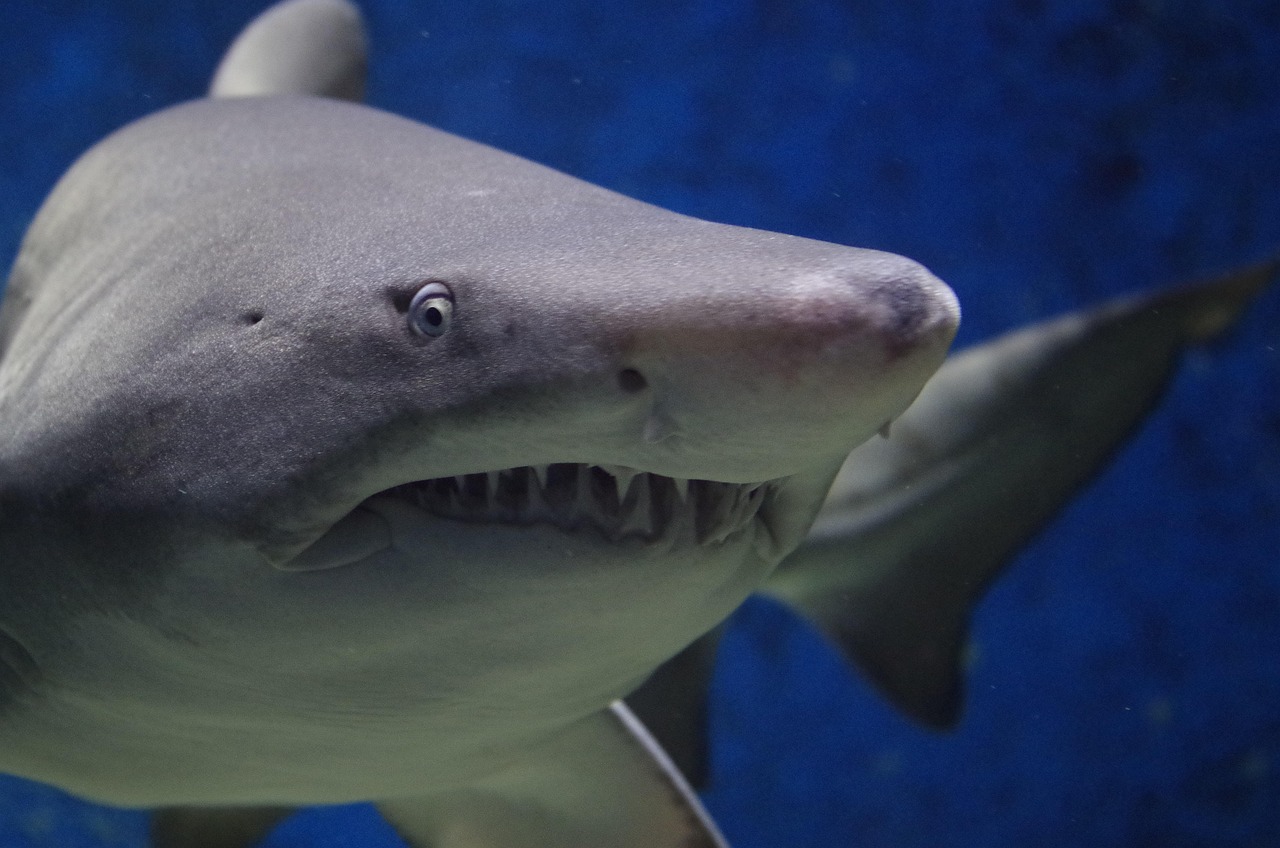
Tiger sharks are the “garbage disposals” of the ocean, though this nickname is an understatement regarding their diets. These predators have the most beautiful patterns of the sharks, as well as some of the strongest and most powerful jaws and digestive systems of any predator species; their diet includes sea turtles, dolphins, and even license plates. The tiger shark is responsible for some of the most serious incidences involving sharks in the history of the state of Florida.
However, tiger sharks tend to remain in deeper waters, and tend to hunt after dark for their scavenging diet. Thus, the reason that tiger sharks are often spotted near beaches and piers is due to their tendency to investigate the location of the fishermen’s catch. When spotted over 10 feet in length, these predators are the apex predators of the oceans around Florida, and help to control the number of weak and injured ocean species in their ecosystem.
7. Spinner Sharks
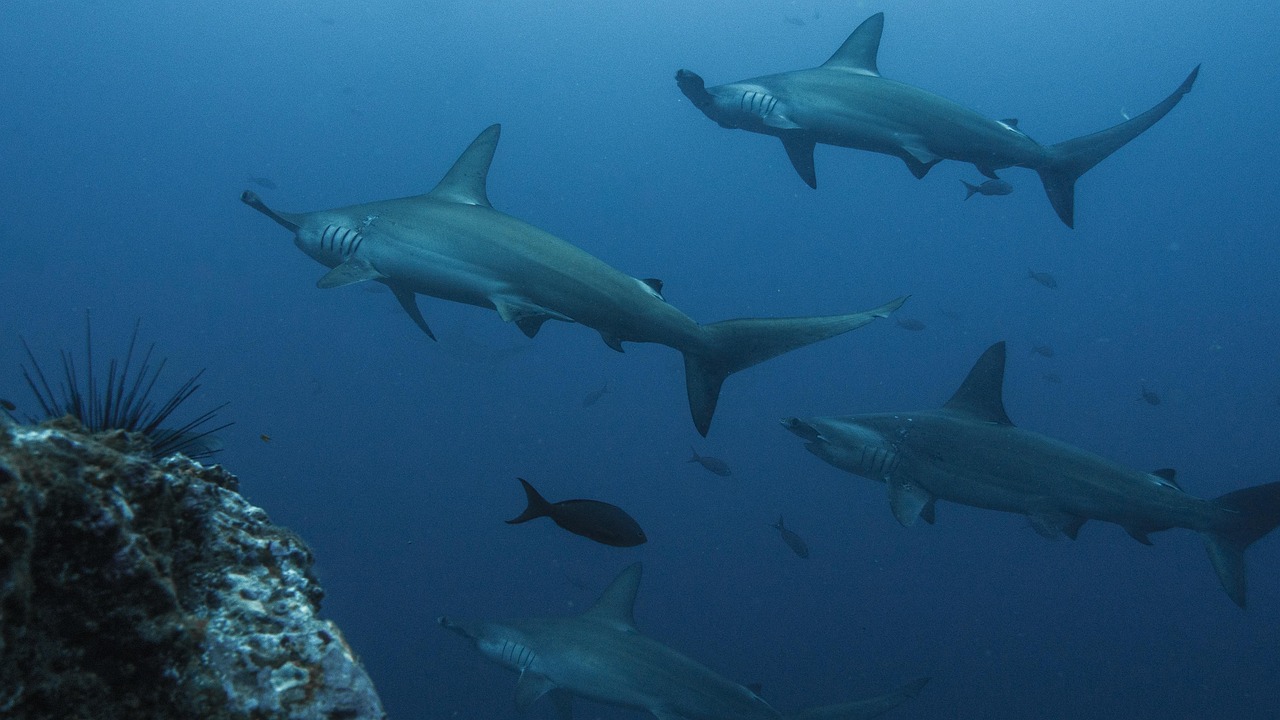
Spinner sharks are similar to blacktip sharks, but are more acrobatic in their behavior. These species of shark are spotted spinning out of the water while hunting for their food. Spinner sharks live in schools and are known for the feeding frenzies that they create that attract the birds from other portions of the state.
Spinner sharks reach lengths of 6 feet at most in Florida, and mainly prey upon small fish species. Thus, spinner sharks do not ever bother humans. Thus, if an observer spots a group of sharks leaping out of the water in the area, these are almost certainly spinner sharks.
The aerial jumps of spinner sharks is one of the best forms of entertainment that the ocean has to offer to the spectators on the coast lines.
8. Caribbean Reef Sharks
The reef sharks of Florida include the Caribbean reef shark species. These sharks live along the outer edges of the reefs and patrol these areas.
The Caribbean reef shark species is easily spotted due to its dark gray coloration. Caribbean reef sharks are some of the most often encountered sharks of scuba divers in the area. Due to the tendency of these sharks to be fed by divers in the past, some individuals of this species become quite pushy in their pursuit of food.
Though most dive operators discourage feeding these sharks, the species returns to its natural hunting behaviors. These mid-sized sharks reach lengths of 5 to 8 feet and are one of the essential species within the reef system of Florida.
9. Atlantic Sharpnose Sharks
The Atlantic sharpnose shark is a small species of shark that beginners to the shark world often encounter.
These sharks rarely exceed 4 feet in length, and feed upon fish, shrimp, and crabs found in shallow areas of the ocean floor. The slender body and large eyes of the Atlantic sharpnose shark give this species an almost delicate appearance. Atlantic sharpnose sharks are abundant in the warm months of the year.
Additionally, anglers can catch these species by the hundreds from the fishing piers and beaches of Florida. These fish are the first species of shark that the children of Florida encounter; the early success of catching these small sharks allows for the children to gain confidence and interest in sharks of all sizes. Thus, the Atlantic sharpnose shark is the perfect species for those who would like to learn more about sharks without becoming intimidated of the species.
Each of these species plays a different role within the marine web of Florida. For instance, nurse sharks perform the role of floor cleaner of the reef areas, blacktip sharks control the populations of baitfish, bull sharks hunt the larger prey species in estuaries, and hammerhead sharks eat the rays that graze the seagrass beds. Thus, each species is essential to the maintenance of the state of Floridas natural environment, which has existed for millions of years.
The next time you are standing at the Atlantic or Gulf of Mexico and something brushes your leg, think of all the shark species that have survived five mass extinctions and several ice ages. Most of them would prefer to be somewhere else if they realize that you are not their meal. By respecting the space of the sharks and remaining aware of your surroundings, you will find yourself impressed by the different species of sharks that live in Florida.