
When a bluefish strikes, the strike feels like a freight trains that is wrapped in teeth. The fish will take your lure and your fishing rod in quick bursts. Bluefish fight with difficult method.
Bluefish jump out of the water, shake their heads wildly to dislodge the hooks on your line, and slice through your fishing leaders with the wire cutters of their mouths. Many of the fishermen who have mastered the fight of the bluefish have burned forearms from the battle with these beautiful but troublesomeness fish. These fishermen also have stories that they tell that will make even the most experienced fisherman chuckle at the incredulity of such stories.
However, there is no need to rent a charter boat to experience the thrill of a fight between a bluefish and a fishing boat. All that is needed is a few tactics to entice the bluefish to taste the flavor of a fishing line. The best time of year to fish for bluefish is between spring and fall.
During this time of year, bluefish can be found from areas as far north as Maine to areas as far south as the Carolinas. During the summer months, bluefish are known to hunt in large packs and slash through baitfish with the same efficiency with which wolves hunt for their prey. This aggressive behavior of the bluefish can create chaos for those who fish for these fish but also creates opportunity for anglers who understand the behavior of bluefish to land these fish.
If a fisherman understands the manner in which the bluefish move and the behaviors that trigger a bluefish to take a fisherman’s baited lure, then the surf fishing waters will no longer seem like a guessing game for the fisherman. The best times to fish for bluefish are during the two hour before and after dawn and during the two hours before and after dusk. Additionally, the best times to fish for bluefish is while the tide is moving in or moving out of the surf.
Expert Tips for Successful Bluefish Fishing
1. Optimal Timing for Bluefish Fishing
This movement of the tide forces the baitfish to move in particular way in the water that trigger the bluefish to chase the movement. Fishermen should pick one tide to fish for bluefish and stick to that tide while on the beach. Sitting on the sand and waiting for the fish to discover the fisherman’s presence rarely works.
2. Tide Patterns and Movement
Therefore, fishermen should plan to fish during the last two hours of a rising tide or the first two hours of a falling tide. When the tide moves these bluefish into the surf, the bluefish naturally focus their effort on the fisherman. Those who ignore this tide knowledge waste countless fishing efforts but those who respect the tides often land bluefish within the first twenty minutes of beginning to fish.
3. Metal Spoon Lures
When fishing for bluefish, there are a variety of lures that may trigger a blitz of bluefish. A metal spoon lure works well. The flash and movement of a metal spoon lure imitates a wounded baitfish and can reach bluefish that live two hundred feet offshore.
A silver or gold spoon lure between three and four inch in length draws the best strikes from bluefish when the lure is cast into a breaking wave and retrieved with quick twitches on the fishing line. Additionally, topwater fishing lures such as walking plugs and pencil poppers work well during the hours of first light when bluefish target the menhaden and mullet populations. The boiling water created by a walking lure will attract bluefish attention.
A pencil popper that is first thrown into the water during the day can bring twenty minutes of bluefish activity. However, these lures require patience when cast into the water. When a fisherman misses the window during which bluefish will chase the lure, the bluefish will move on.
But the ability of these lures to create a flurry of bluefish activity is worth the difficulty in fishing with these lures. When bluefish of the slot size are targeted, a wire leader is required. The teeth of a bluefish are razor sharp and will slice through thirty pound monofilament fishing line.
The leader will be six to nine inches in length and will use number nine or twelve wire. The leader should have a barrel swivel on one end and a duo lock snap on the other end. Although the appearance of this fishing setup is crude in comparison to other types of fishing setups, this type of fishing leader will save the fisherman more fish than it will lose.
Some fishermen prefer a single strand wire leader because it will not kink as easily in the surf as seven strand wire. However, seven strand wire leaders is more flexible to allow for better movement of the bait. Either leader will work but the fisherman should check the wire leader for any frays in the line after each fish is caught.
If the bluefish rolls on the leader the strength of the leader may be lost in a matter of seconds. Therefore, spending a few extra seconds to tie a new leader will pay off once the thirty inch bluefish finally takes the fishing line. Understanding where bluefish like to swim and where the structure of the surf compels baitfish to gather will increase the chances of a successful bluefish fishing effort.
4. Ideal Surf Fishing Locations
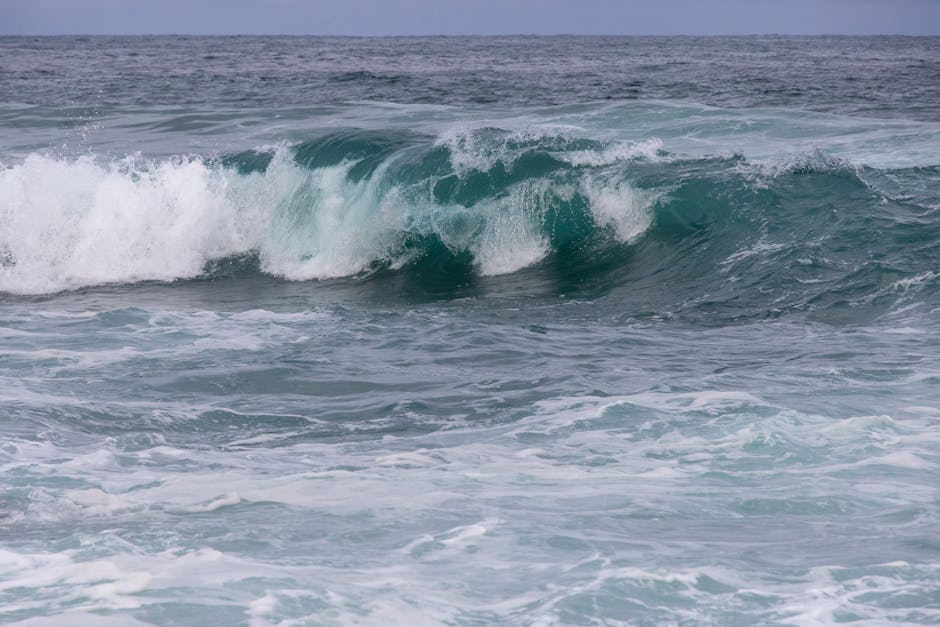
Areas of the beach that experience both breaking and re-forming waves attract the most bluefish activity. Additionally, rip currents that travel through sandbars will gather bluefish because these currents gather their prey. When fishing in these waters the fisherman should stand in one spot up current and cast the fishing line across the rip current.
Bluefish will normally hold onto the edge of the surf where the light green water meets the darker blue water. Spending five minutes studying the waves before beginning to fish can reveal the areas in which the bluefish are likely to be targeting their prey. There are a variety of methods to retrieve the lure in order to encourage bluefish to take the bait.
5. Lure Retrieval Techniques
Bluefish will react to the speed of the fishing line and the changes of the direction of the fishing line. A sharp jerk of the fishing line when the lure lands on the water mimics the panic of a baitfish being pursued. Following this start the fisherman should cast the line in five to six movements before pausing.
This pause often elicits the strikes from the bluefish. Therefore, a variety of retrieves should be experimented with when fishing for bluefish. The retrieve that works for one fisherman may not work with the next fisherman and may not work for the same fisherman on two different days.
During the sunniest portions of the day when bluefish are most active a faster and more erratically retrieve will get the best reactions from bluefish. During the hours of the late afternoon or on cloudy days a slower and deeper retrieve will attract the most bluefish activity. The only way to understand which of the different retrieves will work for the next fishing spot is to experiment with each different retrieve to find the most successful method.
6. Essential Safety Gear
Using the proper type of fishing rod and reel will ensure that the line does not break when facing the power of a bluefish battle. A nine to eleven foot medium heavy surf rod paired with a spinning fishing reel sized between 6000 and 8000 will allow a fisherman to fight the fish up to fifteen pounds in strength. The fishing line should be loaded with thirty to forty pound braid and a thirty foot length of fifty pound monofilament line added to the top portion of the line.
The braided fishing line will allow the fisherman to cut through the wind and will allow for a better sensitivity in the line in feeling the movements of the fish. The fifty pound monofilament line added to the top portion of the fishing line will absorb the head shakes of the bluefish. Setting the drag on the fishing line to one third of the strength of the fishing line will allow for better success in fishing for bluefish.
Unlike other fish species, bluefish will not fight twenty yards of the fishing line as a striper will. When a bluefish is landed, a different technique should be employed than that which is used when fishing from a boat. Under no circumstances should a fisherman attempt to beach a bluefish with its head facing forward.
The action of the incoming waves will roll the fish and potentially remove the fishing hooks from the mouth of the fish. To beach a bluefish the fisherman should work the fish in a direction that is parallel to the shoreline. Once the bluefish is in shallow water the fish should be hooked by the tail or a lip grip tool that is used to secure toothy fish.
Never place your finger near the mouth of a bluefish. A bluefish will remove a chunk of flesh from your hand in a matter of seconds. If the fisherman intends to release the bluefish, wet his or her hands and minimize the time that the fish is out of the water.
This technique will ensure that the bluefish population continues to be strong in the next fishing season. In the case that the fisherman is catching slow hits with the fishing lure a change to bait may increase the number of fish that are caught. Menhaden, mullet, and squid that is fresh or frozen can be caught on a fish finder rig with a two ounce pyramid sinker.
This type of bait will allow the fisherman’s bait to reach the bluefish that live in deeper areas. The bait should be allowed to move slightly in the water because bluefish will ignore bait that sits on the ocean floor without movement. Adding a small float to the bait two feet above the hook will allow the fisherman’s bait to rest on the ocean floor but not touch it.
This type of bait may be used during the middle of the day when the bluefish are not targeting the surface of the water. Additionally, this type of bait may be used while waiting for the next school of bluefish to pass through the fishing spot. Many experienced surf fishermen have a rod with bait on the hook ready to be deployed in these situations.
Using two fishing rods at once will ensure that the fisherman is never out of the game while fishing. For the serious fisherman bluefish may also require a few special tactics to be hooked on the fishing line. Bluefish do not make a distinction between a lure and a fisherman’s finger.
The teeth of the fish are angled backwards in the same way as barracuda teeth to allow them to grasp the fish and to cut the flesh of the fisherman’s hand. Long needle nose pliers are required for removing the hooks from the fish’s mouth. A pair of fish handling gloves should also be in the bag of every serious fisherman.
In the case that a bluefish is deeply hooked the leader should be cut with the scissors. The bluefish will pass the hook in a matter of minutes. Finally, pay attention to your footing on the rocks when using waders to fish for bluefish.
The excitement of the fight between the fisherman and the bluefish may create a fisherman with tunnel vision. Therefore, a fisherman should always be aware of the sets of waves that are coming behind him or her while fishing. One rogue wave while focused on the drag of the fight with a bluefish may knock a fisherman off of his or her footing.
Finally, pay attention to the birds. The presence of terns or gulls diving into the water in groups is a sign of the presence of bluefish pushing bait towards the surface of the water. When a fisherman spots these birds he or she should begin to walk or jog along the beach towards the birds.
The best fishing blitzes last for less than fifteen minutes so being on the move increases a fisherman’s chances of encountering the fish. Additionally, keeping a pair of binoculars in the surf fishing bag will allow the fisherman to scan the area half a mile out to spot the working birds. The ability to spot these birds will ensure that the fisherman has an exciting day on the surf line.
Bluefish surf fishing rewards those who are ready to adapt. Bluefish are strong, bluefish are fast, and bluefish are unforgiving. But they are also very predictable.
You should start with the basics of when to go out and what kind of terminal tackle to use. Then you can add on the finer points of technique and safety. Before long, youll be standing in the wash at sunrise, ready to cast and watch the ocean take in the day (and you), with an indulgent smile.
The ocean has its schedule, but those who understand the bluefish are never surprised by the next strike.