
Alaska is a place that provides for anglers a sense of solitude and a sense of excitement that they can find difficult to encounter in any other location in the world. Anglers who venture into the land of the Last Frontier may find themselfs standing in a river that is so clear that they can count the number of rocks along the rivers bottom. Surrounding these anglers are snow-capped mountains that define the landscape.
The fish in Alaska is wild, they are strong, but they are also often picky regarding the food that they consume from anglers. For anglers who make the wrong move with the fish, the remainder of the day may be spent in quiet boredom with only the fish and its surroundings for company. Anglers who understand the sport correctly, however, will create memories of their lives that will last for a lifetime.
The difference between an angler who struggles on the rivers of Alaska versus one who finds them to be memorable is in the decisions that anglers make prior to setting foot upon the river’s banks. The vast landscapes of Alaska can be intimidating for the newcomer to the sport of fly fishing, yet with a simple understanding of a few tips, these areas can be transformed from challenging environments into welcoming ones for anglers of all experience levels. First, anglers should begin by ensuring that they respect the weather and the calendar that dictates the season in Alaska.
Essential Tips for Successful Alaska Fly Fishing
1. Respect the Alaskan weather and seasonal calendar
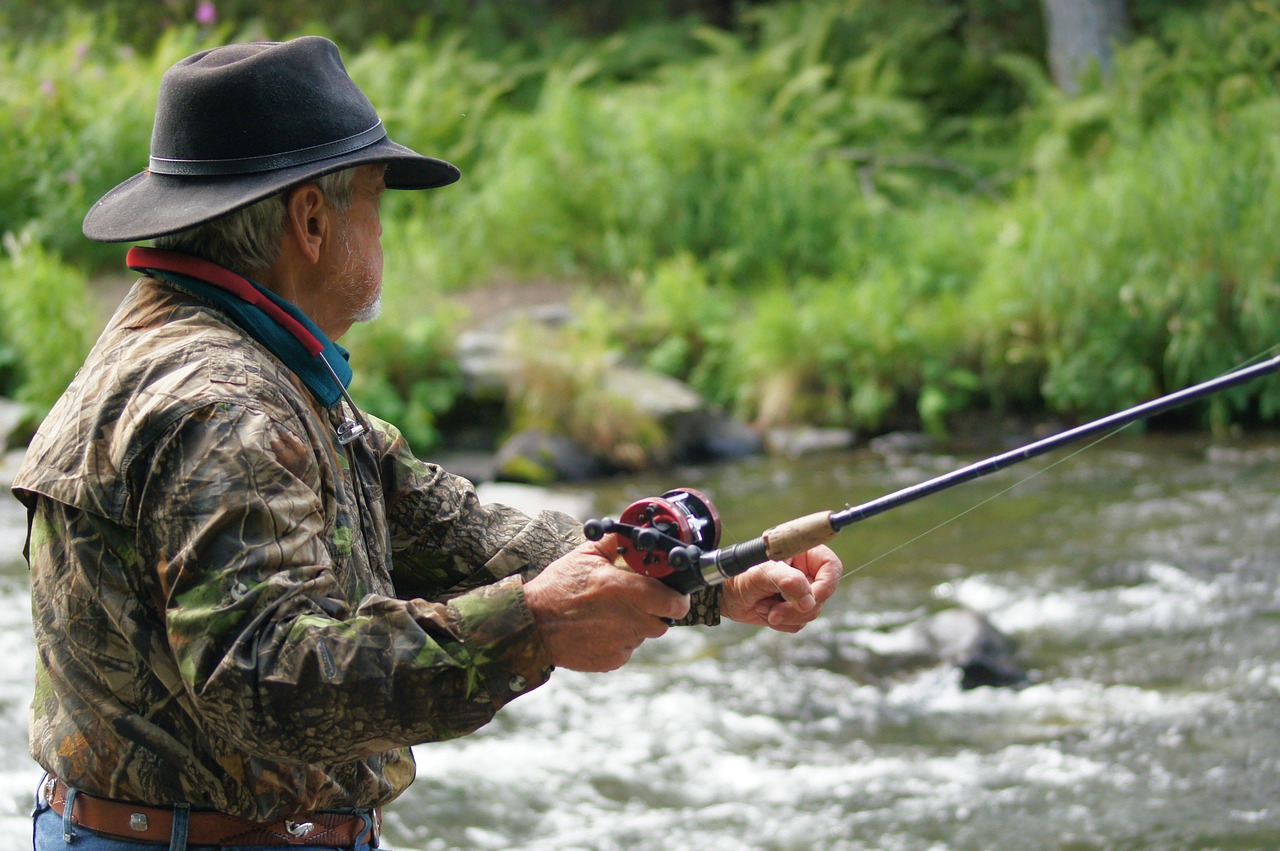
The seasons in Alaska are slightly different from those of the remainder of the United States. During the early summer, the melting of the snow in the mountains makes the water levels of the rivers high. During this time, the rivers often turn a brown color due to the sediment that lies within the water and the salmon begin to move into smaller area within the river.
During the middle of July, the rivers begin to even out in water levels so that anglers can fish with dry flies. During the late August and September months, these areas become some of the best in Alaska for anglers to find silver salmon and the larger rainbow trout species. Thus, anglers should always ensure that they check the river gauges, speak to those who live in the area, and be prepared to change the plans that they have made for their fishing trip.
2. Use appropriate flies for the salmon life cycle
Second, anglers should ensure that they use the appropriate fly for the life cycle of the salmon. For instance, the pattern of the fly may not necessarily matter to the trout fisherman from the Rockies, but it could be critical for the survival of the chum salmon. For rainbow trout that are chasing the fry that the salmon release, small streamers in olive or black colors that mimic the baitfish that are between one and two inch in length are recommended.
For targeting the pink salmon that swim in numbers throughout their life cycle, flesh flies will work best in mimicking the chunks of decaying salmon. The fish have seen nearly every imitation of the mayfly that is available for purchase at the sporting goods store. Therefore, by using a fly that is associated with the salmon that swim in such massive numbers throughout Alaska, anglers will find success with their fishing efforts.
3. Wear survival oriented clothing
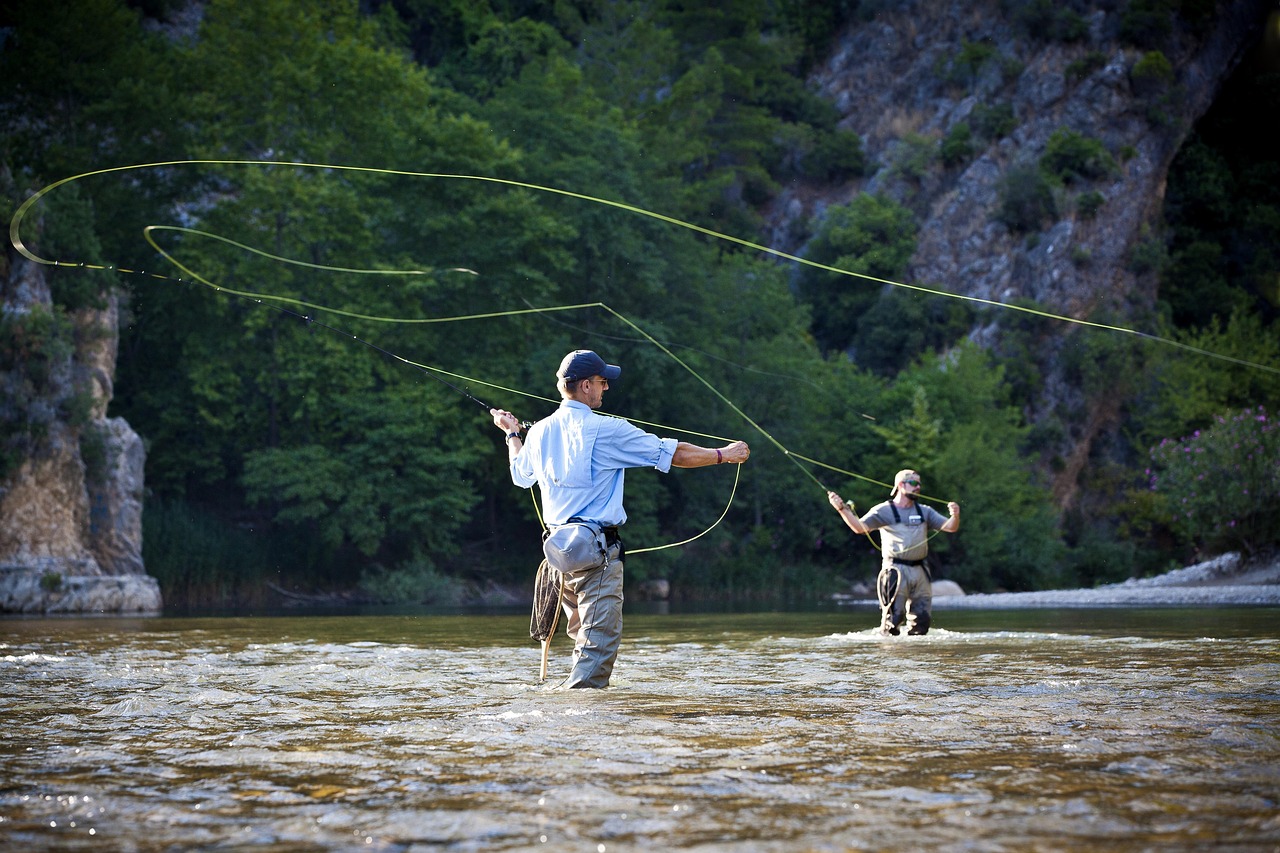
Third, anglers should ensure that they show up in clothing that ensures their survival rather than attempting to find clothing that shows well on social media platforms. In the summer months in Alaska, anglers can still succumb to hypothermia if they fall into the water with their waders. Base layers made of synthetic materials or wool will keep anglers warm even if they are wet.
A fleece layer and a breathable rain shell will keep anglers warm and dry in Alaska’s climate. Additionally, the alpine waders with gravel guards will better endure the rocks in the riverbed in comparison to the more breathable waders. Finally, a pair of wool or synthetic material hats will keep anglers ears warm from the elements of Alaska’s rivers, and anglers should wear a pair of gloves to assist in their ability to cast their lines.
These clothing options may appear less fashionable for anglers in the know, but each piece will ensure that those anglers can stay afloat on the water throughout their fishing trip.
4. Learn how to read the water
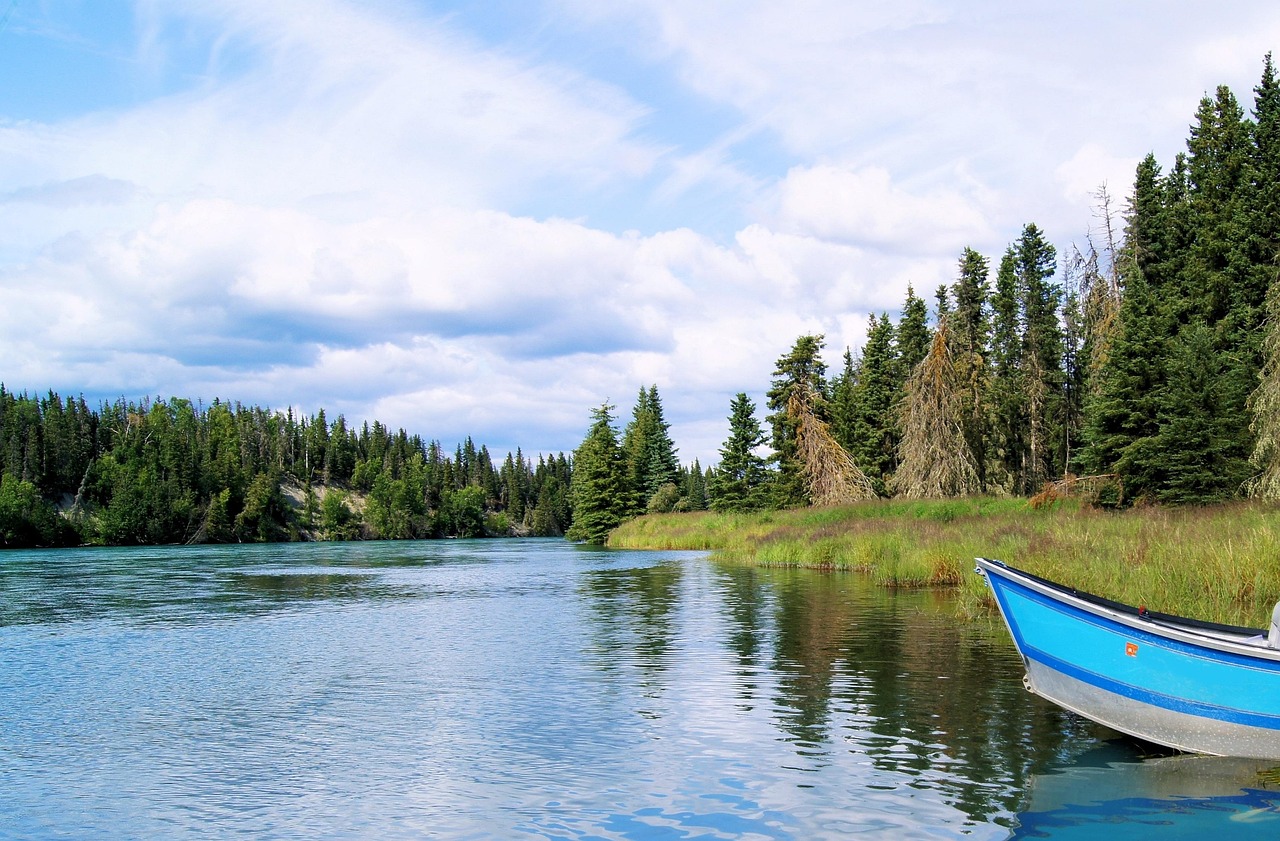
Fourth, anglers should learn how to read the water like the locals do. Most anglers who come to Alaska with little experience often focus upon the pools and the areas in the river that have runs of the same size as those that are often found in their home locations.
Instead, the fish of Alaska live in places that are odd to the newcomer. For instance, they may be found on the inside edge of a riffle where salmon lay their egg, or they may be found in the areas of slack water behind a boulder that is as large as a truck. Additionally, the rainbow trout may be found in the tailout of a braided channel where the Dolly Varden reside and take advantage of the smolts that exit from these areas.
Anglers should take a few moments to survey the water prior to casting their lines. Any water that is visibly bulge or moving in a nervous fashion is likely to be home to a fish. Thus, the ability of an angler to spot these fish will separate the new from the experienced fishermen.
5. Master specific casting techniques
Fifth, anglers who learn the two specific casts will be able to cover the majority of their fishing location. The roll cast will allow anglers to avoid snagging on the bushes when they cast their line, especially since alders are common along the banks of these rivers. Additionally, the single Spey cast will allow anglers to alter the direction of their fishing line without having to use false casts when they fish these areas.
False casts can startle the fish in areas where there is salmon and trout and where the visibility is common. By practicing these two types of casts on the lawn prior to heading out to fish the rivers in Alaska, anglers will develop the skill necessary to place their line where the fish are without scaring them. This skill is the essential skill required to fish the streams of Alaska.
6. Bring the proper fishing rod
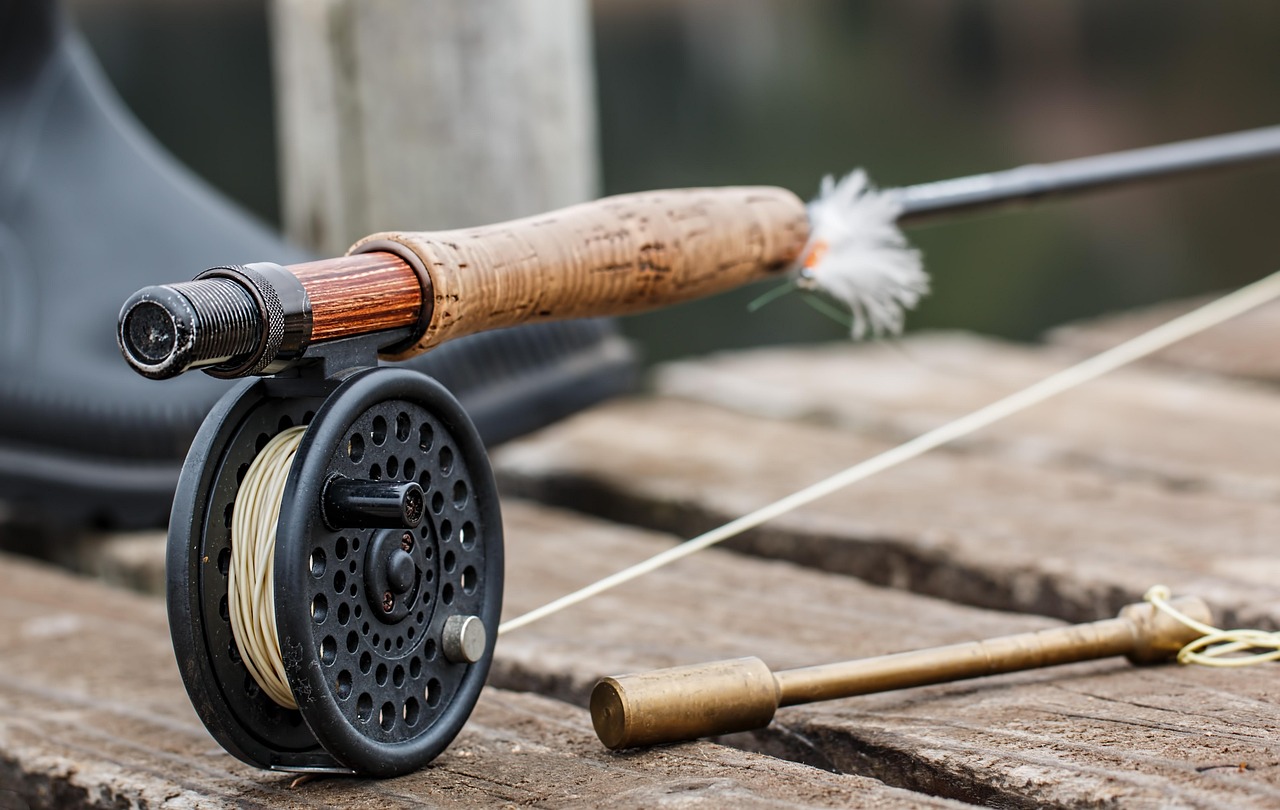
Sixth, anglers should bring the proper fishing rod for these areas and learn how to utilize such a rod. An eight-weight fishing rod is required for most of the salmon fish and trout fishing that occurs in Alaska. An eight-weight fishing rod is strong enough to manage the streamers that the salmon use for bait, but it is also strong enough to delicately handle the eight-inch dry flies that are targeted at the rainbow trout species.
Additionally, a six-weight fishing rod may be used for the smaller trout rivers for dry fishing or during the salmonfly fish hatch. A five-weight fishing rod should be left at home except for anglers who plan to target the grayling species in the still waters of Alaska. Anglers can utilize a weight-forward floating line that is designed for dry flies and a sink-tip line for streamers to cover the majority of their fishing needs in Alaska without having to change their fishing reel.
This fishing rod and line setup is simple, and simplicity is a benefit for anglers who venture into the areas during the less pleasant weather.
7. Watch for bears on the water
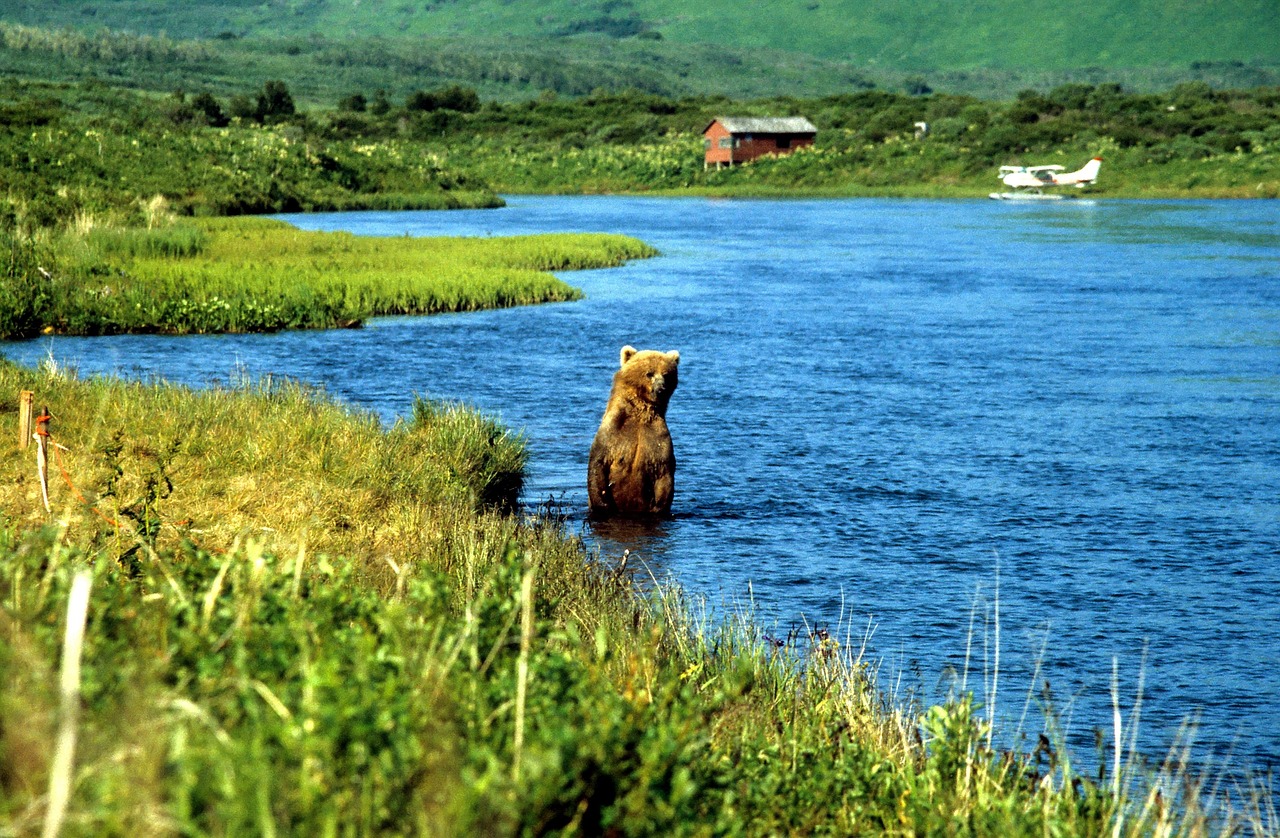
Seventh, anglers should ensure that they watch for bears in these locations when they are on the water. Additionally, anglers should act as if their fish dinner is the prey that bears do not want to pursue for their meals.
Anglers can carry a can of bear spray within the holster on their chest so that they can quickly access the spray if needed. However, they should not bury the spray in their backpack. If an angler spots a bear in the forest, they should make noise as they move through the trees.
Should an angler hook a salmon, the fish may begin to bleed. In this case, anglers should ensure that they land their fish, release their fish, and leave the area of the location where they caught their fish. Most bears will typically leave humans alone, but if they spot a bear that is alarmed by the salmon, such as a grizzly bear or a mother bear with her cubs, the situation may change.
Anglers should always respect the home of these bears if they wish to continue to fish the areas. If anglers can afford such services for their fishing trip to Alaska, they should hire a guide. Guides will show anglers where the best fish lives.
8. Hire an experienced fishing guide
Guides will also be aware of the types of flies that work in the area during the specific week of the fishing trip. Additionally, guides can show anglers how to navigate to the different areas of Alaska that are designated for fishing, and they will teach anglers to fish with the same mind that the locals employ when they fish in these areas. After three days with an experienced fishing guide who lives in Alaska, new anglers will have mastered the ability to read the water, cast their line in an efficient manner, and understand why certain types of flies work for the target species.
The knowledge that the guide can provide will pay for itself many times over during their fishing trips to Alaska.
9. Slow down and observe the surroundings
Finally, anglers should slow down and pay attention to the area of the river where anglers are fishing. Anglers may catch twenty fish on one day while they fish the streams of Alaska.
Other days may reveal only two fish that are caught. However, those anglers will feel good about their day because they spotted a bald eagle that was catching fish in the same area as them or because they spotted a cow moose and its calf strolling through the area of the riverbank. For anglers, the fish is only one part of the experience while they are on the water in Alaska.
The other part of the experience comes from the vastness of the area that is being fished and the feeling of being a small part of the huge ecosystem of Alaska. Thus, anglers should take these tips to heart, pack the gear necessary to fish in Alaska, and leave time in their schedules for the unexpected. The river will teach anglers the rest of the techniques that are required of them when they fish in these areas.
When anglers finally feel the strength of the pull of a salmon that is caught in fast water or when they spot a rainbow trout that is twenty inches in length rise to their dry fly in the background of the snow-covered mountains of Alaska, they will understand the significance of the trip that they took to fish the rivers of Alaska. Additionally, they will understand the importance of Alaska’s location in their lives. The place has gotten inside of them, and that is the entire point of fishing the rivers of Alaska.