
A fishing trip can quick become unsuccessful if the bait you use should fail at the critical moment. Whether you find yourself standing while holding a fishing rod while the fish seem to ignore your bait, or whether your hook come back empty time after time, the outcome of your fishing trip will likely come down to the performance of your bait. Many anglers discover these pitfall during their fishing trips.
Whether you’ve watched your favorite worms disintegrates after adding them to the water for ten minutes, or whether you’ve lost an expensive minnow after a single nibble from a fish, these problems can be avoided with a little understanding of how to avoid these problems. Understanding these problems will allow you to select the best bait for your fishing trip, as well as develop the skills to react to these issues quick and effective while you are on the water. One of the most popular forms of bait is live bait.
Common Problems with Different Types of Bait
1. Earthworms
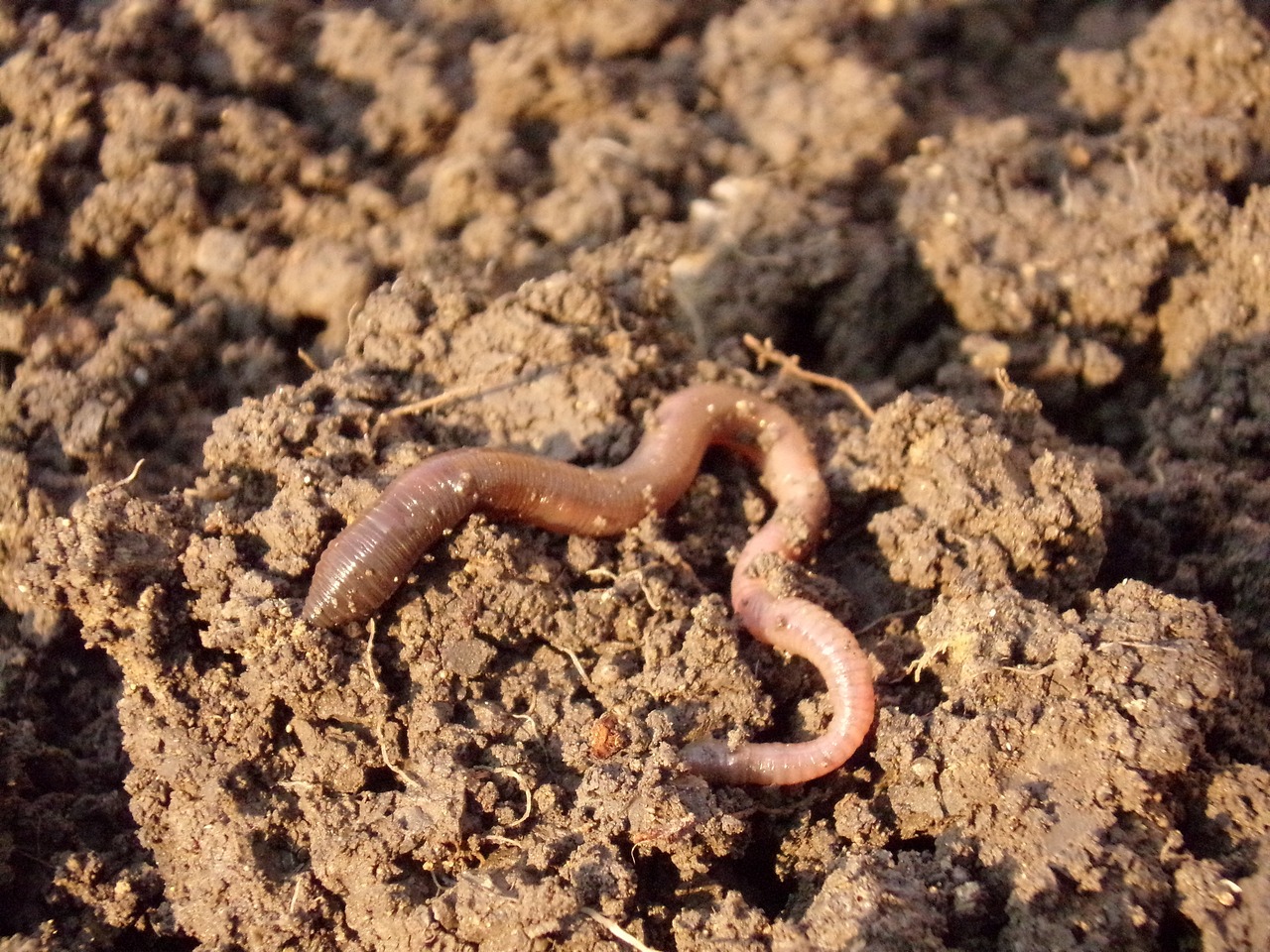
Yet, live bait can also stop working. Earthworms is a popular bait because they are very easy to find and inexpensive to purchase. However, earthworms have a short lifespan once you have hooked the earthworms.
After about fifteen minutes in the water, the earthworm will cease to wriggle and will become a lifeless bait. Fish will also lose interest in a lifeless worm, especially if the water current is working against the worm’s natural movement. This is why anglaters frequently use nightcrawlers instead of earthworms.
2. Nightcrawlers
Nightcrawlers are a larger type of earthworm and are more robust so that they remain active for a longer time while on the hook. However, these nightcrawlers will still go limp in the summer if they are exposed to too much heat in the water. To avoid this issue, place your container of nightcrawlers in the shade and replace any that become exhausted while fishing.
3. Artificial Soft Plastics
Artificial soft plastics are another type of bait that is used in fishing. This type of bait is beneficial in that it will not disintegrate like other bait. However, scented worms and creature baits can contain a plasticizer in them that will leach out of the bait over time.
The fish will no longer smell of the bait if the plasticizer has leached out, and the fish will not be interested in the bait. To avoid this problem, store the artificial soft plastics in the original bags that they come in. Add a drop of scent rejuvenator to the plastic baits every few months.
It is even better to purchase a small spray bottle of fish attractant that you can add to the plastic bait between each fishing cast. This seemingly minor extra step will allow you to avoid losing a round of fishing to expired plastic baits. Minnows and shiners are a type of bait that is popular with many anglers.
4. Minnows and Shiners
These fish may look perfect in a store tank. However, these minnows will die very quickly while on a fishing hook. The metal lip of a minnow trap or a hook pointed at the nose of the baitfish will damage the gill of the minnow.
Baitfish with damaged gills will quickly tire and stop swimming while on a fishing line. This signal other fish to avoid the bait. Professional anglers who use minnows as bait will hook the minnow through the lips or behind the dorsal fin to avoid killing the baitfish.
By hooking the baitfish in this location, the baitfish will be able to breathe. The baitfish will be able to swim naturally while on a fishing line. Anglers can also use a small split shot one foot above the baited hook so that the baitfish will remain at the correct depth without too much weight on the bait.
Anglers will lose some minnows to snags on the underwater obstacle, but the minnows that remain alive will encourage more bites from target fish species. Bread balls and dough baits are used to fish for species like catfish and carp. Yet, bread balls will dissolve the instant that they are dropped into the water.
5. Bread Balls and Dough Baits
The type of bread used for bait balls does not contain any binding agent. Thus, once the dough bait ball hits the water and the current begins to move the bait, the bait will dissolve and leave the fish on hook empty. To avoid this problem, add a bit of flour, cornmeal, or cotton ball to the bait ball when mixing.
Alternatively, dip the dough bait in egg white before adding to the water. This will create a thin protective skin around the bait ball. Adding this extra minute to the fishing bait preparation will allow the dough bait ball to remain intact for half an hour.
Cut bait of fresh herring or shad work well for stripers and blues. However, the flesh of the bait can easily tear away on the hook during a fishing cast. The first cast can cause chunks of bait to fly off the hook.
6. Fresh Herring or Shad
This is problematic, especially during the night when the fisherman cannot see the cut bait. Use a bait thread or a small piece of pantyhose around the cut bait to keep it from coming off the hook. Anglers can use a single strand of elastic thread that is secured in a figure eight knot around the bait.
The elastic thread will hold the cut bait while fishing, and will biodegrade if the fisherman loses the bait on a snag. Artificial lures have avoided the issue of dying bait or bait that disintegrates in the water. However, artificial lures can frustrate the fisherman because the artificial bait will not trigger strikes from the fish.
7. Artificial Lures
A crankbait will likely work in the man-made swimming pool in the angler’s backyard. However, the slight nick in the lip or the bend in the eye of the crankbait can cause the bait to dive sideways in moving water. This defect on the lure will make the artificial bait look injured by the fish’s viewing standards.
Fish that have seen many lure will ignore this injured-looking lure. To avoid these issues, take two minutes before leaving for the fishing spot to inspect each lure. Use a thumbnail to feel along the lip of the lure for burr.
Use a pair of needle nose pliers to straighten the line eye so that the lure will maintain a straight path when it casts into the water. The product will work effectively on the water once the angler returns to their spot. Flies are the bait of choice for trout fishing.
8. Flies
However, dry flies will become waterlogged after a few fish drift while on the water. The delicate hackle that secures the dry fly to the fishing line will collapse, and the fly will sink in the water. Trout will refuse to eat the bait that does not mimic the appearance of natural prey in the water.
Treating the dry flies with a quality floatant before the fishing trip will allow the dry fly to remain buoyant on the water’s surface for a longer period of time. A quick cast of the fly between drift will help shake the water out of the fly. This habit will become automatic after a few fishing trips.
Using these techniques will increase the number of fish that rise to the surface of the water to be eaten by your bait. The real secret to avoiding bait problems when fishing is to remain attentive and ready to change tactics. The bait that worked for the fisherman at 3:00 PM may no longer be effective after 10 minutes of fishing.
The fisherman should of a variety of bait in their fishing bag. Change the bait every twenty minutes to ensure that they are remaining ahead of the fish. The fish may have already rejected the same bait twice, so changing the bait will encourage more successful fishing trips.
When anglers learn how to avoid each of these problems, they gain one more skill each time. Each subsequent fishing trip will be easier because the angler understands what to watch for and how to fix each problem quickly. By learning these problems and how to avoid them, the angler will develop a lifelong pursuit of fishing.
The water is calling, so go fish and apply these solutions for success.