
An egg sinker can become a process of frustrations for a person when using it to fish for a bottom-dwelling fish. A person may cast the egg sinker out in a water with the expectation that the bait will naturaly settle upon the bottom. However, the egg sinker may create issue for the fishing rod and the fish.
The egg sinker is a simple tool that is formed into the shape of an oval and is meant to slide easy along the fishing line. A person may find themselves frustrated with the egg sinker, however, due to numerous problems that it can create. The benefit of using an egg sinker is that the fish is allowed to take the bait without encountering any resistance from the sinker.
However, the freedom of the egg sinker to move in any direction can cause problems for a fisherman. The current in the water, the bottom of the water, the distance that the fisherman cast out with the sinker, and the way that the sinker is rig can all work against the fisherman using the egg sinker. By understanding the problems that the egg sinker creates, a fisherman can better fish for bottom dwelling fish with more intelligent rather than just throwing the sinker into the water and hoping for the best.
Common Problems With Using Egg Sinkers
1. Sinker Sliding Too Freely
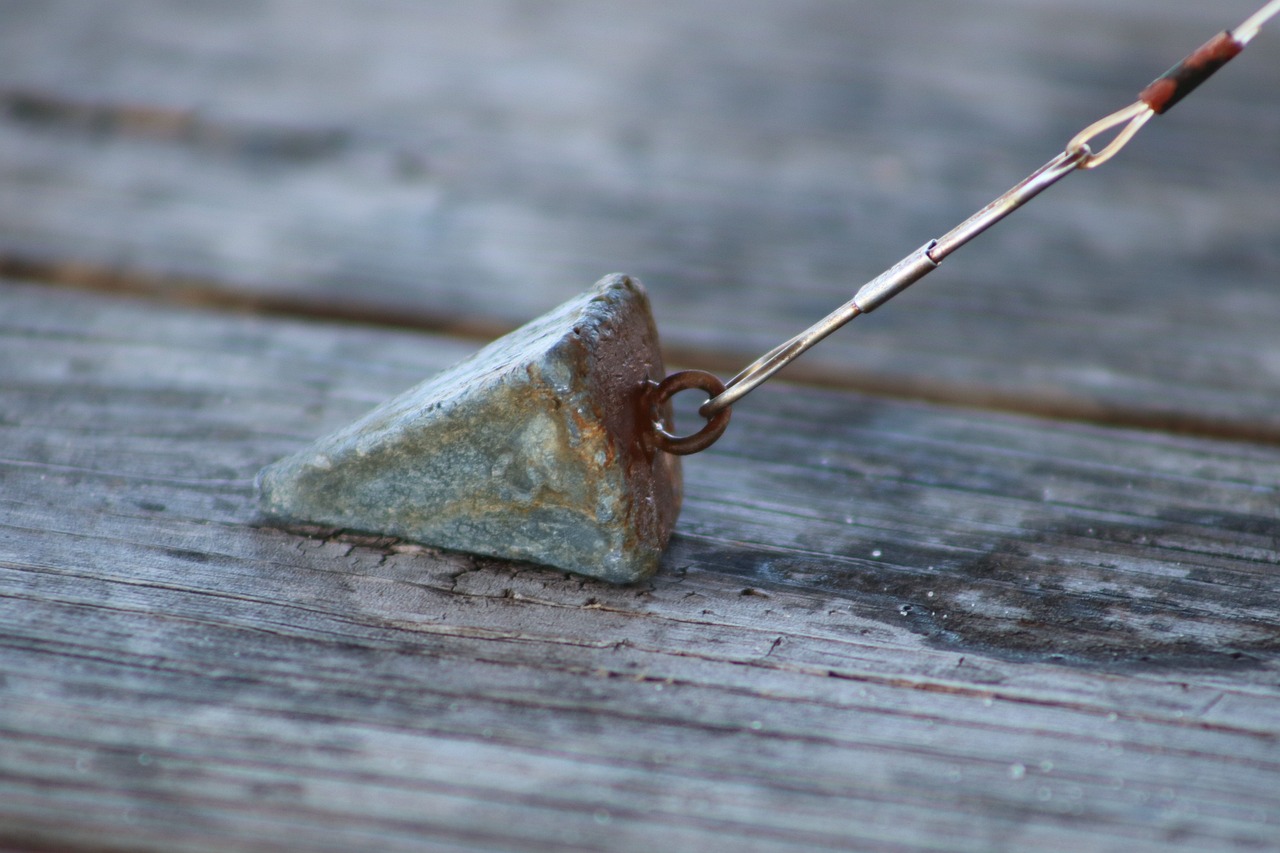
One problem with the egg sinker is that the sinker may slide too free along the fishing line. This is especially true in environments with strong currents, where the sinker may carry the fishing line away from the fishing spot where the fish are located. A solution to this problem is to add a bead or a rubber stopper to the fishing line above the egg sinker to prevent the sinker from sliding too far along the line.
Without this addition to the fishing line, a fisherman using an egg sinker may begin to feel frustrated at constantly losing his line and bait.
2. Getting Stuck in Crevices
Another problem with using an egg sinker is that the sinker may get stuck in crevices in the bottom of the water. The smooth oval shape of the sinker may cause it to get stuck in such a way that the fisherman cannot retrieve the sinker.
This problem is likely to occur in environments with rocks or where oyster beds lives. A solution to this problem is for the fisherman to use a teardrop or bullet weight instead of an egg sinker, or to rig the egg sinker with a leader of reduced length to the bait. Using this rigging with an egg sinker will limit the amount of damage that occurs to the fishing line if the sinker gets snagged on an object on the bottom.
3. Line Twist Issues
A third problem with the egg sinker is the likelihood of line twist due to the egg shape of the sinker. The fishing line may begin to twist with the sinker due to the way that the egg sinker can tumble in the air when being cast into the water, or due to the way the sinker can turn in the water while fishing. This twist of the fishing line can lead to the line snapping when a fish is hooked.
A way to prevent line twist is to use a barrel swivel to the sinker on the fishing line. This addition will allow for the fisherman to avoid broken lines and line tangles.
4. Unnatural Sinker Noise
Fourth, a problem caused by egg sinkers is the sound that it can make. Many fisherman may have not thought about this problem, but the sound that the sinker can make when it clanks against the hook or a bead can alert the fish to the presence of a fisherman’s bait. Because other fishing efforts can pressure fish, they may avoid areas with this sound. The sound is unnatural to the fish.
Using a bead or rubber bead between the sinker and the swivel will reduce the sound that the sinker makes. Furthermore, wrapping a small piece of electrical tape around the egg sinker will continue to reduce the noise that the sinker makes. These small change to the rig can allow a fisherman to experience more successes with his bottom fishing efforts.
5. Improper Sinker Weight Selection
A fifth problem with egg sinkers is the choice of weight of the sinker. Using too light of a sinker will cause it to drift from the spot where the fisherman cast his line. Too heavy of a sinker will spook the fish because of the rapid descent of the sinker to the bottom.
Many fisherman use an egg sinker of any size that is at their disposal, instead of choosing the proper size of egg sinker for their fishing spot. A guideline for selecting the size of egg sinker is to choose only the amount of weight required to keep the sinker on the bottom without dragging the sinker along the bottom. Using a variety of sizes of egg sinker allows for the fisherman to adjust the weight as the tide or the wind changes.
Taking a few extra minutes to properly rig the sinker will save time and bait for the fisherman.
6. Snagging During Retrieval
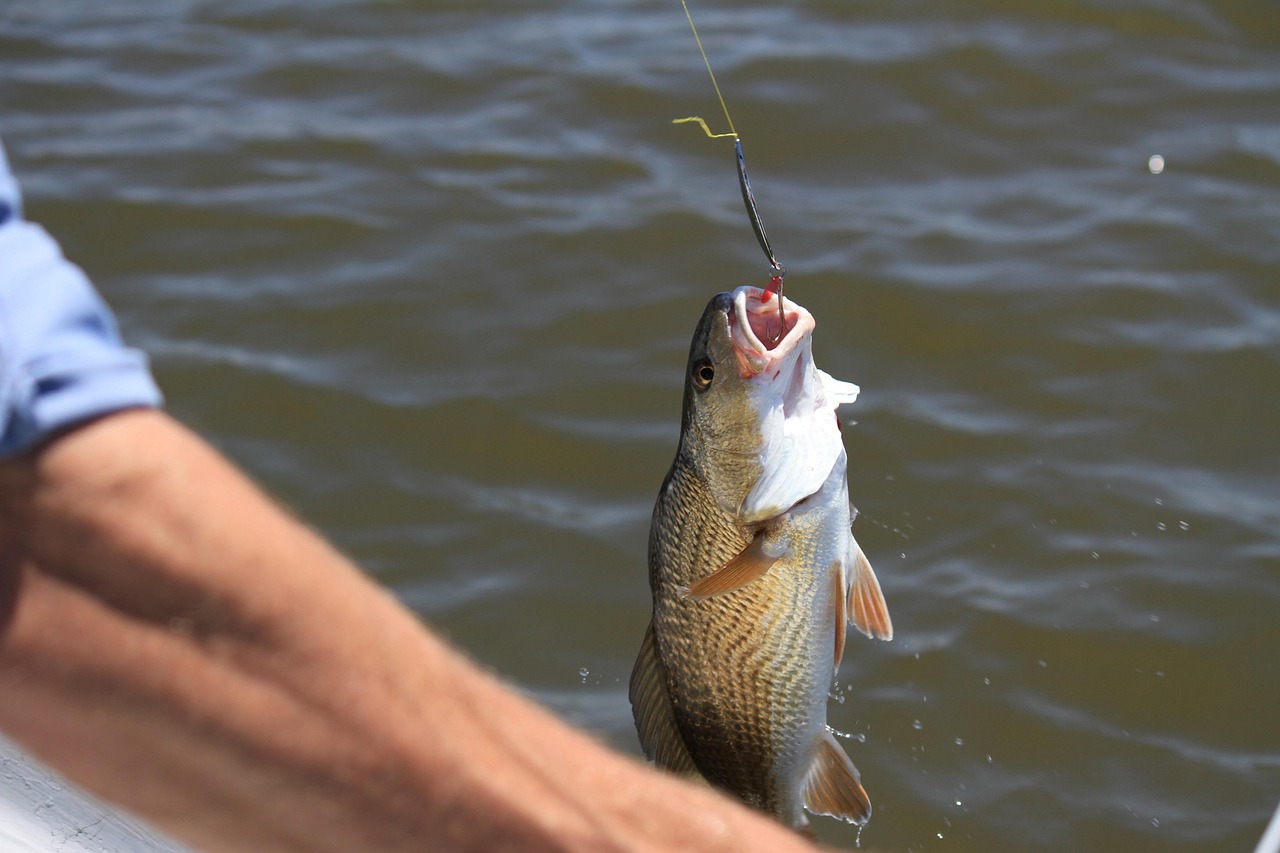
A sixth problem with egg sinkers is the sinker may get snagged while being retrieved from the fishing spot. The sinker will likely get caught on a branch extending into the water, or on rocks along the bottom.
If the sinker is located above the hook, it will tend to get caught on these objects. A solution to this problem is to rig the sinker below a three-way swivel with the hook on a short leader. This will allow the sinker to lead the fishing line and hook to retrieve from these snags.
7. Reduced Casting Distance
A seventh problem with egg sinkers is that fisherman who have switched from split shot and pyramid weights may experience difficulties with the casting distance of the egg sinker. The egg shape of the sinker can interact with the air while being cast, causing the sinker to tumble to the water, reducing the distance of the cast. A way to increase the distance of the cast is to add weight to the egg sinker if it is hollow, or to use a heavier egg sinker.
Some fisherman even mold their own egg sinkers to reduce the distance that it tumbles in the air.
8. Sinker Burying in Soft Bottom
An eighth problem with egg sinkers is that the sinker may bury into the bottom of the water. Once the egg sinker is buried in soft mud on the bottom, the fish will not be able to locate the bait.
This is common in tidal estuaries after storms. A solution to this problem is to use an egg sinker with a larger diameter, or adding a float or foam insert to the bait to keep the bait off of the bottom where the fish cannot find it. These problems with egg sinkers might make a person question the use of such a tool when fishing for bottom dwelling fish.
However, the egg sinker is one of the most versatile tools for fishing for fish that live on the bottom. Each of the problems have solutions, such as the addition of different beads, different swivels, and different weights to the line. Those who is successful in fishing for bottom dwelling fish are not necessarily the “smartest” or the luckiest fisherman to fish these spots.
Instead, they are likely to understand the issues of using an egg sinker, and to adjust their techniques to avoid these problems. When going fishing for bottom dwelling fish, then, take a few extra minutes to inspect the terminal end of the fishing line. The egg sinker that a person may have used in their fishing box for years may be the cause of a variety of frustrating problems.
A few changes to the way in which they rig their sinker and select the size of their sinkers will bring about advantages in their fishing efforts. By making these changes, the fisherman will experience straighter lines and more consistent bait in the strike zone, allowing the bottom dwelling fish to find the bait. Thus, the egg sinker may be the most simple looking tool in a fisherman’s box, but it works beautifully for its purpose (however), only if understand and used correctly by the fisherman.