
A good day on the water can quickly become ruined if a livewell stop performing its primary job. Despite having high hopes and plenty of fish early in the day, the fish can sometimes be seen floating belly up from the boat ramp. There are five common problems that can occur in a livewell for anglers at any stage of there fishing careers.
These problems rarely come with warning lights or alarms. These problems develops slowly and become frustrating for anglers who have to guess at the cause. By understanding the problems that can happen in a livewell, why they happen, and the solution to each problem, anglers will save their fish better then purchase new bait.
Five Common Livewell Problems to Avoid
1. Oxygen Depletion
Oxygen depletion is the first problem on the list and is a problem for a specific reason. Because fish consumes a lot of oxygen while staying in a livewell, they consume even more if the water in the livewell are warm. One largemouth bass can consume the dissolved oxygen in the livewell faster than anglers might expect.
If the dissolved oxygen levels fall to below five parts per million, the fish will begin to experience stress. These signs will show up when the fish begin to crowd near the livewell’s surface or near the hose where the oxygen water enter the livewell. Adding an aerator will help, but many fish boats use only the basic aerators that will not add fresh oxygen to the livewell water.
Upgrading to the livewell with an oxygen injection system or an airstone powered by a 12-volt pump will make a difference in long runs. The capacity of the livewell should correspond to the number of fish in the livewell. A livewell with only two bass might get away with basic aerators, but if there are six bass in the livewell, there has to be an exchange of fresh water or supplemental oxygen system in place.
2. Temperature Spikes
The second most common problem is temperature spike. These typically occur together with low level of oxygen. If the sun exposes the livewell, the water may spike ten degrees in less than an hour.
The water’s decreased ability to hold dissolved oxygen put the fish under additional stress, as does the extra metabolic demand placed upon them by the higher temperatures of the livewell water. These species can last mere minutes in these conditions. Using marine-grade foam or a wet towel to insulate the lid of the livewell will maintain the water temperature.
Some tournament anglers use small ice pack in plastic bags. However, be sure not to drop the temperature of the livewell water too quickly. This is just as detrimental as allowing the temperature to climb out of control.
The goal is to maintain the water temperature between five degrees and the water temperature of the fishing lake. Paying small attention to the temperature will ensure that the fish remains lively and dead at the weigh-in.
3. Clogged Intakes
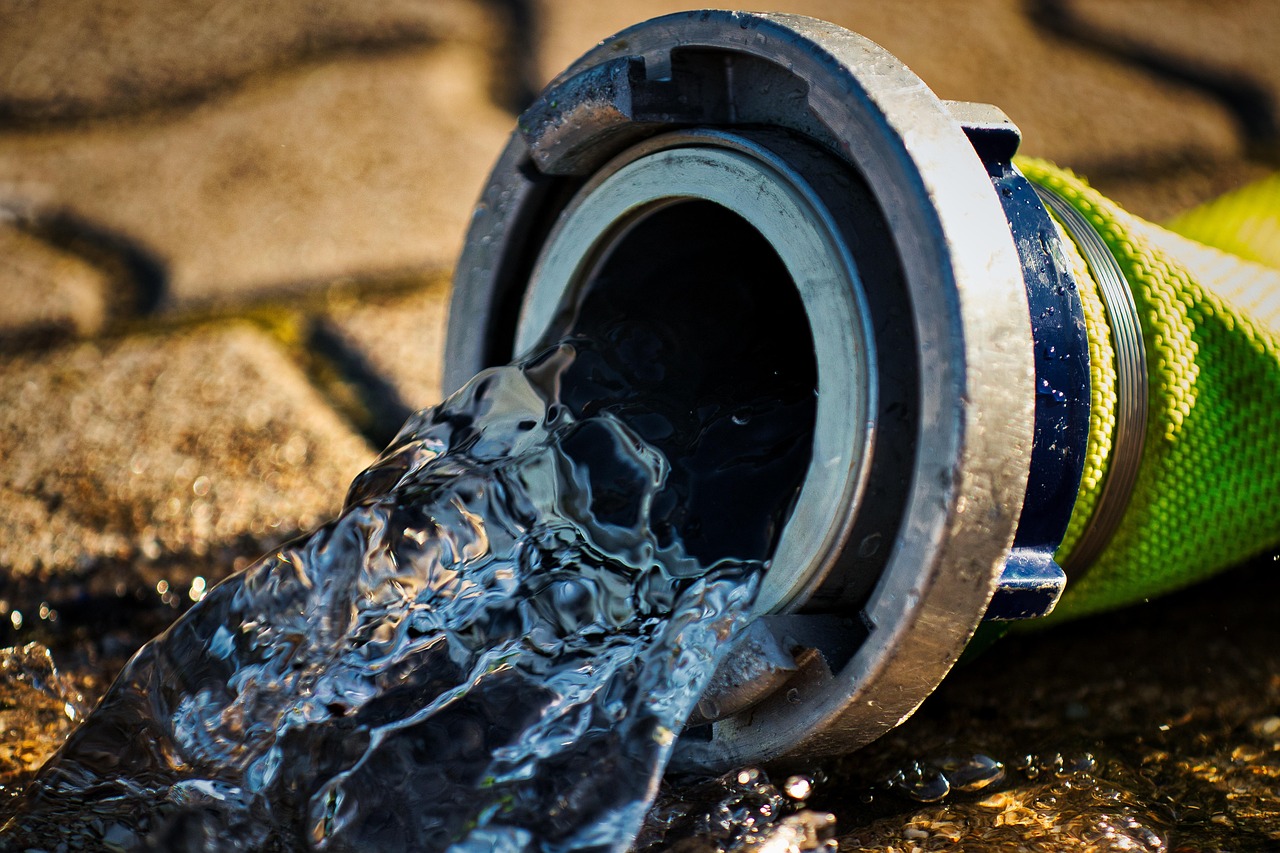
A clogged intake is the most frustrating problem for anglers.
The signs of a clogged intake may work fine, but the fish in the livewell will become increasingly stressed. The cause of these issues is usually some form of debris that get into the through-hull fitting or the intake hose. A small inspection of the intake screen before every fishing trip will save anglers from hours of frustration later.
It takes thirty seconds to inspect the intake screen, and it will save time and trouble later. If the boat include a secondary strainer, it is necessary to also clean that out. For those who fish in lakes with high amount of algae or weedy lakes, installing a larger intake screen with a finer mesh will reduce the amount of water flow but save anglers time and effort in the long term.
4. Poor Water Exchange Rate
Poor water exchange rate cause a series of problems that anglers might otherwise misdiagnose as being caused by low levels of dissolved oxygen or temperature issues. With no fresh water being exchanged in the livewell, ammonia and carbon dioxide will build up in the system. These fish will become lethargic and lose equilibrium.
This problem is seen on boats with livewells that recirculate water but was not constructed for long periods of use. Adding a timer to the livewell or installing a manual valve will help control the amount of lake water that get exchanged in the livewell every hour. If the temperature of the water is above seventy degrees, anglers should perform one complete change of the water in the livewell every thirty minutes.
This might seem challenging with the amount of time it will take to pump the livewell so much. However, the amount of waste product builds quickly in a small livewell. Tournament boats have dual pumps to increase the amount of water that circulates through the livewell.
This benefit allows for one pump to aerate the livewell and another to ensure an even exchange of fresh water from the lake. Faulty wiring can result in many problems in the livewell. The pump might work perfectly when the boat is at the dock.
However, it can fail once the boat begins to move through the water. The wires can corrode or work loose while the boat is in use. This will cause the pump to switch on but not move the water through the system.
Inspecting each connection on the pump system can save anglers from losing their catch to a failing pump. Anglers can use dielectric grease on the pump terminals, replace any cracked wires on the system, and install a dedicated fuse block for the livewell pump circuit. Many professional anglers mount a small voltmeter near the switch for their livewell pumps.
This voltmeter will allow them to see if the pump is receiving proper power. Most of these voltmeter gauge have saved tournament anglers their catch.
5. Overstocking the Livewell
Finally, the last problem involves overstocking the livewell.
This is typically combined with a lack of maintenence. Even the best livewell has limits to the number of fish it can hold. If anglers push the limits of the livewell, the stress placed upon the fish will result in a poor survival rate once the fish are released back into the lake.
Adding one more fish to the livewell than the system can handle will cause a cascade of issues for the fish. The issues will include an increased demand for oxygen that the livewell cannot provide and an increased rate at which the waste in the system fill to the point of being harmful to the fish. Reading a livewell properly takes time and practice.
However, learning how to properly read a livewell like an instrument will eventually become second nature. Anglers should pay close attention to how the fish in the livewell hold their position in the water, observe their gill movement, and pay close attention to the water’s clarity. Water that is not very clear is rarely just not very clean.
Cloudy water typically indicate that the load of fish in the livewell has exceeded the livewell’s capacity. In these instances, releasing the largest or most aggressive species will help ensure that the remainder of the catch has a better chance of surviving the trip and being released alive. By learning these five common problems and their solutions, fishing will become an enjoyable activity for anglers.
The livewell will work for the angler, not against them. The next time anglers start their fishing boat, they can take a few extra minutes to inspect the intakes, the oxygen levels in the livewell, and the biomass of the fish they are catching. Their catch will display lively behavior when they release the fish, and they will spend less time worrying about their livewell and more time reeling in their fish.
The water is waiting for them and their livewells can keep up with their fishing activities.