
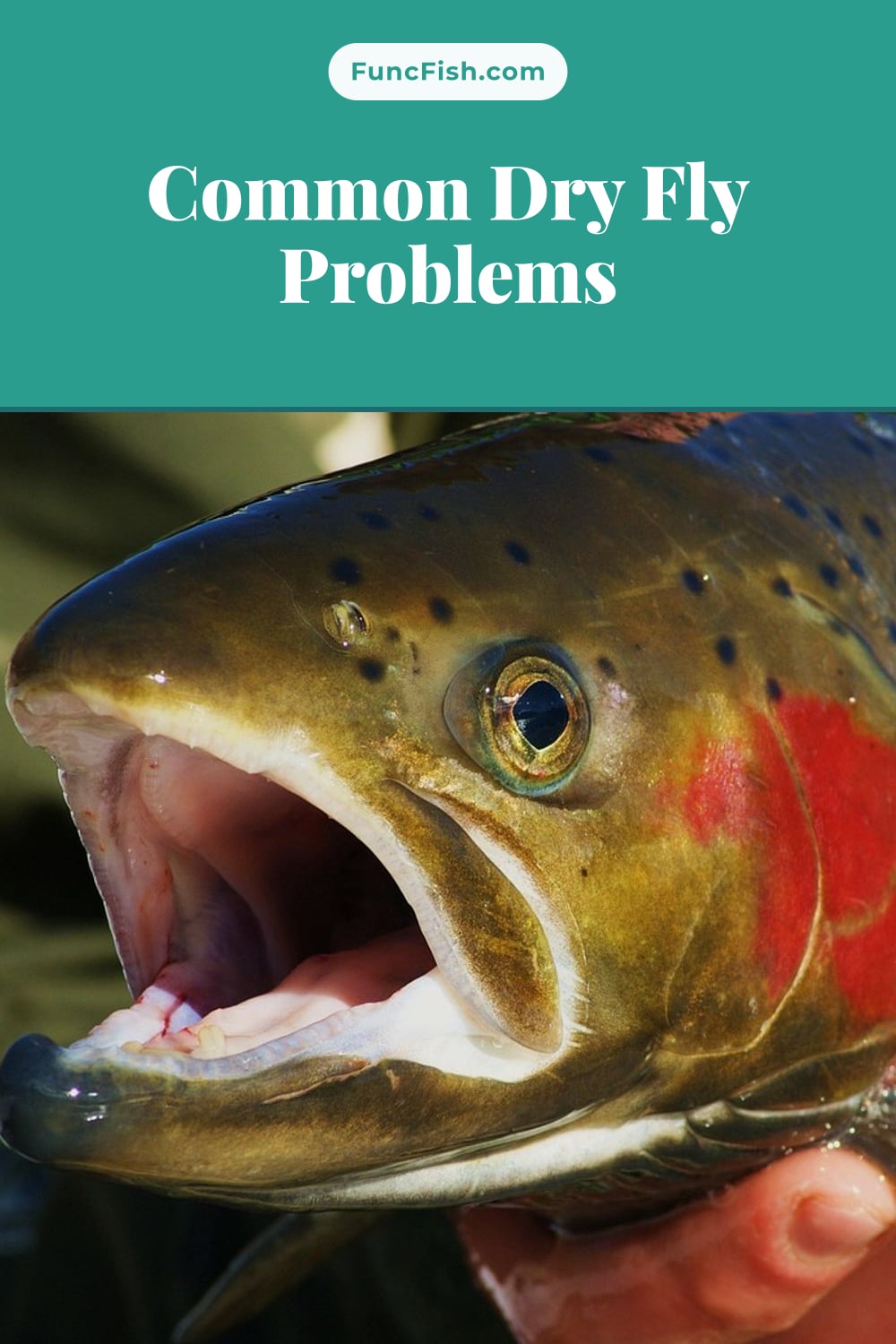
You may step into a river on a morning that is perfect. The waters may slide around your legs like silk. You may tie on a Hendrickson fly that is flawless.
Ten minutes into the day, though, your fly may drag across the water like a water skier. The trout may look like they is laughing at your efforts. Your confidence may quick vanish with the disappearing strike indicator.
Dry fly fishing may look simple to those who observe it from the pages of fishing magazine. In reality, though, a series of frustrations that make up the sport composes dry fly fishing for those who attempt to master it. The difference between those who raise their fish and those who only get wet on the water is based off a few different problems that dry fly fisherman of all experience levels must solve.
These problems exist on every river, from the Beaverkill to the Madison. For many fishermen, though, they only treat these problems symptomatically instead of addressing the causes of those problems. By recognizing each problem and learning how to fix its cause, a dry fly fisherman’s skills will improve at a rate that no fishing rod could ever improve his skills.
Common Dry Fly Problems to Solve
1. Matching the Hatch
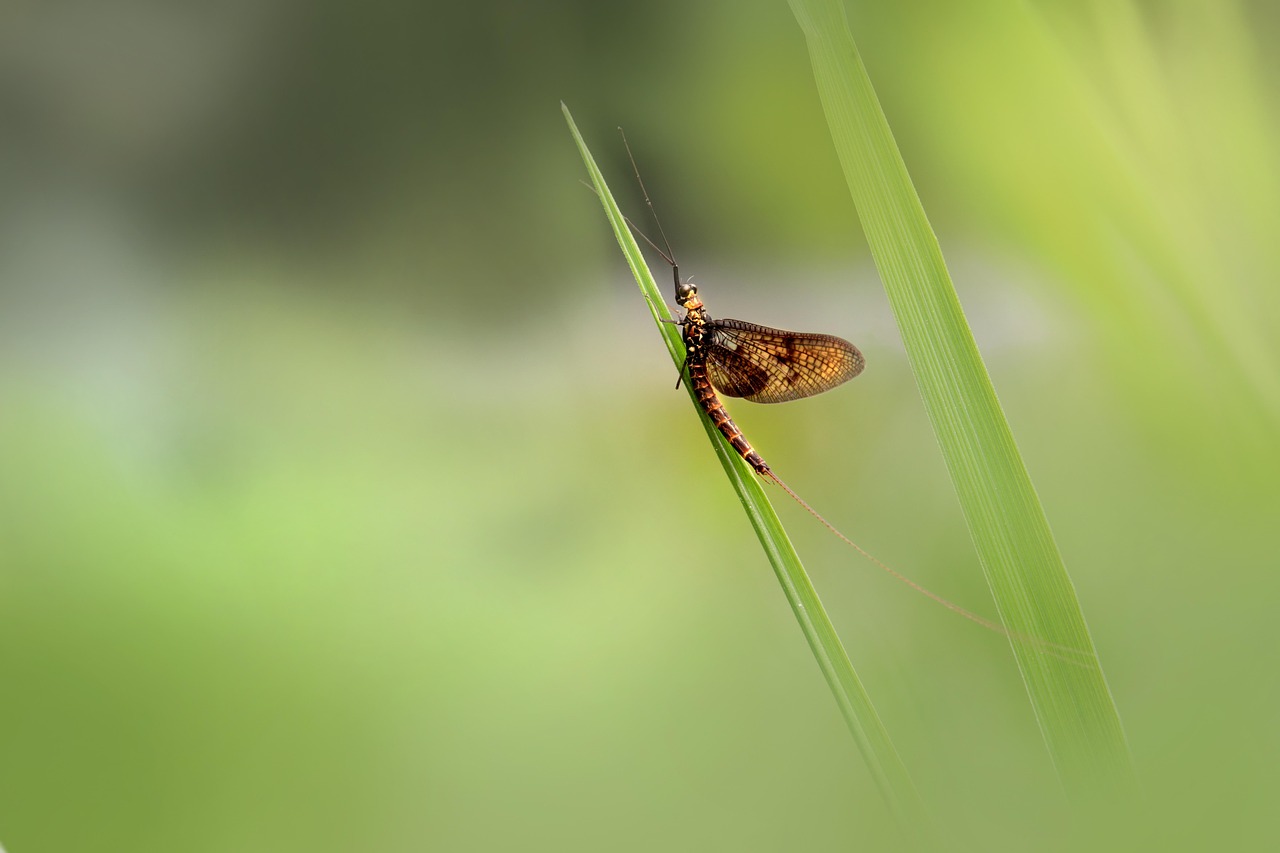
The concept of “matching the hatch” sounds great to most fly fisherman who are still beginning their fishing careers. Unfortunately, though, nine out of ten times the fly that is on the water is close enough to fool the fisherman but not close enough to fool the trout. The trout can see hundreds of insects that pass by in a minute.
Instead of a size fourteen mayfly, the real mayflies can be a size fourteen and a half. Furthermore, the real mayflies may have a different color on the abdomen of the fly. In each of these cases, the trout will either take a sip of the dry fly or reject it altogether.
Ten minutes spent actually netting mayflies will pay off in the end. While the trout will forgive a man for many problems, the trout will never forgive a blatant imitation of the food that exists in the water for them to eat. The second problem for dry fly fishermen is a difficult one to notice when one is fishing.
2. Micro-drag Issues
The problem may look great at the start of a fishing trip, but after ten minutes of fishing with the same fly the fisherman may see the dry fly disappear into a large bubble of water that is actually a fish that did not take the dry fly. The cause of this problem is the phenomenon of micro-drag. Any drag on a dry fly, even if it is minuscule, will cause the dry fly to move at a velocity that the world’s most skilled trout will not recognize as an imitation mayfly.
To fix this problem, dry fly fishermen must adjust their casting techniques. They should learn to use reach casts or parachute casts so that their dry flies have the slack that they need. Additionally, dry fly fishermen should also pay close attention to their leader.
Should the leader begin to straighten out before the fish rises to the dry fly, the fisherman should have an understanding that they are too late. Such problems can be caused by the fisherman’s blind focus on the dry fly pattern that they are using. Visibility issues effect all dry fly fishermen at some point in their fishing careers.
3. Visibility Challenges
Visibility issues are common when the light in the water changes, or when the dry fly fisherman is using smaller flies to fish certain sections of river. A man may strain to see a size twenty midge floating on the water. Eventually, though, he may cease to cast their flies in such instances due to the difficulty in being able to read whether or not a fish took the dry fly.
In these instances, the dry fly fisherman should consider adding a small tuft of brightly colored yarn to their dry flies to improve the visibility of their dry flies. Additionally, using a double rig that incorporates a larger dry fly that is visible to the fisherman will also help in these situations. Now that the fisherman has a better sight picture of their dry fly, they can monitor the drift of the dry fly, correct for drag before it occurs, and be ready to set the hook the moment the fish commits to the dry fly.
Wind is one of the eternal enemies of the dry fly fisherman. The wind may push the fisherman’s line, the fisherman’s leader and the dry fly itself. Most dry fly fishermen may fight the wind by casting harder into the water.
4. Wind Resistance
This, though, only makes the fisherman’s problems worse. Instead, the fisherman must learn how to change the way that they approach the water when the wind is against them. Shorter casts can be used when it is possible to do so.
Fishing closer to the fish with more line off of the water will allow for better control of the dry fly. Additionally, fishmen can learn to cast with their opposite hand to keep the fishing rod on the downwind side of the fisherman’s body. These techniques will allow the dry fly to stay on target instead of the wind blasting it across the water.
Additionally, since the wind can effect the movement of mayflies, the dry fly fisherman should also learn to read the wind to be able to find the fish instead of cursing the wind that opposes them. Presentation depth is one of the problems that effects all the dry fly fisherman at some point in their lives. When the light changes or when the dry fly fisherman changes the type of flies that they use, many problems can arise related to the depth at which their dry flies are presented to the water.
5. Presentation Depth
Many dry flies may not have a proper presentation depth because of the hackle on the fly, dubbing on the dry fly or because they have used too much fly floatant before the fishing trip. Before blaming the fish, a dry fly fisherman should take a moment at home to experiment with their dry flies by floating them in a glass of water. The dry fly should have the same presentation as the real insects that were caught earlier that day.
If it does not, there is a problem with either the flies or the way that they were treated. A light dusting of powdered desiccant will fix a waterlogged dry fly instantly, but preventing waterlogging is the best method. The fisherman should use dry flies that have the correct amount of hackle for the type of water that they are fishing in.
On flat water, a fisherman should use dry flies with sparse hackle. For areas with choppy water, though, bushier dry flies will be easier for the fisherman to see. Like with all aspects of dry fly fishing, the trout are reading the fisherman’s dry fly like a book; he should take care to ensure the dry fly does not look like a sinking fraud.
6. Hook Setting Technique
Hook setting for dry flies is another skill that many dry fly fisherman struggle to perfect. The temptation for a dry fly fisherman when a fish takes the dry fly is to immediately set the hook and reel in the fish. This type of hook setting will, however, most likely pull the hook out of the fish that was still in the decision making process of whether or not it would eat the dry fly.
Dry fly takes are much gentler than many fisherman anticipate. What may look like a splash may be a fish taking the dry fly and ejecting it from its mouth. The fisherman should perform the hook set after the fish has turned downward in an attempt to eat the dry fly.
Counting to “one Mississippi” in one’s head before performing a hook set can prevent fisherman from setting the hook too soon and ending up with nothing but a wet fly and a sore shoulder. Mastering this skill will result in the fisherman landing more fish, increasing his confidence in his skill in the future. The last problem that a dry fly fisherman should overcome is the inability to be persistent with the wrong type of dry fly.
7. Lack of Adaptability
Many dry fly fisherman become too attached to the dry fly that they used the day before when they landed a few fish. In these situations, a fisherman may stick to that same dry fly for hours. Trout feeding habits can change in a matter of minutes.
If a man has spent ten minutes in one area of the river without a single fish seeing the dry fly, he should change to a different type of dry fly. Instead of changing to a dry fly that is similar to the one being used, though, he should change to one that is different in a meaningful way. This act will force the dry fly fisherman to pay closer attention to the water.
This observation will reveal to the fisherman the type of dry fly that the fish want to eat. Persistence will catch fewer fish than adaptability in the fishing game, and this is true every single time. These problems will never entirely disappear from the lives of dry fly fishermen.
Even the most experienced guides will struggle with drag on the worst of the currents in the river. Additionally, the most experienced guides will miss a few fish that take at the dry flies that they cast. The difference between these experienced fishermen and the new fishermen, though, is that the experienced fishermen have learned to expect these issues to occur.
Furthermore, they have a checklist in their heads of the solutions to each of these common problems. The next time that a man takes a few minutes to fish in his favorite stretch of river, he should utilize this checklist to recognize the one problem that is causing his frustrations. The fish will still be waiting for him once he has mastered each problem in his checklist.
There is no better feeling than catching a fish after a few frustrating minutes of trying to land a catch.