
Fishing with pyramid sinkers can be difficult. It is easy to clip on one pyramid sinker to your fishing line, to cast it out into the water, and to wait for the sinker to settle onto the sea floor. However, the frustrating reality are that your pyramid sinker may not stay on the sea floor.
Instead, your sinker may tangle with your fishing rig, your lead weights may falls off the line, and the fish may not show an interest in the bait that you have attached to the line. Many anglers do not take the time to learn how pyramid sinker work, what their characteristics is, and how they might cause these difficulties for the angler. The lack of knowledge of pyramid sinker characteristics costs the angler valuable time, valuable tackle, and even fish.
However, the frustration that every angler feels when using pyramid sinker has a cause and a solution. By overcoming these issues, the angler will stop fighting against the pyramid sinker, and start utilizing it to their advantage. Anglers utilize pyramid sinkers in areas of the sea with strong currents.
The shape of the pyramid sinker will force it to bury into the sand or mud on the sea floor. Additionally, the shape of the sinker will hold the sinker in place against the current that move through the water. However, these same characteristics of the pyramid sinker can create some problems for the angler when fishing.
The information that follows detail how experienced fishermen are able to solve these problems.
Common Problems When Using Pyramid Sinkers
1. Using the Correct Sinker Weight
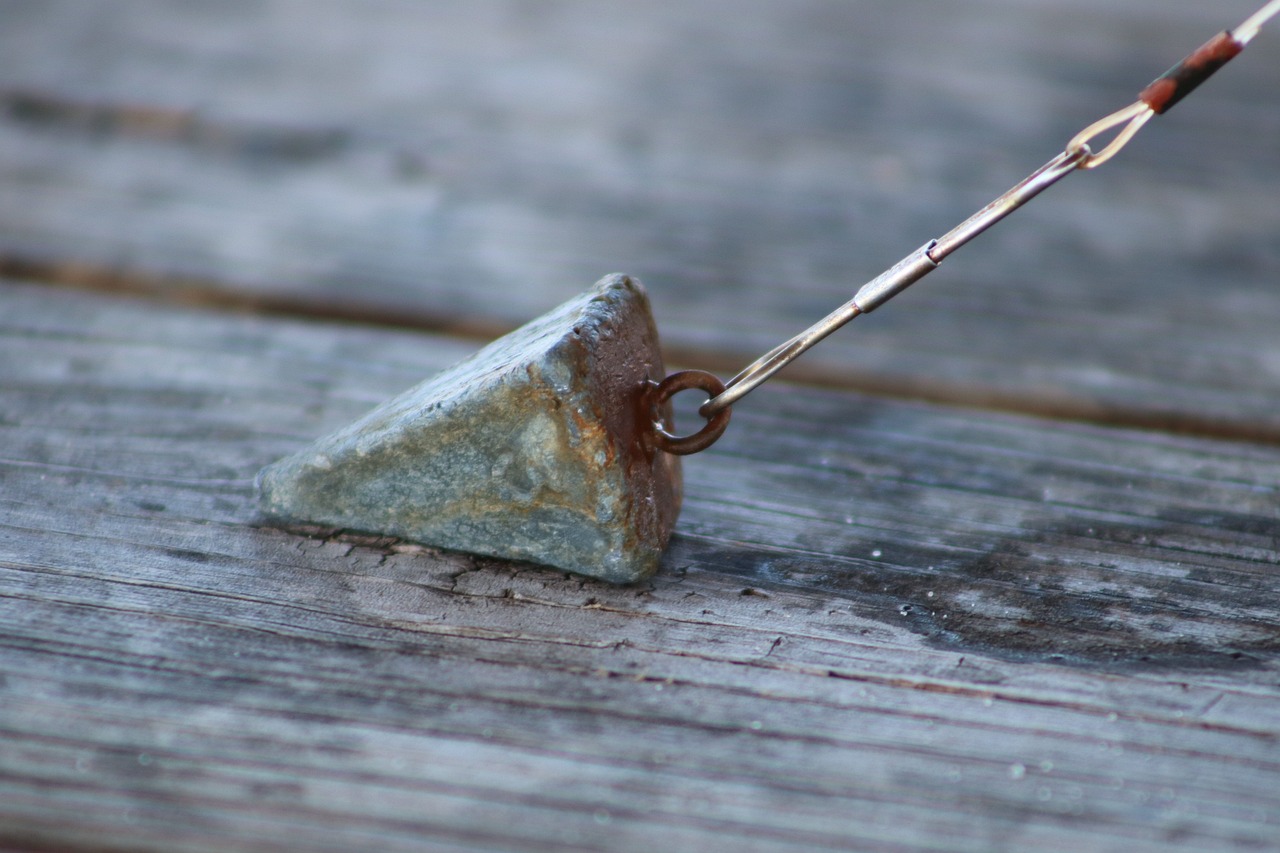
One problem experienced by fishermen with pyramid sinkers is that the sinker may drag along the sea floor in strong tide or strong surf. This is usually due to the angler using a pyramid sinker of the wrong weight.
For example, a three ounce pyramid sinker may be sufficient for casting into four feet of water when standing on the beach. However, the same three ounce sinker may feel like a kite when cast into four feet of fast-moving water. The solution to this problem is for the angler to use the lightest pyramid sinker that will maintain contact with the sea floor.
The angler can determine if their pyramid sinker is too light by watching the tip of their fishing rod. If the tip of the rod continuously titches as the passing wave push against the fishing line, the sinker is rolling on the sea floor. In this situation, the angler should add half an ounce of lead weight to the sinker and cast the line again.
This will help the sinker maintain its position on the sea floor, and it is during these moments that the angler will begin to feel bites from the sea life. Another problem is that the line may become twisted due to the movement of the water. The pyramid sinker will turn with the current in the same way that a weathervane turns with the direction of the wind.
2. Reducing Line Twist with Swivels
The continued movement of the sinker will create a twist in the fishing line that makes the rig look like a telephone cord. The angler will feel resistance in the line or the line may have created a series of loops above the swivel indicating that the line has become twisted. A barrel swivel can be added to the fishing rig above the pyramid sinker to reduce the line twist.
However, the angler must use the correct size of the swivel. Many anglers use the smallest size of swivel available. However, the smaller the swivel, the more friction that will develop between the line and the swivel.
Additionally, a smaller swivel will fail as a support structure for the fishing line sooner than a larger size of swivel. The angler should utilize a swivel that is one size heavier than they think they need. Additionally, an angler should use a ball bearing swivel when fishing with live bait or using braided fishing lines.
These seemingly small differences in the equipment can be noticed during the three-hour fishing period when each angler has avoided having to retie their fishing knots. Another problem that fishermen experience is that their gear can become caught on objects on the sea floor. The pointed end of the pyramid sinker is beneficial for maintaining the sinker in the sand.
3. Getting Unstuck from Rocks and Crevices
However, the pointed end can also become stuck between rocks or within crevices in the sea floor. When a pyramid sinker becomes stuck in a crevice in the sea floor, a direct pull on the line will bury the sinker further into the object. A more efficient technique is for the angler to change the angle from which the line is pulled.
Twenty paces down the beach the angler can pull on the line from the side of the fisher. This will usually help to free the sinker from the crevice. Additionally, on days when the angler fishes in an area with many rocky area, a bank sinker can be used in place of a pyramid sinker.
Using different types of sinker will not only prevent the angler from losing their fishing gear, but it will also prevent them from becoming frustrated when their gear is lost. The fishing bait may not present well when using pyramid sinkers. If the pyramid sinker rolls onto its side, it will lift the bait off the sea floor.
4. Improving Bait Presentation
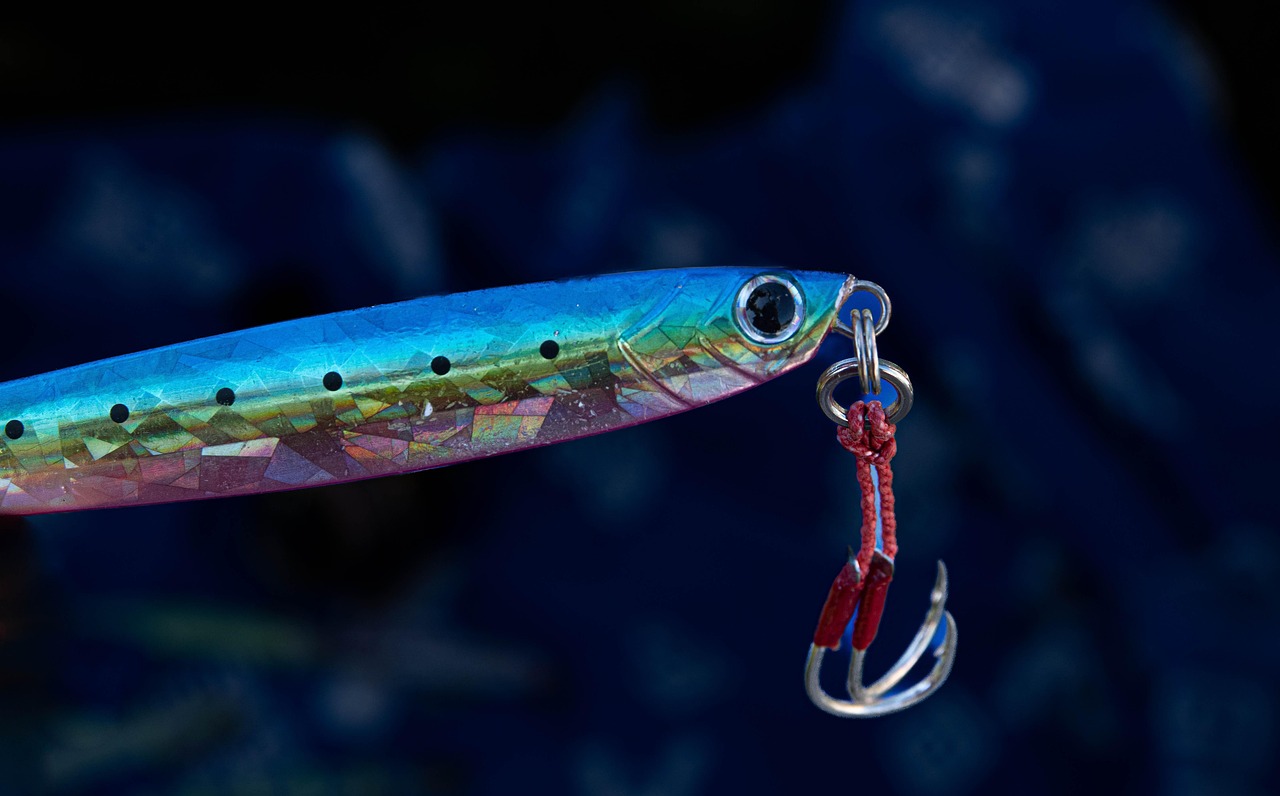
Additionally, the bait that is lifted will wave in the current in the sea floor. Sea life that passes the area will miss the bait entirely. To avoid this problem, the angler should tie the hook to a dropper loop that is located eight inches above the pyramid sinker.
Additionally, some fishermen will place a small piece of foam or a small float on the fishing line to keep the bait from rising above the sea floor. This slight adjustment will make a big difference when fishing for flounder or whiting as these fish feed on the sea floor. Another problem with pyramid sinkers is that the line may feel heavy when the angler begins to reeling in the line.
5. Managing Sand Suction During Retrieval
This heavy feeling in the line is due to the wet sand that gets in the pyramid sinker. Additionally, the faster the angler begins to reeling in the line the more sand that will get into the pyramid sinker. To avoid this problem the angler should slow the retrieve of the line.
Additionally, the angler should pause the reeling in the line every few turn of the reel. This will allow the water to flow around the pyramid sinker and the sand to be washed away. Additionally, if the angler still feels heavy resistance in the line they should drop the tip of their fishing rod and give the line a short sideways snap.
This will break the suction between the sand and the pyramid sinker without having to pull on the hook to extract the fish from its mouth. Fishermen may lose their pyramid sinkers at the surf line due to a lack of knowledge of how to properly cast with pyramid sinkers. Due to their weight, pyramid sinkers sail well when cast into the water.
6. Using the Lob Cast Technique
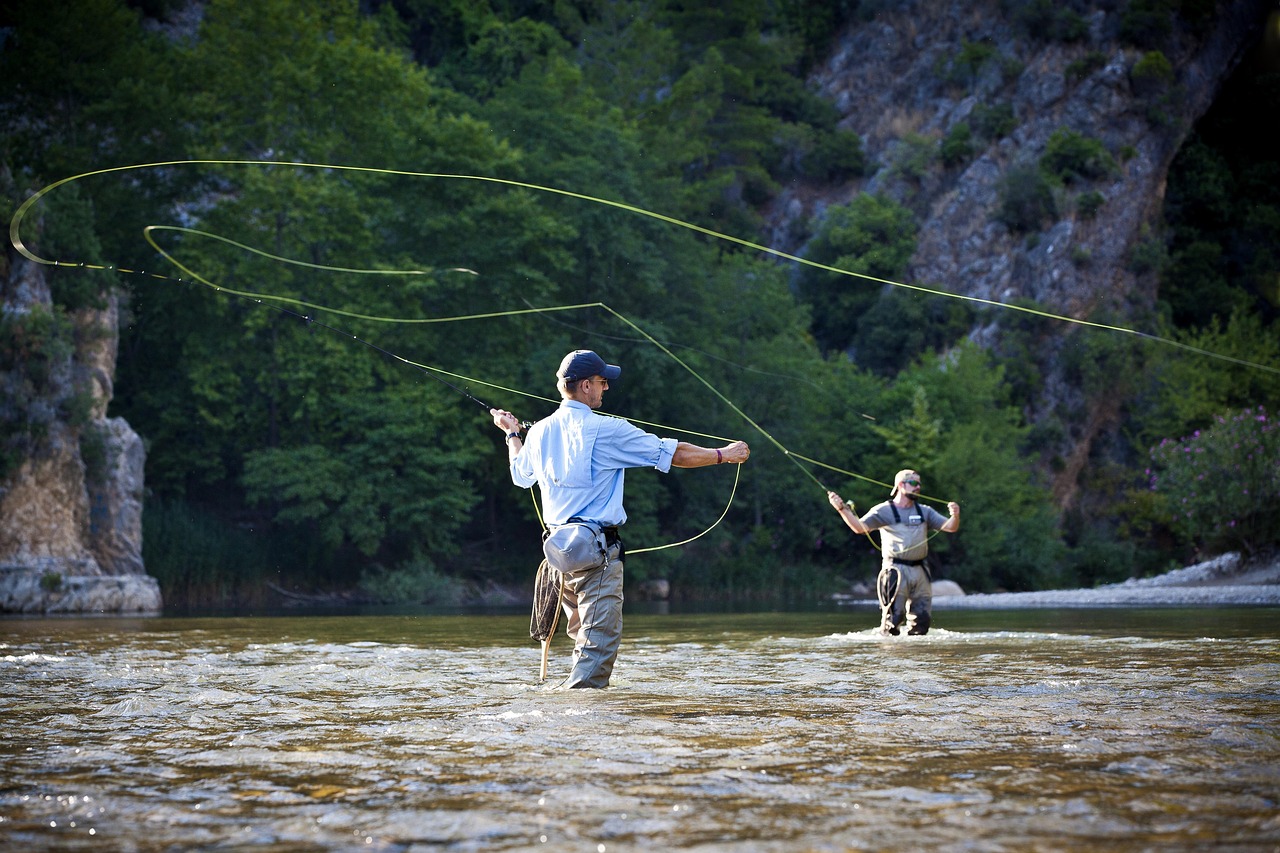
However, the flat sides of the sinker can catch the air and cause the fishing rig to tumble into the air. An angler can utilize a lob cast with pyramid sinkers instead of a fast overhead casting motion. By holding the fishing rod at ten o’clock and swinging it smoothly until the tip of the rod is pointed at two o’clock the sinker will travel nose-first to the sea floor.
Although the angler may lose a bit of distance with this casting motion, it will allow the sinker to land softly on the sea floor and be reliable in each cast. Another problem for fishermen that use pyramid sinkers is that color blindness in the water. A plain lead pyramid sinker will disappear against the sand or against the murky ocean water.
7. Making Sinkers Visible with Color
The fish will not see the bait and will not interest in it. Many fishermen do not think of painting their pyramid sinkers until they see others out fishing and catching fish with bright orange or chartreuse pyramid sinkers. Adding a small amount of spray paint or nail polish to a pyramid sinker will help the fish to see the bait.
Some claim that the color of the sinker will spook the fish. However, the color acts as a beacon for the fish to the hook that is located just above the pyramid sinker. Having just one painted pyramid sinker in your fishing bag will make a big difference in your fishing efforts on bright days.
The knots on the fishing line may fail when the angler experiences bad moments. For example, pyramid sinkers can place strain on the knots when a fish is hooked and a wave pulls on the line. The common knot tied by fishermen is the overhand knot.
8. Using Stronger Knots for Surf Fishing
This works well in calm bays however, when the fish are hooked the strain on the knot can cause it to fail. A Palomar knot can be used to attach the swivel to the main fishing line. Additionally, a uni knot can be used to attach the leader to the swivel.
These knots will remain tight when being used in the surf. It will take a few extra seconds to tie these knots properly but it will save the anglers fishing rig and the fish that they were trying to catch. One final problem for fishermen using pyramid sinkers is that they may hook a good fish but the weight of the sinker will pull the fish free from the hook during the fight with the angler.
9. Utilizing a Breakaway Sinker Rig
The same strength that holds the sinker to the sea floor will work against the angler when the fish begin to run. An experienced surfcaster will use a breakaway sinker rig when they are fishing for big fish. A small rubber band or light line will hold the pyramid sinker in place when fishing.
When a fish takes the bait the rubber band will snap, and the sinker will slide off the hook. This will allow the angler to have better control of the fish. Although the angler will lose one sinker for every fish they catch it will be worth the additional lead weight in their fishing bag.
By mastering each of the above problems and workarounds for pyramid sinkers the angler will transform the sinkers from a nuisance into an essential piece of fishing gear that they use in their surf fishing bag. The next time that their fishing rig has difficulties with staying in place or the line becomes snagged it is helpful to use this checklist. By making a few changes to the weight of the sinker, the type of knots used, and the angle of the cast it will resolve the problems that were experienced.
Regardless of the type of sea floor, the fish will continue to feed and the angler to remain connected to both the sea and the fish. This connection is the feeling that every angler desires to experience when they go fishing.