
Fly fishing is a seemingly effortless activity that is commonly seen in the video available online. In these videos, the angler successfully fishes the river for trout with a bait fly that the trout take without hesitation. However, when you go fish the river with your own gear, it may not work out the same for you.
You may find that the fly do not land correctly on the water, the leader gets tangled in your line, or you may even miss the hook set on the trout. All of these problem have specific causes, and many of them are the same problems that experienced anglers struggle with when they are fishing with streamer flies every single season. Streamer fishing involves flies that look like the baitfish, crayfish, or the leeches that lives in the river.
For streamer flies, the angler use a different mindset than when fishing with dry flies or nymphs. With streamers, the angler must strip the fly, swing the fly, or jig the fly back and forth to mimic the movement of the bait that the trout eat. Because the trout will react to the streamer fly based on the actions of the angler, any mistake will ruin the fishing experience for that day.
The good news is that most of these mistakes can be fixed while you are on the water during your fishing trip. There are several causes of the most common problems that anglors experience while using streamer flies. These causes include the wrong fly size, using the same fly that worked the last fishing season, not getting the streamer deep enough, line tangles when stripping the line, incorrect retrieves, incorrect hook sets, using the wrong leader, using the wrong color for the streamer flies, and the hook point being not sharp enough.
Common Problems When Using Streamer Flies
1. Wrong Fly Size
The issue of using the wrong size of streamer fly can cause the trout to spook and not take the fly. A size 2 woolhead sculpin may look great in the vise where you are tying the fly, but it may sink too quick in areas of the river with shallow water. Alternatively, a size 8 articulated fly may look great for the vise, but it might be too small for large trout in a river with high water levels.
2. Using the Same Fly Every Season
Many anglers use the same type of streamer fly that worked the last fishing season, whether the conditions in the river have changed. In clear, low waters, a smaller, slimmer fly will work better. In high water after rain events, a larger streamer fly will work better.
Anglers must get in the habit of matching the hatch with the baitfish that live in the river.
3. Not Getting the Streamer Deep Enough
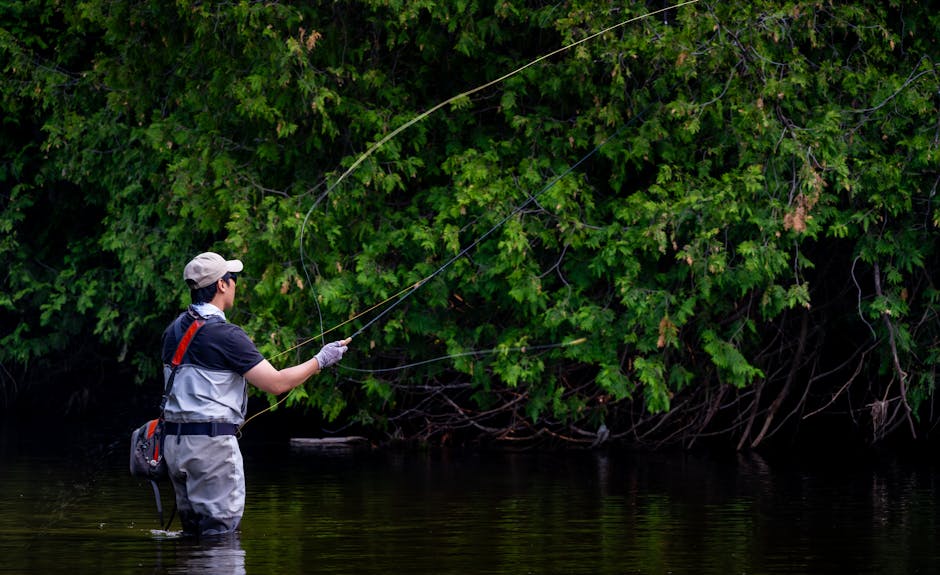
Another mistake that many anglers make is not getting the streamer fly deep enough into the water. Trout will not chase a fly that is too close to the waters surface.
Many anglers use a floating fishing line when they begin to cast their line. However, a heavier sink tip line or a full sinking line will get the streamer fly deep into the river’s waters where the trout live. Additionally, using a heavy tungsten bead or a cone head will help to ensure that the streamer fly goes deep into the water.
Once the streamer fly reaches the same height as the fish in the water, the same pattern that the fish have ignored will become irresistible to the fish.
4. Line Tangles While Stripping
Many anglers also struggle with the tangles that their line develops when they are stripping the line while casting. Anglers may strip the line with their noncasting line hand and create several line loops at the angler’s feet.
Then, when they try to shoot the line to the fishing spot, the line may become entangled. The cause of this is most likely an uneven slack in the fishing line. The best way for streamer flies to work is with a short and sharp strip and long pulls.
Anglers must find a way to keep the line from getting entangled so that this rhythm can be maintained. Experienced streamer anglors often place the fishing line over one of their fingers or use a stripping basket under the line. Using these two method will lead to a clean fishing line that allows the angler to react faster to the fish that eat the streamer fly.
5. Monotonous Retrieves
Another issue with streamer flies is with the retrieve. Most streamer anglors set a retrieve routine that is too monotonous and looks like something that is not alive in the water. The baitfish that streamer flies imitate do not move in the same way that a monotonous retrieve portrays the movement of the life under the water’s surface.
Anglers can fix this by varying the length and speed of the strip when fishing with streamer flies. Additionally, the end of the cast swing is critical. Trout will often take the streamer fly when it is rising toward the surface of the water.
If the angler performs the same retrieve that was used earlier in the fishing trip, the trout will not believe that the streamer fly is alive and will not take it. Therefore, the angler should vary the retrieves to get the fish interested in the fly.
6. Incorrect Hook Sets
Another problem with streamer flies is with the hook sets. Streamer flies require more force with the hook set than dry flies because the fish is usually moving toward the angler or across the river’s current. Additionally, the materials in streamer flies are usually soft and bulky. Setting the hook too soon will pull the fly out of the mouth of the fish.
Setting the hook too late will cause the fish to spit the fly out of its mouth. The best time to set the hook is the moment that the angler feels the weight of the fish on the line. A strip set will work better than a trout set for streamer flies.
A strip set involve the angler sweeping the fishing rod low and to the side while maintaining tension on the line. The strip set will ensure that the hook of the streamer fly goes home better than a trout set. Anglers should practice this strip set motion on the grass before they begin to fish with streamer flies.
7. Using the Wrong Leader
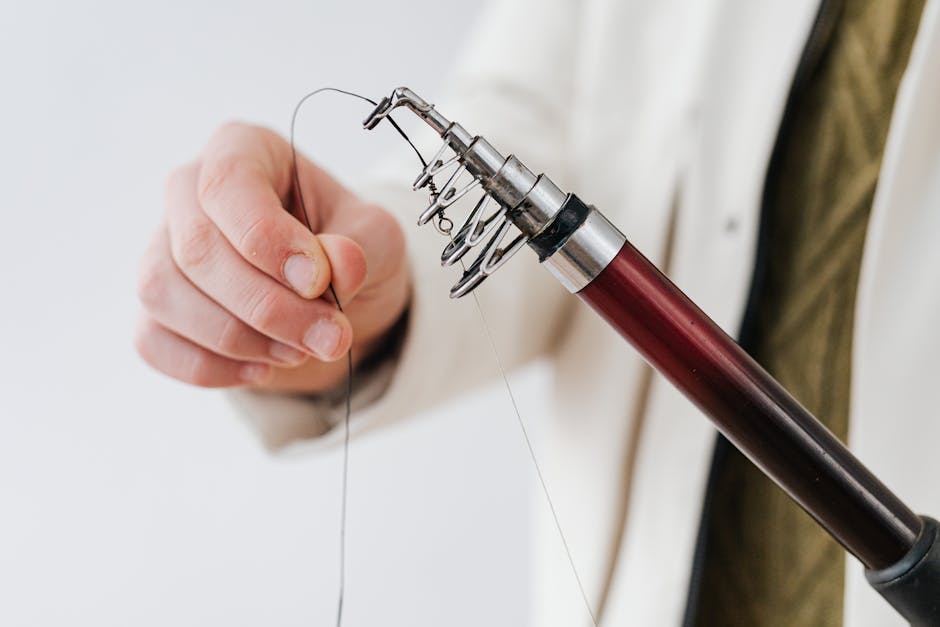
When a large fish takes the streamer fly, a fish’s muscle memory will determine whether the angler successfully lands the fish in the water. Using the wrong leader and tippet will ruin more streamer fishing trip than almost any other problem. When using a delicate leader and tippet, it is impossible to cast a weighted streamer fly without ruining the fly’s presentation.
The leader will collapse upon being cast, and the streamer fly will land in a heap on the water’s surface. Anglers will do much better using shorter and stouter leaders of three to five feet in length and using 0X or 1X fluorocarbon fishing line. This type of leader will allow the streamer fly to turn over well when cast into the water, and it will allow the fly to transmit the force of any fish that strike it.
While using this type of leader will destroy the finesse that some anglors have with their streamer flies, the lack of finesse isnt the goal with streamer flies. The goal is to get the fly to move in the same way that a baitfish moves in the river.
8. Wrong Color Selection
Many anglors are lazy with the colors of the streamer flies that they use. Some may use a black and olive pattern of streamer flies because it worked well in another location or in different water conditions. When using tannic water, the fish will ignore the black and olive streamer flies. Instead, bright colors such as chartreuse or orange will stand out against the dark water.
Dark colors such as black, purple, or olive work well in bright sunlight. White colors will mimic the belly of a baitfish when the light in the water is low. Anglers should have a few different colored streamer flies in their selection.
When they do not get any fish takes after twenty good casts with a streamer fly, they can switch the color of the flies that they are using. Trout that have seen the same color of streamer fly all season may take a different color that stands out in the water.
9. Dull Hook Points
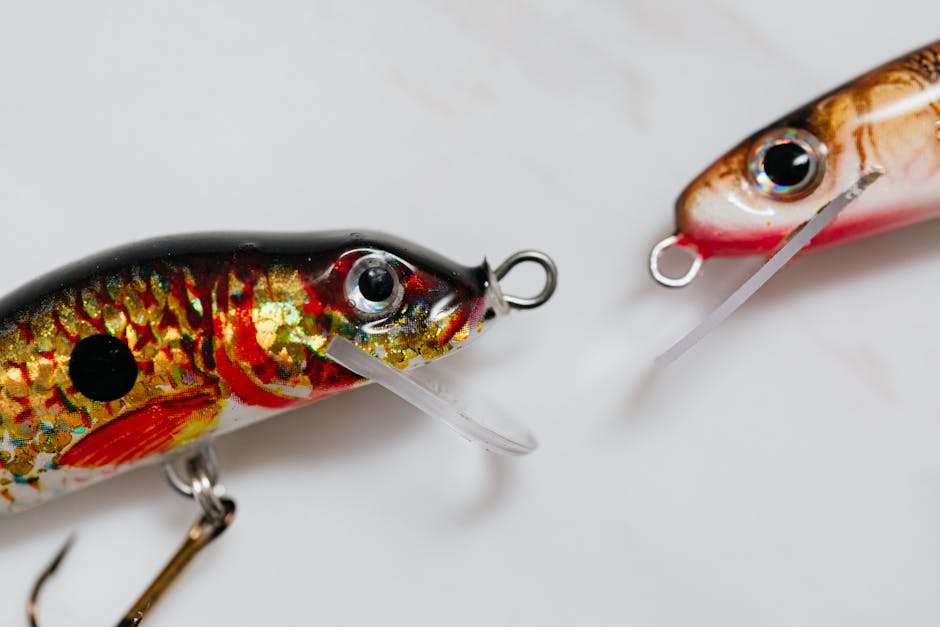
Finally, many anglers easily ignore the hook point on streamer flies. Streamer flies get cast into rocks, bounced off of logs, and can get stripped through heavy cover in the river when fish strike the flies. The point of the hook can become bent or dull during these processes. Anglers must take time between fishing trips to ensure that the point of the hook is sharp enough to penetrate the flesh of a fish.
If the point of the hook does not catch the fingernail of the angler when dragged across the fingernail, the hook should be sharpened or changed. By taking this few moments to ensure that the hook point is sharp, an angler will prevent the loss of more fish than any other techniques that they use when fishing for trout with streamer flies. When properly taught and understood, each of these problems with streamer flies will have an easy fix for the angler.
By knowing the causes of these problems, the angler can adjust their techniques to ensure that their streamer flies will work better for them. Streamer flies are large enough to show all of the angler’s flaws when they are fishing. However, by properly fixing the problems with a streamer fly that the angler creates for themselves, the fish will take the flies and the fight with the fish will be unforgettable experiences.
The next time that the trout are not taking the bait or the nymph bite is slow, try tying on a streamer fly and using this mental checklist for streamer flies to fix the most common problems. More often than not, a few adjustments will make a big difference in the angler’s day. The fish are in the water and waiting to be fed by the angler who stops making it easy for the fish to say no to their efforts with the streamer flies.