
Wet-fly fishing can provide a feeling of magic when anglers stands in moving water and cast their wet flies upstream or across the current. Anglers feel the line tighten as a living creature decides to take a meal from the offered wet fly. However, the feeling of magic quickly dissapears when wet flies do not behave correctly for anglers.
Poor behavior from wet flies manifest itself in several forms. One could experience soggy messes during every backcast. Anglers may find themselves frustrated when their flies dont find purchase on the fish.
Trout may follow the wet flies but refuse to eat them. These frustrations are among the most common yet experienced so often by wet-fly fishers that they have become rites of passage for those who fish with wet flies. However, the good news is that there are only a few problems that causes these frustrations; consequently, they are easy to identify when anglers know what to look for on the water.
Understand the problems with wet flies will not only help anglers to avoid losing their fish but also allow them to better read the water, understand how to construct their leader, and recognize the various objects that the trout recognize under the water. The list below will detail the problems that affects wet flies, the causes of these problems, and the actions that experienced anglers take to avoid encountering these problems. Work through these problems during the next few fishing outings, and you will experience a noticeable improvement in your fishing effort with wet flies.
Common Problems When Fishing With Wet Flies
1. Incorrect Sink Rate
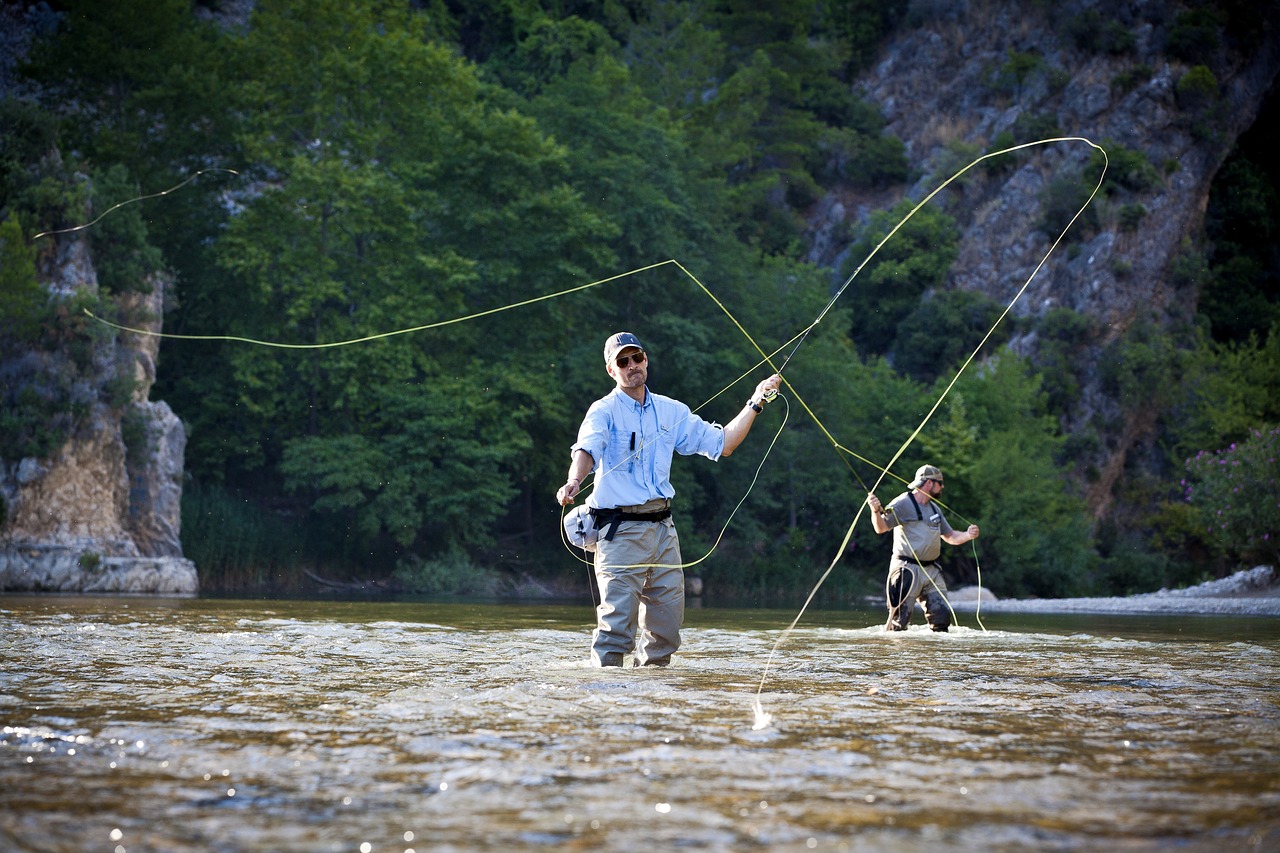
One problem with wet flies is that anglors often find the sink rate of their wet flies incorrect as the fish do not find the fish. This problem is one of the most frequently described by new anglers who are experiencing problems with wet fly fishing. Many anglers will find themselves drifting their wet flies through a riffle where trout are feeding but will not experience any success in catching any fish.
The problem with wet flies occurs because the flies are riding too high in the water column. Wet flies must sink quick to the trout that are feeding and must reach the feeding level within the first few feet of their drift. A common fix to this problem is adding split shot to their flies six to eight inches above the fly.
However, the added weight of the split shot may spook the fish that are feeding at a high rate. Instead, use a fly with a wire body or lead wrapped shanks or heavy bead heads. In cases where the trout waters are very clear and low in elevation, even a small bead may spook the trout.
In such situations, use unweighted soft hackle flies but drift further into the trout feeding zone. The extra amount of time that the fly is in the water will accomplish what the added weight would have achieved when using split shot to weight the flies. Mastering the art of properly weighting wet flies depends on understanding the depth of the water versus the speed of the current.
Once anglors understand these two variables, they will no longer have to guess at proper weighting.
2. Leader Tangling
Another problem with using wet flies is that the leader for the flies begins to tangle with each cast of the flies. This is a frustrating problem as anglors must often peel bird’s nests out of their tippet lines while standing in the water.
The cause of this problem is usually the thickness of the leader or the diameter of the leader. Flies that have hackle or wings will tangle with the leader if the leader is too thick or features abrupt changes in its diameter. For most trout fishing efforts, use a tapered leader between 5X and 6X with a foot or two of matching tippet.
Some anglers prefer to use a two-fly rig that features a dropper tag in the middle of the leader. Using a dropper tag will cause the upper fly to tangle with the leader if the dropper tag is too long. Limit the length of the dropper tag to four inches.
Additionally, use a slow casting stroke. This gives the leader time to straighten out before it is cast, thus avoiding tangles. This stroke may seem unnatural at first, but it will reduce the number of times the leader will tangle during fishing efforts.
3. Waterlogged Flies
A third problem that anglors may experience with using wet flies is that the flies get waterlogged and lose all of their action. The best looking wet flies will become lifeless and lack action after only a few casts. This is caused by the fact that most traditional wet flies are tied with soft materials that absorb water very quickly.
Once they are saturated with water, they sink but no longer have the action to mimic the movement of insects in the water. An old school method to revive the action in the wet flies is to perform false casts to work the water out of the hackle and dubbing of the flies. This method will work but will spook the fish in flats and strain the angler’s arm.
A better solution for moddern anglors is to treat the wet flies with a light coat of watershed or another similar product before casting. Ensure that the product does not make the body of the fly float out of the water. The trick is to only use enough product to ensure that the hackle does not absorb water from the fish in the water.
Additionally, carry two versions of the same pattern of wet fly. Ensure that one version is weighted and the other is unweighted. If the action of the fly dies, simply switch flies, as this often produces success where the older pattern failed.
4. Dull or Incorrectly Angled Hooks
One small change in technique can create an afternoon of success with wet fly fishing. A fourth problem with wet fly fishing is that the hook points of the flies are dull or incorrectly angled. This causes fish to come unbuttoned and leave the angler frustrated with the lack of fish.
Many commercial wet flies come with hook points that are either too fine for rocky river bottoms or the hooks have been bent during packaging. Before tying the flies on the fishing lines, anglors should run their fingernail across the hook point. If the hook point does not catch on their skin, they should spend ten seconds using a hook hone to sharpen the hook point.
This silent thief among anglors can cost fish that are landed. Additionally, the angle of the hook matters. Most traditional wet flies are tied with the point of the hook riding up over any snags in the river bed.
This same orientation makes it difficult for the hook point to penetrate the trout’s mouth. Some anglers may use offset hooks or use circle hooks for their swing fishing efforts. This will lose a few fish but will avoid deep gut-hooking the fish which harms the fish.
This is a fair trade, especially if anglers are using catch-and-release techniques while fishing. Anglers of all experience levels should sharpen the flies that they tie and check their flies after every fishing outing, especially if they used rocks or logs in the fishing effort.
5. Difficulty Controlling Depth and Drift
A fifth problem with using wet flies is that anglors cannot control the depth and drift speed of the flies at the same time.
This problem is exhibited when fishing across the current. If they mend the line, the fly will rise in the water. If they allow the fly to move at the speed of the current, the fly will pass the trout in the area where the trout are feeding.
For this problem, anglors will want to use a leader that will allow the fly to reach the bottom and maintain control over the floating line. For anglors who use wet flies, many add a section of sinking line to their fishing line. Others use sink-tip setups for the deeper runs of their trout.
For traditional anglors who prefer their lines to remain all-floating, they can learn to use high-sticking or belly casts. High-sticking allows the line to remain in direct contact with the flies but allows the flies to tick along the river bed in shallow waters. Belly casts allow the fly to be set free to be pulled down by the current but allows the line to retain a natural swinging motion of the flies.
Both techniques will take time to learn but anglors who master these techniques will stop fighting the water and begin to work with the water.
6. Subtle Strikes
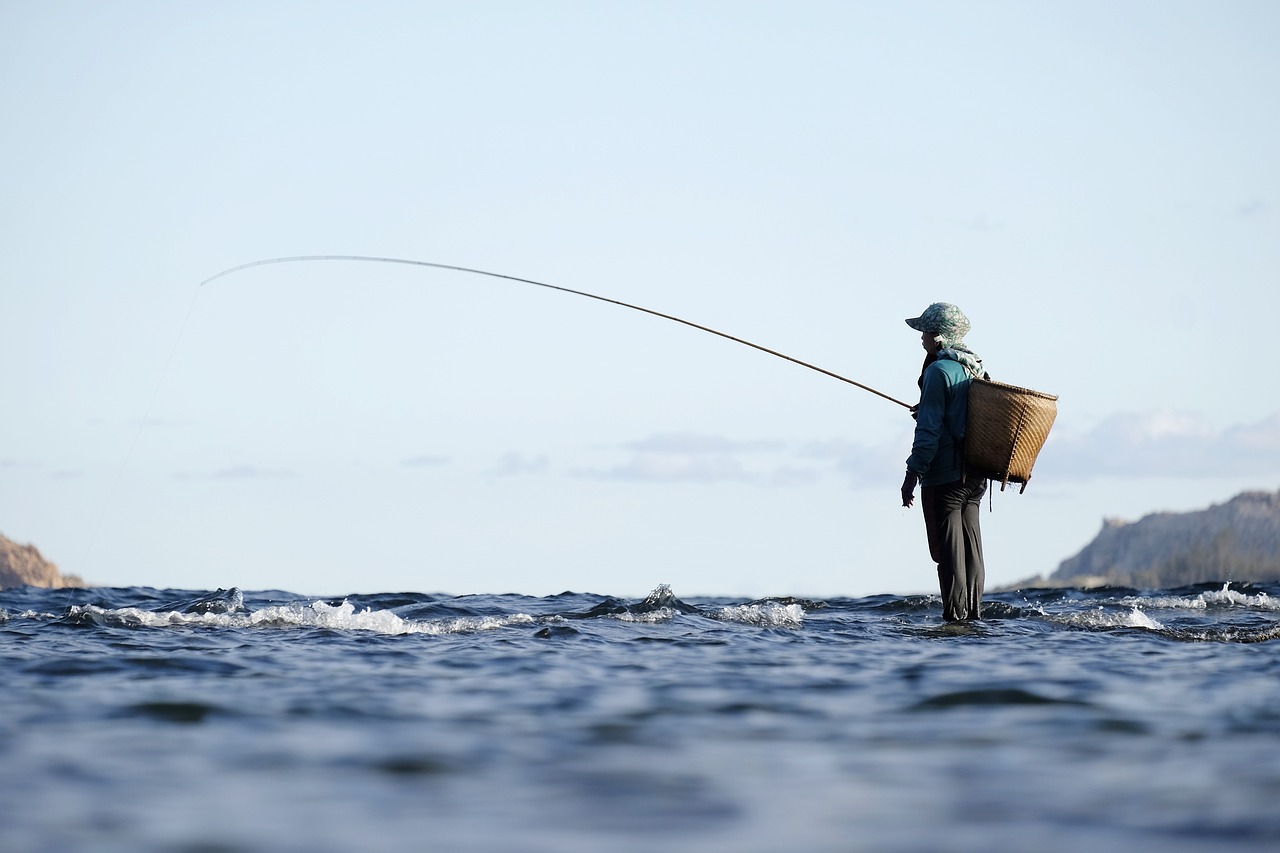
A sixth problem for anglors using wet flies is that the strike on the flies is too subtle to be felt by the angler. Strikes on wet flies are subtle; they may be nothing more than a hesitation of the line.
Anglers who are waiting for the fishing line to bend double will come home without any fish. The fix to this problem involves two components. First, the line must be tight enough to feel any strike on the line.
Second, the line must be loose enough that the fish can turn in their natural way in the water. Additionally, anglors must watch the leader as it enters the water. An old school method to accomplish this is to add a small indicator made of yarn or foam to the fishing line a few feet above the fly.
Others hold the fishing line against the rod with a finger. Anglers who use either of these methods will find success with wet flies. The key to success in this situation is to stay in constant communication with the fly.
The slight upstream mend will help anglors to keep the line in balance during fishing efforts. Anglers will feel a difference in their success with wet flies once they master this problem in their fishing efforts.
7. Unnatural Fly Patterns
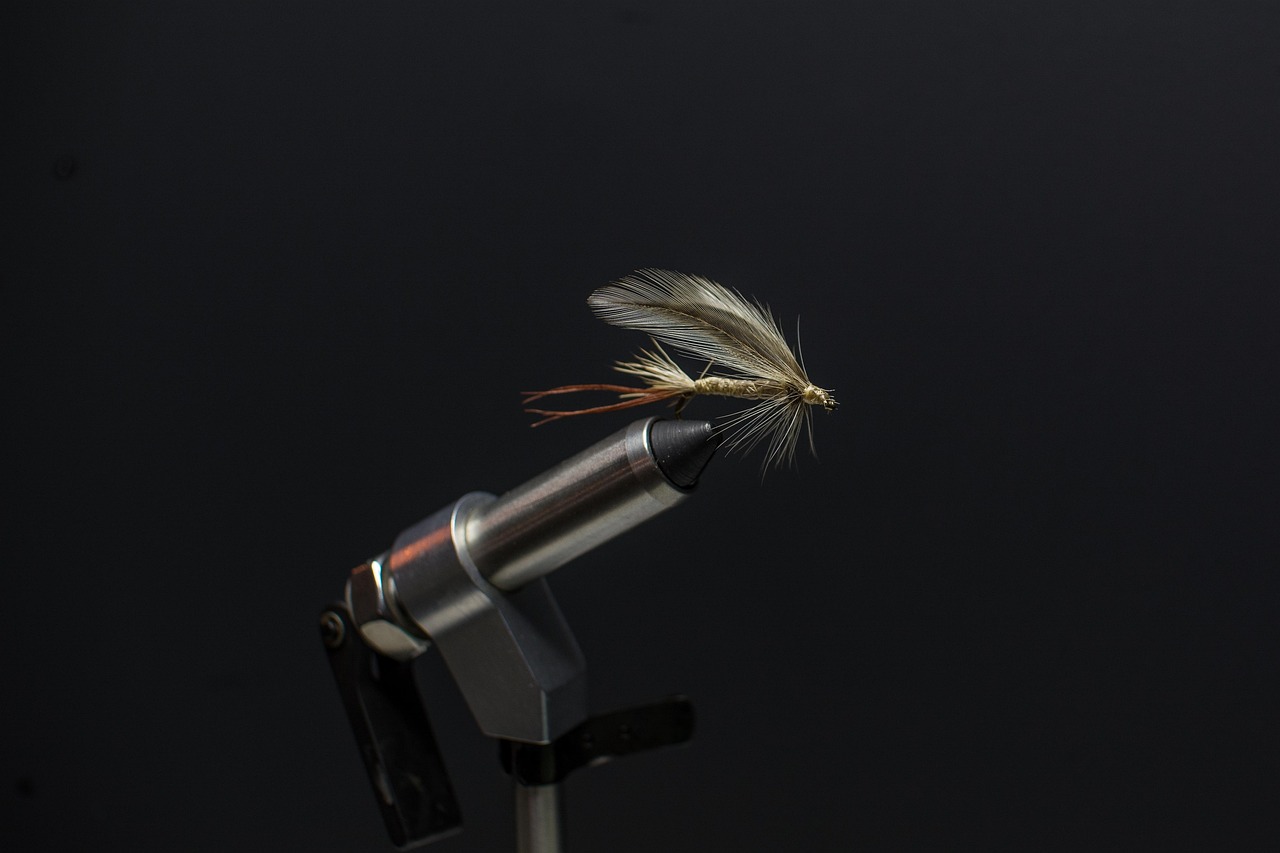
A seventh problem for anglors who use wet flies is that the patterns of the flies are visually appealing but do not mimic the food that the trout eat.
Anglers often develop a strong attachment to the different wet flies they tie up in their vise. However, using these flashy flies in areas where the trout eat drab and small caddis pupae will result in the trout refusing the food. The solution is not to use more elaborate flies but to develop a wider range of simple flies that mimic the life cycle and the specific stage of specific insects that trout in these areas eat.
You should always take time to examine the water thoroughly or turn over rocks before you rig up your flies. If you find that the fish are mostly eating size 14 olive soft hackles, then you should tie on exactly those kinds of flies. If the rising pupae attract the fish, you should add a small emergent pattern to your dropper.
While the old saying to always fish the fly that you have confidence in is true, this saying is only true once you have done the homework on the water to gain that confidence. Once you have rigged according to the river instead of the latest catalog of flies from the shop close to your home, your hookup rates will improve, and youll spend less time fidgeting with your flies when you find yourself frustrated at the number of fish you are catching. Another problem that might plague your wet fly fishing efforts is if the fish ignore your swing.
8. Improper Presentation and Swing
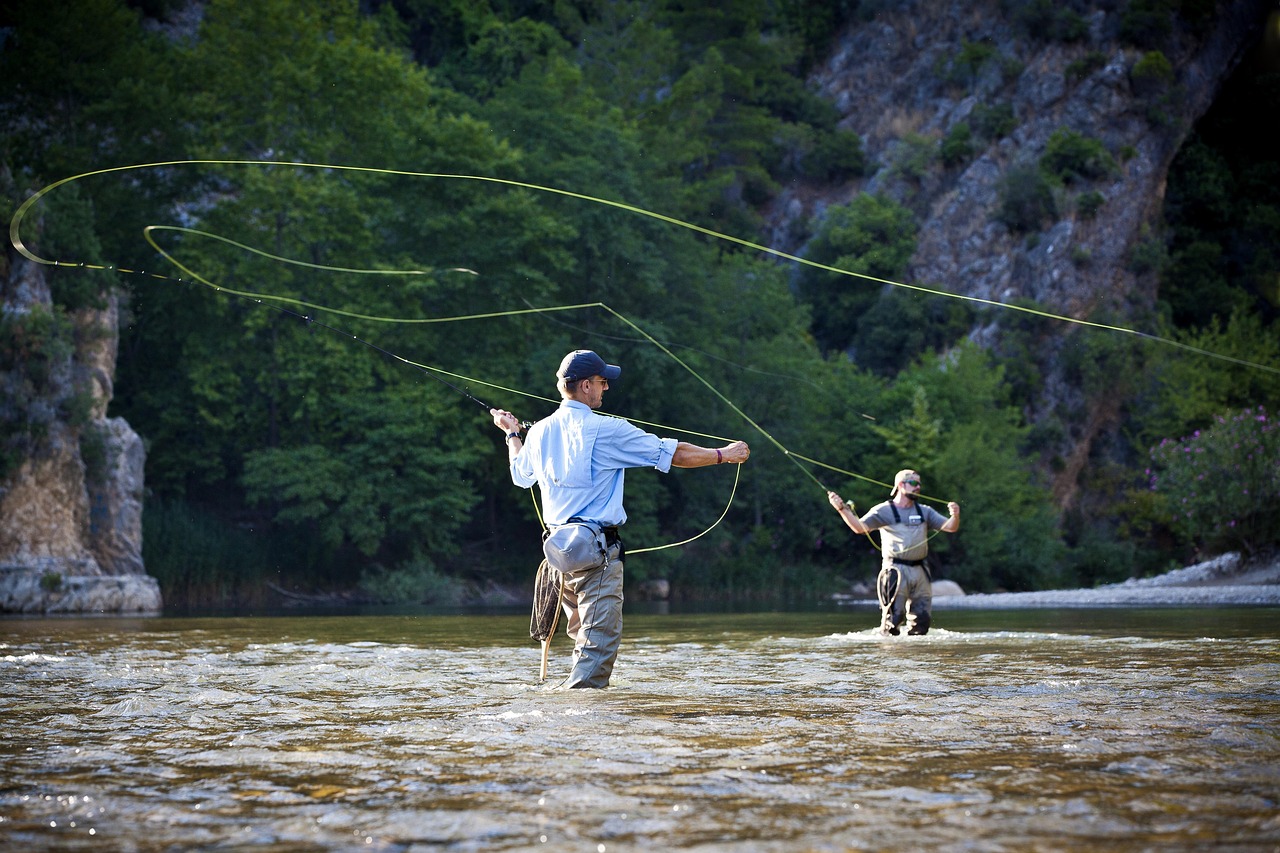
You must present your wet fly correctly so that the fish will see it as food and not an impostor. A reach cast or a slack-line cast will allow your fly several feet of drift before the line gets tight. During your swing, make small movements of the tip of your rod to make your wet fly appear as if it is emerging from the water.
The trout will notice these movements. Experienced anglers who can find success with wet fly fishing do not use overly complex flies. They present their standard wet flies correctly to the trout.
This is the aspect of wet fly fishing most people miss, but one that can dramatically improve a fisherman’s success with this technique. At the end of all of these problems with wet fly fishing success, it is important to remember that small details matter. Getting your hook sharp, your leader properly prepared to turn over on the water, and getting your wet fly to sink to the appropriate depth without looking like a piece of fishing hardware will ultimately improve your chances of success.
Though each of these details might seem subtle and small, getting them all right will lead to luck in your wet fly fishing efforts. The next time you encounter a pause in your fishing efforts, whether your line hesitates or your heart skips a beat, it is possible that one of these issues is the cause of your missed opportunities to land a fish. If you get each of these details right, your river will start to return the favor to you.