
The rivers, lakes, and streams in the state of Pennsylvania contain a variety of different species of fish. Many people dont provide the same level of attention to the catfish populations as they do to the other fish species that live in the states waters. However, the catfish species exhibit great fighting strength when anglers catch them.
Additionally, human beings who are willing to learn how to prepare the fish correctly will find the flavor of the fish is delicious. Furthermore, these fish live in a variety of different types of water across the state. By learning which kinds of catfish live in the state of Pennsylvania, anglers can target these species more effective.
Whether anglers are pursuing the activity of fishing as a means of sport, for food, or simply for the excitement in capturing a fish with whiskers, learning about the specifics of each type of catfish that lives in the state will allow anglers to target these fish species more effective.
Common Types of Catfish in Pennsylvania
1. Channel Catfish
Channel catfish live throughout the state of Pennsylvania, and they are the most adaptable of all of the catfish species to inhabit. Channel catfish have slender bodies with deeply forked tails.
These features allow the species to live in a variety of environments. Channel catfish species weighs between two and ten pounds, but there are exceptions to this weight; twenty pound channel catfish can be located in some of the states major rivers. Channel catfish eat live bait, nightcrawlers, and cut bait.
However, channel catfish is also willing to bite at noon or later if the angler moves the bait away from the sun. Channel catfish prefer deep holes with a moderate current during the day, but move to flats in the area after the sun sets. Thus, anglers who are new to fishing for catfish should of begin fishing for channel catfish species due to the relative ease with which they can be caught with basic fishing equipment.
2. Flathead Catfish
Flathead catfish have broad heads with square tails, unlike the channel catfish species. Flathead catfish are mainly predatory fish and eat other fish species, not the types of bait that other catfish eats. Consequently, flathead catfish will not eat cut bait or stink bait, although these baits are effective for other species of catfish.
These species live in the Ohio River and its tributaries. Mature flathead catfish can weigh more than fifty pounds. Thirty pound flathead catfish is also encountered in suitable habitats within Pennsylvania.
These fish are the ultimate freshwater catfish fishing challenge in the state due to their size and fighting style. Consequently, anglers need serious fishing equipment to fish for these types of flathead catfish, but flathead catfish do not move around much; they will sit still in spots with lots of cover, waiting for a live fish to pass by. Thus, fishing for flathead catfish is similar than hunting for game fish, which is the reason for the dedication of some fishing enthusiasts to flathead catfish.
3. Blue Catfish
Blue catfish grow to larger sizes than channel catfish. The bodies of blue catfish are more streamlined than channel catfish species. Additionally, blue catfish have slate-blue coloration and very tiny eyes.
There are self-sustaining populations of blue catfish in the Delaware River and the lower Susquehanna River. These populations of blue catfish in Pennsylvania have grown in the last twenty years. Blue catfish prefer large bodies of water with a flow of water.
The species enjoy deep cuts in the water, areas near bridge pilings, and areas in which submerged fish are located. Consequently, blue catfish are the largest of the catfish species in the state. The current state record for blue catfish is more than fifty pounds.
Additionally, anglers realize blue catfish of that weight are spotted more often. Therefore, individuals who wish to land a true trophy fish should pay attention to blue catfish populations in the state. However, these blue catfish prefer fresh cut bait or live fish to other types of bait.
4. Bullheads
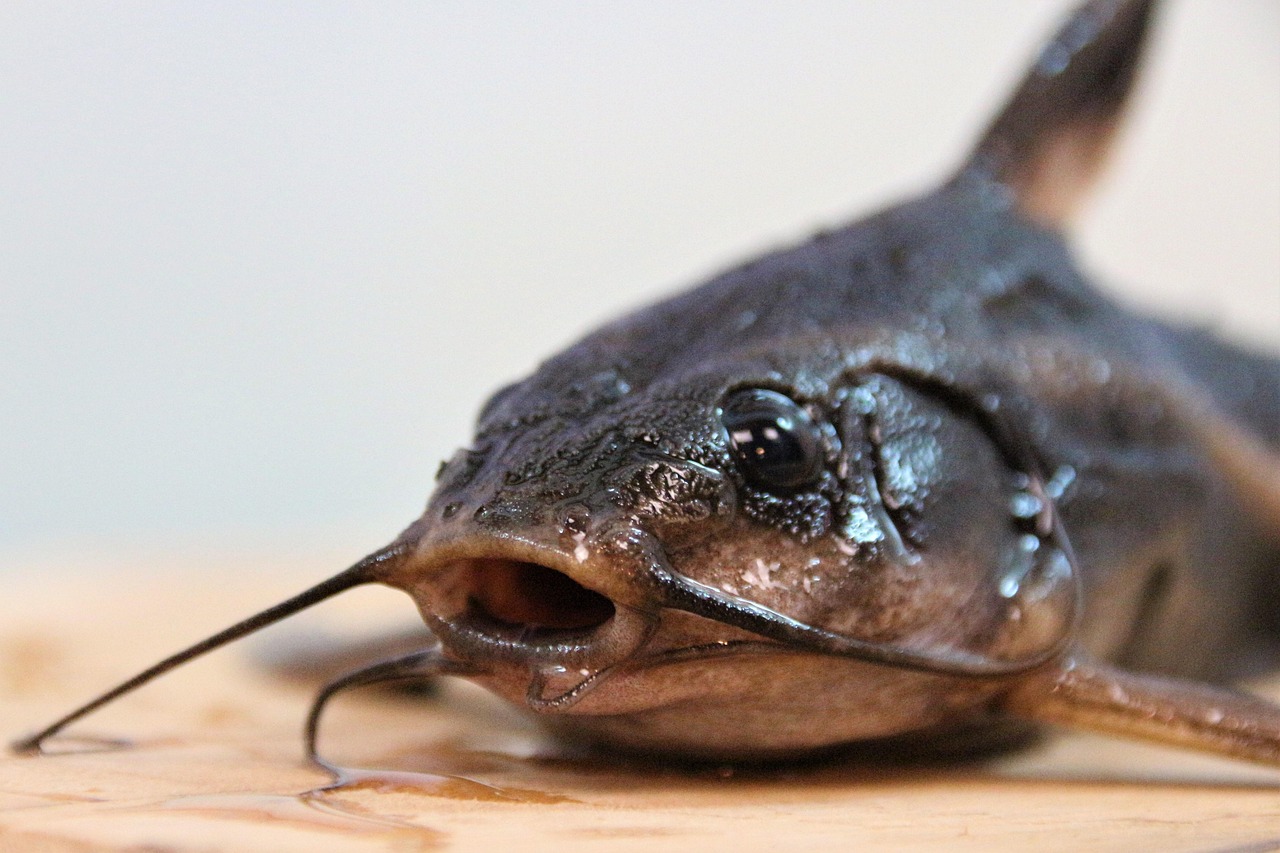
Bullheads are the small catfish species. There are three different species of bullheads that inhabit the state of Pennsylvania: the brown bullhead, the black bullhead, and the yellow bullhead. Bullhead species is small in size, weighing no more than two pounds.
Bullhead fish fight hard with light fishing tackle. Bullheads have square tails, like channel catfish, but also have barbels located on their chins. Bullhead fish have a general appearance that resembles a bulldog, reflecting the feisty nature of this type of fish.
Bullheads live in shallow ponds with many types of weeds, in slow creeks, and in the backwaters of large rivers. Bullheads can live in low levels of dissolved oxygen in the water, and they can live in areas with muddy bottoms. Thus, bullheads are perfect for children and inexperienced anglers, and for people with long work weeks.
Anglers can effectively use a cane pole with a worm and bobber to catch bullhead fish, just as has been documented as effective one hundred years ago. Because bullheads are so small in size, there is no need for complicated fishing equipment to catch bullhead fish. Additionally, bullhead fish have mild and sweet flesh that fries well, making them a popular fish for fish fry events throughout the state.
5. Stonecats and Madtoms
The smallest type of catfish species live in the same waters as the stonecats and the madtoms. These small catfish species is less than six inches in length. They live on the bottoms of the streams, under flat rocks.
Because these small catfish species are so small and active during the night, anglers generally do not catch them. However, their presence in the waters indicates the health of the ecosystem. Stonecats contain mild venom in their spines that human beings can feel if they are not careful in handling these fish.
Although anglers will not generally target stonecats when fishing for catfish species, being able to recognize these small types of fish will enable anglers to recognize the full variety of catfish species that exist in the state. Additionally, encountering stonecats when fishing in streams indicates the quality of the streams water and the ecosystem within it. Each type of catfish species occupies its own niche in the state of Pennsylvania.
Channel catfish are the most abundant and easy to fish for. Flathead catfish are strong and can be targeted to land trophy fish. Blue catfish are the largest species, and prefer moving water.
Bullheads are small, easy to fish for, and can bring a sense of nostalgia to anglers. Finally, the smaller types of catfish show that there are various types and sizes of catfish in the state of Pennsylvania. Therefore, the next time an angler goes into the water to fish for catfish species, he or she should consider which type of catfish to target.
The water itself will inform the angler which types of species are active at any given time of day, any given depth, with any type of current, and with any type of bottoms within the water. Thus, anglers who pay attention to these details about catfish species will find that their fishing efforts are more deliberate and targetted. The variety of catfish species in the state of Pennsylvania provides different types of rewards for those who take the time to learn about their specific habits.
The rivers in Pennsylvania will remain the same, but the experience of those who go to fish for catfish will change once they become aware of the different species of whiskered fish in the water.