
Fishing rigs make a significant difference between a day when you are just watching your fishing line and one where you are actualy putting fish into a cooler. The fishing rig you use puts the hook into a precise role in the water that corresponds to your depth, the bottom type, the fish, and the bait you are using. Many new angler will use whatever fishing rig they can find at the tackle shop, but there is so much skill to fishing in understanding the role that each type of fishing rig will play in solving a specific problem when fishing.
There are many different types of bait that are required for specific fishing rigs to work they best. A fishing rig that allows the bait to remain hovering above muddy bottoms will work well for catfish, but it could spook trout in the same area. Knowing the classic fishing rigs will allow you to adapt them in the field while you are fishing.
Fishing rigs have all earned their reputations over time with generations of angler using them in their favorite waters and finding that each fishing setup does its job quite well without unnecessary complication.
Common Types of Fishing Rigs to Use
1. Carolina Rig
Anglers use the Carolina rig for covering large areas of water while catching a variety of different species of fish. To utilize this fishing rig, tie a swivel to your fishing line, add a leader that is between two and four feet in length, and add an egg sinker to the fishing line above the swivel.
The weight will settle on the bottom while the bait drift in the water above the weight. Bass, walleye, and redfish will all end up taking the bait presented to them with this fishing rig. This fishing rig will help anglers cover large areas of bottom without getting hung up on rocks or roots in the ground.
The sliding egg sinker will allow the fish to take the bait and swim away without feeling resistance from the fishing rig. This fishing rig is best used with plastic worms or nightcrawler bait, but it can also be effective with cut bait to catch the elusive catfish species. This fishing rig is less sensitive to the movements of the fish on the line.
However, it is more forgiving of beginner than other rigs and remains a common one that experts use.
2. Texas Rig
The Texas rig is a weedless fishing rig used to fish through thick vegetation. To create the Texas rig, place a bullet on your fishing line, add a hook, and thread your bait onto the hook.
This fishing rig will easily move through thick vegetation without catching on the plants. This fishing rig is the go-to rig for anglers searching for bass hiding in thick cover. However, it can also be used to search for fish along rocky areas of the fishing spot.
This fishing rig can be slowly fished on the bottom or “hopped” with short movements of the fishing rod tip. However, the downside to the Texas rig is that it will have a lower hookup percentage when used in open water where the weedless design of the fishing rig will make it harder for the fish to hook onto the bait. But, the Texas rig’s ability to fish through thick cover means that this fishing rig will be part of every angler’s rotation every year.
3. Slip Bobber Rig
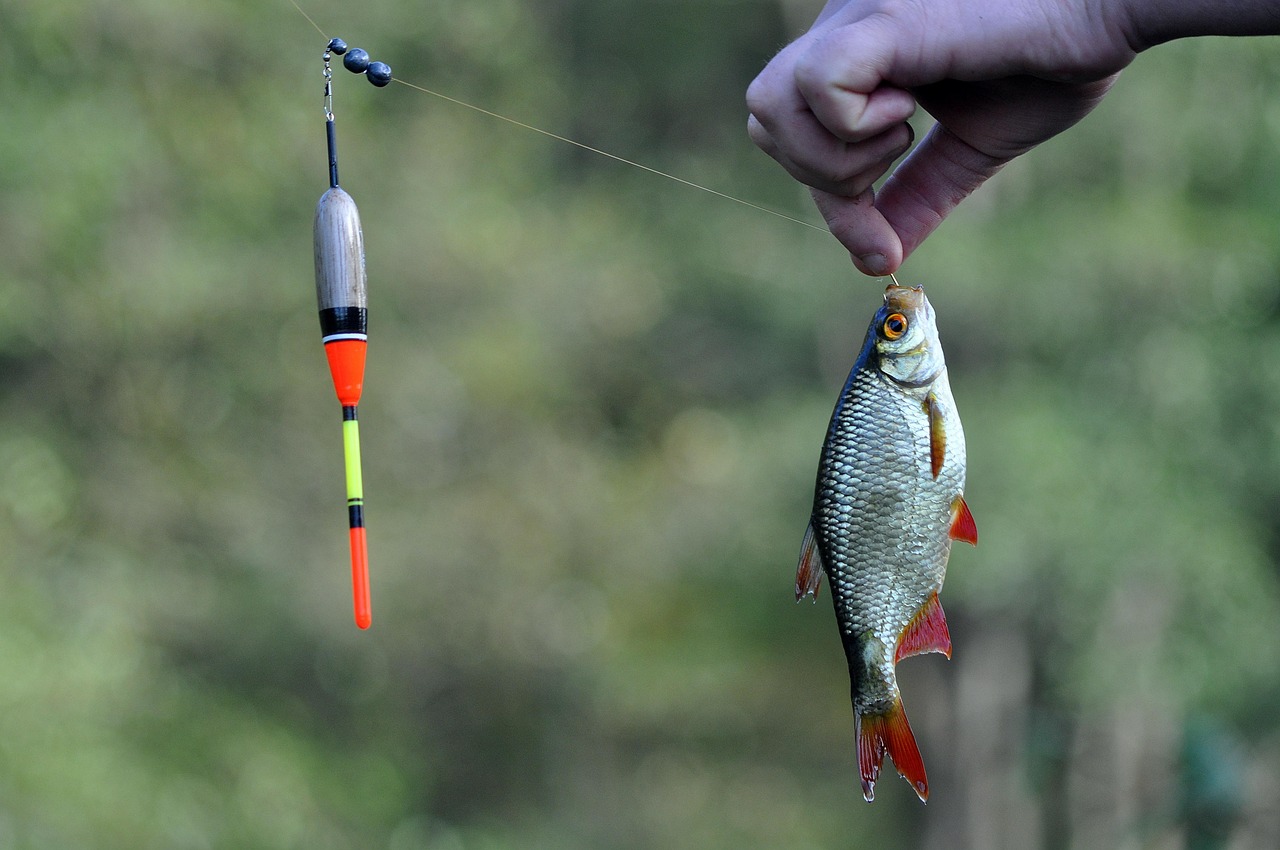
When fish begin to suspend in a specific depth and refuse to chase at the bottom of the water, the slip bobber rig will become a very useful fishing rig. Add a bobber stop to your fishing line, add a plastic or foam float to the fishing line, and add a hook or jig to the fishing line below the float with leader bait. The bobber stop will adjust to the depth that you require and lock in place for the fishing trip.
The slip bobber rig is useful for areas such as lakes and reservoirs where baitfish will gather in the middle of the water column when summer arrives. Species like crappie, bluegill, and trout will fall for the slip bobber rig. You can watch the bobber to watch for movement in the water, instead of having to watch the fishing line that is beneath the water.
However, using this fishing rig does require some patience and skill to control any movement caused by the wind. Using a thinner pencil float or adding a small split shot will allow the fishing rig to remain effective while avoiding any unnecessary movement of the line in the water. Overall, this fishing rig allows anglers to present the bait to fish at a specific depth without having to constantly recast the line to adjust the angle of the line.
4. Drop Shot Rig
The drop shot rig is helpful if the fish are to the bottom of the water but will not eat on heavy offerings. To use the drop shot rig, tie a hook to the fishing line with a Palomar knot. Add a weight to the line twelve to eighteen inches from the hook on a short tag end.
Bass fishermen use the drop shot rig in clear lakes because the bait stays in the strike zone longer than any other fishing rig. The drop shot rig can be shaken gently or dragged slowly across smooth rock. The hook stays separate from the bait so that fish do not feel the lead as they take the bait.
This makes the drop shot rig successful in getting wary bass to bite on offered bait. The problem with the drop shot rig is that it can get caught in heavy currents or weeds. Overall, though, few fishing rigs will produce as many bites from fish under pressure as the drop shot rig.
5. Fish Finder Rig
Fish finders are used to quickly cover large flats in the lake. The fish finder rig allows anglers to spot schools of fish without the bait getting snags on the lake floor. A barrel swivel connects the main line to the leader.
A sinker is placed on a wire arm above the barrel swivel. The sinker will stay on the lake floor while the bait hangs below the sinker. Walleye fishermen use the fish finder rig when drifting over flats.
The fish finder rig allows the bait to remain in contact with the lake floor while the bait can rise and fall with the lake floor. The rig can be trolled behind a boat, or it can be cast into the water. When using live bait, such as minnows, the bait will naturally move to mimic an injured fish.
The fish finder rig sacrifices some of the distance that can be covered by other fishing rigs. However, the benefit of this rig is that it will not get lost often, and anglers spend more time actually fishing.
6. Egg Sinker Rig
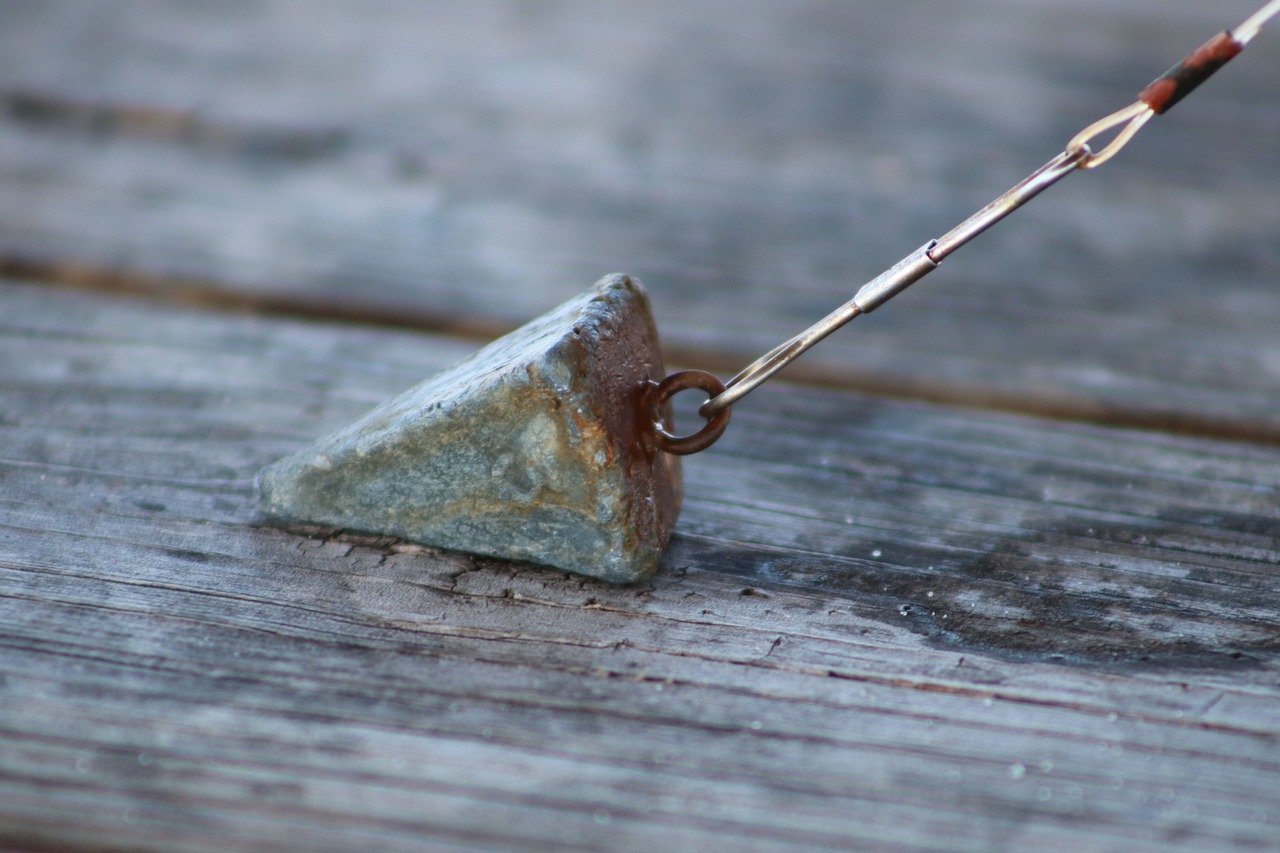
Steelhead fishermen use the egg sinker rig to quickly get the bait down into the areas that they are fishing.
The round shape of the egg sinker will not tangle in the river currents as easily as pyramid weights on other fishing rigs. Catfish fishermen also use the egg sinker rig on large reservoirs to drift the bait over the areas where catfish like to hang out. The egg sinker rig can be tied quickly when fish suddenly begin biting on the offered bait.
However, the disadvantage of this rig is that it can also get snags on the riverbed. However, tugging on the line will usually free the egg sinker rig.
7. Three Way Rig
An angler uses the three way rig when they want to fish for multiple depths or present the bait above the weight of the fishing rig.
Attach a three way swivel to the main fishing line. Attach a dropper line with a weight on one eye of the three way swivel. Attach the leader with the hook to the other eye of the three way swivel.
The weight will stay on the lake or river floor while the bait hovers above the weight. This fishing rig is used for drifting bait along lake or river edges. Additionally, lake and striped bass fishermen use the three way rig to keep the live bait in the thermocline without the weight of the fishing rig scaring the fish on the lake floor.
The three way rig can get entangled on the lake or river floor if the anglers do not use care when casting the line with the three way rig. However, the benefits of using the three way rig outweigh the disadvantage of the potential for tangles. This fishing rig looks complex and overly weighted until the first time the angler gets a fish on the line with this rig.
However, once they do, the three way rig will be a permanent part of there fishing arsenal.
8. Pendulum Rig
Finally, the pendulum rig or the long leader bottom rig is used for targeting fish that are easily spooked in clear and shallow waters. The six to ten foot long leader on this fishing rig keeps the bait away from the fishing line and the lines motion on the waters surface.
Additionally, the weight on the pendulum rig is very light so the bait does not bury itself in the lake or rivers silt. Mastering these fishing rigs will not automatically fill your cooler with fish, but it will remove the guesswork from your time on the water. Each of these fishing rigs was created to solve a particular puzzle that has to do with the environment in which the fish are living and the mood that the fish are in at the time.
Start with the Carolina and Texas rigs as these will solve the most situations, and then add to your collection of fishing rigs as you encounter new challenges in the water. The next time you find yourself struggling to catch any fish, it isnt possible that the fish have stopped feeding. Instead, it is more likely that you have not yet showed the fish the right fishing rig.