
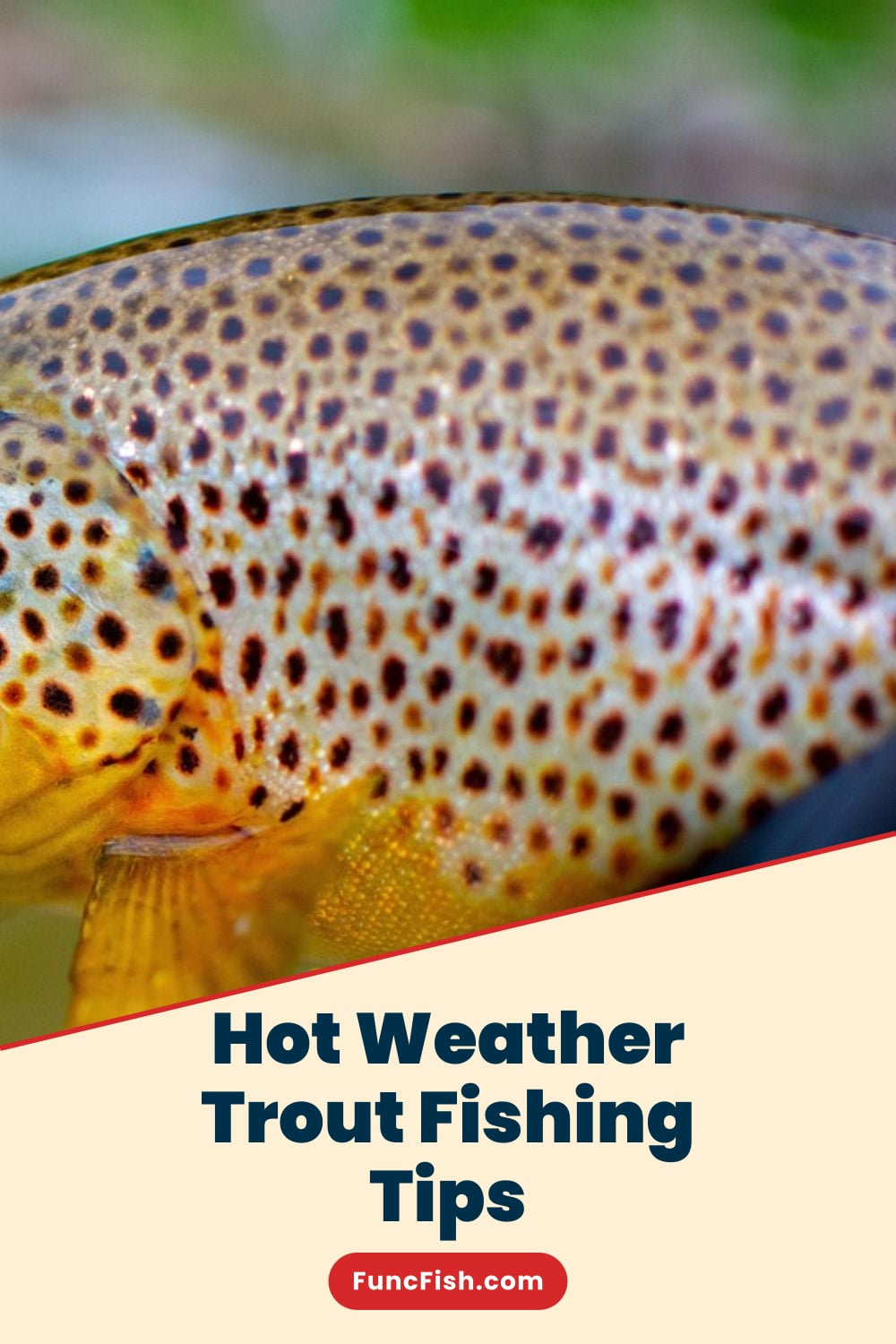
Summer trout fishing requires an adjustments to the fishing methods that is used during the spring and the autumn. Trout fish in warmer temperatures experience change in there metabolism or the amount of oxygen that are in their bodies. Because the trout metabolism speed up in warm water, the trout burn energy much faster and must find cold water to rest.
If you dont adjust your fishing for trout during the summer, you will find that you are fishing in empty water. However, if you adjust your methods for the trout to use less energy during the summer, you can experience success in your fishing efforts. The best times of day to fish for trout during the summer are either the early morning or late evening.
During these time of day the water temperatures are lower. During the evening the temperature of the water can drop several degrees and the levels of dissolved oxygen in the water increases. The trout move out of their covers and into the fishing lane during these times.
Therefore, if you plan your fishing trips for the trout to fish during these times of day, you will experience more success. Anglers who fish during the early morning or late evening will catch more fish then those who fish during the height of the day.
Effective Strategies For Summer Trout Fishing
1. Fish During Early Morning or Late Evening

The best locations to fish for summer trout are in the spring fed tributaries and deep pool area in the river.
2. Target Spring Fed Tributaries and Deep Pools
Trout will seek out areas in the river that contain cold water because the cold water contains more oxygen for the trout. Areas in the river where the water is ten degrees cooler than the main river is where you will find the trout. These spots may be small, but they can contain large trout.
However, many other angler will want to fish in these spots. Therefore you must use stealth to find the trout in these areas. Use smaller fly when you are fishing for trout during warm summer months.
3. Use Smaller Flies for Summer Trout
Trout will not want to use the energy to chase large flies. Use size 18 or 20 size flies such as a tiny pheasant tail or a midge pupa with a 6X tippet. While you will lose more fish during the fight with these smaller trout when fishing with smaller flies, you will get more opportunities to get bite.
It is important that you check the temperature of the water prior to beginning to fish for trout. If the temperature of the river is above 68 degrees, the trout are under physical stress. Anglers should bring a thermometer to measure the main river and cold water spots.
4. Monitor Water Temperature
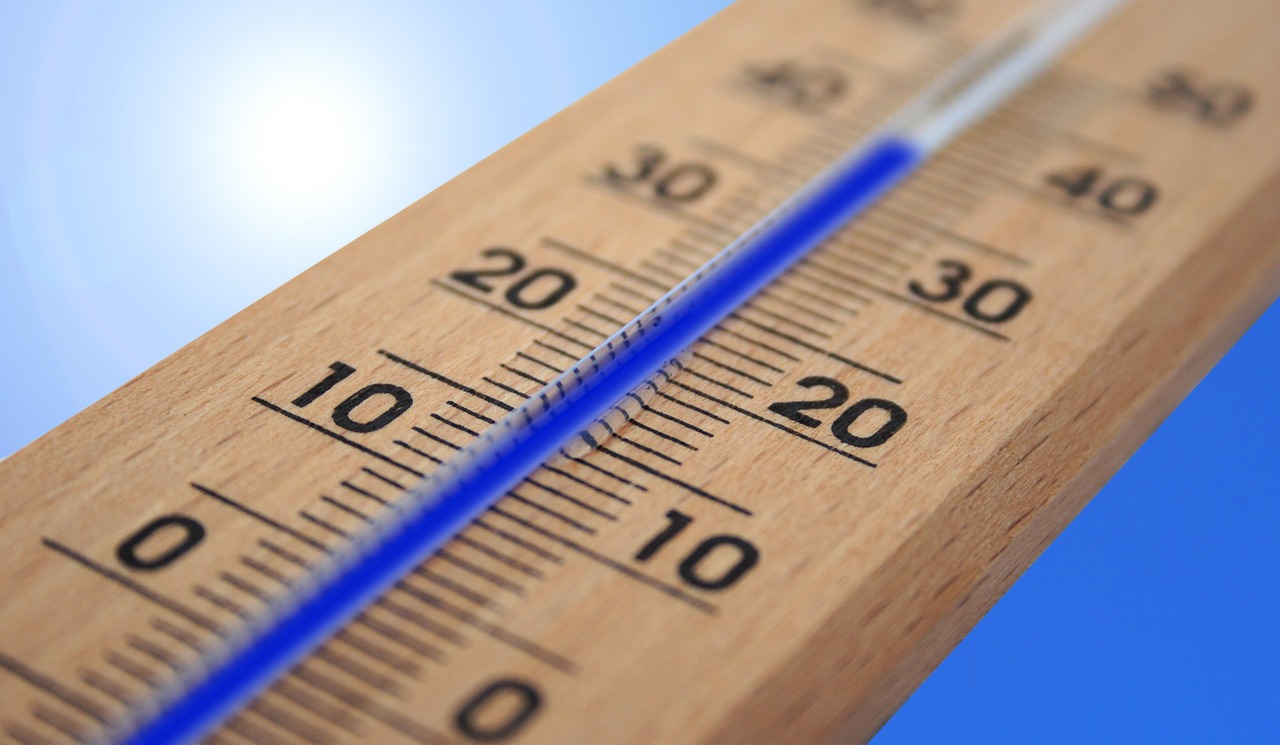
If the coldest spots in the river is 70 degrees or above, anglers should not fish for trout. Anglers who go fish for trout in summer should only fish for twenty minutes in one spot if the temperature of the river is over 68 degrees. Anglers should also keep the trout in the water as much as possible while they are fishing.
Adjust your drift and the retrieve of your favorite flies. Trout in warm water do not move far to find food. Use long drifts with plenty of slack in the leader to allow for the trout to see the flies.
5. Adjust Drift and Retrieve
Use slow retrieves when using streamers to keep the streamer in front of the trout. Trout when fishing in warm water will make subtle strike at your flies. Therefore you must carefully watch the line because many fisherman will miss these strikes.
The large trout should be targeted in different areas of the river than the smaller trout. Small trout will move to the areas with increased level of oxygen in the water such as the riffles where the water moves quickly. However, large trout will stay in deeper pool.
6. Target Large Trout in Different Areas
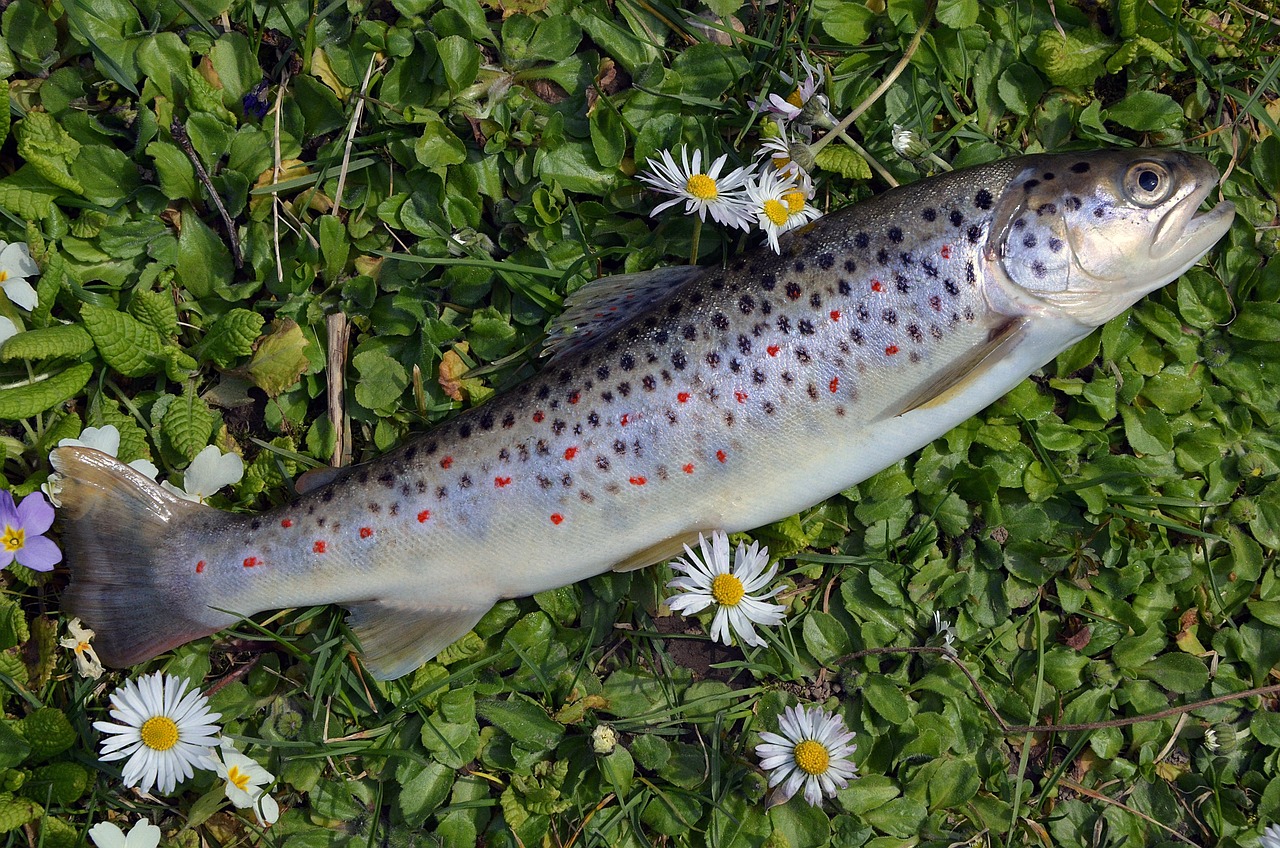
They will also become more active after sunset. In these cases, target the large trout in deep pools after sunset with mouse patterns or streamers. The large trout require a different schedule to catch during the summer months than the spring months.
You should fish in different areas of the river. During warm months the trout burn calories quickly to survive. The trout will move between fishing and resting area quickly.
7. Move Between Different Fishing Spots
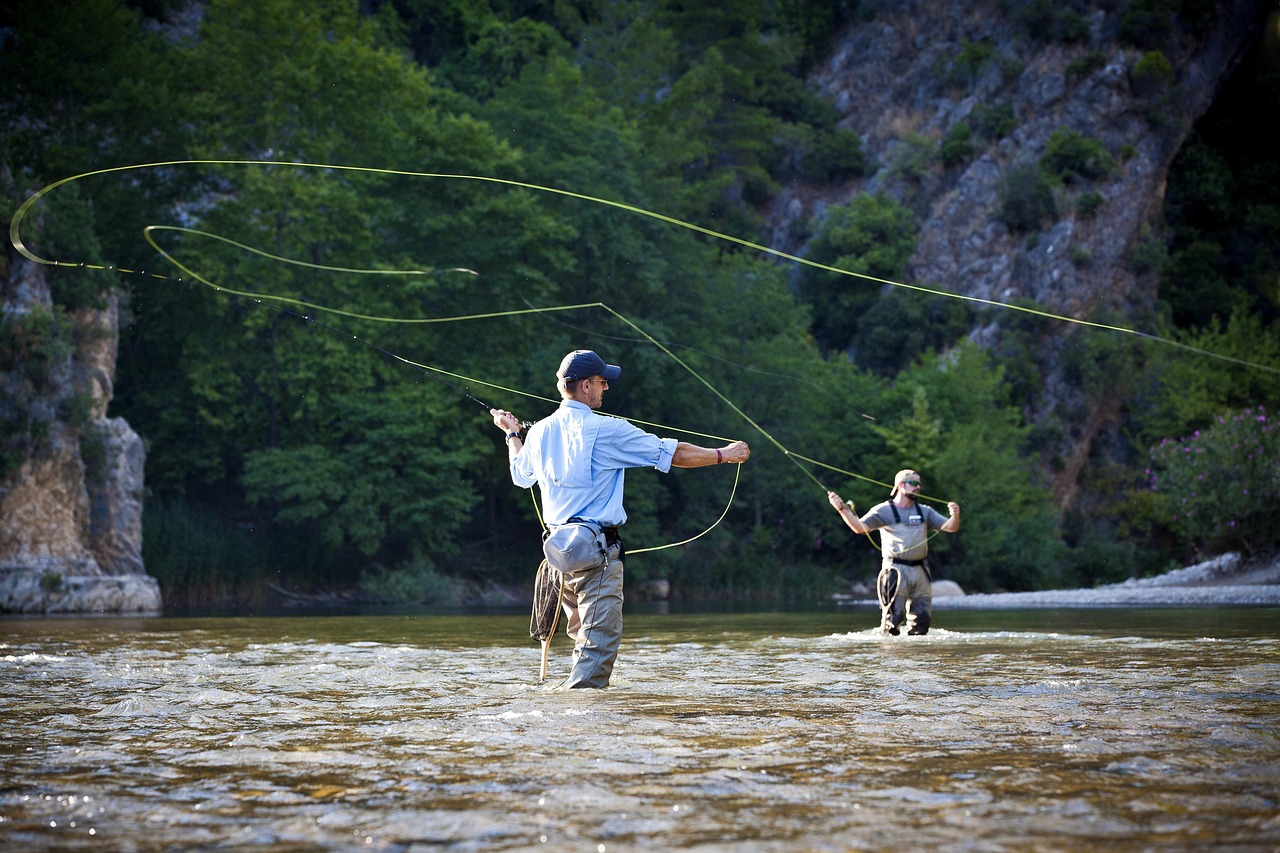
The trout that you saw at the river at the dawn may not be in the same spot at ten o’clock in the morning. Therefore, you should have light fishing gear and be prepared to hike to different spots in the river. Anglers who move between areas in the river will catch more fish than those who stay in one spot on the river banks.
Use lighter tippet with the flies that you use to fish for summer trout. The fights between you and the trout when fishing for trout during warm summer months will tire the trout quickly. However, the trout will thrash violent when hooked.
8. Use Lighter Tippet
Use a 6X or 7X tippet with the smallest flies such as a tiny pheasant tail. However you should use stronger wire on the hooks so that you can keep the trout in the water. Finally, you need to keep yourself cool while you are fishing.
Wear light clothing and drink water while on the river banks. Take breaks in the shade to avoid heat exhaustion. If you stay cool while fishing you will remain alert while the trout are most active at the early morning and late evening.
9. Stay Cool While Fishing
By following these step and adjustments in the summer you will be able to successfully catch trout when fishing during the summer months.