
Braided line is thinner and stronger than monofilament line and more sensitive than monofilament line. However, because braided line is thinner and more sensitive, there are specific problem that can occur for an angler using braided line. There are eight problems with braided line: knot slippage, wind knots, line memory, line twist, color fading, abrasion failure, backlash, and lack of stretch.
Common Problems Anglers Face With Braided Line
1. Knot Slippage
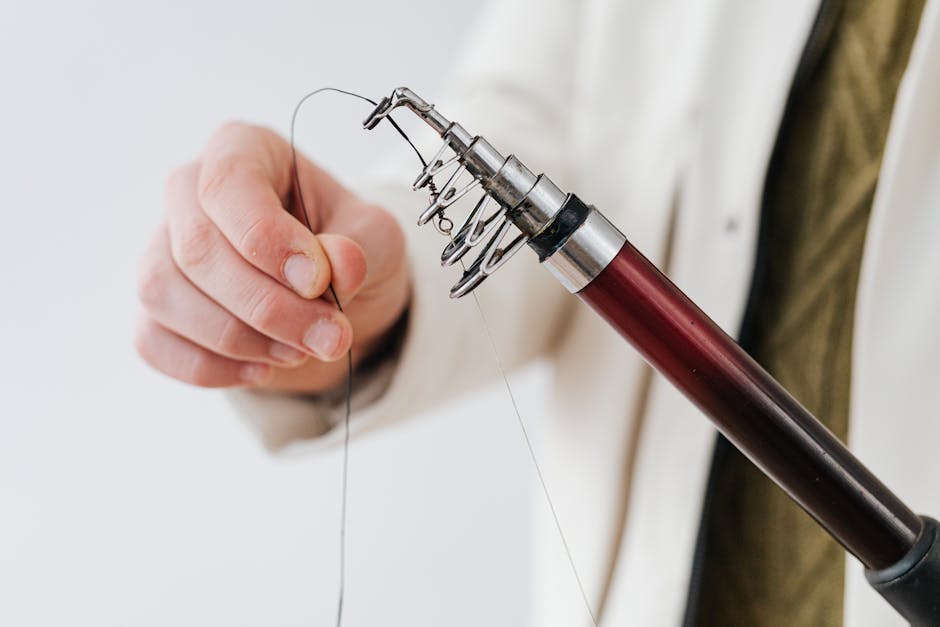
The first problem with braided line is that it often slips on the knot. Braided line is very slickly. The knots that are commonly tied to braided line will often slip apart under pressure on the line.
This is because the fibers on the braided line dont grip each other like the nylon fibers on monofilament line do. The best way to prevent this is to use a Palomar knot or an modified uni knot. Additionally, the angler should moisten the braided line before tying the knot and the angler should cinch the knot down slow.
2. Wind Knots
The second problem with braided line is the formation of wind knots on the spool. A wind knot forms on the spool of the line when a fishing line is cast into the air. Braided line has a thin diameter and zero stretch.
Braided line cannot absorb the impact of a loop in the braided line forming on the spool. One way to prevent wind knots is to make sure that the angler winds the line onto the spool with even tension. Braided line should not be overfilled with line on the spool.
Additionally, tying a half-hitch around the reel foot will prevent the formation of wind knots.
3. Line Memory
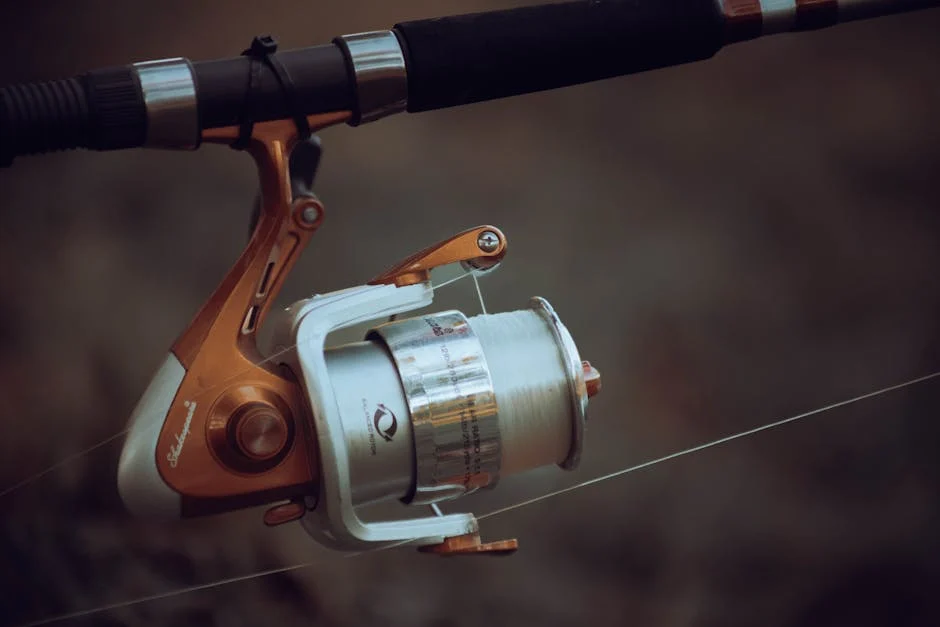
The third problem with braided line is line memory. Line memory is the belief that braided line has coil memory like monofilament line.
This isnt true. The coils often seen in braided line are the result of improper spooling. To fix the memory of braided line, the angler can mark the arbor on the reel with a colored marker.
When the braided line is slipping on the reel, this will allow the angler to see if the braided line is slipping. Additionally, the angler should spool the braided line onto the reel under firm and even pressure while the braided line is wet. If the braided line still has memory, the angler can soak the braided line in warm water to unwind the line.
4. Line Twist
The fourth problem that occurs in braided line is line twist. Braided line line twist is caused by the number of tiny revolutions of the braided line. The most common cause of line twist is the use of spinning gear.
When the bail on the fishing line closes on the slack of the braided line or if the angler cranks against a fish with the reel, line twist can occur. To undo line twist, tie a heavy lure to the braided line and allow the line to spin out on a strong current. Additionally, the angler should inspect the spring on the baitcasting reel’s bail to make sure it is strong enough to prevent more line twist.
5. Color Fading
The fifth problem with braided line is color fading. Braided line is manufactured in many bright colors. However, those colors will fade with time due to exposure to the sun and saltwater in the water.
The pigment will leach out of the braided line and the braided line will eventually turn a dull gray. This makes it hard for the angler to see the braided line in the water. To prevent fading of the bright colors, the angler should respool the reel with new braided line every one to two years.
6. Abrasion Failure
The sixth problem with braided line is abrasion failure. Braided line is abrasion resistant against rocks. However, it is not resistant against sharp objects like oyster shells or the teeth of fish.
Since braided line has zero stretch, if it hits a sharp object, the braided line will part sudden. To prevent abrasion failure on the braided line, the angler should run the first ten feet of the braided line between their fingers after they land a fish or when they snag the bottom with the braided line. If the braided line feels fuzzy with the fingers, the angler should cut the braided line and tie into a new knot.
7. Backlash
The seventh problem with braided line is backlash on baitcasting reels. Backlash on baitcasting reels is the result of the almost zero stretch of the braided line. When the braided line comes off the spool on the baitcasting reel, it can happen in bursts when the lure hits an object in the water.
To prevent backlash on the baitcasting reel, the angler should adjust the braking system on the baitcasting reel and the tension knob. The angler should adjust the tension so that the lure falls slowly when the angler presses on the thumb bar on the reel. Additionally, the angler should practice thumb control on every cast with the baitcasting reel to prevent backlash.
8. Lack of Stretch
The eighth problem with braided line is the lack of stretch. The lack of stretch in braided line is beneficial when the angler is attempting to land a fish because it allows for a higher hookup ratio of the fish’s mouth to the mouth of the braided line. However, it is a problem for anglers who use lures that require a shock absorber in the line like treble-hooked crankbaits.
With braided line and these types of lures, the lures can bounce off of the structures in the water and the hooks on the lures can become pulled out of the fish’s mouth. The solution to this problem is to tie a leader to the braided line. The angler could make the leader of fluorocarbon or monofilament line to provide the necessary stretch to the line to absorb the shock of the lure hitting the structures in the water.