
Fishing lures is tools that are used to catch fish. However, fishing lures tend to fail in there efforts to catch fish due to specific issue. If you understands the reasons that fishing lures fail, you can make adjustment to your fishing gear to increase the number of fish that you catch.
Most of the problems that affect fishing lures can be fixed while you are fishing.
Common Problems That Affect Fishing Lures
1. Line Twist
One of the most common problem with fishing lures is line twist. This problem occurs when the rotating fishing lure apply a twisting force to the fishing line.
This causes the fishing line to form into a corkscrew and causes the fishing lure to become stuck in unnatural rotation. The movement of the fishing lure that move the fishing line creates line twist, especially if you are using a fastly retrieve speed or using light fluorocarbon fishing line. To prevent line twist, use a ball bearing swivel to attach to your fishing line approximately one to two foot from the fishing lure.
The ball bearing swivel will absorb the rotational energy of the lure. If the fishing line does experience line twist, let the line pay out behind the boat while the boat slowly troll without using the fishing lure. The resistance of the water will untwist the line.
If you do not correct the line twist, fishing line tangle will develop and your fishing rod will no longer be sensitive to the line.
2. Dull Hooks
Another problem with fishing lures is the sharpness of the hooks. The hooks on fishing lures lose there sharpness with time.
The sharpness of the hooks wears down when they hit rocks or when they are used to catch fish that has sharp teeth. As the hook becomes less sharp, the tip of the hook slide off the fish scales instead of hooking the fish. Thus, fewer fish are caught due to the dull hook.
To fix this problem, sharpen the hooks regular using a small hook file or a ceramic sharpener. Use the file to sharpen the hook from the base of the hook to the tip of the hook. To test if your hook is sharp, drag the point of the hook across your thumbnail.
If the point of the hook catch your skin, the hook is sharp. Otherwise, sharpen the hook. Additionally, you can replace the original hooks on your fishing lure with aftermarket hook.
These hooks are stronger than the hooks that come on fishing lures.
3. Incorrect Lure Depth
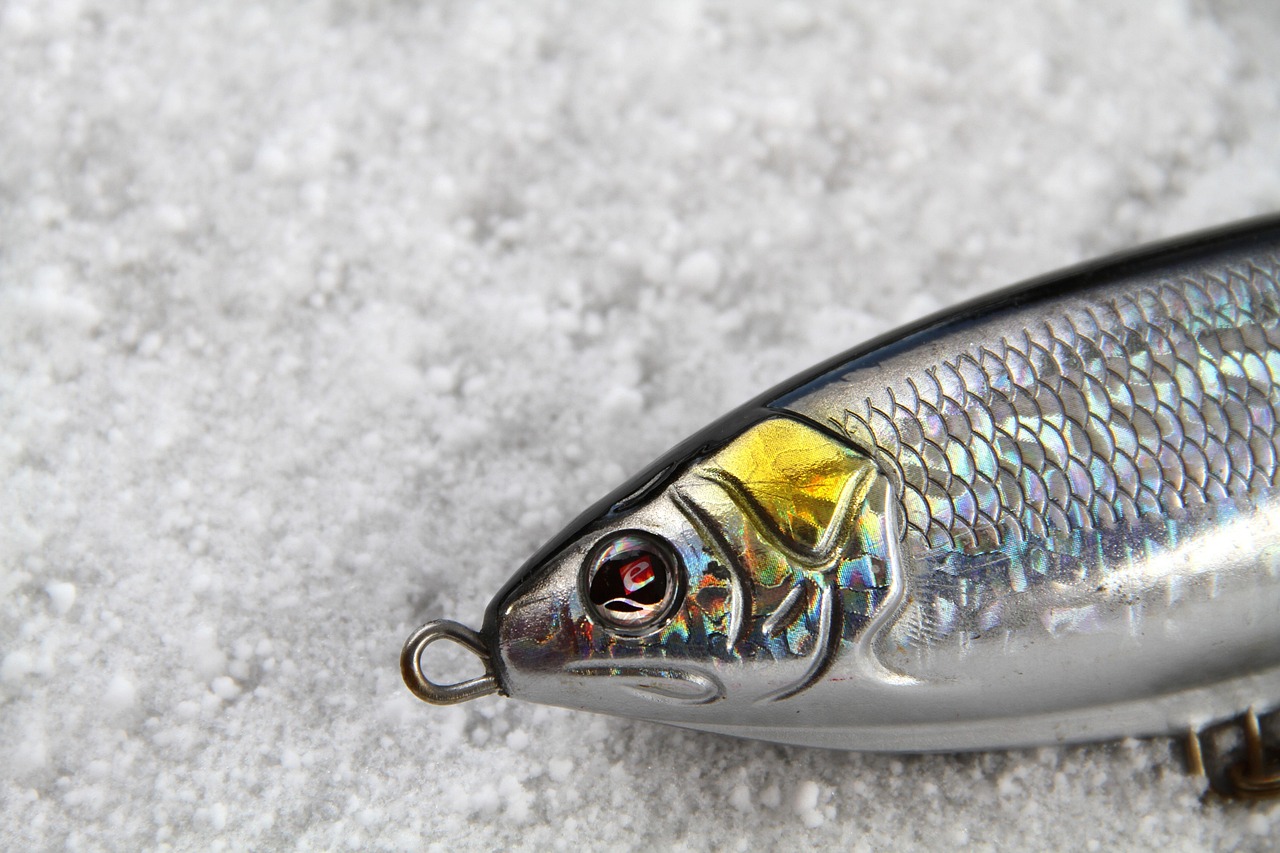
Another problem with fishing lures is that the depth of the lure is not always as the lure is specified on the packaging. This is due to the diameter of the fishing line and the speed at which you retrieve the fishing lure.
If the fishing line is thinner, there is less resistance in the water, which allow the fishing lure to go to greater depths. A heavier fishing line create more resistance in the water, which allows the fishing lure to remain at a higher depth in the water. Additionally, you can adjust the depth of the fishing lure by adding weight to the fishing line a few feet in front of the fishing lure.
If the fishing lure is diving too deep and hitting the weeds, the speed at which you troll the fishing lure can be adjusted or the angler can change its lip style.
4. Fading Lure Appearance
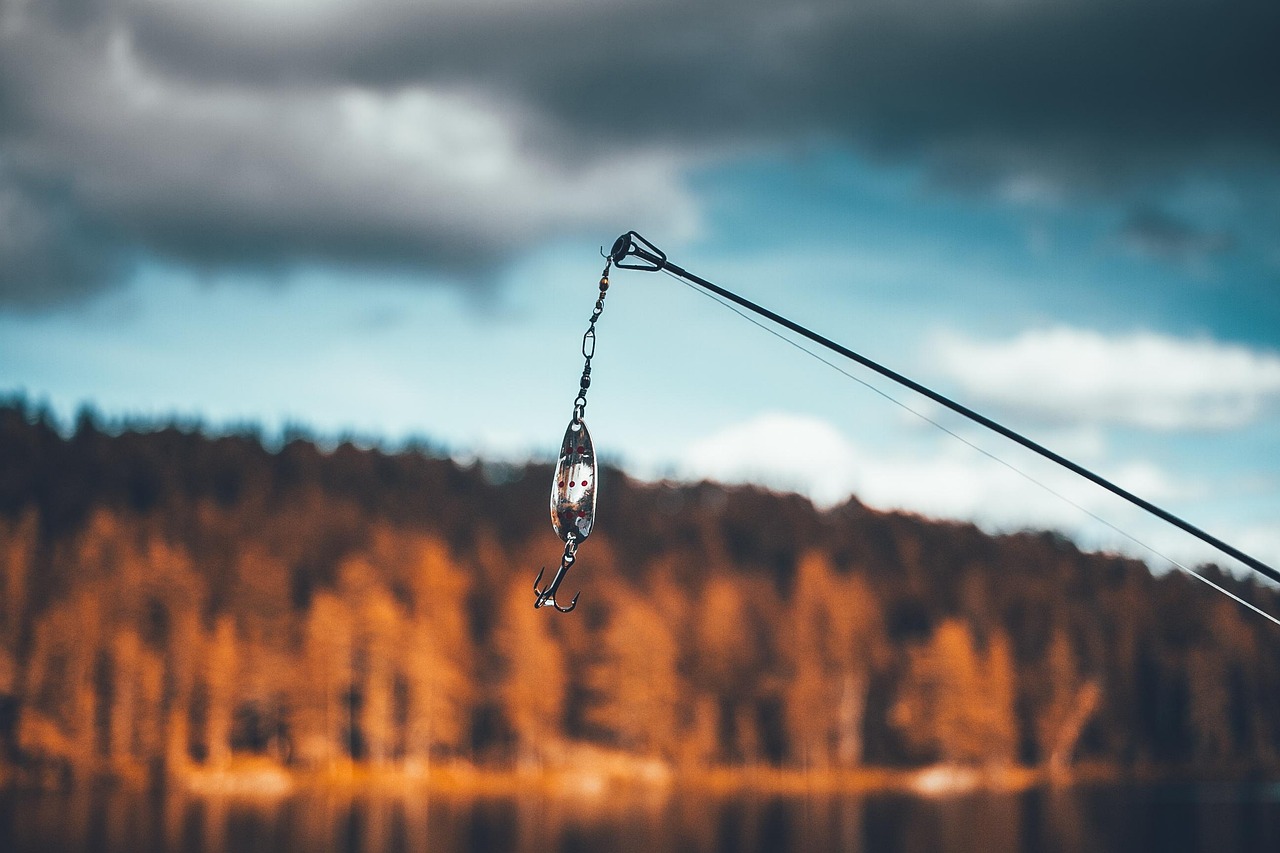
Fishing lures also experience a problem in that their appearance change with time. This is due to the paint and finish that is applied to the fishing lure.
Over time, the paint wear off the fishing lure. If the paint wears off, the lure will not resemble the natural prey that the fish are looking for. The paint wears off more quickly if the fishing lure hit rocks or if the fishing lure is a lipless rattle bait that hits the bottom of the water.
To fix this problem, have extra version of each fishing lure. When the paint wears off one fishing lure, you can replace it with another fishing lure with fresh paint.
5. Split Ring Failure
Split rings connect the fishing hook to the body of the fishing lure.
Split rings fail due to the tendency of the split ring to bend open when reeling in a large fish. When the split ring open, the hook detaches from the fishing lure. Furthermore, the split rings on fishing lures are thin and can easily fail due to metal fatigue.
Upgrading to heavier split ring split rings will eliminate this problem. To fix this problem, use a split ring tool to replace the split rings attach to the fishing lures.
6. Rattle Noise Issues
Another potential problem with fishing lures is the rattle noise that they make.
This noise may aid in finding the fishing lure if the water is dirty. However, the noise can scare the fish when the fishing lure is used in clear water. To avoid this problem, replace the rattling fishing lure with a silent fishing lure if you are fishing in clear water.
Carry both types of fishing lures so that you can choose the appropriate fishing lure according to the water clarity.
7. Weed Accumulation
Fishing lures can also encounter problems cause by weeds. Weeds will accumulate on the fishing lure while trolling the fishing lure.
These weeds will add additional weight and drag to the fishing lure. Additionally, they will ruin the action of the fishing lure. To avoid this problem, use fishing lures with weedless design, such as fishing lures with wire guards or fishing lures on a Texas rig.
8. Improper Trailer Size
The trailer that is used for fishing lures can also cause problems. Using a large trailer for the fishing lure will overwhelm the action of the fishing lure. Using a trailer that is too small for the fishing lure will prevent the fishing lure from attracting fish.
Choose a trailer that match the size of the prey that you wish to catch. For instance, use a slender swimbait trailer when trying to catch fish that eat shad.
9. Poor Storage Habits
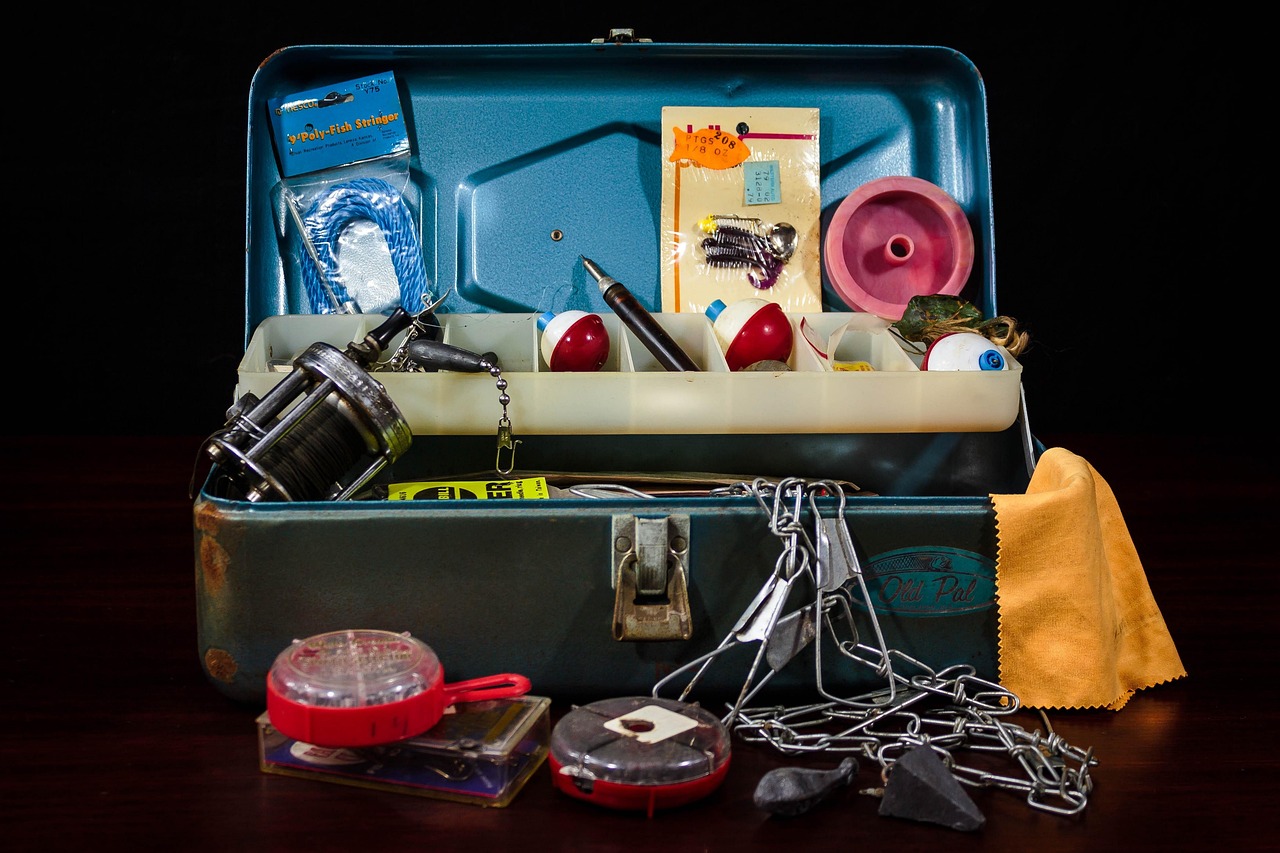
Finally, fishing lures must be protected when stored.
Tossing fishing lures into a tackle box loosely can cause the hooks on the fishing lures to bend and the paint on the fishing lure to chip. Use dedicated boxes for fishing lures that have individual compartment for each type of fishing lure. Use resealable bags for the soft plastic fishing lures so that the oil from one soft plastic lure does not move to another soft plastic lure.
Organizing your fishing lures will preserve them and ensure they will work correctly when you use them.