
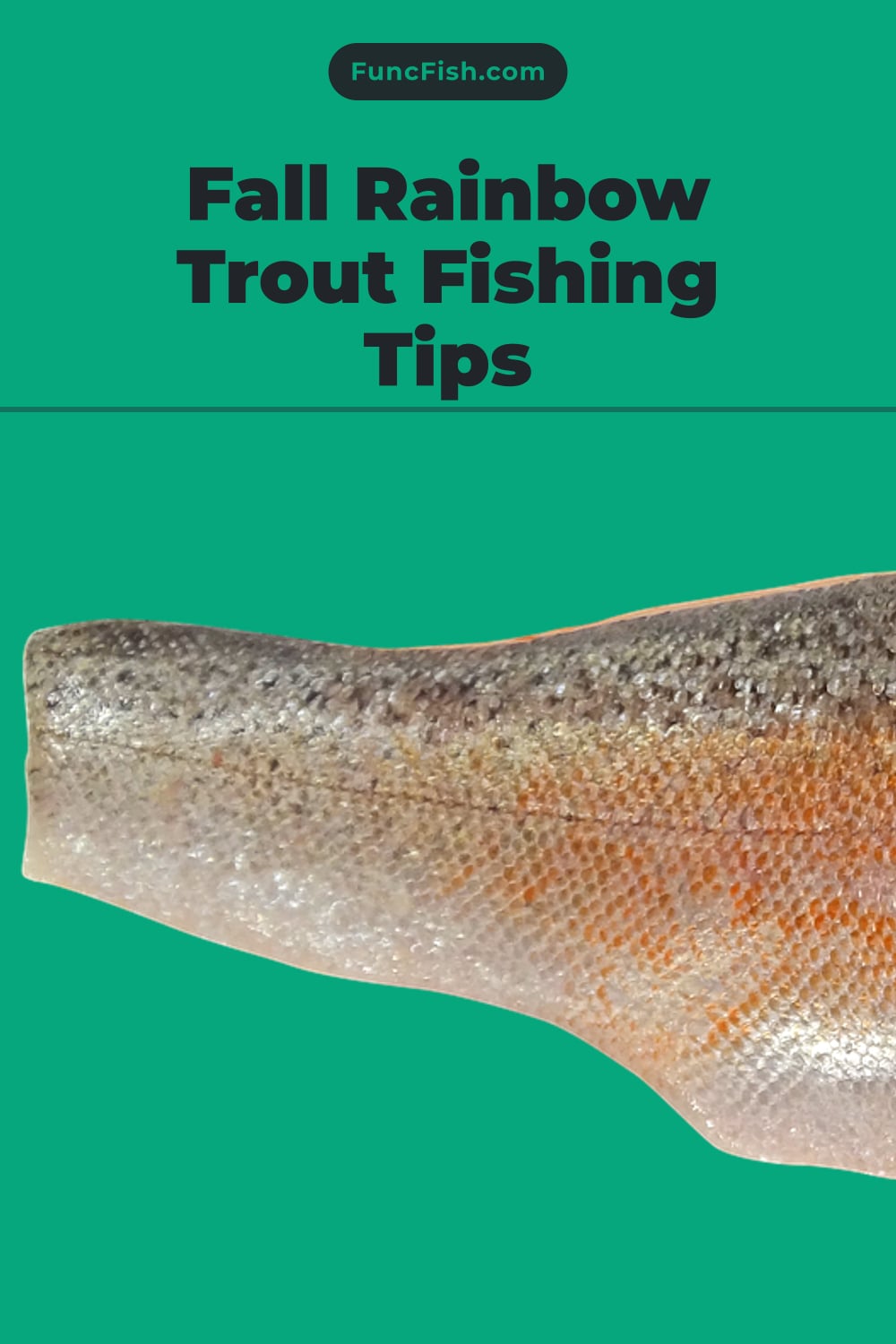
Fall rainbow trout fishing requires some specific adjustment to the trout fishing strategy that is used in other seasons. The changing weather and water temperatures change the behavior of rainbow trout, so a person must make some specific adjustments to there fishing strategies to be successful with rainbow trout in the fall. Rainbow trout should be targeted in specific area of the river when the air temperature drop below fifty degrees.
Trout tend to seek out areas of the river that are cooler such as the areas where tributaries meets the main river, or where deep pools empty into the river. Additionally, trout like to feed in areas where the current change, such as seams between areas of fast and slow water, or the inside bend of riffles. These areas tend to contain the insects and baitfish that the trout eats.
Essential Tips For Fall Rainbow Trout Fishing
1. Ideal River Locations
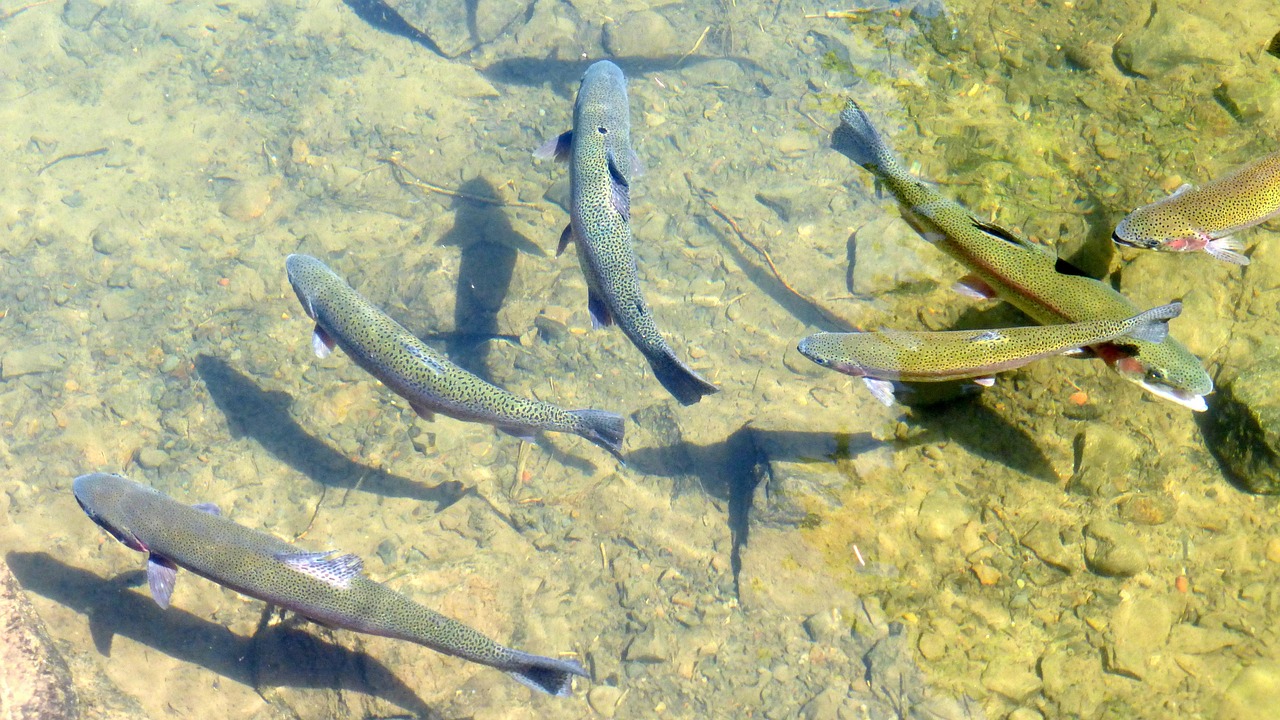
Water temperature can be measured with a thermometer that you can fish into the river every few hour. Rainbow trout tend to be most active in water temperature between the low fifties and the mid sixties. At these temperatures, the trout become more aggressive towards larger fly.
2. Optimal Water Temperature
During the fall, as the trout need to gain more calorie to survive the winter, you can use flies such as size ten woolly bugs. Stealth when fishing for rainbow trout is important because the trout are easily spooked by movement. Approach the river from the downstream side so that you do not spook the trout by you shadow.
3. Fly Selection and Stealth
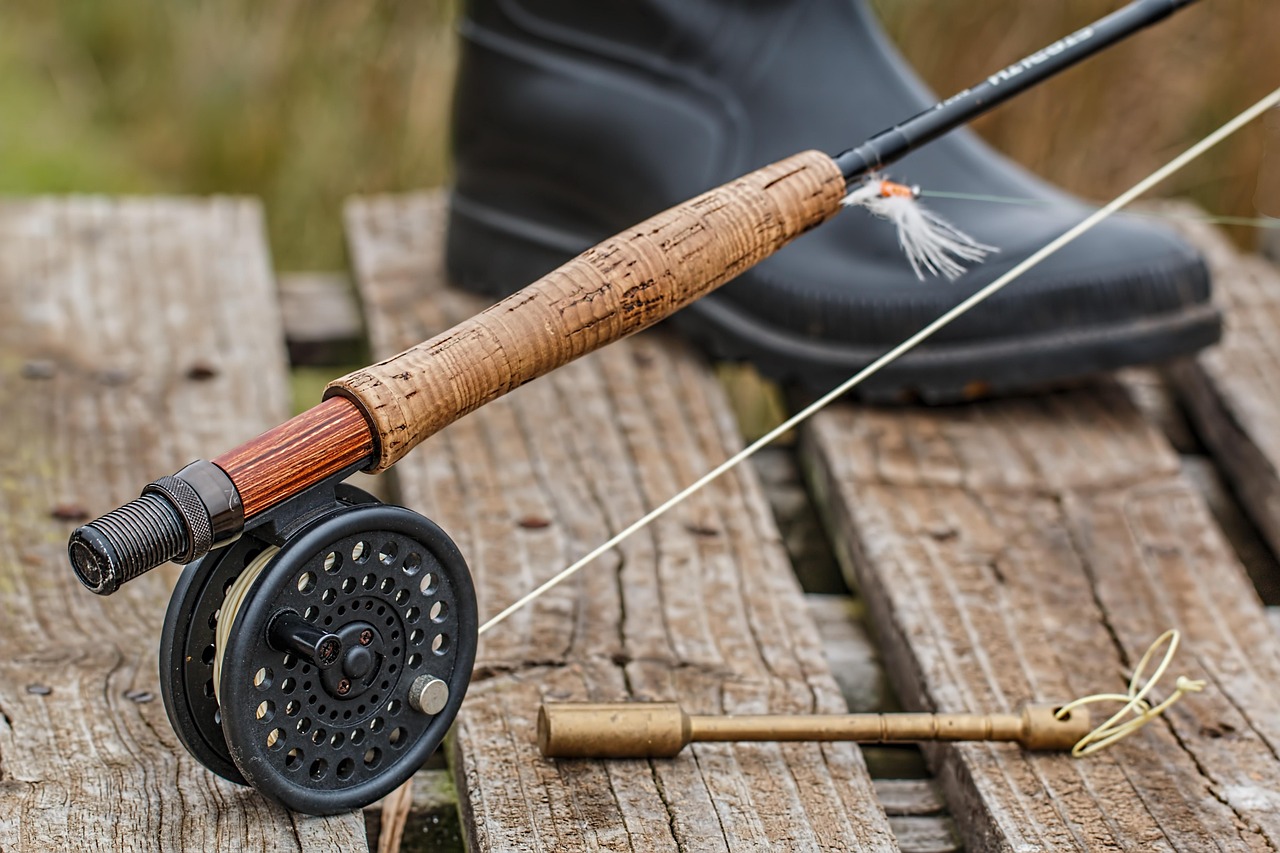
Wear drab color to blend into the banks of the river. When wading into the river, move slow and avoid stepping heavy on the rocks. Any vibration will cause the trout to move away from you.
4. Movement and Camouflage
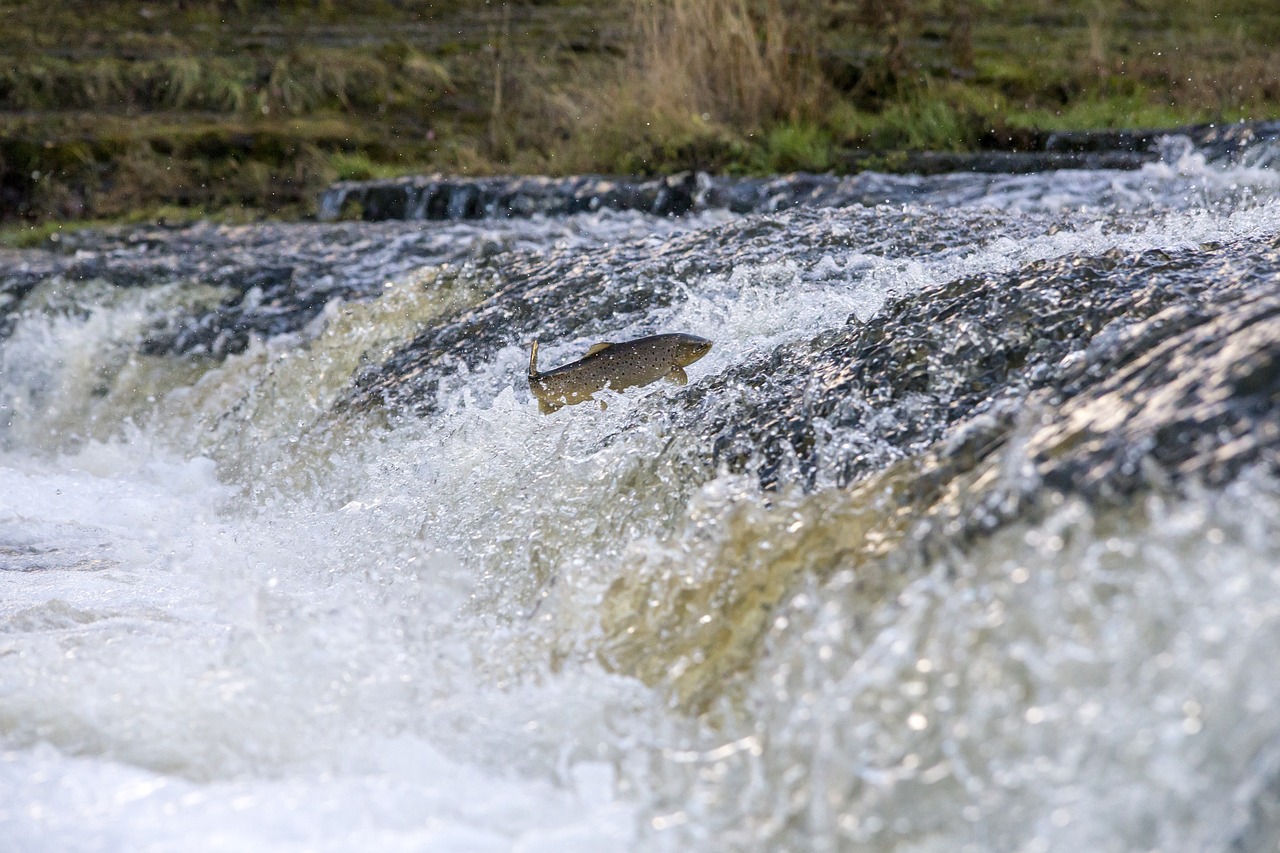
Additionally, move slow so that the trout do not sense your presence. Rainbow trout can be targeted with specific type of flies that mimic the food source in the river. During warm afternoon when the trout are most active, you can use terrestrial insect like grasshoppers or ants.
5. Terrestrial and Evening Insects
During the evenings, when the water can become cooler, you can use flies that mimic crayfish or minnows. Additionally, rainbow trout may strike at falling leaf, so leaves can be fished into the water in these season. Additionally, being mobile and moving along the river to find the food that rainbow trout want to eat can increase your chance of success.
The way in which the fly is moved through the water, or the retrieve, can change based off the temperatures of the water. In the early fall, a slow strip of the streamer on a streamer will attract trout because the moving look like an injured baitfish. As the water temperature drop, you can use a heavy nymph rig to drift through deep slot in the river.
6. Retrieval Techniques
Additionally, anglers can use Euro nymphing or high sticking technique when targeting deep water area because these method keep the fly in the strike zone for longer period of time.
7. Euro Nymphing and High Sticking
Rainbow trout tend to exhibit specific behavior in response to weather front. Rainbow trout are active before cold front arrive in the area, so fishing trip before cold fronts often have success.
8. Weather and Lighting Conditions
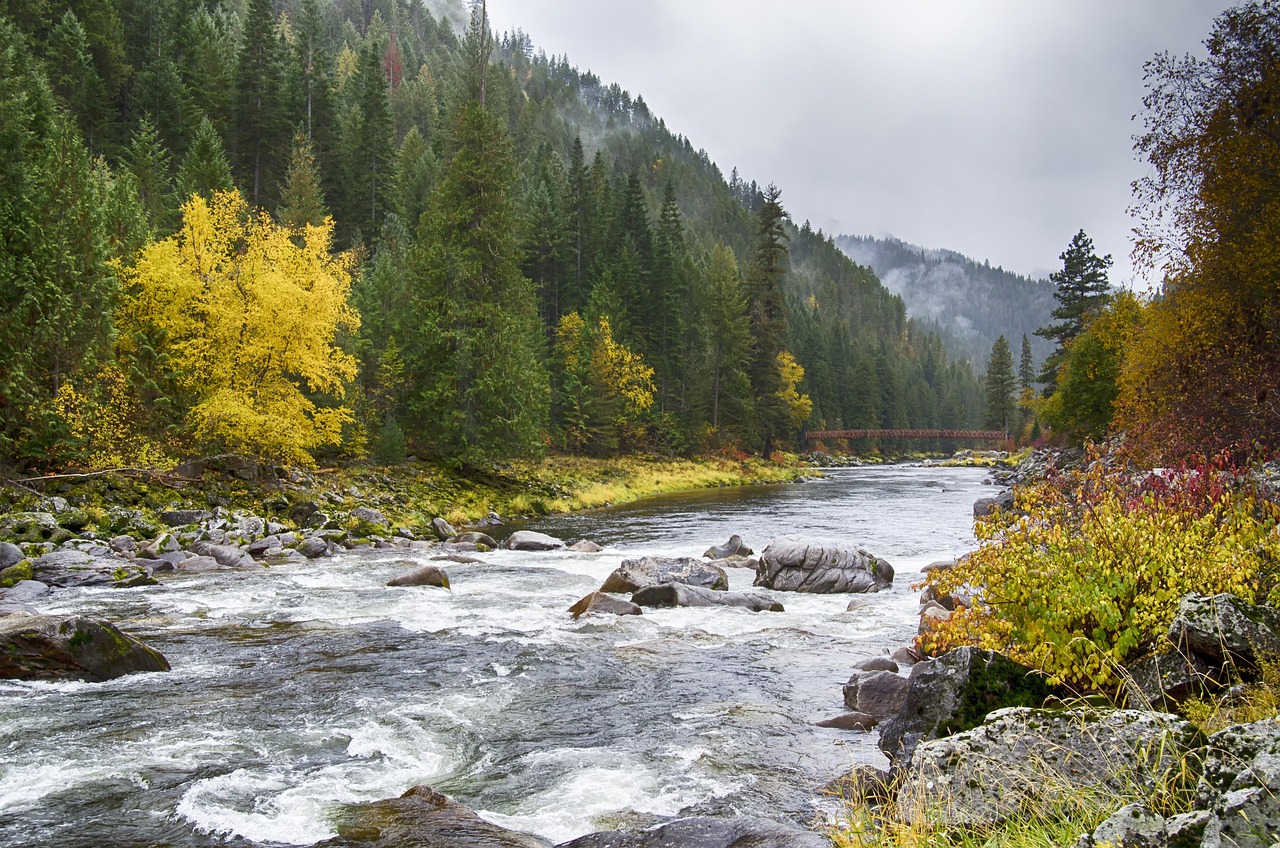
On bright sunny day, the rainbow trout tend to seek deep water; fishing for trout during the early morning or the late evening will be successful. Overcast sky and period of light drizzle in the area are often good fishing day for rainbow trout because the fish will not sense danger in moving to shallow area of the river. Specific gear can be used when fishing for rainbow trout during the fall.
9. Essential Fall Gear
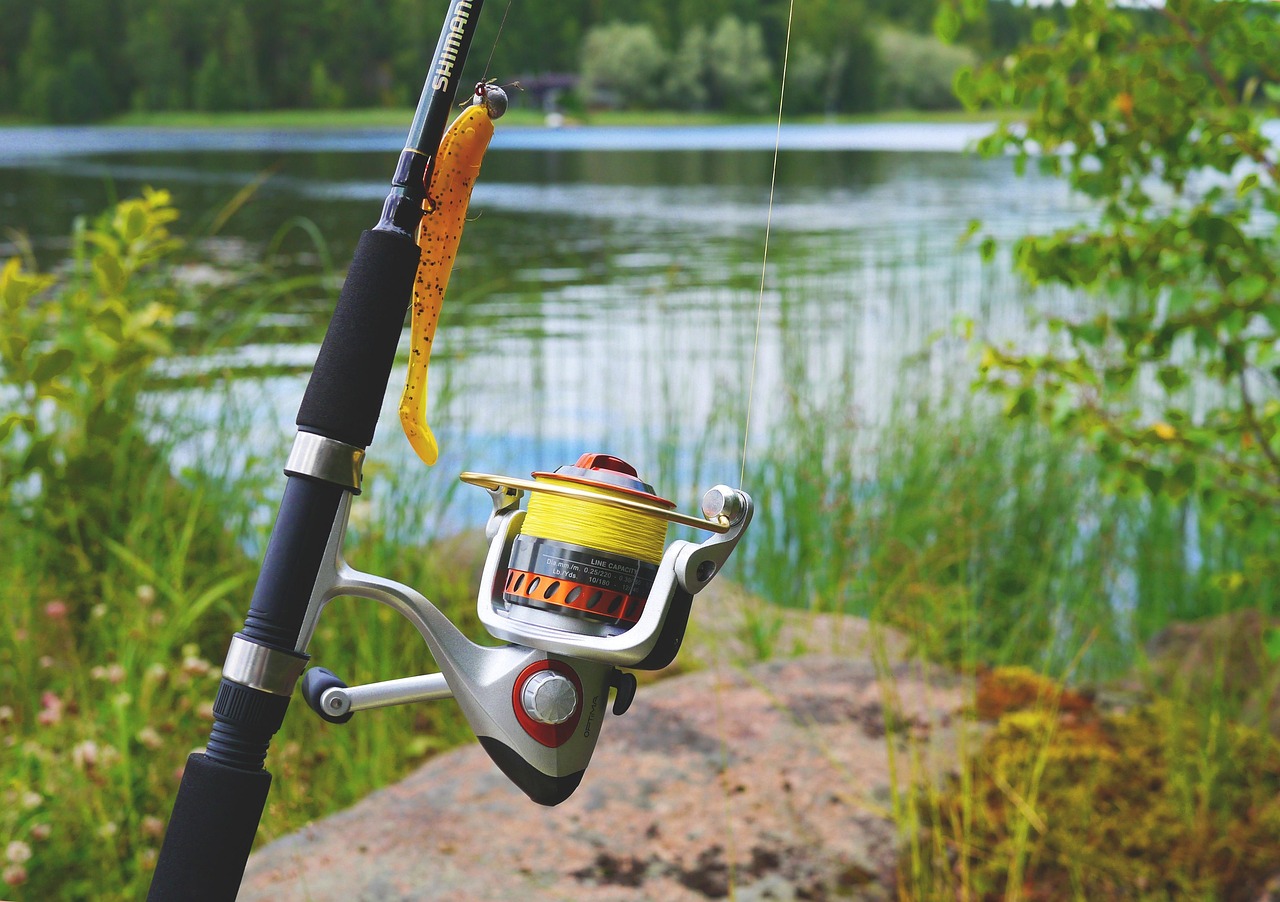
A six weight fishing rod provide the strength to cast streamer and withstand the effect of the fall wind. Fluorocarbon fishing leader will help the flies to reach the trout in deeper area of the river more quickly because fluorocarbon sink at a faster rate than other fishing line. Additionally, rainbow trout can be caught in cooler temperature; bring layer of clothing and glove so that you can remain comfortabley when the weather turns cooler.
Rainbow trout will be found in specific area of the river. Rainbow trout tend to seek out the downstream side of large boulder in the riverbed; the downstream side allow for the fish to dart out to eat, and then return to the current. Additionally, plunge pool located at the base of waterfall often contain large fish.
10. Riverbed Structures
Additionally, watching the water before you cast your line can help you to spot the rainbow trout. Streamer can be fished even if your main fishing strategy use nymphs. The streamers will trigger strike from large rainbow trout.
Sink tip and weighted fly will help to fish the streamer to the deep area of the river. Even if you do not catch any fish using streamer, using streamer will help you to learn where the rainbow trout are holding in the water. Finally, you should handle rainbow trout with care to ensure their survival.
11. Catch and Release Best Practices
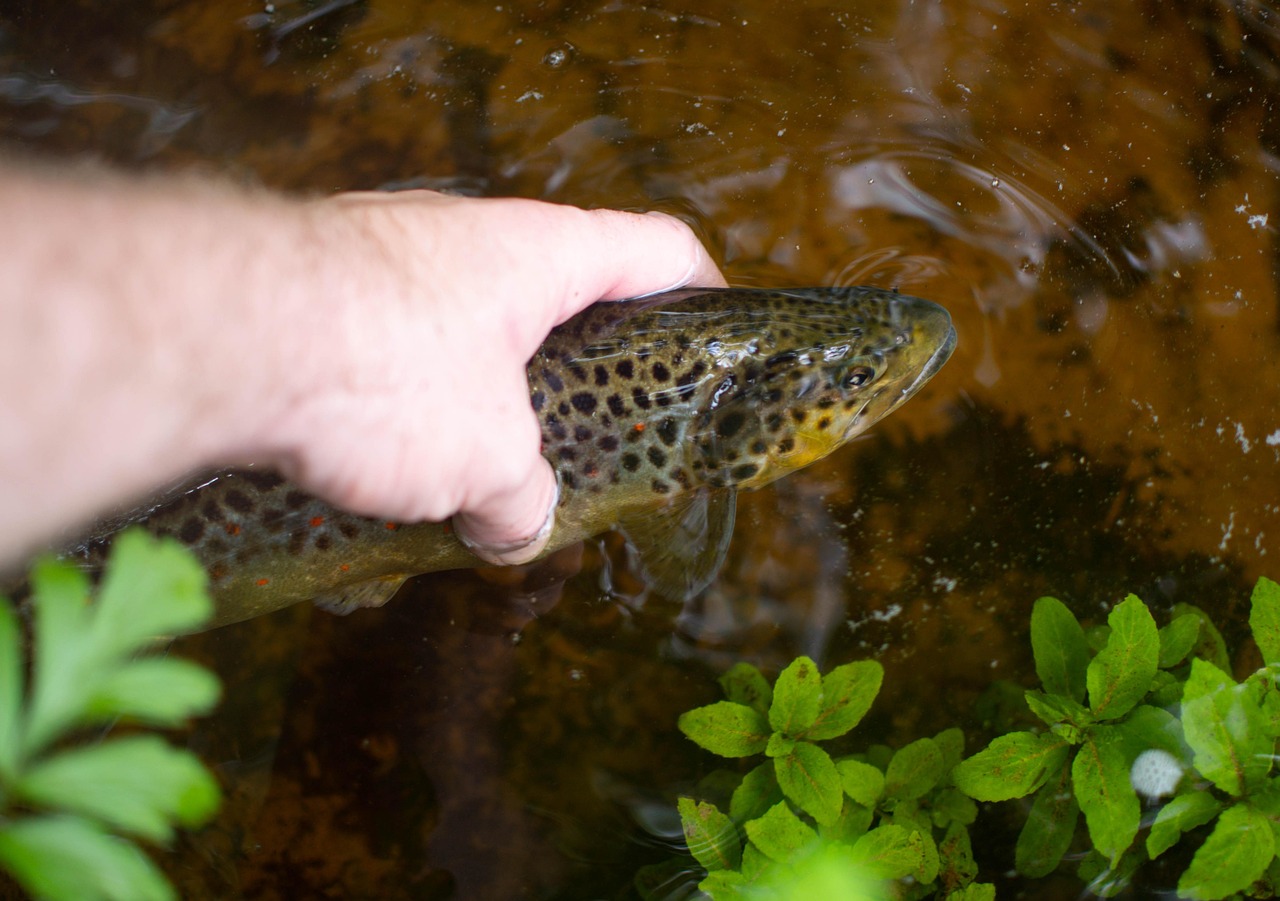
Barbless hook will make it easier to return any rainbow trout to the water. Rainbow trout should always be kept in the water when taking picture of them. Additionally, if you are fishing for fish that is preparing to spawn, release any fish that is caught; rainbow trout must remain in the river to maintain the fish population.